

Urban children today spend remarkably little time outdoors, despite over 85% of British parents wishing their children connected more with nature. This disconnect poses a significant challenge for families committed to raising environmentally conscious children. Yet fostering genuine environmental stewardship requires more than occasional park visits. It demands intentional strategies, engaging tools, and consistent family modelling. This guide provides evidence-based approaches for European parents seeking to nurture young eco warriors through nature play, structured learning, and meaningful family practices that build lifelong environmental values.
Table of Contents
- Key takeaways
- The power of nature play and outdoor experiences
- Structured eco education: improving awareness and behaviour
- Family influence and intergenerational transmission of eco values
- Practical tools, gifts, and activities to nurture young eco warriors
- Explore eco-conscious products and resources at The Zoofamily
- Frequently asked questions
Key Takeaways
| Point | Details |
|---|---|
| Nature play benefits | Outdoor nature based play supports cognitive and emotional development while building environmental awareness. |
| Hands on learning drives action | A hands on child led approach strengthens curiosity and practical skills that translate into pro environmental behaviours. |
| Urban space adaptations | Creative urban adaptations such as balcony containers and window feeders make nature connected learning possible in small city homes. |
| Structured programmes improve knowledge | Structured eco education programmes significantly boost ecological knowledge and pro environmental behaviours. |
The power of nature play and outdoor experiences
Nature play offers children far more than entertainment. Research demonstrates that outdoor experiences support cognitive development, emotional regulation, and social skills whilst simultaneously building environmental awareness. When children engage with natural environments, they develop observation skills, problem-solving abilities, and a sense of wonder that forms the foundation for lifelong environmental stewardship. These benefits extend beyond rural settings, with urban families successfully adapting nature play to their circumstances.
European families living in cities have discovered creative approaches to connecting children with nature despite limited space. Container gardens on balconies provide opportunities for children to observe plant growth cycles and attract pollinators. Window-mounted bird feeders transform ordinary mornings into wildlife watching sessions. Local parks become outdoor classrooms where children can identify trees, track seasonal changes, and participate in citizen science projects. These adaptations demonstrate that nature play remains accessible even in dense urban environments.
The most effective nature experiences prioritise child-led exploration over structured activities. When adults step back and allow children to investigate independently, curiosity flourishes. A child examining beetles under a log learns more about ecosystems than any lecture could teach. Climbing trees builds physical confidence alongside respect for living things. Collecting natural materials for art projects encourages creativity whilst fostering appreciation for nature’s diversity. This hands-on approach creates lasting memories and genuine environmental connection.
Balancing safety with exploration presents a common parental challenge. Setting clear boundaries whilst encouraging calculated risks helps children develop resilience and environmental competence. Allowing supervised stream paddling teaches water safety and aquatic ecosystem awareness. Permitting tool use for building natural shelters develops practical skills and respect for materials. Creating wildlife-friendly garden spaces where children can dig, plant, and observe without constant restriction nurtures independence and environmental responsibility.
Pro Tip: Design a small garden area specifically for your child’s experiments. Include native plants that attract butterflies and bees, provide child-sized tools, and resist the urge to tidy too frequently. The messier spaces often prove most educational, allowing children to observe decomposition, insect habitats, and natural cycles without adult interference.
Structured eco education: improving awareness and behaviour
Whilst unstructured nature play builds foundational environmental connection, structured education programmes significantly enhance children’s ecological knowledge and pro-environmental behaviours. A 6-week ecological footprint programme targeting children aged 5 to 6 demonstrated substantial improvements in awareness across five critical areas: waste management, water conservation, energy use, food systems, and transport choices. These programmes work because they combine theoretical knowledge with practical application, making abstract environmental concepts tangible and actionable.
Effective eco education addresses specific environmental challenges through age-appropriate activities. Waste sorting games transform recycling from a chore into an engaging challenge. Water conservation experiments using measuring cups reveal how small actions accumulate into significant savings. Energy audits conducted with parents help children understand household consumption patterns. Garden projects connecting food production to environmental impact make abstract agricultural concepts concrete. Transport discussions comparing carbon footprints of different travel methods build awareness of daily choices’ environmental consequences.
Research confirms that active learning in nature positively shifts both awareness and intention to act environmentally. Passive classroom instruction about environmental issues often fails to translate into behavioural change. However, when children participate in hands-on activities like stream monitoring, tree planting, or wildlife surveys, they develop personal investment in environmental outcomes. This experiential approach creates emotional connections that drive lasting behaviour modification.
| Programme type | Primary benefits | Engagement level | Behavioural outcomes |
|---|---|---|---|
| Informal earth education | Reduces climate anxiety, builds ecological knowledge | High through experiential activities | Moderate to strong pro-environmental actions |
| Structured school curriculum | Systematic coverage of environmental topics | Moderate, varies by teaching method | Strong when combined with active learning |
| Family-led activities | Reinforces values through role modelling | Very high due to personal relevance | Strong, especially for household behaviours |
| Outdoor camps and programmes | Immersive nature connection | Very high through adventure and exploration | Strong across multiple environmental domains |
Implementing eco-conscious habits at home requires a progressive approach that builds on children’s developing capabilities:
- Start with visible, simple actions like turning off lights when leaving rooms and using reusable water bottles.
- Introduce sorting activities that teach waste hierarchy: reduce first, then reuse, recycle, and compost.
- Involve children in meal planning discussions about seasonal produce and food waste reduction.
- Create household challenges tracking water or energy savings with visual progress charts.
- Expand to community actions like participating in local clean-ups or supporting environmental initiatives.
- Encourage children to share their knowledge with peers, reinforcing learning through teaching.
The playful approach to eco education proves particularly effective for young children. Board games about ecosystem balance, scavenger hunts for recyclable materials, and creative challenges using natural or reclaimed materials make learning enjoyable. When education feels like play, children remain engaged and retain information more effectively. This approach also reduces eco-anxiety by framing environmental action as empowering rather than overwhelming.
Pro Tip: Combine game-based learning with immediate real-world application. After playing a water conservation game, challenge your family to reduce shower times for a week. Track savings together and celebrate achievements. This connection between abstract learning and concrete outcomes strengthens behavioural change whilst building family teamwork around environmental goals.
Family influence and intergenerational transmission of eco values
Parents serve as children’s primary environmental role models, with family influence surpassing school or media impact on ecological values. Parent-adolescent environmental motivations correlate positively across European family dyads, demonstrating how children absorb and reflect parental attitudes towards nature and sustainability. This transmission occurs through both explicit teaching and implicit modelling, with everyday behaviours often speaking louder than verbal instruction.
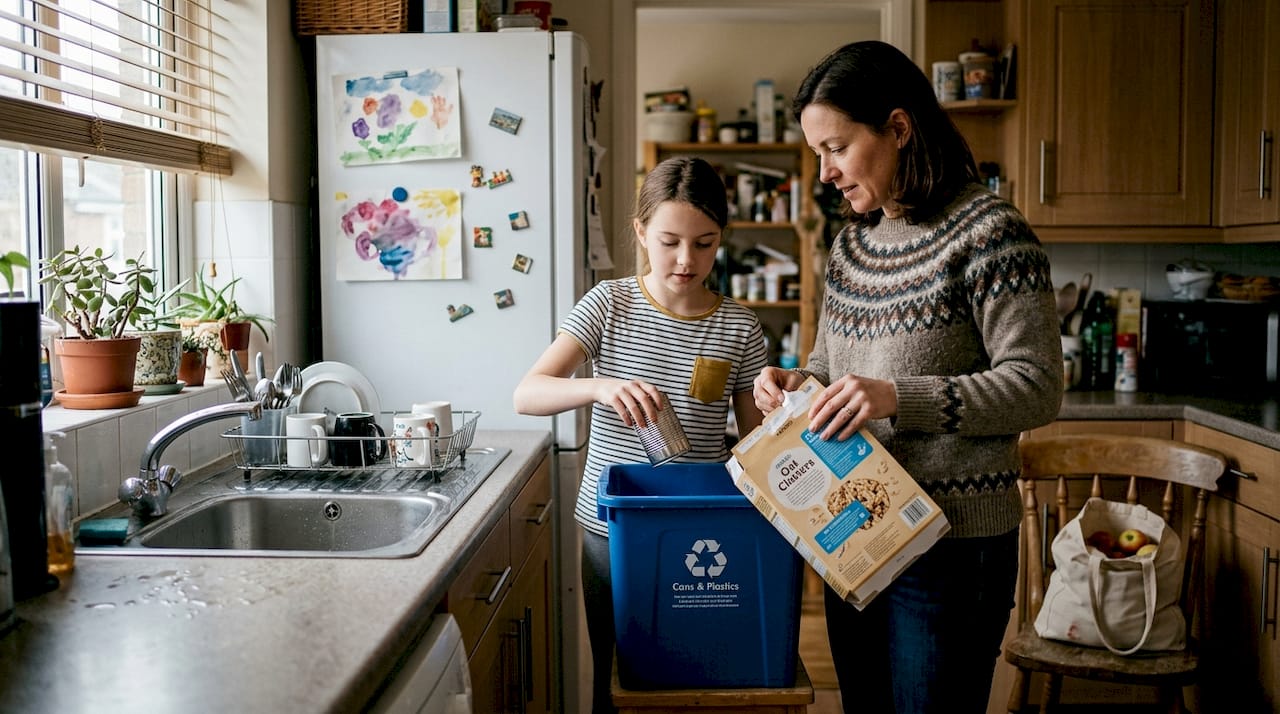
Children observe and internalise parental environmental behaviours from remarkably young ages. When parents consistently choose reusable bags, repair items instead of replacing them, or prioritise walking over driving for short trips, children perceive these actions as normal household practices. This normalisation proves crucial for developing intrinsic environmental motivation rather than compliance-based behaviour. Children who grow up seeing sustainability as standard practice incorporate these values into their emerging identities without viewing them as burdensome restrictions.
Shared family activities centred on environmental stewardship strengthen both relationships and ecological values. Regular nature walks create opportunities for observation and discussion about seasonal changes, wildlife behaviour, and ecosystem interdependence. Gardening together teaches patience, responsibility, and the connection between effort and reward. Participating in community environmental projects demonstrates civic engagement whilst building practical skills. These shared experiences create positive associations with environmental action, making sustainability feel rewarding rather than sacrificial.
Environmental motivations correlate strongly across European family dyads, underscoring the family’s central role in shaping children’s ecological identity and pro-environmental behaviours throughout development.
Pets can serve as unexpected teachers of environmental responsibility when families approach animal care through an ecological lens. Discussing sustainable pet food choices, composting pet waste appropriately, and adopting older animals rather than purchasing from breeders all provide opportunities for environmental education. Rescue animal behaviour management teaches children about compassion whilst demonstrating how responsible choices benefit both individual animals and broader environmental systems.
Consistent parent-led eco-conscious practices create household cultures where environmental consideration becomes automatic. When families establish routines around recycling, composting, energy conservation, and mindful consumption, children internalise these practices as normal behaviour. This cultural embedding proves more effective than sporadic environmental activities or lectures about climate change. Children raised in households where sustainability represents core values rather than occasional efforts develop stronger, more resilient environmental identities.
Key family practices that transmit eco values effectively include:
- Involving children in household sustainability decisions, from grocery shopping to energy use
- Discussing environmental news and challenges in age-appropriate ways that emphasise solutions
- Celebrating environmental achievements as family milestones rather than individual accomplishments
- Admitting when parents make environmentally suboptimal choices, modelling honest self-reflection
- Connecting environmental actions to family values like fairness, responsibility, and caring for others
Practical tools, gifts, and activities to nurture young eco warriors
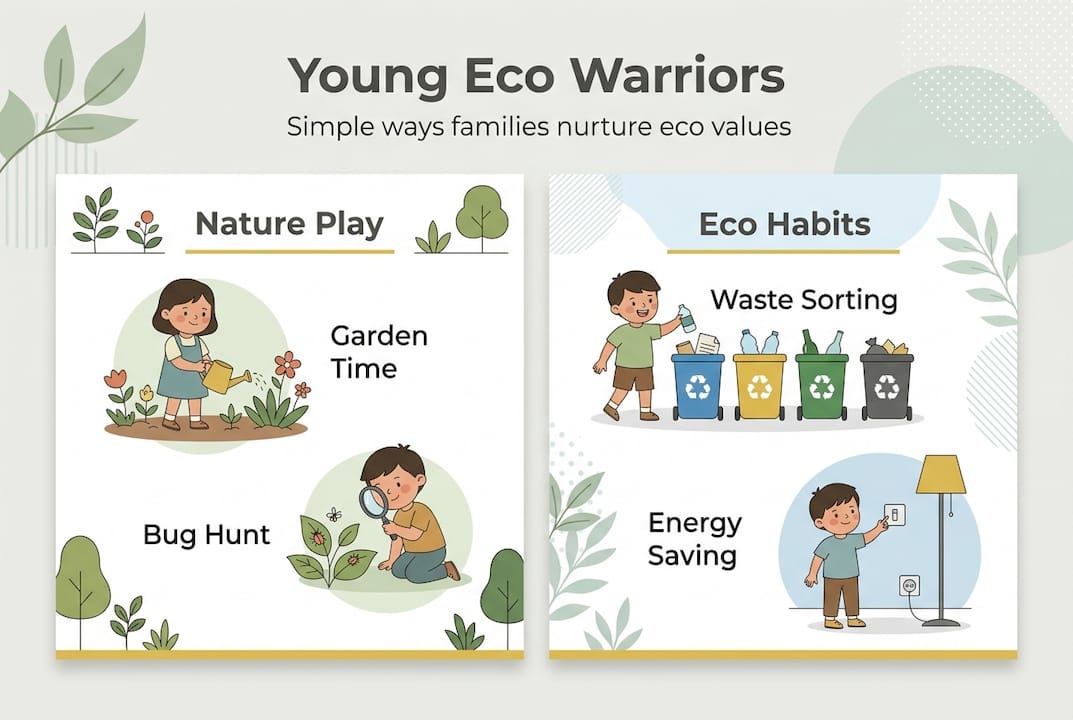
Selecting educational tools and gifts that foster environmental stewardship requires thoughtful consideration of both engagement value and genuine ecological benefit. The most effective resources combine learning with hands-on interaction, allowing children to explore environmental concepts through direct experience rather than passive consumption. Research shows that informal programmes like Earthkeepers and eco camps improve environmental knowledge and attitudes whilst reducing climate-related anxiety, demonstrating the power of experiential learning tools.
| Educational tool | Cognitive benefits | Emotional development | Behavioural outcomes | Age suitability |
|---|---|---|---|---|
| Nature journals and field guides | Observation skills, species identification, scientific thinking | Wonder, patience, attention to detail | Regular nature engagement, citizen science participation | 6+ years |
| Gardening kits with native seeds | Understanding plant lifecycles, ecosystem relationships | Responsibility, nurturing, achievement | Sustainable gardening, pollinator support | 4+ years |
| Wildlife observation tools (binoculars, cameras) | Visual discrimination, tracking, pattern recognition | Curiosity, respect for wildlife, excitement | Wildlife watching, habitat protection interest | 5+ years |
| Eco-themed board games | Systems thinking, problem-solving, cooperation | Teamwork, environmental empathy | Household sustainability actions | 7+ years |
| Upcycling and craft materials | Creativity, resourcefulness, fine motor skills | Pride in creation, waste awareness | Reuse habits, creative problem-solving | 3+ years |
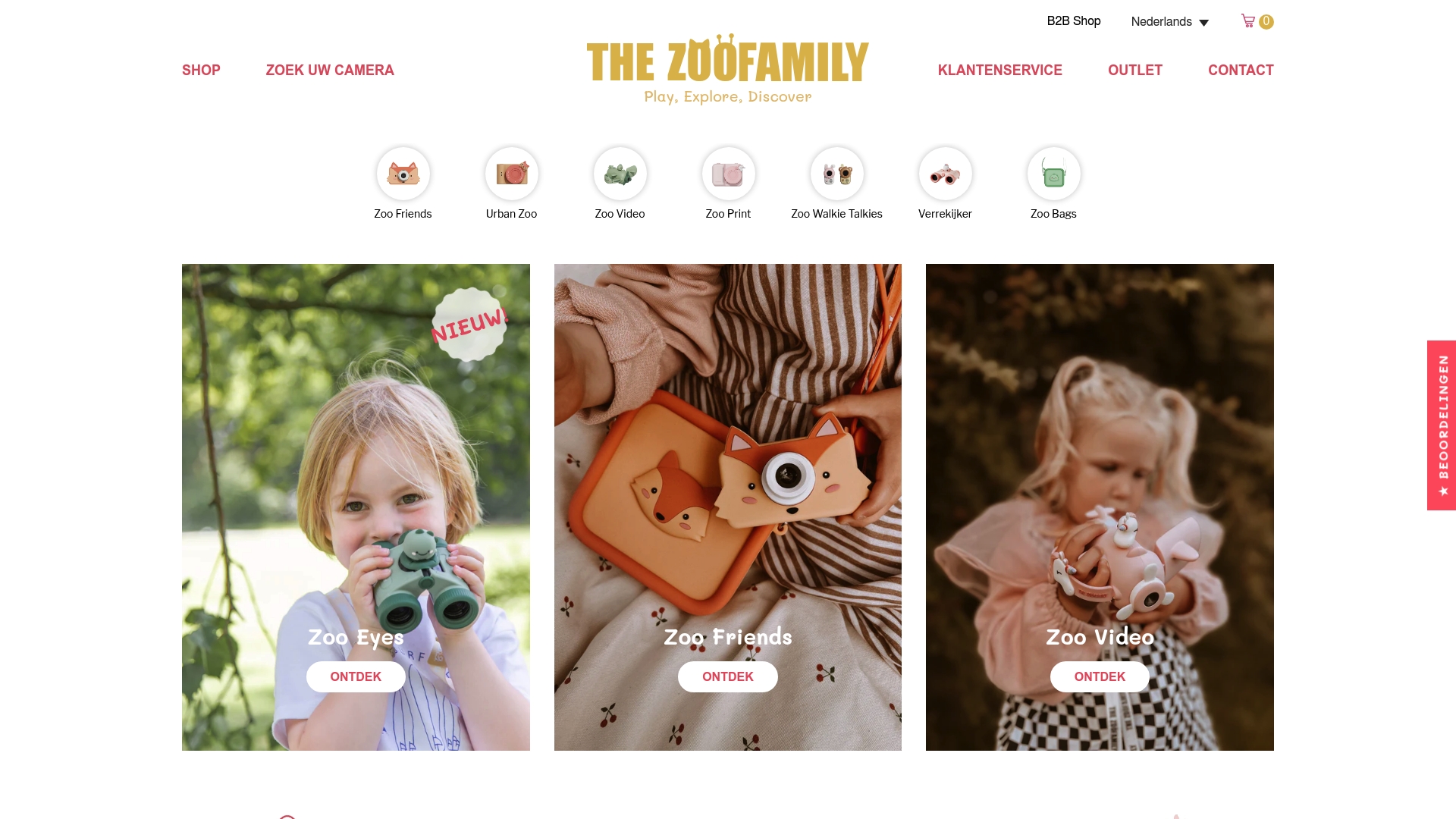
The Zoofamily’s animal-themed cameras, binoculars, and walkie-talkies exemplify tools that trigger children’s natural interest in wildlife whilst facilitating outdoor exploration. These products encourage active nature engagement rather than passive screen time, supporting the documented benefits of outdoor play for environmental awareness. When children use these tools to observe birds, track insects, or communicate during nature adventures, they build practical skills alongside environmental appreciation.
Engaging activities that celebrate nature and promote environmental stewardship include:
- Creating wildlife habitat features like bug hotels, bird nesting boxes, or butterfly puddling stations
- Organising neighbourhood nature scavenger hunts that teach species identification and seasonal awareness
- Hosting seed swap events where families exchange locally adapted plant varieties
- Participating in citizen science projects that contribute real data to environmental research
- Celebrating Earth Day through creative, low-impact activities that emphasise action over consumption
- Establishing family nature challenges like identifying 50 local species or visiting different habitats monthly
Research demonstrates that greening school grounds enhances cognitive and social skills, suggesting that creating green spaces at home offers similar benefits. Parents can transform even small outdoor areas into rich learning environments by incorporating diverse plant species, natural materials for building and creating, and features that attract wildlife. These spaces become outdoor classrooms where children conduct independent investigations and develop deep environmental connections.
When selecting gifts, prioritise items that facilitate ongoing engagement rather than one-time use. A quality pair of binoculars provides years of wildlife observation opportunities. A well-chosen field guide becomes a trusted reference for countless nature walks. Gardening tools sized for small hands enable participation in family cultivation projects. These investments in durable, purposeful items model sustainable consumption whilst providing genuine educational value.
Pro Tip: Include your children in selecting eco-focused gifts and planning nature activities. When children participate in these decisions, they develop ownership and enthusiasm that enhances engagement. Ask what aspects of nature most interest them, then seek tools and experiences that support those specific curiosities. This personalised approach proves more effective than imposing adult-selected environmental activities.
Explore eco-conscious products and resources at The Zoofamily
The Zoofamily offers carefully designed products and resources supporting families committed to raising environmentally aware children through nature connection and active outdoor learning. Our animal-themed cameras, binoculars, and walkie-talkies transform ordinary outdoor time into engaging wildlife adventures that build observation skills and environmental appreciation. Each product purchase contributes to global reforestation, demonstrating the connection between consumer choices and environmental action.
Explore our comprehensive guides on creating wildlife-friendly gardens that attract pollinators and provide hands-on learning opportunities for children. Discover creative approaches to celebrating Earth Day sustainably with activities that emphasise meaningful action over consumption. Visit The Zoofamily to find educational products and practical resources designed specifically for eco-conscious European families seeking to nurture the next generation of environmental stewards.
Frequently asked questions
How can I encourage my child to spend more time outdoors in an urban setting?
Utilise container gardens on balconies, window-mounted bird feeders, and regular visits to local parks to create consistent nature contact despite limited space. Establish outdoor routines like morning wildlife watching or weekend nature walks that make outdoor time a predictable family practice. Transform nearby green spaces into familiar exploration zones where children can track seasonal changes and observe urban wildlife. These adaptations make urban nature connection achievable and enjoyable.
What are effective activities to teach young children about sustainability?
Interactive games focusing on waste sorting, water conservation, and energy awareness work exceptionally well for young learners. Nature walks combining species identification with storytelling create memorable learning experiences that connect environmental concepts to real-world observations. Hands-on projects like composting, growing vegetables, or creating wildlife habitats provide tangible demonstrations of ecological principles. These playful educational approaches maintain engagement whilst building genuine environmental understanding.
How can families model eco-conscious behaviours effectively?
Practise visible sustainable actions like consistent recycling, mindful energy use, and choosing reusable items over disposable alternatives. Involve children in household sustainability decisions and chores that demonstrate environmental responsibility, from meal planning with seasonal produce to repairing items instead of replacing them. Discuss your environmental choices openly, including when you make compromises, to model honest reflection about sustainability challenges. These consistent family practices transmit values more effectively than occasional environmental activities.
What types of educational gifts inspire environmental stewardship in children?
Gardening kits with native seeds, nature journals paired with field guides, and wildlife observation equipment like binoculars or child-friendly cameras encourage ongoing environmental engagement. Books and games teaching ecological concepts through storytelling or interactive play make learning enjoyable whilst building knowledge. Choose durable, purposeful items that facilitate repeated use rather than single-occasion toys. These thoughtfully selected gifts support long-term environmental learning whilst modelling sustainable consumption patterns.