

Every parent faces that moment when teaching big ideas like sustainability suddenly feels overwhelming amidst busy city life. Yet equipping your children with practical eco-values goes far beyond one-off lessons or buzzwords. The United Nations highlights that sustainability means meeting today’s needs while protecting tomorrow’s opportunities, and families are key to shaping these everyday choices at home. This guide shares smart, engaging activities for making responsible living a natural, enjoyable part of your family routine.
Table of Contents
- Defining Sustainability At Home For Families
- Types Of Home-Based Sustainable Activities
- Engaging Children Through Creative Connection
- Daily Routines That Build Eco Awareness
- Roles And Responsibilities For Parents And Kids
- Common Mistakes And How To Avoid Them
Key Takeaways
| Point | Details |
|---|---|
| Emphasise Practical Sustainability | Families should focus on consistent, practical actions rather than radical changes to promote sustainability at home. |
| Engage Children Creatively | Use imaginative, hands-on approaches to teach children about sustainability, fostering emotional connections and curiosity. |
| Integrate Eco-Conscious Routines | Daily routines should include eco-friendly practices, making sustainability a natural part of family life. |
| Collaborate as a Family | Both parents and children play vital roles in sustainable practices, fostering a collaborative approach towards environmental responsibility. |
Defining Sustainability at Home for Families
Sustainability represents more than an environmental concept - it’s a comprehensive approach to living that integrates responsible resource management with family values. At its core, sustainability means creating a lifestyle that meets current needs while preserving opportunities for future generations.
The United Nations defines sustainability as meeting present needs without compromising future generations. This definition emphasises three critical dimensions that families can actively engage with:
- Environmental Protection: Reducing waste and conserving natural resources
- Economic Responsibility: Making mindful consumption choices
- Social Equity: Ensuring fair and ethical practices in daily life
For modern families, sustainability isn’t about radical changes but consistent, intentional actions. Maintaining conditions where humans and nature coexist requires practical strategies implemented through daily routines. These might include:
- Reducing household energy consumption
- Minimising single-use plastic waste
- Supporting local and sustainable food systems
- Teaching children about ecological interconnectedness
By transforming sustainability from an abstract concept into tangible home practices, families become powerful agents of positive environmental change. Each small decision contributes to a larger global ecosystem of responsible living.
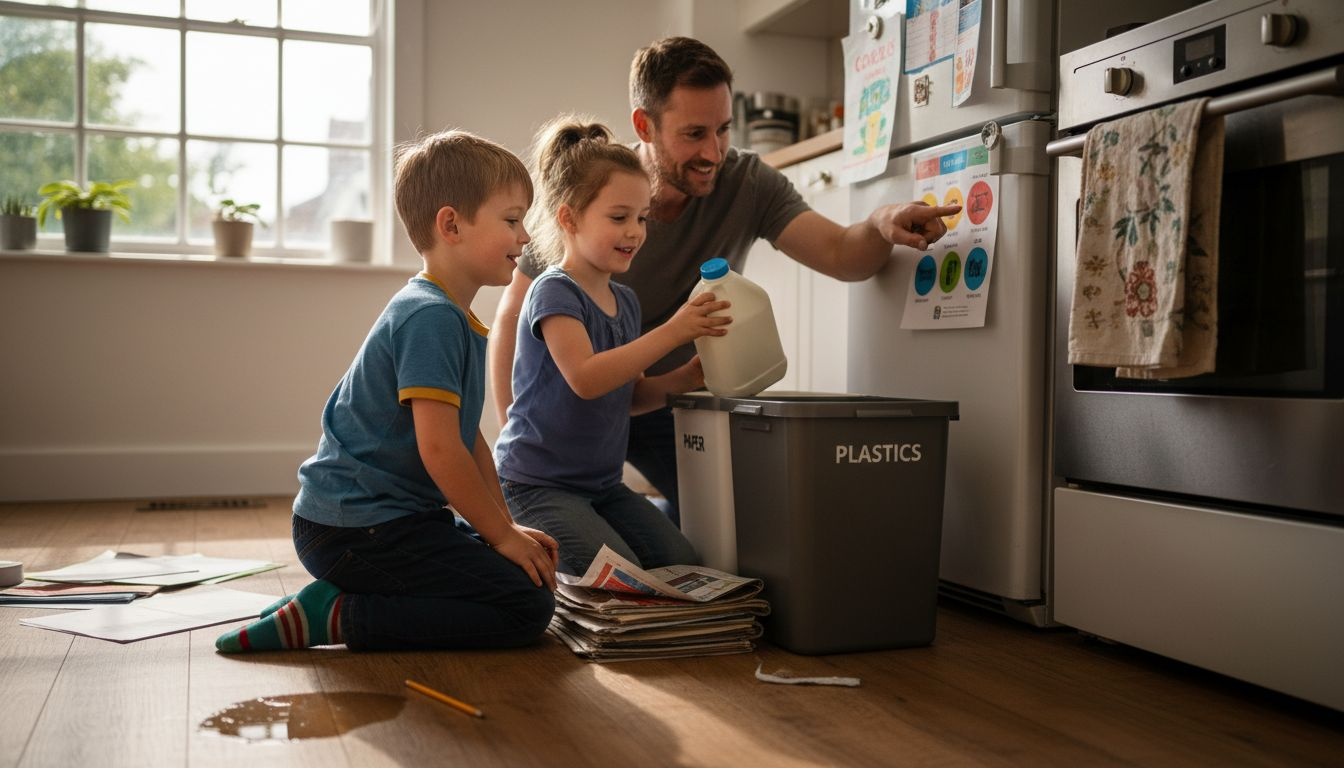
Pro tip: Start by selecting one sustainable practice each month to gradually build meaningful family habits without overwhelming everyone.
Types of Home-Based Sustainable Activities
Transforming sustainability from a concept into daily practice requires practical, actionable strategies that families can easily implement. Home-based sustainable activities represent tangible ways to reduce environmental impact while creating meaningful educational experiences for children.
According to the United States Department of Energy, families can reduce energy consumption through simple practices, including:
- Switching to energy-efficient LED light bulbs
- Using smart power strips to eliminate phantom energy drain
- Installing programmable thermostats
- Selecting appliances with high energy efficiency ratings
- Encouraging natural lighting and ventilation
Waste reduction emerges as another critical dimension of home sustainability. Families can create comprehensive recycling and composting systems that transform household waste management. Sustainable community resources support waste reduction through practical strategies like:
- Establishing dedicated recycling stations
- Composting kitchen and garden organic materials
- Repurposing containers and packaging
- Selecting products with minimal packaging
- Donating usable items instead of discarding them
Beyond individual actions, sustainable home practices involve collective family engagement. By making ecological responsibility a shared journey, parents can help children develop lifelong environmental consciousness. This approach transforms sustainability from an abstract concept into lived experience.
Pro tip: Create a family sustainability challenge where everyone contributes ideas and tracks progress, making environmental responsibility fun and collaborative.
Engaging Children Through Creative Connection
Sustainability education transcends traditional lecturing; it requires imaginative, interactive approaches that spark genuine curiosity and emotional connection. Creative engagement transforms environmental learning from a dry concept into an exciting family adventure that children genuinely want to explore.
Research demonstrates that parent-child interactions during creative activities significantly enhance children’s learning and environmental understanding. These interactions work best when they balance gentle guidance with child-led exploration, allowing youngsters to discover ecological principles through hands-on experiences.
Several creative strategies can help families make sustainability engaging:
- Nature photography scavenger hunts
- Upcycling craft projects using household recyclables
- Creating mini garden ecosystems
- Designing interactive recycling sorting games
- Developing storytelling sessions about environmental heroes
Successful eco-education involves responsive social interactions with young learners, where parents actively listen, provide supportive feedback, and connect sustainability to children’s existing interests. This approach transforms learning from a lecture into a collaborative, exciting journey of discovery.
By treating sustainability as an adventure rather than a duty, families can cultivate lifelong environmental stewardship. Children learn best when they feel emotionally connected to the subject, experiencing ecological principles through play, creativity, and shared exploration.
Pro tip: Create a family sustainability journal where children can document their eco-discoveries, drawings, and creative ideas, making environmental learning a personal and exciting experience.
Daily Routines That Build Eco Awareness
Transforming sustainability from an abstract concept into tangible daily practices requires intentional, consistent family approaches. Eco-conscious routines become powerful educational tools when seamlessly integrated into everyday family life, creating natural learning opportunities that children absorb effortlessly.
According to the United Nations Environment Programme, education drives environmental action by embedding ecological awareness into routine behaviours. Families can cultivate sustainability through strategic daily practices that transform mundane moments into meaningful learning experiences.
Essential daily routines for building eco awareness include:
- Morning energy monitoring (turning off unnecessary appliances)
- Water conservation during teeth brushing and showering
- Sorting household waste into precise recycling categories
- Planning meals to reduce food waste
- Using reusable containers and avoiding single-use plastics
- Walking or cycling for short-distance transportation
Successful ecological education requires consistent environmental habits that demonstrate sustainability as a lifestyle, not a disconnected concept. Children learn most effectively through observation and participation, making family routines the most powerful educational platform.
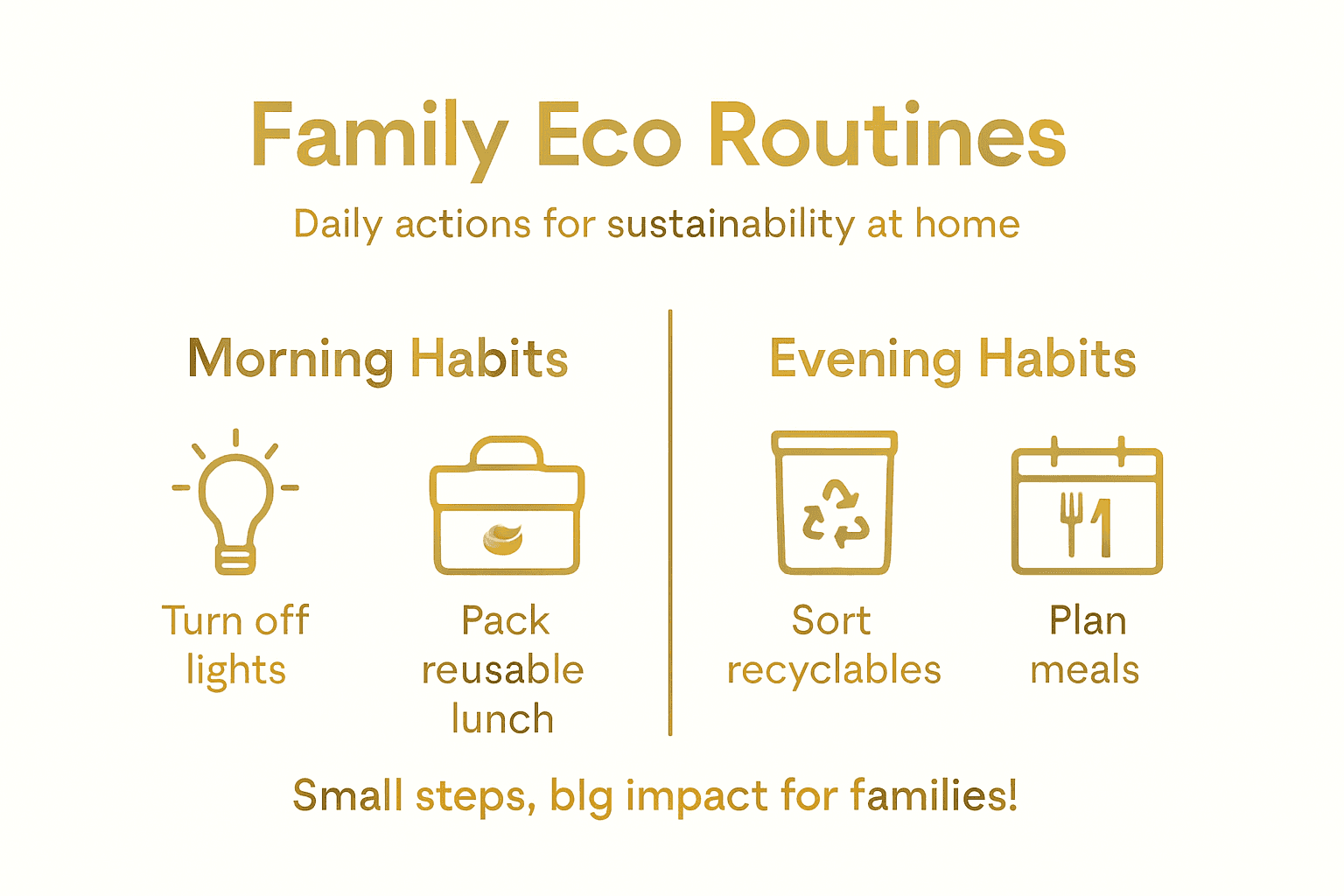
By normalising sustainable behaviours, families create an intuitive understanding of environmental responsibility that extends beyond formal lessons. Each small action becomes a subtle yet profound teaching moment, gradually building children’s ecological consciousness.
Pro tip: Create a family sustainability checklist where everyone can track and celebrate their daily eco-friendly choices, transforming environmental awareness into an engaging, collaborative game.
Roles and Responsibilities for Parents and Kids
Successful sustainability education requires a collaborative approach where family members become active partners in environmental learning. Each family member, regardless of age, plays a crucial role in developing and maintaining eco-conscious habits that contribute to broader environmental goals.
The Centres for Disease Control highlights that families support children’s environmental learning through strategic engagement and collaborative practices. Parents serve as primary role models, while children become active participants in sustainable decision-making.
Parental responsibilities in sustainability education include:
- Modeling environmentally responsible behaviours
- Creating opportunities for ecological learning
- Facilitating hands-on sustainability experiences
- Encouraging critical thinking about environmental challenges
- Providing age-appropriate resources and information
Children’s roles and responsibilities complement parental guidance:
- Participating actively in family sustainability initiatives
- Learning and implementing eco-friendly practices
- Sharing newfound knowledge with family and friends
- Making independent environmentally conscious choices
- Developing a sense of personal environmental responsibility
Research demonstrates that parental involvement significantly impacts children’s environmental development, transforming sustainability from an abstract concept into a lived family experience. The most effective approach involves creating a supportive, collaborative environment where learning flows naturally between generations.
Here is a comparison of sustainability responsibilities for parents and children within the family:
| Role | Typical Responsibilities | Impact on Family Sustainability |
|---|---|---|
| Parents | Provide guidance and modelling | Shape daily eco habits and values |
| Children | Participate and make choices | Build independent eco awareness |
| Both Together | Collaborate and problem-solve | Foster lasting family engagement |
Pro tip: Establish a weekly family sustainability meeting where everyone can share their eco-friendly achievements and brainstorm new ways to reduce environmental impact together.
Common Mistakes and How to Avoid Them
Sustainability education at home is a nuanced journey fraught with potential pitfalls that can inadvertently undermine environmental learning. Sustainable family practices require thoughtful, intentional approaches that go beyond simple information delivery.
The United Nations Environment Programme identifies critical challenges in sustainability education that families must carefully navigate:
- Overemphasising theoretical knowledge without practical application
- Inconsistent modeling of sustainable behaviours
- Neglecting the emotional and social dimensions of environmental learning
- Presenting sustainability as a burden rather than an opportunity
- Failing to adapt approaches to different age groups
Common mistakes families often encounter include:
- Lecturing instead of engaging children collaboratively
- Using complex, technical language inappropriate for children
- Focusing solely on negative environmental narratives
- Implementing sustainability as a rigid set of rules
- Overlooking children’s natural curiosity and creativity
Holistic sustainability education approaches emphasise experiential learning, fostering genuine understanding rather than superficial compliance. By transforming sustainability from an academic concept into a lived family experience, parents can create meaningful, lasting environmental consciousness.
This table highlights common pitfalls in home sustainability education and better approaches to address them:
| Common Mistake | Limitation | Improved Approach |
|---|---|---|
| Only giving lectures | Lacks child engagement | Use hands-on, creative activities |
| Using complicated jargon | Causes confusion | Use clear, age-appropriate language |
| Focusing solely on negatives | Reduces motivation | Highlight positive eco stories |
| Ignoring emotional/social learning | Misses connection | Foster emotional and social support |
Pro tip: Create a family sustainability journal where everyone can share their eco-discoveries, challenges, and creative solutions, making environmental learning a dynamic, collaborative adventure.
Inspire Your Family’s Journey Towards Eco-Friendly Living Today
Teaching sustainability at home can feel overwhelming when balancing practical daily routines with keeping children engaged and curious. This article highlights the challenges of transforming sustainability into creative, hands-on experiences for kids while nurturing a genuine emotional connection to the environment. You want to move beyond lectures and complicated jargon towards making sustainability a joyful family adventure filled with discovery and shared responsibility.
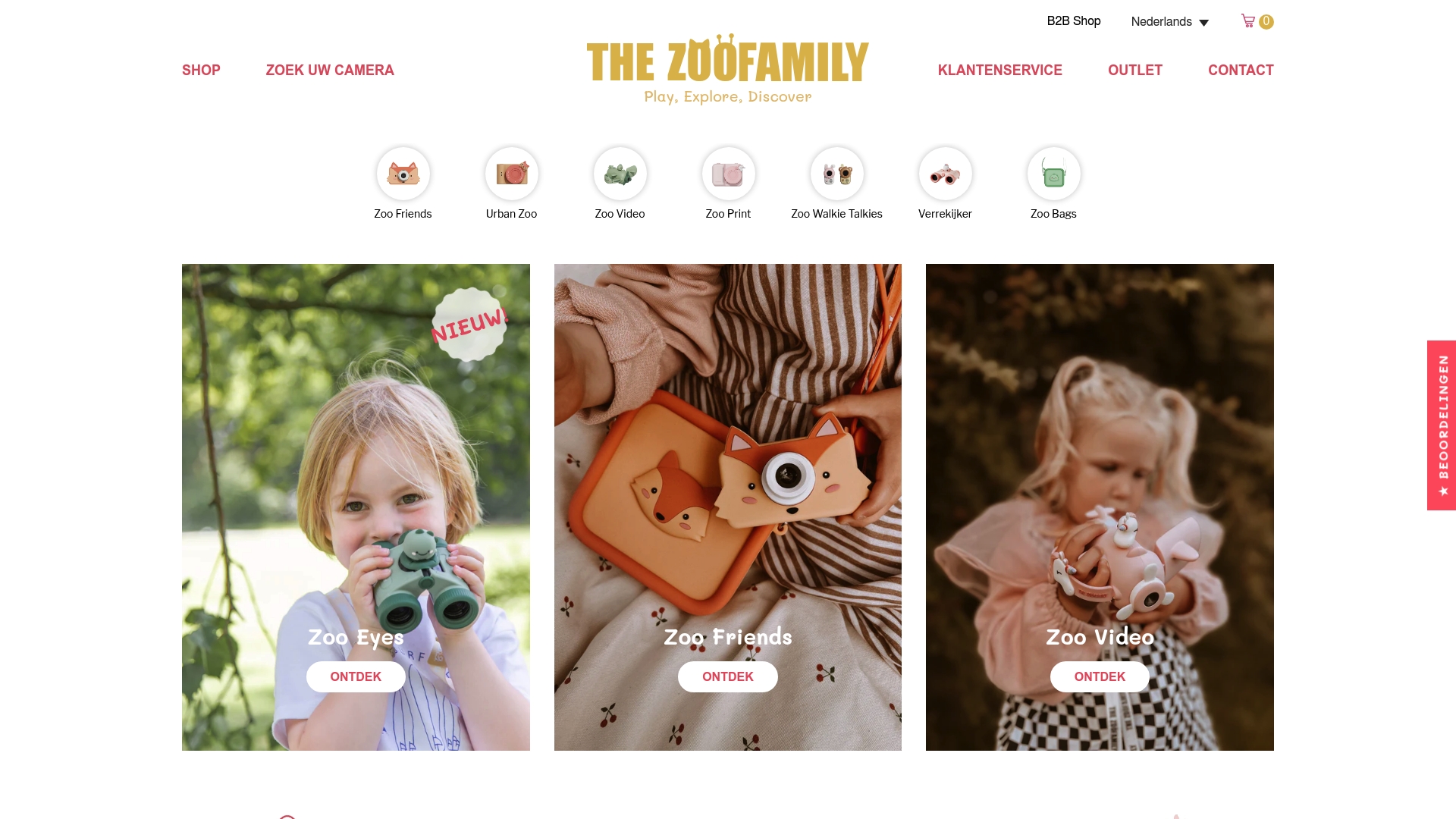
Discover how The Zoofamily supports your goal to build eco awareness by creating inspiring tools designed to connect children with nature. Our kids’ cameras, walkie-talkies, and binoculars feature animal references that spark curiosity about the natural world, making it easy to turn outdoor exploration into a meaningful sustainability lesson. Each camera sold helps restore the planet by planting one tree, reinforcing social equity and environmental responsibility with every purchase. Start your family’s sustainability challenge now by visiting The Zoofamily and making eco-friendly learning an exciting part of your children’s daily lives.
Frequently Asked Questions
How can families start practising sustainability at home?
To begin, families can choose one sustainable practice per month, such as reducing energy consumption or minimising single-use plastics. Gradually incorporating these changes helps build meaningful habits without overwhelming family members.
What are some effective eco-friendly activities for kids?
Families can engage children in sustainability through creative activities like nature photography scavenger hunts, upcycling craft projects, and mini garden ecosystems. These hands-on experiences make learning about environmental issues fun and interactive.
How can parents model sustainable behaviours for their children?
Parents can demonstrate eco-friendly habits by consistently practising responsible behaviours, such as conserving energy, recycling, and planing meals to minimise waste. Showing their commitment to sustainability inspires children to adopt similar habits.
What common mistakes should families avoid when teaching sustainability?
Families often make the mistake of lecturing children rather than engaging them interactively, using complicated language, or focusing solely on negative environmental narratives. It’s important to foster emotional connections and promote positive environmental stories to motivate sustainable behaviours.
Recommended
- Comment protéger la planète au quotidien avec ses enfants – The Zoofamily
- Understanding Eco Friendly Routines for Modern Families – The Zoofamily
- Eco Friendly Cleaning Tips For Busy European Mums – The Zoofamily
- 7 idées goûter nature enfants pour éveiller leur curiosité – The Zoofamily
- Waste Reduction for SMEs: Practical UK Strategies for 2025 - Venture Waste