

Every british family knows the thrill of exploring the great outdoors with children, yet few realise that hands-on adventures spark far more than excitement. Studies show that kids who engage in nature-based activities have higher curiosity and problem-solving skills than their peers. These outdoor experiences invite discovery, nurture creativity, and strengthen connections with the natural world. This collection of child-friendly ideas offers fresh ways to bring the magic of the outdoors into every british childhood.
Table of Contents
- Nature Scavenger Hunt to Ignite Curiosity
- DIY Animal Tracking for Wildlife Discovery
- Eco-Friendly Arts Using Natural Materials
- Building Bug Hotels for Mini Beasts
- Mindful Woodland Walks for Family Peace
- Planting Seeds to Teach Green Habits
- Creative Outdoor Storytelling in Nature
Quick Summary
| Takeaway | Explanation |
|---|---|
| 1. Engage children with nature scavenger hunts | Use simple checklists to encourage children to observe their surroundings and learn about local ecosystems while having fun. |
| 2. Introduce animal tracking techniques | Teach children to read animal signs, such as scat and sounds, to enhance their understanding of wildlife behaviours and habitats. |
| 3. Foster creativity with eco-friendly art | Encourage children to use natural materials for art projects, helping them appreciate nature while developing creativity and environmental consciousness. |
| 4. Build insect hotels to support biodiversity | Involve children in creating bug hotels, allowing them to learn about insect habitats and their vital roles within ecosystems. |
| 5. Practice mindfulness during woodland walks | Incorporate mindfulness techniques during nature walks to promote peace, connection with nature, and family bonding through shared experiences. |
1. Nature Scavenger Hunt to Ignite Curiosity
Bringing the outdoors to life through a thrilling exploration, a nature scavenger hunt transforms an ordinary afternoon into an extraordinary adventure of discovery. By guiding curious children to observe and interact with their natural surroundings, this activity sparks imagination and builds a profound connection with the environment.
Inspired by the National Park Service’s habitat exploration approach, this scavenger hunt encourages children to become junior naturalists. Kids will search for specific natural elements like unique leaf shapes, different types of wildlife tracks, interesting rock formations, or signs of animal habitats.
Key Components of an Engaging Nature Scavenger Hunt:
- Create a simple checklist of natural items to find
- Include both easy and slightly challenging discoveries
- Encourage observation without disturbing wildlife
- Make it a game with points or small rewards
The magic of this activity lies in teaching children to look closely, ask questions, and appreciate the intricate details of the natural world. By turning exploration into a playful challenge, you transform learning into an exciting quest that stimulates curiosity and builds environmental awareness. Grab a notebook, some coloured pencils, and head outdoors for an unforgettable family adventure.
2. DIY Animal Tracking for Wildlife Discovery
Unlocking the mysterious world of wildlife requires keen observation and curiosity. Animal tracking transforms an ordinary nature walk into an immersive detective adventure where children become wildlife investigators, learning to read the subtle signs left behind by local creatures.
Children can explore two fascinating tracking methods. First, learning to identify animal scat provides incredible insights into local wildlife populations and their diets. Second, recording and comparing animal sounds helps develop auditory recognition skills.
Essential Animal Tracking Equipment:
- Field notebook for observations
- Smartphone or digital recorder
- Magnifying glass
- Field guide for local wildlife
- Camera for documentation
Tracking Safety Guidelines:
- Always observe from a safe distance
- Never touch animal droppings directly
- Use gloves or tools for close examination
- Respect wildlife habitats
By transforming nature exploration into an engaging game, children develop scientific observation skills, environmental awareness, and a deep respect for wildlife ecosystems. This activity nurtures curiosity while teaching valuable lessons about biodiversity and animal behaviour.
3. Eco-Friendly Arts Using Natural Materials
Artistry meets environmental awareness through the magical world of creating art with materials found directly in nature. Understanding eco-friendly routines begins with teaching children to see beauty and potential in the natural world around them.
Inspired by creative exploration techniques from DIY.org, this activity encourages children to transform leaves, twigs, stones, and flowers into stunning artistic creations. By collecting materials during outdoor adventures, kids learn to appreciate natural resources while developing remarkable creative skills.
Materials for Natural Art Projects:
- Fallen leaves
- Small twigs and branches
- Smooth pebbles
- Flower petals
- Pine cones
- Feathers
- Seashells
Creative Project Ideas:
- Create nature collages
- Design pressed flower artwork
- Build landscape sculptures
- Make leaf print paintings
- Construct mandala designs on the ground
Through these hands-on experiences, children develop a profound connection with their environment, learning that art can be both beautiful and sustainable. Every collected item becomes a canvas for imagination, transforming simple natural materials into extraordinary expressions of creativity.
4. Building Bug Hotels for Mini Beasts
Transforming a simple wooden box into a bustling habitat for tiny creatures brings the wonders of miniature ecosystems right into your garden. Summer adventure challenges offer exciting opportunities for children to become wildlife engineers and environmental guardians.
Creating a bug hotel is more than a craft project it is a hands-on lesson in biodiversity and ecosystem support. Children learn about the critical roles different insects play in maintaining healthy environments by constructing carefully designed shelters that provide safe spaces for various beneficial creatures.
Materials for Your Bug Hotel:
- Wooden pallets or sturdy wooden box
- Bamboo sticks
- Pine cones
- Dry leaves
- Straw
- Cardboard rolls
- Small terracotta pipes
Insect Inhabitants to Welcome:
- Ladybirds
- Solitary bees
- Woodlice
- Lacewings
- Beetles
- Spiders
- Centipedes
By designing intricate spaces with different materials and textures, children create microhabitats that support local wildlife. Each section of the bug hotel becomes a unique sanctuary, teaching young naturalists about the delicate balance of small creature communities and their importance in our broader ecosystem.
5. Mindful Woodland Walks for Family Peace
Immerging yourself in woodland tranquillity offers a powerful antidote to modern family stress. Mindful parenting techniques transform ordinary nature walks into profound experiences of connection and calm.
Inspired by the National Park Service’s habitat exploration approach, these walks become deliberate journeys of sensory discovery and emotional regulation. Children learn to observe their surroundings with gentle curiosity while parents practise present moment awareness.
Mindful Woodland Walk Strategies:
- Practice quiet observation
- Listen to forest sounds
- Touch different natural textures
- Breathe slowly and deeply
- Move without disturbing wildlife
Sensory Exploration Activities:
- Collect fallen leaves
- Identify different tree bark textures
- Count different bird sounds
- Observe insect movements
- Sketch natural patterns
These woodland explorations are more than simple walks they are opportunities to cultivate inner peace, strengthen family bonds, and develop a profound respect for the natural world. By moving slowly and intentionally through forest landscapes, families can rediscover the healing power of quiet contemplation and shared wonder.
6. Planting Seeds to Teach Green Habits
Gardening transforms children into environmental stewards, teaching profound lessons about life cycles and ecological responsibility. Protecting our planet with children begins with understanding how small actions can create meaningful change.
Inspired by DIY.org’s summer adventure challenges, seed planting becomes an immersive educational experience that connects children directly with natural processes. By nurturing their own plants, kids learn patience, care, and the intricate relationships within ecosystems.
Essential Seed Planting Materials:
- Small plant pots
- Organic soil
- Variety of seeds
- Watering can
- Plant markers
- Gardening gloves
Learning Objectives:
- Understand plant growth cycles
- Practice responsible care
- Learn about photosynthesis
- Develop nurturing skills
- Connect with nature
Each seed planted represents a tiny promise of future growth a living lesson in hope and environmental stewardship. Through these hands on experiences, children discover the magical connection between human care and natural regeneration.
7. Creative Outdoor Storytelling in Nature
Storytelling transforms ordinary landscapes into magical realms where imagination and nature intertwine. Photography scavenger hunts can inspire visual storytelling techniques that bring children closer to their natural surroundings.
Inspired by DIY.org’s summer adventure challenges, this activity encourages children to become narrative explorers who weave tales directly inspired by the living world around them. By using natural elements as story prompts, kids develop creative thinking skills while deepening their connection to the environment.
Storytelling Inspiration Sources:
- Unusual tree shapes
- Interesting rock formations
- Animal tracks
- Unique plant structures
- Woodland clearings
- Stream or river landscapes
- Seasonal changes
Storytelling Techniques:
- Create character personas from natural objects
- Develop plot lines based on landscape features
- Use sensory observations as narrative details
- Invent dialogues between wildlife
- Explore perspective through different natural viewpoints
Through creative outdoor storytelling, children learn to see the world as a living narrative full of wonder and interconnected stories. Each leaf, stone, and creature becomes a potential character in an unfolding adventure of imagination and discovery.
Below is a comprehensive table summarising various nature activities that ignite curiosity and environmental awareness in children from the article.
| Activity | Description | Benefits |
|---|---|---|
| Nature Scavenger Hunt | Children search for natural elements using a checklist, with a focus on observation. | Sparks imagination, builds environmental connection. |
| DIY Animal Tracking | Kids learn to track wildlife via scat and sounds using field equipment. | Develops scientific skills, fosters wildlife respect. |
| Eco-Friendly Arts | Use natural materials to create art, like leaf collages and twig sculptures. | Encourages creativity, teaches sustainability. |
| Building Bug Hotels | Construct habitats for insects using natural materials like bamboo and straw. | Lessons in biodiversity, supports ecosystems. |
| Mindful Woodland Walks | Family walks focused on sensory exploration and mindfulness. | Cultivates peace, strengthens family bonds. |
| Planting Seeds | Engage in gardening to learn about plant growth and ecosystem roles. | Teaches ecological responsibility, lifecycle comprehension. |
| Creative Outdoor Storytelling | Craft stories inspired by natural landscapes, using sensory details. | Enhances creative thinking, deepens nature connection. |
Ignite Your Child’s Curiosity with The Zoofamily’s Nature Exploration Tools
The article highlights the challenge many parents face: how to keep children deeply engaged with nature while fostering creativity, observation skills and environmental respect. With activities like nature scavenger hunts, animal tracking and mindful woodland walks, kids need more than just inspiration they need the right tools to connect meaningfully with the natural world. The Zoofamily is dedicated to nurturing this connection by offering specially designed kids’ cameras, walkie-talkies and binoculars that come with animal references to spark curiosity and guide discovery.
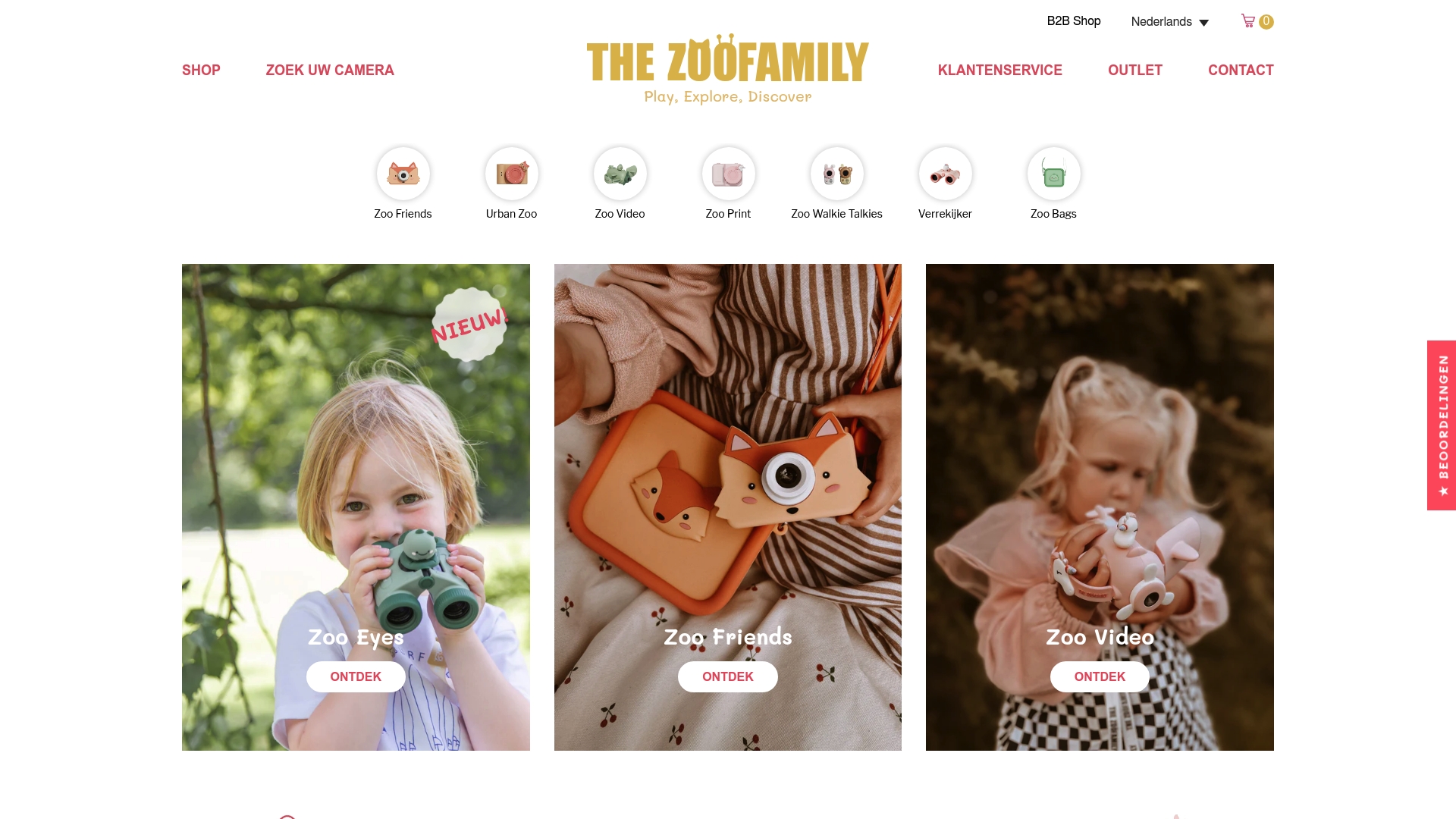
Bring the magic of outdoor adventures right to your family with The Zoofamily’s innovative products. Each camera you purchase not only captures precious moments but also helps restore our planet since we plant one tree for every camera sold. Start your child’s journey of wonder today by exploring our collection at The Zoofamily and discover how our products complement educational nature activities like those described in this nature play guide. Equip your little naturalists with tools that make learning fun and memorable now.
Frequently Asked Questions
What is a nature scavenger hunt and how can I organise one for my kids?
A nature scavenger hunt is an outdoor activity where children search for specific natural items. To organise one, create a checklist of items to find, such as unique leaves or animal tracks, and encourage kids to observe their surroundings closely.
How can I safely teach my children to track animals in the wild?
To safely teach animal tracking, guide your children to look for signs like footprints or scat without disturbing wildlife. Use tools like a magnifying glass or field guide to enhance their experience and record their findings in a field notebook.
What materials do I need for eco-friendly art projects using natural materials?
You can create eco-friendly art using materials gathered from nature, such as fallen leaves, twigs, and flower petals. Collect these items during outdoor activities and encourage your kids to use them for collages, sculptures, or paintings.
How do I build a bug hotel with my children?
Building a bug hotel involves gathering materials like wooden pallets, bamboo sticks, and pine cones to create habitats for insects. Work together to design and assemble the hotel, explaining the role each type of insect plays in the ecosystem.
What activities can we do during mindful woodland walks to connect with nature?
During mindful woodland walks, encourage quiet observation, and sensory exploration by asking children to identify different textures and sounds. Incorporate activities like sketching or counting bird calls to deepen their engagement with the environment.
Why is planting seeds an important activity for children?
Planting seeds teaches children about the life cycle of plants and encourages ecological responsibility. Help your children plant seeds in pots, and engage them in caring for their plants to cultivate a sense of connection and nurturing towards nature.
Recommended
- Making Learning Fun: Engaging Activities for Your Kids – The Zoofamily
- Making Learning Fun: Engaging Activities for Your Kids – The Zoofamily
- Meilleurs gadgets plein air enfants – Comparatif 2025 – The Zoofamily
- Understanding the Benefits of Imaginative Play – The Zoofamily
- 7 Inspiring Examples of Open-Ended Toys for Creative Play – Learning Bugs