

Which eco-friendly toilet bowl cleaners are best in the UK?
The UK market has several strong options for an environmentally friendly toilet bowl cleaner in 2026. The best choices combine biodegradable formulas, plant-based ingredients, and packaging that cuts plastic waste. Seven brands stand out across different needs and budgets.
| Product | Eco Credentials | Key Ingredients | Packaging | Formulation | Effectiveness | Best For |
|---|---|---|---|---|---|---|
| Bio D | Biodegradable, non-toxic | Plant-based surfactants, organic acids | 100% recycled plastic, refill available | Liquid | Limescale, bacteria | Budget-conscious buyers |
| Ecover | Highly biodegradable, cruelty-free | Plant-based surfactants, mineral salts | 100% recyclable, refill stations | Liquid | Limescale, general grime | Trusted brand seekers |
| Ecozone | Biodegradable, vegan | Plant-based ingredients | Refill pouches, concentrate formats | Liquid/concentrate | General cleaning | Zero-waste shoppers |
| Kit & Kin Eco Toilet Cleaner | Biodegradable, vegan, cruelty-free | Citric acid, lactic acid, xanthan gum, pine and cedarwood oils | 50% rPET/PCR plastic, refill pouches | Liquid gel | Limescale, bacteria (3x efficacy vs leading non-eco brand) | Families and pet owners |
| Blueland | EPA Safer Choice, Cradle to Cradle certified, plastic-free | Plant and mineral-based | Industrially compostable paper | Dissolvable tablet | Limescale, rust, mineral deposits | Plastic-free priority |
| Sodasan Power Gel | Biodegradable, vegan, NCP certified | Citric acid, plant-based surfactants | Recyclable packaging | Gel | Limescale, vertical surface grime | Gel cleaner fans |
| Nature Clean Natural Toilet Bowl Cleaner | Biodegradable, non-toxic | Plant-based surfactants, organic acids | Slim recyclable paper packaging | Liquid (foaming) | General cleaning, pet-safe | Pet-safe households |
These products replace chlorine bleach and synthetic chemicals with plant-derived acids, surfactants, and essential oils. All seven are available to UK buyers and represent a clear step away from conventional cleaners that carry phosphates, synthetic preservatives, and single-use virgin plastic bottles.
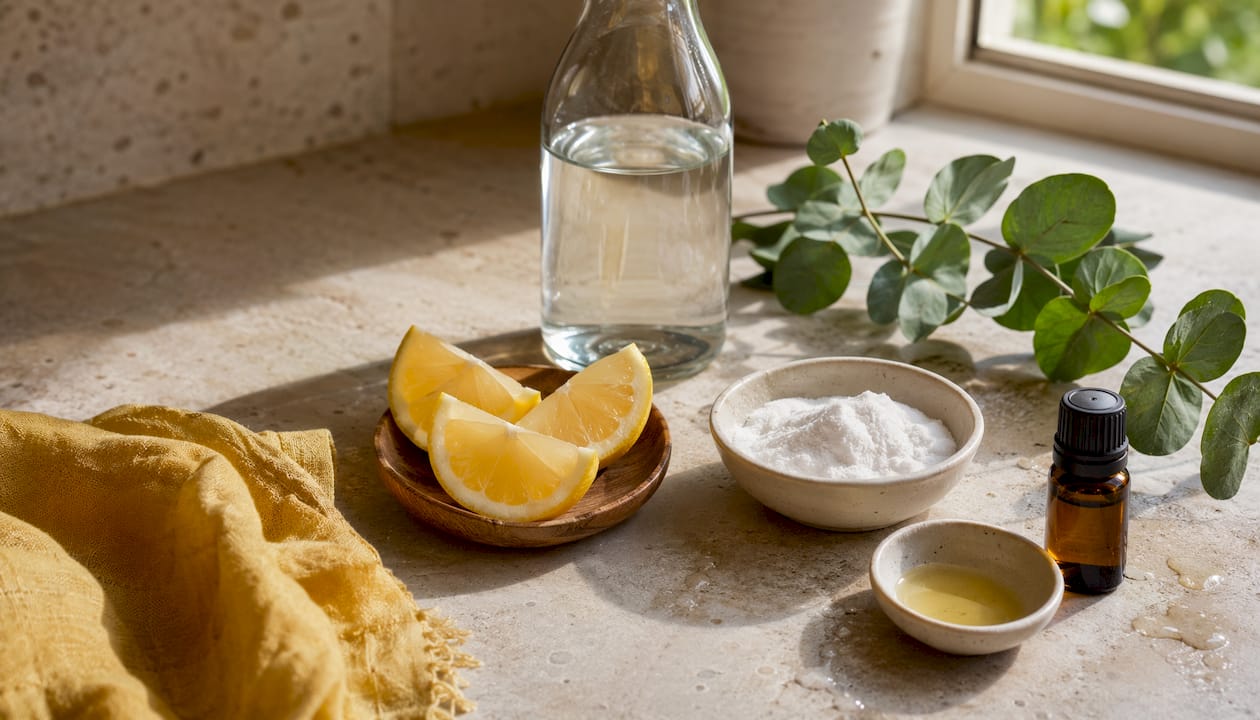
What natural ingredients actually clean your toilet?
Plant-based toilet cleaners rely on a small set of well-understood ingredients. Each one has a specific job.
- Citric acid: Dissolves hard water deposits and limescale by breaking down calcium carbonate. Kit & Kin uses it alongside lactic acid for a dual-acid approach.
- Lactic acid: Sanitises surfaces and dissolves grime. Vegan-derived lactic acid is a common choice in UK eco formulas.
- Organic acids (cider vinegar, gluconic acid): Greenscents uses organic cider vinegar and neem oil as its core antibacterial agents, with 98% certified organic ingredients.
- Plant-based surfactants: Lift dirt from the porcelain surface so it does not redeposit. Sodasan Power Gel combines these with citric acid to cling to vertical surfaces, addressing the common problem of thin natural cleaners running off before they work.
- Xanthan gum: A natural thickener derived from fermentation. Kit & Kin uses it to keep the formula in contact with the bowl rather than draining away immediately.
- Essential oils (pine, cedarwood, rosemary, eucalyptus): Neutralise odours rather than masking them, and carry mild antibacterial properties. Kit & Kin’s pine and cedarwood blend is scented with essential oils rather than synthetic fragrance.
- Neem oil: A plant-derived antibacterial agent used by Greenscents, effective against a broad range of bacteria without synthetic preservatives.
Formulas that avoid chlorine bleach, phosphates, parabens, triclosan, and synthetic fragrances protect both household health and waterways. Phosphates, in particular, cause algal blooms in rivers when they pass through sewage treatment. Natural cleaners sidestep this entirely.
Formulation type affects how well these ingredients perform. Gels cling to surfaces longer than thin liquids, giving acids more contact time. Tablets dissolve on contact with water, releasing a foaming action that spreads the formula across the bowl. Concentrated liquids need diluting but reduce the volume of product shipped.
How do product formats and packaging reduce environmental impact?
Packaging is where many conventional cleaners fail. Most standard toilet cleaners arrive in single-use virgin plastic bottles, and the formula inside is largely water. Switching format changes both problems at once.
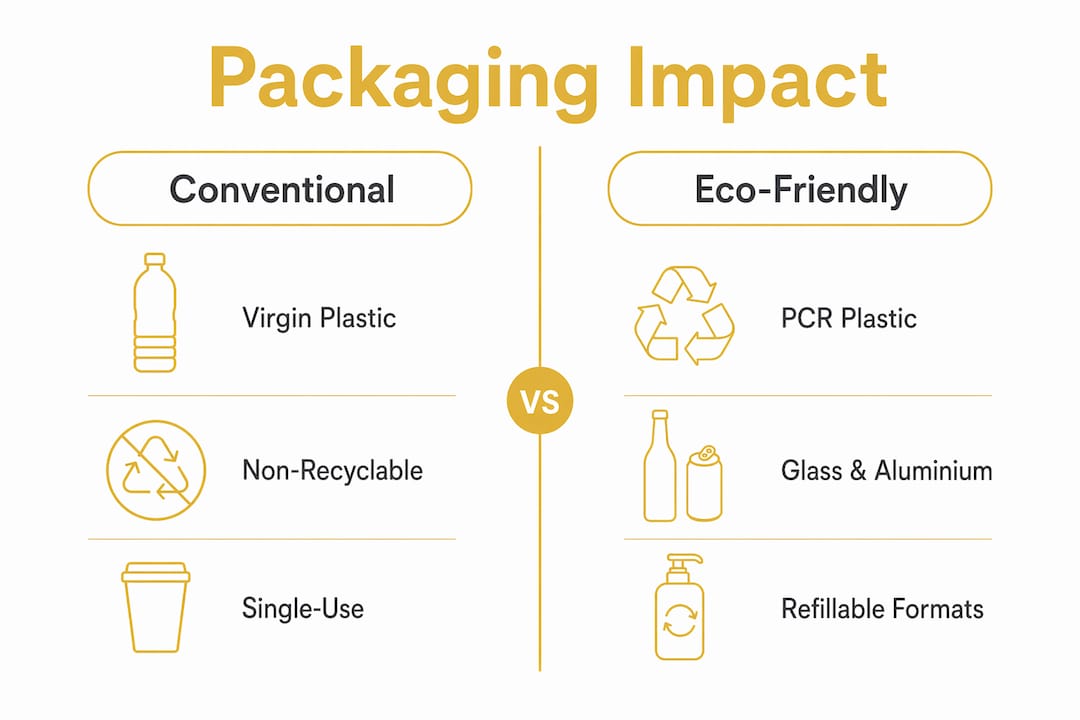
According to Which? magazine research cited by Ethical Consumer, concentrated products use significantly less plastic packaging and water compared to standard liquid cleaners. Refill pouches, such as those sold by Splosh, use 85% less plastic than standard bottles.
Key format options available in the UK:
- Dissolvable tablets (Blueland): 100% plastic-free, packaged in industrially compostable paper. Tablets take up ten times less space than a traditional bottle and refills start at $1.16 per tablet. Certified by both Cradle to Cradle and EPA Safer Choice.
- Refill pouches (Kit & Kin, Ecover): You keep the original bottle and top it up. Kit & Kin’s bottles are made from 50% rPET and 50% PCR plastic. Empty pouches can be returned to Kit & Kin for specialist recycling.
- Bulk refill containers (Bio D, Ecover, Greenscents): Sizes from 2 litres to 20 litres. Bio D uses 100% recycled plastic for its single bottles and bulk sizes. Greenscents offers a long-lasting usage supply per 20-litre refill, stored in amber glass bottles with aluminium caps.
- Concentrate formats (Ecozone): Reduce transport emissions by shipping less water. You dilute at home.
- Refill stations: Bio D, Ecover, and Greenscents all participate in refill station networks, which reduce packaging impact further than home refills alone.
Pro Tip: When comparing packaging, prioritise glass, aluminium, or post-consumer recycled (PCR) plastic over virgin recyclable plastic. A bottle labelled “recyclable” but made from virgin plastic still carries a higher carbon cost than one made from recycled material.
Certifications to look for include the EU Ecolabel, Cradle to Cradle, EPA Safer Choice, Soil Association Organic, Leaping Bunny (cruelty-free), and Vegan Society approval. These are independently verified, unlike vague “eco-friendly” marketing claims.
How to use eco-friendly toilet cleaners for the best results
Natural cleaners work differently from bleach. Bleach reacts almost instantly, while plant-based acids need time to dissolve mineral deposits. Adjusting your routine makes a real difference to results.
- Apply under the rim first. Squeeze or drop the product under the rim so it flows down the bowl. This covers the area where bacteria and limescale build up most.
- Allow adequate contact time. Natural acid-based formulas need longer to work than bleach. Leave the product in the bowl before scrubbing. For tablets, drop one in, let it fizz and spread, then brush.
- Scrub actively. A toilet brush is not optional with natural cleaners. The mechanical action breaks up deposits that acids have loosened. Greenscents specifically recommends using a brush for effective results.
- For stubborn limescale, apply the cleaner and leave it overnight. White vinegar poured directly into the bowl and left overnight also dissolves limescale effectively, as Ethical Consumer advises for homemade alternatives.
- Avoid natural stone surfaces. Kit & Kin advises against contact with natural stone or delicate surfaces. Acids can etch marble and similar materials.
- Store correctly. Greenscents recommends storage between 5°C and 25°C, away from direct sunlight. Heat degrades plant-based formulas faster than conventional ones.
- Dispose of packaging responsibly. Return refill pouches where schemes exist (Kit & Kin, Splosh). Take bulk containers to refill stations rather than recycling them after a single use.
Pro Tip: For a pet-safe and family-safe routine, choose a pet-friendly cleaning product and flush thoroughly after cleaning before allowing children or pets near the toilet. Plant-based formulas are far safer if accidentally contacted, but rinsing is still good practice.
Weekly cleaning with a natural cleaner prevents heavy build-up and means you rarely need extended contact times. Regular light cleaning is more effective than infrequent deep cleans with any formula.
How do the top UK eco brands compare?
The seven brands differ most on certifications, packaging ambition, and formulation approach. Price and performance vary too, but not always in the direction you might expect.
The canonical comparison is in the table in the opening section. Here is what distinguishes each brand in practice.
Kit & Kin is the standout performer on cleaning efficacy. Its formula is proven three times as effective as the leading non-eco brand in internal testing, using a combination of citric acid, vegan lactic acid, xanthan gum, and pine and cedarwood essential oils. The refill pouch system and rPET/PCR bottles make it one of the more complete options for families who want both performance and reduced plastic.
Blueland leads on packaging sustainability. Its dissolvable tablet format eliminates plastic entirely, with compostable paper refill packaging and dual certification from Cradle to Cradle and EPA Safer Choice. The foaming action tackles limescale, rust, and mineral deposits. Blueland is a US brand but ships to the UK, and its tablet format is genuinely unlike anything else on this list.
Bio D is the value pick. It holds strong biodegradability credentials, uses 100% recycled plastic across most of its range, and participates in refill station networks. For buyers who want certified eco performance without paying a premium, Bio D is a practical choice.
Ecover has the widest retail availability in the UK, stocking in major supermarkets alongside its own refill options. Its formula is highly biodegradable, cruelty-free, and free from harmful chemicals. The brand’s long track record since 1980 gives it credibility that newer entrants are still building.
Ecozone focuses on concentrate and bulk refill formats, which suit households that want to minimise both plastic and per-use cost. Its plant-based formula is vegan and biodegradable.
Sodasan Power Gel solves a real problem: most natural liquid cleaners are too thin to stay on vertical surfaces. Its gel formula, certified by NCP and registered with the Vegan Society and PETA, clings under the rim and is free from synthetic dyes, preservatives, fragrances, petrochemicals, and microplastics.
Nature Clean offers a foaming liquid in slim recyclable paper packaging, with a biodegradable, non-toxic formula specifically noted as pet-safe. It suits households where pet safety is the primary concern.
On price, Blueland’s tablet refills and Bio D’s bulk sizes offer the lowest per-use cost over time. Kit & Kin sits at a mid-range price point but the refill system reduces ongoing spend. Ecover’s supermarket availability means it is easy to find on promotion.
What do sustainability experts say about eco toilet cleaners?
Choosing a plant-based formula is a good start, but Ethical Consumer’s guidance makes clear that the most impactful steps go further than the product itself.
- Refill stations beat home refills. Large containers at refill stations reduce packaging impact more than buying refill pouches at home, because the container is reused many times rather than recycled once.
- Bulk buying reduces transport emissions. A 20-litre container shipped once has a lower carbon cost per use than twenty 1-litre bottles shipped separately.
- Lifecycle matters beyond biodegradability. A formula that biodegrades quickly but arrives in virgin plastic still carries a significant environmental cost. Experts and the Fillaree 2024 waste recovery report both prioritise glass, aluminium, and post-consumer recycled plastics over virgin recyclable plastic.
- Greenwashing is common. Many products carry vague “eco” or “natural” labels with no independent verification. Third-party certifications, including Soil Association, Leaping Bunny, Cradle to Cradle, and EU Ecolabel, confirm that claims have been checked. Ethical Consumer flags this risk explicitly and recommends verifying certifications before buying.
- Homemade alternatives are genuinely effective. White vinegar left overnight dissolves limescale. Borax substitute and soda crystals clean and deodorise. These options produce zero packaging waste and cost very little.
- Animal testing is a separate issue from eco credentials. The UK banned testing of finished household products on animals in 2015, but ingredient-level testing by suppliers continues. Leaping Bunny certification covers the full supply chain, not just the finished product.
The brands that score highest on a full sustainability assessment, including packaging, certifications, animal welfare, and supply chain transparency, are those offering refill station access, bulk sizes in recycled or glass containers, and independently verified cruelty-free status. Bio D, Ecover, and Greenscents all meet this standard. Blueland’s plastic-free tablet system addresses packaging more radically than any liquid format can.
For a broader look at natural cleaning solutions that work across the home, including for families with pets, the principles are the same: verified ingredients, minimal packaging, and a refill or concentrate format where possible.
Thezoofamily and sustainable living for families
Thezoofamily’s mission connects directly to the values behind choosing a sustainable toilet cleaner. The brand plants one tree for every camera sold, and its products, including kids’ cameras, walkie-talkies, and binoculars, are designed to build children’s curiosity about the natural world. Every purchase supports that goal.
If you are already making eco-conscious choices in your cleaning routine, Thezoofamily offers a way to extend that thinking to how your children engage with nature. Products built around animal references and outdoor exploration give children a reason to care about the environment they are helping to protect. You can find the full range and learn more about the tree-planting initiative at Thezoofamily’s website. For families looking at the full picture of sustainable home and family choices, the family guide to eco cleaning is a practical next step.
Key takeaways
The most effective environmentally friendly toilet bowl cleaners combine plant-based acids, certified packaging, and refill systems to cut both chemical and plastic impact.
| Point | Details |
|---|---|
| Concentrates and tablets cut waste most | Concentrated products use significantly less plastic packaging and water compared to standard liquid cleaners, per Which? magazine. |
| Contact time is critical | Natural acid-based formulas need longer dwell time than bleach; always scrub actively for best results. |
| Certifications verify real claims | Look for Soil Association, Leaping Bunny, Cradle to Cradle, or EU Ecolabel to confirm eco and cruelty-free credentials. |
| Refill stations beat home refills | Bulk refill at a station reduces packaging impact further than buying individual refill pouches at home. |
| Thezoofamily | Thezoofamily plants one tree per camera sold, connecting sustainable family choices to direct environmental action. |