

Every british family discards hundreds of recyclable items each year, yet only a small fraction find creative second lives. Finding ways to turn rubbish into art and useful projects helps children develop both skills and environmental awareness. With everyday materials and imagination, you can make activities like bottle cap art and homemade bird feeders both fun and meaningful—helping your family reduce waste while teaching kids valuable lessons about sustainability.
Table of Contents
- Start a Bottle Cap Art Project with Kids
- Turn Old Jars into Colourful Plant Pots
- Create DIY Bird Feeders from Recycled Bottles
- Make Toy Storage Boxes from Cardboard
- Craft Animal Masks Using Old Magazines
- Reuse Fabric Scraps for DIY Decorations
- Grow Herbs in Upcycled Food Containers
Quick Summary
| Takeaway | Explanation |
|---|---|
| 1. Collect diverse materials for creativity | Gather items like bottle caps and jars to maximise artistic possibilities and environmental benefits. |
| 2. Teach children about environmental responsibility | Engaging in upcycling activities helps instill awareness of waste reduction and the importance of recycling. |
| 3. Customise projects to spark interest | Choosing themes or personalised designs for crafts enhances children’s engagement and enjoyment in the creative process. |
| 4. Incorporate fun sorting games | Sorting materials by colour or size can make preparation enjoyable while also enhancing organisational skills. |
| 5. Upcycle food containers for gardening | Transforming food containers into herb pots allows children to learn about plant growth and sustainability. |
1. Start a Bottle Cap Art Project with Kids
Transforming everyday recycling materials into creative masterpieces is an extraordinary way to spark imagination while teaching environmental consciousness. Bottle cap art provides an engaging activity that transforms what would typically be discarded waste into vibrant, colourful projects that children will adore.
This hands-on craft not only develops fine motor skills but also introduces young minds to the concept of upcycling. By collecting plastic bottle caps in various colours and sizes, you can create delightful art pieces that serve as meaningful keepsakes. Crafting unique projects like mosaics and animal figures allows children to explore their creativity while understanding the importance of recycling.
Practical Steps for Your Bottle Cap Art Project:
- Collect Diverse Bottle Caps: Gather clean bottle caps from soft drinks, water bottles, and other household containers
- Sanitise Thoroughly: Wash caps in warm soapy water and dry completely
- Select a Creative Theme: Choose projects like animal characters, colourful landscapes, or decorative wall art
- Prepare Your Workspace: Use a sturdy cardboard base or canvas as your foundation
The magic happens when children realise they can transform seemingly mundane objects into extraordinary artistic expressions. Not only do they develop spatial reasoning and artistic skills, but they also learn valuable lessons about environmental responsibility.
Pro Tip: Encourage your children to sort caps by colour and size, turning the preparation process into a fun sorting game that enhances their organisational skills while making art creation more enjoyable.
2. Turn Old Jars into Colourful Plant Pots
Upcycling household items transforms waste into wonderful gardening opportunities right in your own home. Old glass jars can become stunning plant pots that add character and sustainability to your living spaces.
DIY home gardening techniques offer creative ways to repurpose glass containers into charming mini gardens. By reimagining these everyday objects, you not only reduce waste but also create unique decor that reflects your environmental consciousness.
Materials You Will Need:
- Clean glass jars of various sizes
- Acrylic paints or spray paints
- Decorative twine or ribbon
- Potting soil
- Small plants or succulents
- Paintbrushes
- Glue gun (optional)
Step by Step Transformation:
- Thoroughly clean and dry your glass jars
- Choose a colour palette that complements your home decor
- Paint the exterior of jars using acrylic or spray paints
- Allow paint to dry completely
- Optional: Wrap twine around jar edges for added texture
- Fill with potting soil and plant small greenery
The beauty of this project lies in its simplicity and versatility. Succulents work particularly well in these miniature gardens, requiring minimal maintenance while adding a touch of natural elegance to any room.
Pro Tip: Select plants that thrive in small containers and consider the amount of natural light in your chosen display area. Some plants require more sunlight than others, so placement matters immensely.
3. Create DIY Bird Feeders from Recycled Bottles
Turning plastic bottles into wildlife support systems is a brilliant way to teach children about environmental stewardship and local ecosystem preservation. By crafting simple bird feeders, you transform potential waste into a crucial resource for neighbourhood wildlife.
Bird feeders constructed from recycled materials offer multiple benefits. They provide essential nutrition for local bird populations during challenging seasons while simultaneously educating children about wildlife conservation and sustainable practices.
Materials You Will Need:
- Clean plastic bottles with caps
- Wooden spoons or dowel rods
- Sharp scissors or craft knife
- Waterproof twine or strong string
- Permanent markers
- Bird seed
Step by Step Construction:
- Thoroughly clean the plastic bottle
- Create small feeding holes using scissors
- Insert wooden spoons as perching spots
- Attach hanging string at the bottle neck
- Fill with appropriate bird seed
- Hang in a safe outdoor location
Pro Tip: Position your bird feeder away from potential predator hiding spots like dense bushes. Choose locations with clear visibility that allow birds to feel safe while feeding.
This simple project transforms an ordinary recycling item into a vibrant ecosystem support system. Your children will learn valuable lessons about wildlife care while developing practical crafting skills and understanding environmental responsibility.
4. Make Toy Storage Boxes from Cardboard
Transforming ordinary cardboard boxes into personalised toy storage solutions offers an exciting opportunity to reduce waste while creating functional home organisation. Recycling practices that reimagine everyday materials can turn mundane packaging into creative storage solutions that children will adore.
Cardboard provides an excellent medium for crafting storage boxes that are lightweight, customisable, and environmentally friendly. By involving your children in the design and decoration process, you transform a simple recycling project into an engaging family activity that teaches valuable lessons about sustainability.
Materials You Will Need:
- Clean cardboard boxes of various sizes
- Craft knife or scissors
- Colourful acrylic paints
- Paintbrushes
- Decorative washi tape
- Ruler
- Marker pen
Step by Step Creation:
- Select sturdy cardboard boxes from recent deliveries
- Carefully reinforce box edges with additional cardboard strips
- Cut decorative edges or handles if desired
- Paint the exterior in bright child friendly colours
- Decorate with stickers or personalised designs
- Allow complete drying before use
Pro Tip: Consider adding name labels or themed decorations that match your child’s interests. This personalisation makes storage feel like a special project rather than a chore.
By repurposing cardboard, you teach children about resourcefulness while creating practical storage solutions that reduce household waste. Each box becomes a unique piece of functional art crafted through creativity and environmental consciousness.
5. Craft Animal Masks Using Old Magazines
Turning forgotten magazines into imaginative animal masks represents a delightful way to combine creativity recycling and playful learning. This project transforms discarded reading materials into engaging craft experiences that spark children’s artistic expression and environmental awareness.
Creating animal masks from magazine pages teaches valuable skills like spatial reasoning scissors skills and artistic composition. Children learn to see potential in materials typically destined for the recycling bin while developing fine motor capabilities and imaginative thinking.
Materials You Will Need:
- Old magazines with colourful pages
- Scissors
- Elastic string
- Craft glue
- Cardboard for mask base
- Hole punch
- Decorative elements like sequins or buttons
Step by Step Creation:
- Select magazines with vibrant colour pages
- Cut out interesting colour sections and patterns
- Draw basic animal face shape on cardboard
- Carefully layer and glue magazine pieces
- Add details like eyes and facial features
- Attach elastic string for wearing
Creative Animal Mask Ideas:
- Lion with golden yellow magazine sections
- Zebra using black and white text pages
- Butterfly with multicoloured magazine wings
- Panda using monochrome magazine images
Pro Tip: Encourage children to think about animal characteristics when designing their masks. Which colours and patterns best represent each creature?
This activity transforms passive recycling into an active creative experience that connects children with artistic expression and environmental consciousness.
6. Reuse Fabric Scraps for DIY Decorations
Every stitch of leftover fabric represents an opportunity for creativity and environmental responsibility. Reducing household waste through innovative recycling practices transforms seemingly insignificant textile remnants into delightful home decorations.
Fabric scraps offer endless potential for crafting unique items that reflect personal style while minimising textile waste. By reimagining these small pieces, you can create decorative elements that are both sustainable and aesthetically pleasing.
Materials You Will Need:
- Assorted fabric scraps
- Fabric scissors
- Needle and thread
- Fabric glue
- Embroidery hoop
- Buttons
- Decorative ribbons
Creative Project Ideas:
- Patchwork cushion covers
- Wall hanging art
- Decorative bunting
- Fabric flower brooches
- Embellished picture frames
- Small decorative garlands
- Textile bookmarks
Sorting Strategy:
- Organise scraps by colour and texture
- Select complementary fabric pieces
- Plan your decoration design
- Cut precise shapes
- Arrange before final attachment
Pro Tip: Smaller fabric pieces can be combined into intricate designs. Think of them like a puzzle where each scrap contributes to a beautiful larger picture.
This approach to crafting not only reduces textile waste but also encourages creative thinking and mindful consumption among family members.
7. Grow Herbs in Upcycled Food Containers
Transforming everyday kitchen containers into thriving herb gardens represents a brilliant intersection of sustainability and culinary creativity. Container gardening techniques offer urban dwellers and families an accessible method to grow fresh herbs without requiring extensive outdoor space.
Upcycled food containers provide an ingenious solution for growing herbs right in your kitchen. Yoghurt pots, tin cans, and plastic containers can be repurposed into miniature gardens that produce fresh flavourings for your favourite dishes while teaching children about plant growth and environmental responsibility.
Materials You Will Need:
- Clean food containers
- Potting soil
- Herb seeds or seedlings
- Drainage material (small stones)
- Scissors
- Permanent marker
- Waterproof paint (optional)
Herb Selection for Beginners:
- Basil
- Mint
- Chives
- Parsley
- Coriander
- Thyme
- Rosemary
Container Preparation Steps:
- Clean containers thoroughly
- Create drainage holes in bottom
- Add small stones for drainage
- Fill with quality potting soil
- Plant herbs
- Position in sunlight
- Water regularly
Pro Tip: Label each container with the herb name and planting date. This helps children track plant progress and understand growth cycles.
By converting food containers into herb gardens, you create an interactive learning experience that connects children with nature sustainable practices and the joy of growing their own food.
Below is a comprehensive table summarizing the creative and environmentally friendly craft projects described in the article.
| Project | Materials & Preparation | Benefits |
|---|---|---|
| Bottle Cap Art | Collect and sanitise bottle caps; select a theme and prepare the workspace. | Develops fine motor skills and teaches upcycling. |
| Jar Plant Pots | Clean jars, paint, and fill with soil and plants. | Creates sustainable decor and reduces waste. |
| Bird Feeders | Clean plastic bottles, make holes, and fill with seed. | Supports local wildlife and teaches conservation. |
| Toy Storage Boxes | Reinforce and decorate cardboard boxes. | Reduces waste and encourages organisational skills. |
| Animal Masks | Use magazines for colourful designs and attach an elastic string. | Enhances artistic expression and recycling awareness. |
| Fabric Scrap Decorations | Sort and fashion scraps into decorative items. | Encourages creativity and reduces textile waste. |
| Herb Gardens | Prepare containers, add soil and plant seeds. | Provides fresh herbs and teaches plant growth. |
Inspire Eco-Friendly Creativity and Nature Connections with The Zoofamily
If you loved exploring these 7 creative recycling ideas that boost environmental responsibility and encourage imaginative play you will appreciate how The Zoofamily champions similar values through their innovative kids’ products. This article highlights the challenge many eco-conscious mums face finding activities that both educate children about sustainability and spark their creativity while fostering a connection with nature. The Zoofamily meets this need with carefully designed cameras walkie-talkies and binoculars featuring animal references that engage young minds through hands-on exploration and storytelling.
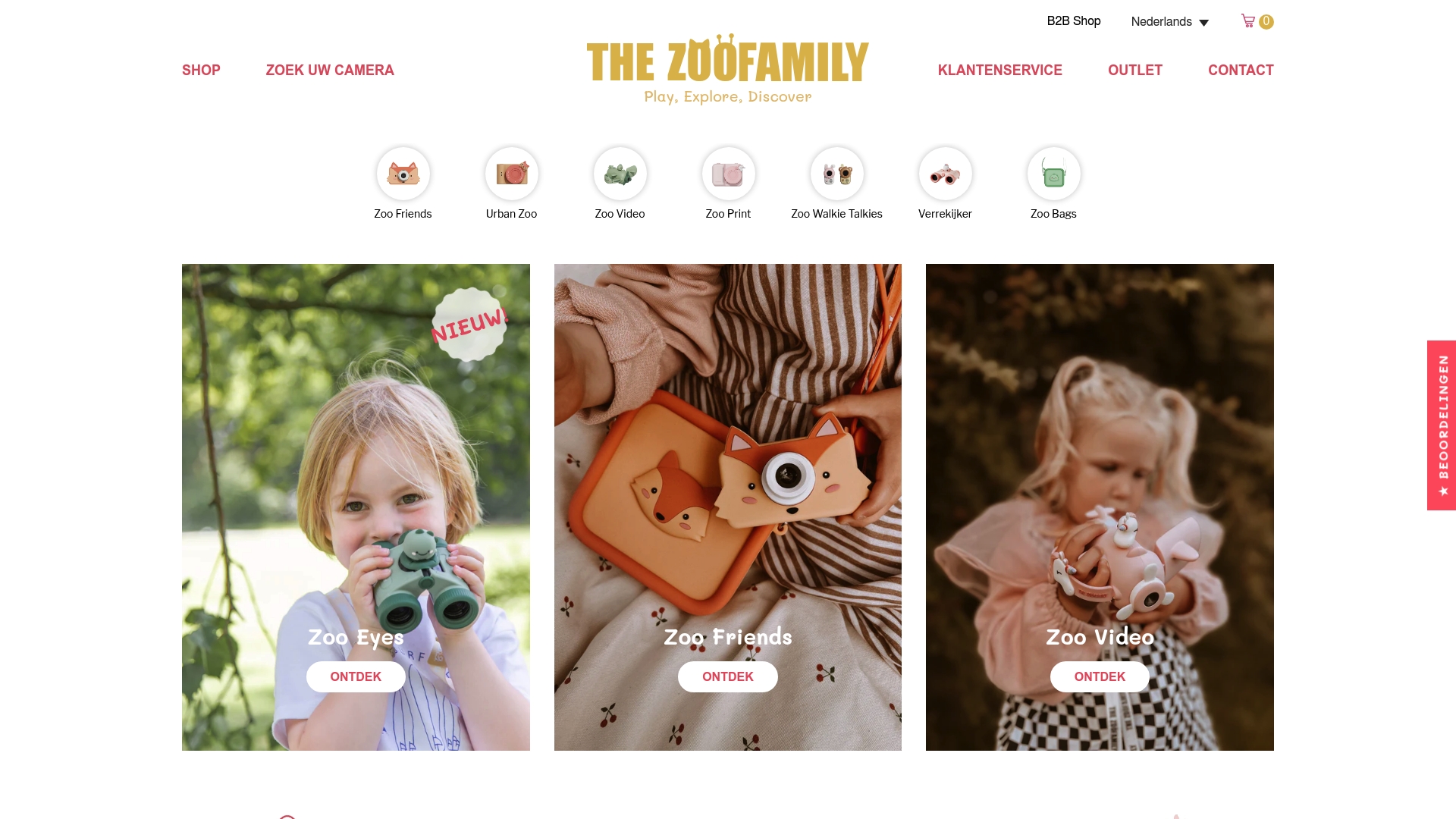
Discover how you can deepen your child’s bond with the natural world while nurturing their creativity by visiting The Zoofamily. Every item you purchase supports tree planting to help restore natural beauty for future generations. Embrace the opportunity to empower your children with meaningful play experiences that celebrate environmental stewardship. Start your journey today and turn caring for the planet into a shared joyful adventure with your family.
Frequently Asked Questions
What are some simple recycling projects I can do with my children?
Recycling projects like making bottle cap art, DIY bird feeders from plastic bottles, or turning old jars into plant pots are great choices. Start by collecting materials you have at home and plan a crafting session to create these fun projects together.
How can I involve my kids in the recycling process at home?
Encourage your children to help sort recyclable items like paper, plastic, and fabric scraps. Set up designated bins and turn it into a fun game where they can earn stickers or small rewards for completing their sorting tasks.
What materials are best for creating DIY decorations?
You can use an array of materials such as leftover fabric scraps, old magazines, or clean food containers for DIY decorations. Gather these items together and brainstorm creative projects that can be made from them, like patchwork cushions or decorative masks.
How do I start an herb garden with recycled food containers?
To start an herb garden using recycled food containers, clean them thoroughly and make drainage holes at the bottom. Fill them with potting soil, plant your herbs, and place them in sunlight, watering them regularly to ensure healthy growth.
What are the benefits of upcycling crafts for children?
Upcycling crafts teach children about environmental responsibility while enhancing their creativity and fine motor skills. Involve your kids in projects that transform ordinary items into something new, and watch them develop problem-solving abilities as they create unique pieces.