

Every parent faces that moment when another plastic toy just feels wrong, especially living in the heart of France, Germany, or Belgium. With more than 60 percent of urban families now choosing nature-focused experiences over traditional gifts, the british trend toward meaningful adventures grows every year. This guide uncovers creative, eco-friendly ideas perfect for urban parents who want to inspire curiosity while building a true bond between their children and the natural world.
Table of Contents
- Eco-Friendly Adventure Days in Local Parks
- Creative Wildlife Photography with Kids’ Cameras
- Family Tree Planting and Nature Restoration
- Binocular Nature Hunts for Young Explorers
- Walkie-Talkie Team Activities for Outdoor Play
- Hands-On Animal Encounters with Local Rescues
- Nature Crafts Workshops Using Sustainable Materials
Quick Summary
| Key Message | Explanation |
|---|---|
| 1. Plan Eco-Friendly Adventure Days | Select local parks with diverse features for environmental education and family bonding. Equip children with observation tools for enhanced exploration. |
| 2. Encourage Creative Wildlife Photography | Use child-friendly cameras to foster observational skills and emotional engagement with nature, while capturing the beauty of local wildlife and ecosystems. |
| 3. Participate in Tree Planting | Involve children in selecting and planting native trees to promote ecological responsibility and understand local biodiversity and ecosystem relationships. |
| 4. Engage in Nature Scavenger Hunts | Create structured nature hunts with checklists to develop children’s observational skills and deepen their respect for wildlife habitats and ecosystems. |
| 5. Explore Hands-On Animal Encounters | Visit local wildlife rescues for supervised animal interactions, focusing on empathy, conservation education, and responsible human-animal relationships. |
1. Eco-Friendly Adventure Days in Local Parks
Eco-friendly adventure days transform ordinary park visits into extraordinary learning experiences for nature-loving children. By encouraging direct interaction with local green spaces, families can nurture environmental awareness while creating memorable shared moments.
Local parks offer remarkable opportunities for sustainable outdoor education that goes beyond traditional recreational activities. These spaces become living classrooms where children can observe wildlife, understand ecosystem interactions, and develop genuine respect for natural environments.
Planning an eco-friendly adventure day requires thoughtful preparation. Start by selecting nearby parks with diverse natural features like woodland areas, meadows, or water features. Equip your children with simple observation tools such as field notebooks, magnifying glasses, and binoculars to enhance their exploration.
Encourage interactive learning through engaging activities like nature scavenger hunts, bird watching, leaf identification, or tracking small animal signs. These activities help children develop observational skills while fostering a deep connection with their local environment. Consider creating a simple wildlife tracking sheet where kids can document their discoveries and learn about local biodiversity.
To minimise environmental impact, teach children fundamental principles of responsible park visits. This includes staying on designated trails, avoiding disruption to wildlife habitats, collecting any rubbish they encounter, and respecting plant and animal life. These lessons extend beyond the park visit and help children become conscientious environmental stewards.
Pro tip: Pack reusable water bottles, biodegradable snacks, and a small bag for collecting any litter to make your park adventure both enjoyable and environmentally responsible.
2. Creative Wildlife Photography with Kids’ Cameras
Capturing wildlife through a child’s lens transforms an ordinary family outing into an extraordinary journey of discovery and environmental connection. Wildlife photography enhances emotional engagement with nature in ways traditional observation cannot match.
Children possess an extraordinary ability to see the world differently. When equipped with kid-friendly cameras, they become intrepid explorers documenting the intricate details of natural environments. These cameras enable young photographers to develop observational skills while building a profound appreciation for local wildlife and ecosystems.
Start by selecting a camera specifically designed for children those with robust construction, simple controls, and child-friendly ergonomics. Teach basic photography principles like framing, focus, and patience. Encourage your child to capture not just animals but also their habitats landscapes, plant life, and environmental context.
Creative wildlife photography sessions can become structured learning experiences. Develop exciting challenges such as photographing different bird species, documenting insect life cycles, or capturing seasonal changes in local green spaces. These activities transform photography from a mere hobby into an immersive educational adventure.
Remember that the goal extends beyond beautiful images. Each photograph represents a moment of connection a child’s unique perspective on the natural world. Discuss the images together examining details, identifying species, and understanding the broader ecological relationships captured in their photographs.
Pro tip: Invest in a small field guide or wildlife identification app to help children learn about the creatures they photograph and transform their photography into an interactive learning experience.
3. Family Tree Planting and Nature Restoration
Tree planting represents a powerful opportunity for families to contribute directly to environmental restoration and climate action. Sustainable tree restoration strategies offer meaningful ways for children to understand ecological responsibility and participate in global conservation efforts.
Engaging children in tree planting transforms an environmental activity into an educational adventure. By selecting appropriate native species and understanding local ecosystem requirements, families can create lasting positive impact. This hands on approach teaches children about biodiversity local plant species and the intricate relationships within natural environments.
Begin by researching native tree species suitable for your specific region. Consider factors such as soil type local climate and existing vegetation. Involve children in every stage selecting saplings preparing planting sites and understanding the long term care requirements for young trees. This process helps develop their scientific curiosity and environmental stewardship.
Document your tree planting journey through photographs videos or a family nature journal. Create a dedicated space to track the trees growth measure its progress and discuss the environmental benefits. This approach transforms tree planting from a single event into an ongoing learning experience that connects children with natural cycles and ecological processes.
Understand that successful tree planting extends beyond simply putting a sapling in the ground. Learn about water management soil health and appropriate nurturing techniques. Teach children about the broader ecological implications how each tree contributes to carbon sequestration habitat creation and local biodiversity.
Pro tip: Contact local environmental organisations or forestry departments who often provide free native saplings and can offer expert guidance on sustainable tree planting in your specific region.
4. Binocular Nature Hunts for Young Explorers
Binocular nature hunts transform ordinary outdoor experiences into extraordinary adventures of discovery for children. Nature scavenger hunts stimulate children’s curiosity while developing critical observation and scientific exploration skills.
These hunts are far more than simple walking trips. They represent immersive learning experiences where children become wildlife detectives equipped with binoculars to uncover the hidden mysteries of natural environments. By encouraging systematic observation children develop patience attention to detail and a profound respect for wildlife habitats.
Design your nature hunt with specific objectives. Create a simple wildlife spotting checklist featuring local birds insects small mammals or plant species. Include challenges like identifying different bird calls counting specific types of wildlife or documenting unique environmental features. This approach transforms passive observation into active scientific exploration.
Teach children fundamental binocular techniques such as steady holding proper focusing and scanning techniques. Explain how to minimise environmental disturbance while observing wildlife. Discuss the importance of quiet movements and respectful distance from animals to ensure both human safety and animal comfort.
Encourage documentation through lightweight field journals where children can sketch wildlife record observations and note interesting environmental details. This practice helps develop scientific documentation skills and creates lasting memories of their outdoor explorations.
Pro tip: Select binoculars specifically designed for children with lightweight construction comfortable grip and appropriate magnification to ensure an engaging and accessible nature exploration experience.
5. Walkie-Talkie Team Activities for Outdoor Play
Walkie-talkie team activities transform ordinary outdoor play into extraordinary collaborative experiences that develop children’s communication and strategic thinking skills. Interactive outdoor games using technology provide unique opportunities for family bonding and skill development.
These activities go beyond simple communication. Walkie-talkies become tools for adventure teaching children about teamwork effective communication and problem solving in exciting outdoor contexts. By creating structured games children learn to collaborate share information and work towards common objectives while enjoying active play.
Consider designing team activities that require strategic communication. Games like advanced hide and seek treasure hunts or nature exploration missions can be dramatically enhanced with walkie-talkies. One child might act as a navigator providing directional clues while another follows the instructions developing listening skills and spatial awareness.
Encourage different roles within these activities to maximise learning potential. One child could be the mission coordinator another the scout and others the explorers. This approach helps children understand the importance of diverse skills and how different team members contribute to overall success. Each role becomes an opportunity to develop leadership communication and cooperative skills.
Safety remains paramount during these activities. Establish clear ground rules about walkie-talkie usage set boundaries for play areas and ensure adult supervision. Teach children proper communication etiquette including using clear concise language and taking turns speaking.
Pro tip: Create a family communication code with fun unique phrases that make walkie-talkie communication more engaging and help children practice clear concise communication skills.
6. Hands-On Animal Encounters with Local Rescues
Hands-on animal encounters with local wildlife rescues offer transformative experiences that connect children deeply with nature and animal welfare. Psychological restoration through wildlife interactions provides profound opportunities for emotional and educational growth.
These carefully managed encounters are more than simple animal interactions. They represent powerful educational moments where children learn empathy respect for wildlife and understand the critical role of animal conservation. Local rescues serve as living classrooms teaching children about animal rehabilitation environmental stewardship and responsible human animal relationships.
Research local wildlife rescue centres that offer supervised interaction programmes. These might include feeding rehabilitation centre residents learning about animal recovery processes or participating in supervised gentle interactions. Always prioritise the animals well being and follow strict centre guidelines. Look for programmes specifically designed for families with children ensuring safe controlled environments.
Prepare children beforehand by discussing appropriate behaviour around rescued animals. Teach them about quiet movements gentle approaches and the importance of respecting animal boundaries. Explain that many rescued animals are recovering from injury or trauma and require sensitive handling. This preparation transforms the encounter from a simple visit into a meaningful learning experience.
Document the experience through photography or journalling. Encourage children to reflect on what they learned about each animal its story and the rescue process. These reflections help solidify the educational value of the encounter and develop lasting compassion for wildlife.
Pro tip: Contact local wildlife rescues in advance to understand their specific child friendly programmes and age appropriate interaction opportunities.
7. Nature Crafts Workshops Using Sustainable Materials
Nature crafts workshops transform creative expression into powerful environmental education experiences for families. Sustainable crafting practices promote eco conscious creativity by connecting children directly with natural materials and conservation principles.
These workshops are far more than simple art projects. They represent immersive learning experiences where children discover the intricate relationships between creativity environmental responsibility and cultural heritage. By using sustainable locally sourced materials children learn to see natural resources as precious collaborative canvases rather than disposable commodities.
Begin by collecting natural materials responsibly. This might include fallen leaves twigs seashells pine cones or recycled paper. Teach children about the importance of gathering materials without disrupting ecosystems. Discuss how each material has a story and how responsible collection supports environmental stewardship.
Design workshops that encourage exploration and imagination. Create projects like pressed flower bookmarks nature collages seed paper making or biodegradable sculpture workshops. Each activity becomes an opportunity to discuss ecological principles material lifecycles and human environmental interactions. Emphasise the creative potential of sustainable materials while developing critical thinking skills.
Document the workshop experience through photography journalling or creating a family nature craft portfolio. This helps children reflect on their creative process understand the origin of their materials and appreciate the beauty of sustainable artistic expression.
Pro tip: Research local nature centres botanical gardens or environmental education programmes that offer guided sustainable craft workshops as enriching family experiences.
Below is a comprehensive table highlighting the eco-friendly approaches and initiatives for family outdoor activities and environmental education as discussed in the article.
| Activity | Implementation Steps | Benefits |
|---|---|---|
| Eco-Friendly Adventure Days | Select local parks; equip children with observation tools; conduct interactive activities like scavenger hunts. | Encourages environmental awareness and nurtures a connection with nature. |
| Wildlife Photography | Provide child-friendly cameras; teach basic photography principles; engage in challenges for documenting flora and fauna. | Promotes observational skills and emotional engagement with biodiversity. |
| Family Tree Planting | Research native species; plan and execute planting; document tree growth and environmental benefits. | Contributes to environmental restoration and teaches ecological responsibility. |
| Binocular Nature Hunts | Design scavenger hunts with objectives; educate on binocular usage; encourage observational documentation. | Develops curiosity, science skills, and respect for wildlife. |
| Walkie-Talkie Team Activities | Create teamwork-based outdoor games; assign roles within teams; ensure safety and communication etiquette. | Enhances collaboration and strategic thinking among participants. |
| Hands-On Animal Encounters | Partner with local rescues; prepare children for responsible interaction; document experiences. | Fosters empathy towards animals and understanding of conservation efforts. |
| Nature Crafts Workshops | Collect sustainable materials; conduct creative workshops; integrate ecological principles into crafting. | Combines creativity with environmental stewardship and cultural heritage appreciation. |
Inspire Nature-Loving Kids with Thoughtful Family Experience Gifts
The article highlights how families face the rewarding challenge of nurturing children’s deep connection to nature while teaching environmental responsibility. Key goals include fostering creative outdoor learning, enhancing observation skills through tools like binoculars and kids’ cameras, and making nature discovery accessible and fun. Your family can overcome common hurdles such as finding engaging, eco-friendly activities and meaningful gifts that spark curiosity about wildlife and conservation.
At The Zoofamily, we understand these needs intimately. That is why we design innovative kids’ cameras and binoculars that not only encourage exploration but also ignite a lasting passion for protecting our planet. Each animal reference is crafted to boost children’s interest in the natural world, while every camera sold results in a tree being planted, helping to restore the very environments your family cherishes. This is more than a gift. It is an invitation to make memories that nurture environmental stewardship and inspire future generations.
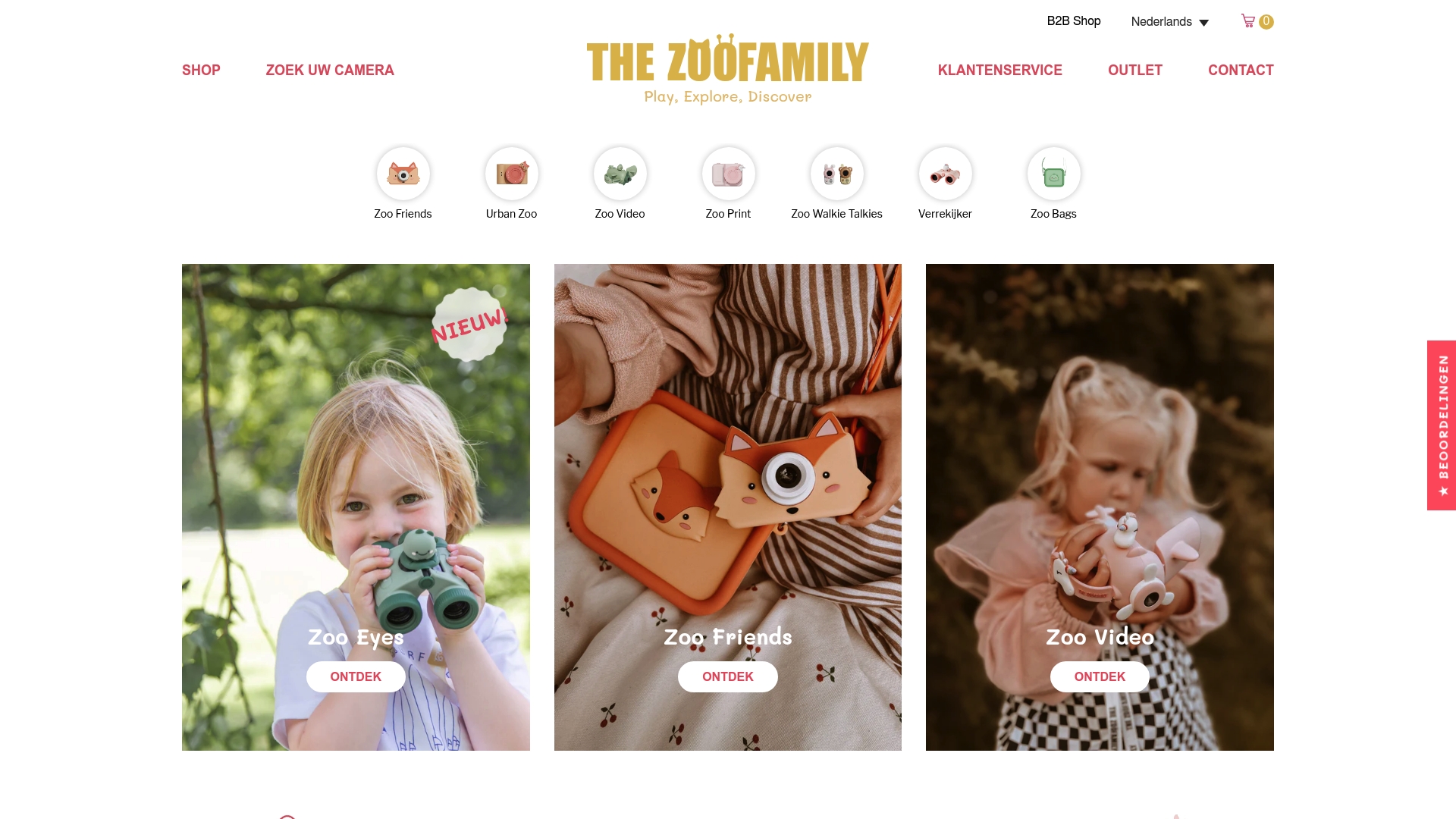
Discover how your gift can transform outdoor adventures and create meaningful connections to nature today at The Zoofamily. Act now to equip your young explorers with tools that make learning joyful and impactful, while contributing to a greener tomorrow.
Frequently Asked Questions
What are the best experience gifts for nature-loving kids?
Experience gifts that resonate with nature-loving kids include eco-friendly adventure days, wildlife photography sessions, tree planting activities, and animal encounters at local rescues. These gifts foster a love for the environment while providing hands-on, educational experiences.
How can I plan an eco-friendly adventure day for my children?
To plan an eco-friendly adventure day, select a local park with diverse natural features and prepare a list of engaging activities like scavenger hunts or bird watching. Equip your children with observation tools, ensuring a mix of fun and learning to deepen their connection to nature.
What skills can children develop through wildlife photography?
Children can develop observational skills, patience, and an appreciation for local ecosystems through wildlife photography. Encourage them to capture not only animals but also their habitats and environmental settings, deepening their understanding of the natural world.
How do I choose the right tree species for planting with my family?
When choosing tree species for planting, research native trees suitable for your area based on local climate and soil conditions. Involve your children in selecting and preparing for planting, promoting ongoing education about biodiversity and environmental stewardship.
What can we learn from hands-on animal encounters with local wildlife rescues?
Hands-on animal encounters at local wildlife rescues teach children empathy, respect for wildlife, and the importance of conservation. Before visiting, discuss proper behaviour to ensure sensitive and safe interactions that enhance their appreciation for these animals.
How can we incorporate sustainable materials into nature crafts workshops?
Incorporate sustainable materials into nature crafts workshops by responsibly collecting items such as fallen leaves, twigs, or seashells without disrupting ecosystems. Use these materials to create projects that allow children to explore their creativity while learning about environmental responsibility.
Recommended
- Eco-Friendly Gifts for Children: Inspire Nature Connection – The Zoofamily
- Eco-Friendly Gifts for Children: Inspire Nature Connection – The Zoofamily
- Raconter Voyage Nature Enfants : Stimuler La Curiosité – The Zoofamily
- Meilleurs gadgets plein air enfants – Comparatif 2025 – The Zoofamily
- 7 Essential Tips for Planning Family Friendly Safaris