

The best family rafting vacation matches trip length and river class to your children’s ages, not the other way round. Gentle day floats on Class I–II water suit families with children aged 3 to 6, short two to three day trips with beach camps work for ages 7 to 12, and longer wilderness expeditions of four to six days reward families with older kids or teens who already love the outdoors.
A handful of trips consistently show up as strong family matches:
- ROW Adventures’ Family Magic on the Salmon River, Idaho, built specifically for younger children with a dedicated kids’ programme.
- Western River Expeditions on the Grand Canyon or Green River, good for families wanting a bigger wilderness experience with strong safety infrastructure.
- OARS family trips, which run across multiple rivers with age-banded itineraries.
- South Fork American River day trips, ideal for a first rafting taste without committing to camping.
- Green River – Desolation Canyon, suited to families who want scenery and calmer water over adrenaline.
Pro Tip: Minimum age listed on a website is often the summer, low-water figure. Call before booking if you’re travelling in spring.
Key Takeaways
Family rafting vacations succeed when trip length, river class, and staffing match a child’s age, and when itineraries balance rapids with genuine downtime.
| Point | Details |
|---|---|
| Match age to river class | Class I–II suits ages 3–7; Class III fits confident children aged 8 and up. |
| Ask about minimum age shifts | Confirm how spring high water changes an operator’s listed minimum age. |
| Check for dedicated kids’ staffing | Look for a River Jester or equivalent role, a real marker of family focus. |
| Balance action with downtime | Trips mixing rapids with beach play and hikes report higher family satisfaction. |
| Pack kit that adds engagement | Thezoofamily cameras and binoculars turn beach stops into scavenger hunts and wildlife spotting. |
Table of Contents
- Curated shortlist: the best family-friendly rafting trips
- How do you choose the right family rafting trip?
- What does a typical day on a family rafting trip look like?
- How safe is family rafting, and what should you check first?
- Practical planning and packing checklist for families
- What actually makes a family rafting trip work
- Frequently asked questions
- Sources
Curated shortlist: the best family-friendly rafting trips
Some rivers are built for whitewater thrill. Others are built for a five-year-old who wants to swim, build sandcastles on a beach, and fall asleep by 8pm. The trick is knowing which is which before you book.
The Main Salmon River in Idaho runs mostly Class II–III water through a wide, forgiving canyon, and outfitters running it (including ROW Adventures’ Family Magic trips) pair the rafting with sandy beach camps, so afternoons are as much about play as paddling. The Lower Salmon River is gentler still, often recommended for families with children under 8. The Rogue River in Oregon offers a similar rhythm, with lodge-based nights available for families who’d rather not camp every night.
For bigger scenery, the Grand Canyon (Whitmore Wash to Pearce Ferry with Western River Expeditions) and the Green River through Desolation Canyon or the Gates of Lodore deliver dramatic canyon walls without demanding technical paddling skill from guests, since guides handle the rowing. The Yampa River and San Juan River offer similarly scenic, moderate water, while Flaming Gorge and the Middle Fork of the Salmon suit families ready for a longer wilderness immersion.
Closer to home for many East Coast families, the Kennebec and Penobscot Rivers in Maine, the Youghiogheny and Lehigh Rivers in Pennsylvania, and the Gauley and New River Gorge in West Virginia all run family-graded sections alongside their bigger whitewater stretches. In the West, the Truckee River near Tahoe City, the Arkansas River’s Bighorn Sheep Canyon, Royal Gorge, the American River’s three forks, the Tuolumne, and the Kern River in California cover everything from a lazy afternoon float to a proper Class III day out. North of the border, the Kananaskis River in Alberta and, further south, the Clark Fork and Snake River through Hells Canyon round out the list for families exploring the Rockies.
| Trip / river | Best for | Minimum age | Trip length | River class | Price band | Family feature |
|---|---|---|---|---|---|---|
| Main Salmon River | young families, first rafting trip | 5–7 | 4–5 days | II–III | Mid to upper range | Beach camps, kids’ programme |
| Grand Canyon (Whitmore to Pearce Ferry) | families wanting big scenery, less paddling effort | 8–10 | 3–7 days | III–IV (rowed by guides) | Upper range | Guided rowing, wide margin of safety |
| South Fork American River (1 day) | first-timers, tight budgets | 7 | Half or full day | II–III | Lower range | No camping commitment |
| Green River – Desolation Canyon | scenery over thrill | Minimum age varies by operator | Several days | I–III | Mid range | Calm stretches, wildlife spotting |
| Kananaskis River | day-trippers near Calgary | Minimum age varies by operator | Half day | II | Lower range | Easy access, short commitment |
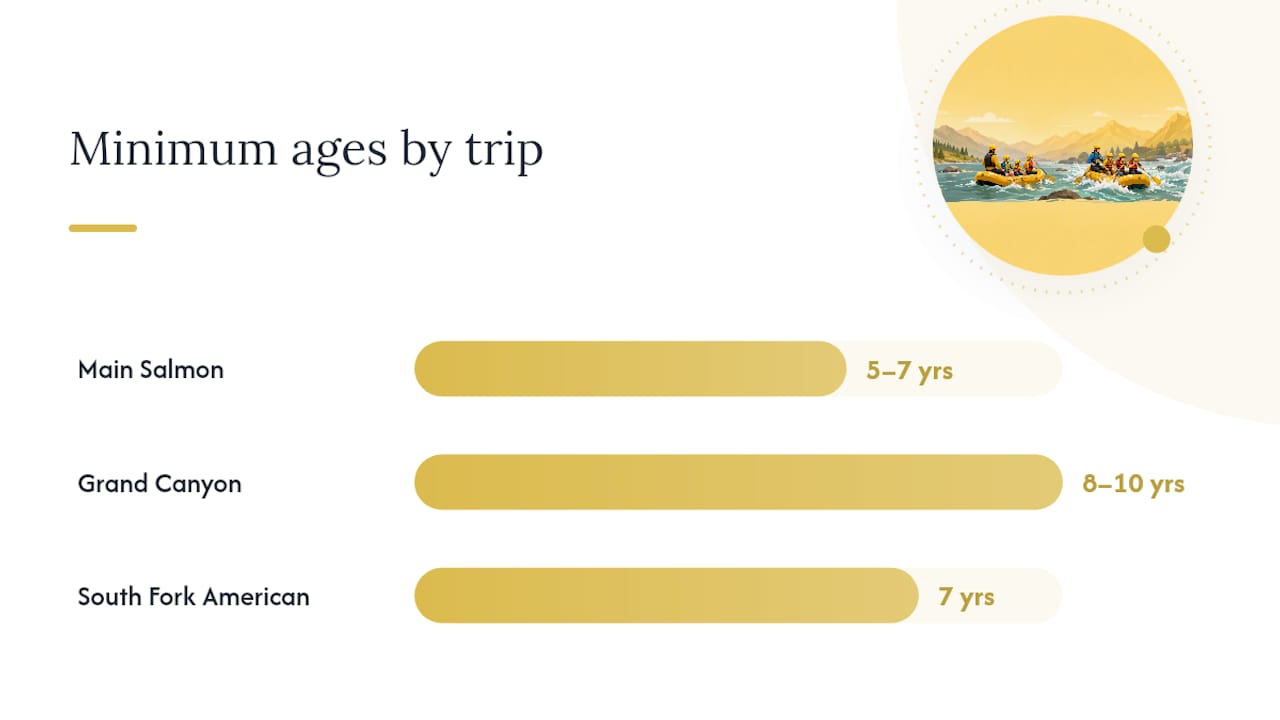
Most family trips run in the warmer months, when flows are lower and minimum ages tend to be at their most relaxed. Airport transfers are straightforward for Grand Canyon, Salmon, and American River trips, since outfitters typically run shuttles from regional hubs. Meals, PFDs, helmets, and river shuttles are almost always included; wetsuits and personal gear often are not, so check before you pack light.
How do you choose the right family rafting trip?
Picking a rafting trip for your family is really a risk and comfort exercise dressed up as a holiday booking. Work through this in order:
- Confirm the minimum age and how it shifts with water levels. A trip listed at age 5 in July might require age 8 in a high spring flow.
- Match trip length to your family’s stamina, not your ambition. A restless six year old will struggle on day four of a wilderness trip.
- Check the river class against your risk tolerance. Class I–II suits nervous swimmers and toddlers; Class III adds real bumps and splashes that some young kids love and others hate.
- Ask about staff-to-guest ratios and whether a dedicated children’s role exists. Some outfitters run a “River Jester” or similar figure whose entire job is keeping kids entertained while parents relax, a genuine differentiator worth asking about directly.
- Read the cancellation policy before you pay a deposit. Weather and water levels can shift trip dates on short notice.
Ask operators directly: “What is your minimum age, and does that change with water level?” “What is your guide-to-guest ratio on family departures?” “Is there a dedicated kids’ activity leader, or do guides rotate that role?” “What’s included in the price, and what counts as an optional extra?”
Treat vague answers as a red flag. An operator who can’t confirm safety certification, guide training, or a clear refund policy on the phone is one to avoid, however good their brochure looks. Booking an outfitter-led trip rather than going self-guided is also worth confirming outright when you call, since safety and family programming both depend on it.
Pro Tip: Midweek departures are often cheaper and quieter than weekend trips, and some outfitters run youth fares that meaningfully cut per-person cost for larger families.
What does a typical day on a family rafting trip look like?
Mornings usually start slowly. Breakfast at camp or the lodge, a safety briefing, then gear-up, before the raft launches mid to late morning once the day has warmed up. On-river windows tend to run two to four hours before lunch, broken up with calmer stretches for swimming and faster sections for the bigger splashes.
Lunch is almost always on a beach, not on the raft, and this is where family trips earn their reputation. Kids build sandcastles, explore rock pools, or play supervised games while guides prepare food. Afternoons might include a short hike, more paddling, or simply extended beach time if the group needs a rest.
Evenings at camp or lodge often include:
- Guided nature walks or simple wildlife spotting
- Group games organised by a dedicated kids’ staff member
- Storytelling or campfire time before an early bedtime
- Quiet swimming in calmer pools near camp
Itineraries that deliberately mix rapids with downtime consistently produce happier families than trips built purely around the whitewater. A five-year-old rarely wants six straight hours of rapids; they want one exciting bit, then a beach to dig in.
How safe is family rafting, and what should you check first?
River class is the single biggest safety variable, and for family trips it’s worth understanding properly. Class I is flat, moving water. Class II has small waves and easy manoeuvring. Class III introduces real waves and a genuine adrenaline hit, still manageable for most children over 7 or 8 with a competent guide. Class IV and above belong to older kids and adults only.
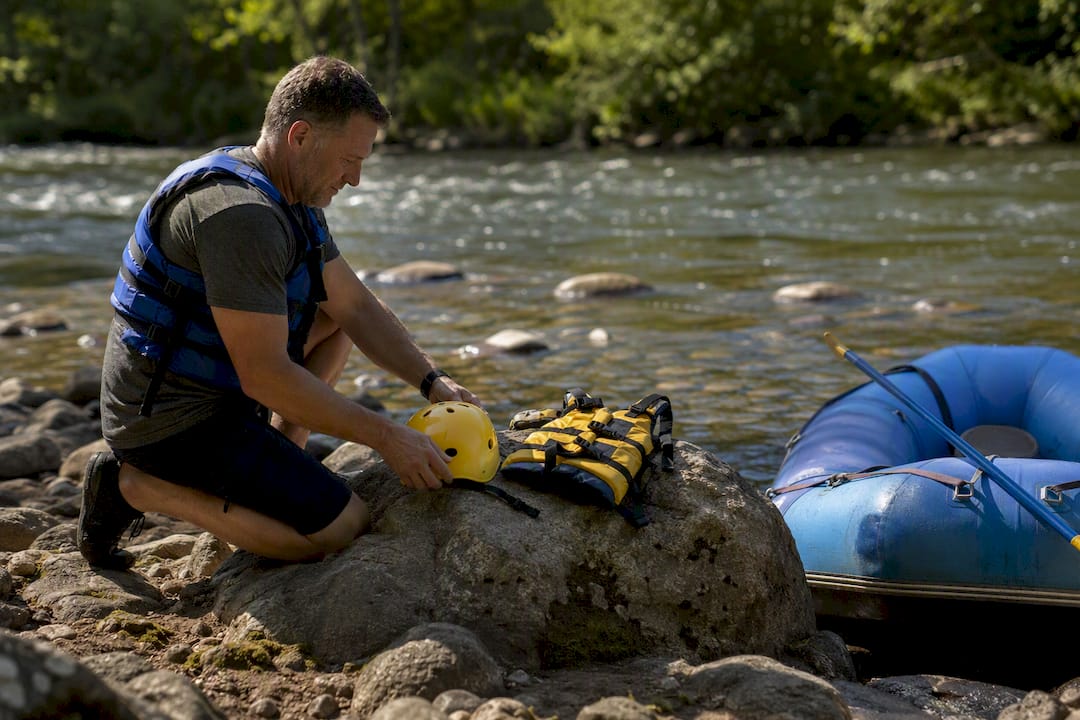
Minimum age and weight limits are set by the operator’s own risk assessment, and they shift with river flow. A trip that accepts five-year-olds in low summer water may push that minimum to 8 or 10 during a high spring melt.
Before booking, ask about:
- Swiftwater rescue certification for guides
- VHF radios or satellite communication carried on the water
- First aid training and kit carried on every trip
- PFD and helmet sizing available for small children specifically
Most operators supply PFDs and helmets in youth sizes, but wetsuits for very small children are not always guaranteed, so confirm this directly if you’re rafting cold water.
Practical planning and packing checklist for families
Pack for wet and dry in equal measure. Secure-fitting water shoes matter more than anything else on this list, since loose sandals come off in current. Add reef-safe sun cream, quick-dry layers rather than cotton, a waterproof phone case, and a full spare set of dry clothes sealed in a dry bag for the end of each day.
For logistics: confirm your deposit and balance payment dates early, note any airport transfer or shuttle pickup points in advance, and tell the outfitter about allergies or medical needs before you arrive, not on the riverbank.
- Secure water shoes (not flip-flops)
- Sun hat, reef-safe sunscreen, sunglasses with a strap
- Quick-dry layers and one full dry outfit per person
- Waterproof phone or camera case
- Simple snacks for the raft, not just camp meals
- A kids’ waterproof camera or binoculars for wildlife spotting along the banks
Pro Tip: Water temperature on many Western rivers stays cold even in high summer, since it’s snowmelt. Bring a warm layer for evenings even if the days are hot.
Sample trip lengths and what each delivers
- Half or full day (3 to 6 hours): best for ages 5 and up wanting a first taste, minimal commitment, easy exit if a child struggles.
- Two to three days: adds proper beach time and one simple overnight, either camping or a basic lodge, good for ages 6 to 12.
- Four to six days: full wilderness immersion with varied terrain, remote camps, and richer wildlife encounters, best suited to families with children 9 and older who already enjoy camping.
- Lodge versus camping: choose a lodge-based trip if your family needs a real shower and bed each night; choose full camping if you want deeper immersion and don’t mind roughing it.
Keeping kids engaged on the water and at camp
Handing a child a small camera or a pair of kids’ binoculars at a beach stop turns idle waiting into a scavenger hunt. At Thezoofamily, our animal-themed cameras and binoculars are built for exactly this kind of outdoor use, and every camera sold funds one tree planted, a small link between play and the rivers and forests families are visiting.

What actually makes a family rafting trip work
Most advice on family rafting fixates on river class, as if picking the “right” difficulty level is the whole job. It isn’t. The trips that genuinely succeed are the ones that treat downtime as seriously as the rapids, giving kids a beach to dig in, a slow afternoon to swim, and a guide whose actual job is keeping them entertained rather than just steering the boat.
Parents chasing the biggest adrenaline hit for their kids often overshoot. A nervous seven-year-old doesn’t need Class IV water to have the best week of their summer; they need one exciting splash, a sandy lunch spot, and a River Jester figure who makes camp feel like a game rather than a chore. That’s the detail worth prioritising over river class alone: ask about staffing and daily rhythm before you ask about rapids.
Where families get this right, the kit they bring matters more than they expect. A simple camera or pair of binoculars gives a bored child on a beach stop a job to do, and that’s a genuinely underrated piece of trip planning.
Complementary kit for your rafting holiday
A rafting trip gives children hours of downtime on beaches, at camp, and during shuttle waits, and the right kit turns that into genuine engagement rather than restlessness. Thezoofamily’s animal-themed cameras are built tough enough for riverside use, letting kids run their own beach scavenger hunts or photograph wildlife along the banks. Our walkie-talkies work well for supervised distance play around camp, and our binoculars give young naturalists a proper reason to watch for herons, deer, or eagles along the water.
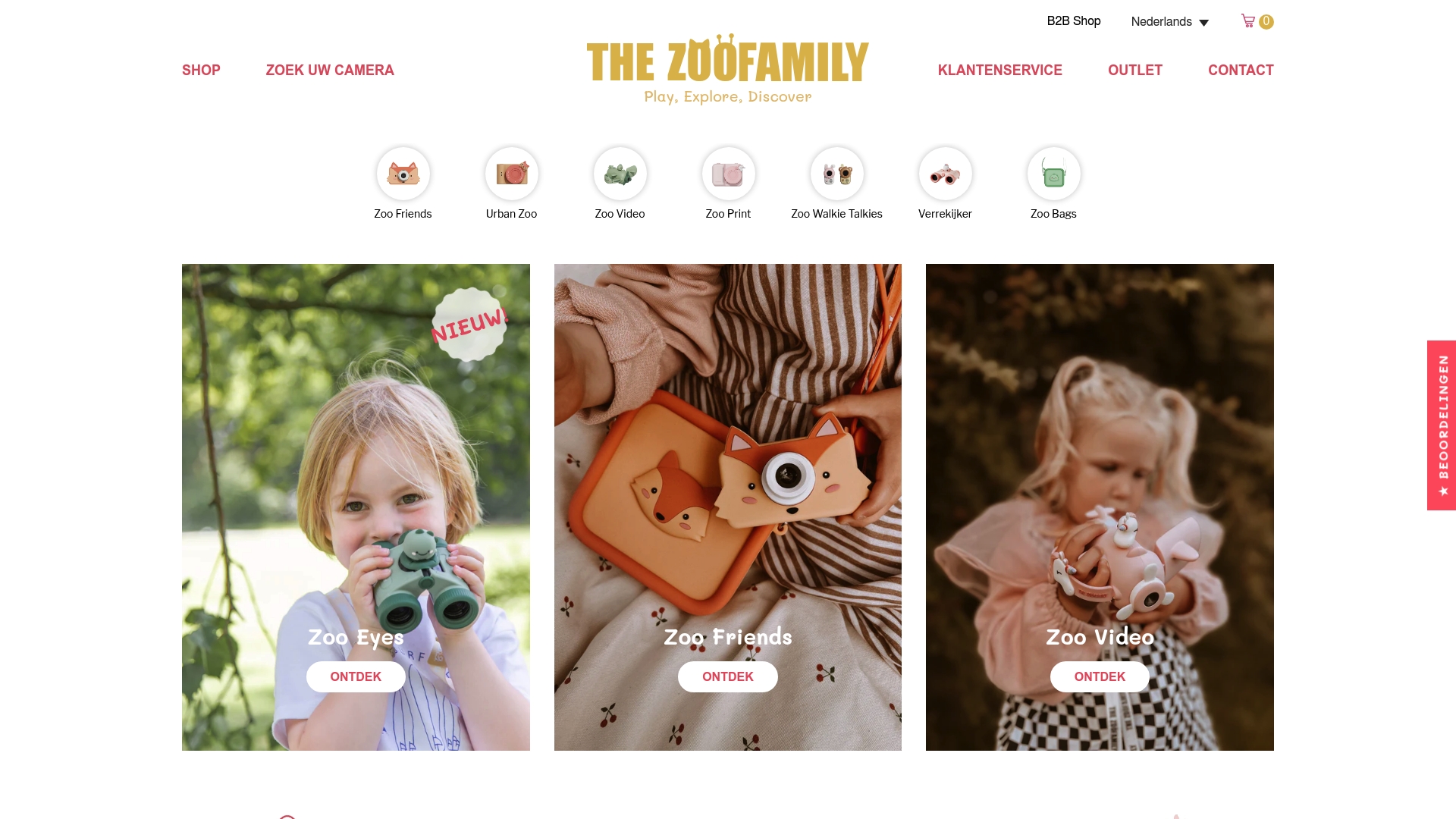
Every camera we sell also funds a tree planted, so the kit your child uses on the river connects directly back to the landscapes you’re travelling through. Visit Thezoofamily’s family adventure range to see which pieces suit your child’s age and pack the right kit before your next trip.
Frequently asked questions
What is the minimum age for family rafting trips? Minimum ages typically range from 4 to 8 depending on the river and season, with operators raising the limit during high spring flows. Always confirm the current minimum for your travel dates directly with the outfitter.
Which rivers are best for a first family rafting vacation? The Main Salmon River, South Fork American River, and Green River through Desolation Canyon are commonly recommended starting points, since they combine manageable Class I–III water with strong family programming.
How long should a family rafting vacation be? First-timers with young children often do best with a half day to three days. Families with older children or previous camping experience frequently prefer four to six day wilderness trips.
What’s typically included in the price? Meals, PFDs, helmets, and shuttles are usually included. Wetsuits, especially in small sizes, and personal gear are sometimes extra, so confirm this before booking.
Do rafting outfitters provide activities for children beyond the water? Many do, including guided nature walks, beach games, and dedicated staff roles focused solely on entertaining kids, freeing parents to relax during camp time.