

Finding ways to help your family connect with nature can sometimes feel overwhelming, especially when busy routines get in the way. Children naturally use all their senses to explore the outdoors, but creating opportunities for meaningful learning and bonding takes planning and inspiration. The good news is that you can transform everyday moments into adventures that spark curiosity and strengthen family ties.
This list reveals practical activities that engage your children with the world around them while bringing everyone closer together. From hands-on exploration to creative play, you’ll discover specific ideas that are fun, educational, and easy to try. Keep reading to unlock simple ways to make outdoor experiences truly memorable for your whole family.
Table of Contents
- 1. Explore a Local Nature Trail Together
- 2. Create a Backyard Wildlife Scavenger Hunt
- 3. Make Animal-Themed Arts and Crafts
- 4. Try Sustainable Picnics in the Park
- 5. Host a Family Tree-Planting Session
- 6. Organise an Outdoor Nature Photography Challenge
- 7. Share Stories About Favourite Wild Animals
Quick Summary
| Key Message | Explanation |
|---|---|
| 1. Explore Nature Trails Together | Journeying through nature trails enhances family bonds and instills ecological awareness in children through hands-on learning. |
| 2. Organise Backyard Wildlife Hunts | Creating scavenger hunts in your backyard fosters environmental awareness and sensory observation skills while encouraging family interaction. |
| 3. Engage in Animal-Centric Crafts | Crafting animal-themed projects enhances creativity and fine motor skills, while also cultivating a deeper connection with wildlife. |
| 4. Practice Sustainable Picnicking | Implementing sustainable practices during picnics promotes environmental responsibility and teaches children about minimising waste and pollution. |
| 5. Share Stories about Wild Animals | Sharing animal stories enriches understanding and empathy towards wildlife, as well as encourages imaginative thinking and communication skills. |
1. Explore a Local Nature Trail Together
Every family seeking connection with the natural world can transform an ordinary afternoon into an extraordinary adventure by exploring a local nature trail. Venturing outdoors together offers more than just physical exercise - it becomes a powerful pathway for learning, bonding, and awakening children’s innate curiosity about the environment.
Children are natural explorers who use all their senses to engage with the surrounding landscape. Exploring outdoor environments helps families create memorable experiences that nurture ecological awareness and strengthen familial connections. By walking together through local trails, parents can guide children’s observations and encourage hands-on learning about plants, wildlife, and ecological systems.
Benefits of nature trail exploration include:
- Developing observational skills
- Enhancing physical fitness
- Promoting environmental understanding
- Creating shared family memories
- Reducing screen time
- Supporting mental wellbeing
Nature trails provide an immersive classroom where learning happens through direct interaction with the natural world.
To make the most of your nature trail adventure, consider these practical strategies:
- Choose a trail appropriate for your children’s age and fitness level
- Bring a small field guide or nature identification app
- Pack water, snacks, and basic first-aid supplies
- Dress in layers and wear comfortable walking shoes
- Allow children to set the pace and explore freely
Pro tip: Bring a small notebook or sketchbook to document interesting discoveries, encouraging children to record their observations and develop a deeper connection with nature.
2. Create a Backyard Wildlife Scavenger Hunt
Transforming your backyard into an exciting wildlife investigation zone can turn an ordinary afternoon into an extraordinary learning adventure. Backyard wildlife scavenger hunts offer families a fantastic opportunity to connect with nature while developing children’s observational skills.
Children are natural explorers with an incredible capacity for curiosity and discovery. By creating a structured yet playful wildlife hunt, parents can help their children develop a deeper understanding of local ecosystems and biodiversity right in their own outdoor space.
Key benefits of a backyard wildlife scavenger hunt include:
- Enhancing sensory observation skills
- Promoting environmental awareness
- Encouraging physical activity
- Building family connections
- Developing scientific thinking
- Reducing screen time
A backyard becomes an immersive classroom where learning happens through direct exploration and wonder.
To design an engaging scavenger hunt, consider these strategies:
- Create a simple checklist of wildlife to find
- Use picture guides for identification
- Set age-appropriate challenges
- Encourage gentle, respectful observation
- Make it a collaborative family activity
Recommended Items to Include:
- A bird feather
- An insect
- Different leaf shapes
- Animal tracks
- A spider web
- Interesting stones or pebbles
Pro tip: Use a smartphone camera to document discoveries, creating a digital nature journal that can be reviewed and discussed together after the hunt.
3. Make Animal-Themed Arts and Crafts
Unlocking a child’s creativity through animal-themed arts and crafts can transform an ordinary afternoon into an extraordinary journey of imagination and learning. Nature-inspired creative activities offer families a unique opportunity to explore wildlife while nurturing artistic expression.
Children possess an innate fascination with animals, making wildlife-themed crafts an exceptional way to engage their curiosity and develop multiple skills simultaneously. By transforming natural materials and simple craft supplies into animal-inspired creations, families can create meaningful learning experiences that go beyond traditional art projects.
Key benefits of animal-themed arts and crafts include:
- Enhancing fine motor skills
- Developing creative thinking
- Increasing environmental awareness
- Supporting imaginative play
- Encouraging biodiversity understanding
- Building emotional connection with wildlife
Crafting becomes a powerful bridge between artistic expression and ecological learning.
Some exciting animal-themed craft ideas:
- Create animal masks using paper plates
- Design wildlife habitat dioramas
- Make animal puppets from old socks
- Construct bird feeders from recycled materials
- Paint rock animals for garden decoration
Craft Materials to Gather:
- Coloured paper
- Googly eyes
- Fabric scraps
- Natural materials (twigs, leaves)
- Glue
- Scissors
- Paint
Pro tip: Use online wildlife reference images to help children accurately capture animal details and inspire more realistic and educational craft projects.
4. Try Sustainable Picnics in the Park
Transforming a simple family outing into an eco-conscious adventure can start with rethinking how we approach park picnics. Sustainable picnics offer families a wonderful opportunity to enjoy nature while minimising their environmental impact.
By making thoughtful choices about food, packaging, and waste, families can turn a regular meal outdoors into a meaningful lesson about environmental stewardship. Sustainable picnicking is more than just eating outside - it is about creating positive habits that respect and protect our natural spaces.
Key benefits of sustainable picnicking include:
- Reducing single-use plastic waste
- Teaching children environmental responsibility
- Supporting local and organic food producers
- Minimising carbon footprint
- Encouraging outdoor appreciation
- Creating memorable family experiences
Every sustainable picnic is a small step towards protecting our planet’s beautiful landscapes.
Practical strategies for a sustainable park picnic:
- Use reusable containers and utensils
- Pack locally sourced organic foods
- Bring cloth napkins instead of paper
- Choose minimal packaging
- Carry a separate bag for recycling and compost
Sustainable Picnic Essentials:
- Stainless steel lunch boxes
- Bamboo utensils
- Cloth napkins
- Refillable water bottles
- Compact cooler bag
- Small compost and recycling bags
Pro tip: Involve children in planning and preparing the sustainable picnic to transform it into an engaging environmental learning experience.
5. Host a Family Tree-Planting Session
Transforming environmental awareness into tangible action can begin with something as simple as planting a tree together as a family. Family tree-planting activities provide an extraordinary opportunity to connect with nature while making a meaningful contribution to our planet’s future.
Tree planting is more than just digging a hole and placing a sapling. It is a powerful educational experience that teaches children about ecosystem restoration, biodiversity, and environmental stewardship. By involving children in the process, families can create lasting memories while nurturing both trees and ecological consciousness.
Key benefits of family tree-planting sessions include:
- Reducing carbon footprint
- Teaching environmental responsibility
- Creating wildlife habitats
- Improving local air quality
- Strengthening family bonds
- Developing practical gardening skills
Every tree planted represents hope for future generations and a commitment to planetary health.
Steps for a successful family tree-planting session:
- Research native tree species
- Select an appropriate planting location
- Prepare soil and necessary tools
- Involve all family members in the process
- Create a care and monitoring plan
Essential Tree-Planting Supplies:
- Gardening gloves
- Spade or small shovel
- Watering can
- Mulch
- Tree saplings
- Compost
- Measuring tape
Pro tip: Document your tree-planting journey with photographs and create a family journal to track the tree’s growth and your environmental impact.
6. Organise an Outdoor Nature Photography Challenge
Turning an ordinary family outing into an extraordinary visual adventure can be as simple as grabbing a camera and exploring the natural world through a lens. Nature photography challenges offer families a creative pathway to observe, appreciate, and document the intricate beauty surrounding them.
Photography is more than just capturing images. It is a powerful tool for developing observational skills and deepening connections with the environment. By encouraging children to look closely and document their discoveries, families can transform a simple walk into an immersive learning experience.
Benefits of a nature photography challenge include:
- Enhancing visual perception
- Developing patience and focus
- Encouraging scientific observation
- Creating lasting family memories
- Supporting environmental awareness
- Improving photographic skills
Every photograph tells a unique story of discovery and wonder in the natural world.
Strategies for a successful family nature photography challenge:
- Choose a specific theme (e.g., wildlife, plants, textures)
- Set age-appropriate photography guidelines
- Discuss ethical wildlife photography principles
- Create a simple scoring or sharing system
- Plan a review and celebration session
Photography Challenge Themes:
- Smallest living thing
- Most unusual leaf shape
- Interesting insect interactions
- Animal camouflage
- Seasonal landscape changes
- Water reflections
- Fungi and moss varieties
Pro tip: Use a smartphone or kid-friendly camera with a simple editing app to help children learn basic composition and photo enhancement techniques.
7. Share Stories About Favourite Wild Animals
Stories have an extraordinary power to connect families, spark imagination, and deepen understanding of the natural world. Wildlife storytelling techniques offer a magical pathway to explore animal behaviours, habitats, and conservation challenges through engaging narratives.
Sharing stories about favourite wild animals transforms passive learning into an interactive, emotionally resonant experience. By weaving together scientific facts with compelling narratives, families can cultivate empathy for wildlife and inspire a lifelong passion for nature conservation.
Benefits of sharing wild animal stories include:
- Developing emotional intelligence
- Enhancing scientific understanding
- Promoting environmental awareness
- Strengthening family communication
- Encouraging imaginative thinking
- Supporting conservation values
Every animal story is a window into the complex and fascinating world of wildlife.
Strategies for compelling animal storytelling:
- Choose animals with interesting behaviours
- Include scientific facts within narrative
- Use descriptive, age-appropriate language
- Incorporate conservation messages
- Encourage children to ask questions
Story Inspiration Sources:
- Nature documentaries
- Wildlife magazines
- Local conservation centre resources
- National Geographic publications
- Scientific research summaries
- Personal wildlife observations
Pro tip: Create a family wildlife storytelling journal where each member can contribute their favourite animal encounters and discoveries.
Below is a comprehensive table summarising the activities and insights covered in the article, focusing on family-oriented nature explorations and educational experiences.
| Activity | Key Actions | Benefits to Families |
|---|---|---|
| Explore a Local Nature Trail | Select an age-appropriate trail, provide supplies like water and guides, and encourage inquisitiveness within children. | Promotes ecological awareness, strengthens familial connections, and improves physical and mental wellbeing. |
| Create a Backyard Wildlife Scavenger Hunt | Compile an observation checklist, use pictorial guides, and encourage collaboration between family members. | Nurtures scientific thinking, deepens environmental understanding, and encourages respectful wildlife observation. |
| Make Animal-Themed Arts and Crafts | Use materials like coloured paper and natural items to construct animal-inspired projects. | Enhances creativity, fine motor skills, and fosters a deeper connection with biodiversity. |
| Try Sustainable Picnics in the Park | Emphasise eco-friendly choices like reusable containers, local and organic foods, and implementing recycling practices. | Cultivates environmental stewardship, reduces waste, and enriches outdoor family interaction. |
| Host a Family Tree-Planting Session | Research suitable tree species, prepare tools, and maintain a care routine for planted trees. | Supports ecosystem restoration, fosters teamwork, and creates a legacy benefiting the environment. |
| Organise an Outdoor Photography Challenge | Set a theme, provide photography equipment, and discuss compositional and ethical principles in wildlife photography. | Fosters creative exploration, enhances observational skills, and strengthens artistic and environmental appreciation. |
| Share Stories About Favourite Wild Animals | Integrate facts and narratives for an engaging storytelling session focused on wildlife and conservation. | Boosts emotional intelligence, promotes conservation values, and strengthens family communication. |
Enhance Your Family’s Nature Adventures with The Zoofamily
Families passionate about connecting with nature often face the challenge of engaging children in meaningful and creative ways while fostering environmental awareness. The article highlights the importance of activities like nature trails, wildlife scavenger hunts, and outdoor photography to build curiosity and ecological understanding. However, those moments can be even more memorable and inspiring with the right tools that stimulate both learning and fun.
At The Zoofamily, we understand how vital it is to spark a genuine connection between kids and the natural world. Our range of innovative kids’ cameras, walkie-talkies, and binoculars is thoughtfully designed to enhance outdoor experiences, making every nature walk or scavenger hunt an exciting expedition. Plus, with each product sold, we plant a tree, turning your family’s adventures into a real contribution towards restoring our planet’s beauty. Discover how our animal references can ignite your child’s curiosity and encourage environmental stewardship at home and beyond.
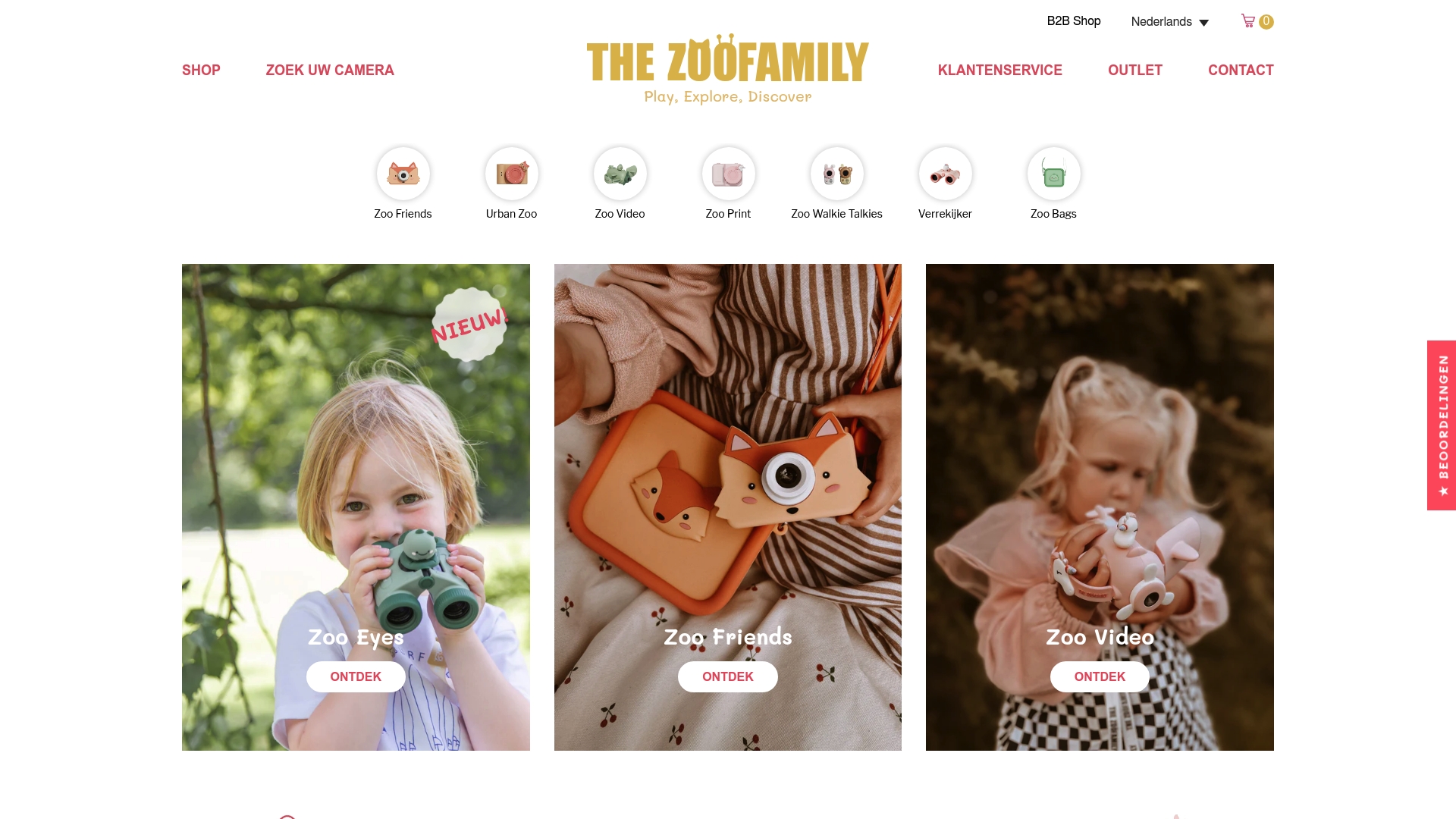
Equip your family today with tools that bring nature to life and create lasting memories. Explore our collection at The Zoofamily and start turning ordinary family days into extraordinary nature journeys now.
Frequently Asked Questions
What are some fun activities for a nature-loving family day?
Exploring local nature trails, creating wildlife scavenger hunts, and hosting family tree-planting sessions are all great activities. Choose one activity to start with and set aside a few hours for an immersive experience outdoors.
How can we make our family picnics more sustainable?
To make picnics eco-friendly, use reusable containers, pack locally sourced organic foods, and bring cloth napkins. Start planning your next picnic by gathering all necessary supplies for a waste-free experience.
What age-appropriate nature activities can we do with our children?
Engaging children with age-appropriate activities like animal-themed arts and crafts or an outdoor nature photography challenge can be enjoyable. Select a specific activity that matches your children’s interests and set aside a weekend for it.
How can storytelling enhance our understanding of wildlife?
Sharing stories about favourite wild animals enriches emotional intelligence and encourages empathy for wildlife. Create a family storytelling night where each member shares an animal story or experience.
What materials do we need for a backyard wildlife scavenger hunt?
To organise a backyard wildlife scavenger hunt, you’ll need a checklist of items to find, picture guides for identification, and perhaps a camera for documenting discoveries. Prepare before starting by obtaining and creating all necessary materials to enhance the experience.
Recommended
- 7 idées goûter nature enfants pour éveiller leur curiosité – The Zoofamily
- 7 top livres enfants nature pour éveiller l’écologie – The Zoofamily
- Intérêt des voyages en famille : Un éveil à la nature – The Zoofamily
- Aventure Nocturne Nature : Éveiller L’écologie chez l’Enfant – The Zoofamily
- Best Hiking Trails to Bring Your Dog in the US! – iPupPee