

TL;DR:
- Use simple, durable cameras or smartphones to encourage exploration and independence in children aged 5 to 10.
- Keep outdoor photography sessions short, playful, and goal-oriented to foster enthusiasm and observational skills.
- Teach safety, ethical wildlife practices, and creative composition to enhance learning and respect for nature.
Getting children outdoors and genuinely engaged can feel like a constant negotiation. You want activities that spark curiosity, build confidence, and create lasting memories, but so many options feel either too structured or too passive. Nature photography sits in a sweet spot: it turns an ordinary walk into a mission, encourages children to slow down and really look at the world, and produces something they can proudly share. The tips in this article are practical, playful, and designed specifically for European families who want to nurture young photographers without turning a woodland stroll into a technical lecture.
Table of Contents
- Choose the right equipment: simplicity over complexity
- Playful learning: make sessions short and interactive
- Fundamental skills: steady hands and creative composition
- Respecting nature: safety, light, and ethical wildlife photography
- Go further: night skies and creative photo projects in Europe
- Our take: why the best photography learning puts play and connection first
- Take your family’s creativity to new heights with The Zoofamily
- Frequently asked questions
Key Takeaways
| Point | Details |
|---|---|
| Keep it simple | Use easy-to-handle cameras or phones for young children to help them enjoy photography outdoors. |
| Prioritise play | Short, game-like sessions with variety inspire both nature connection and creative confidence. |
| Teach respect | Lead by example on wildlife safety, lighting, and ethics for enjoyable and mindful exploration. |
| Explore together | Joining projects or clubs deepens skills and provides lasting lessons well beyond the photos. |
Choose the right equipment: simplicity over complexity
The single biggest mistake parents make is handing a child a complicated camera and expecting enthusiasm to do the rest. Heavy DSLRs with multiple dials and buttons create frustration before the first photo is even taken. For children aged 5 to 8, simple cameras or smartphones with protective cases are genuinely the best starting point. The goal at this stage is exploration, not technical mastery.
A protective silicone case and a short wrist strap make a huge difference. Children drop things. That is not carelessness, it is just childhood. Investing in a decent case means you can hand over the camera without hovering anxiously, which gives your child the independence to experiment freely. A lanyard or neck strap also helps smaller children manage the weight without straining.
For mobile photography tips on smartphones, the portrait and macro modes available on most modern devices are surprisingly capable for young photographers. Children can zoom in on a spider’s web or capture the texture of tree bark with remarkable results, all without touching a single manual setting.
Here is a quick comparison to help you decide what suits your child best:
| Equipment type | Best age range | Key benefit | Drawback |
|---|---|---|---|
| Smartphone with case | 5 to 10 | Familiar, lightweight | Screen glare outdoors |
| Basic point-and-shoot | 6 to 10 | Dedicated shutter button | Limited zoom range |
| Kids’ rugged camera | 5 to 8 | Durable, waterproof | Lower image quality |
| Entry-level mirrorless | 10 and above | Better results | Heavier, more complex |
As children grow more confident, you can introduce slightly more capable gear. But resist the urge to upgrade too soon. Confidence built on simple equipment transfers beautifully to more advanced tools later. Exploring ecological photography for children is much easier when the camera itself does not get in the way.
Pro Tip: Let your child decorate their camera case with stickers or paint. That small act of personalisation creates a sense of ownership, and children who feel ownership over their gear treat it more carefully and use it more enthusiastically.
Playful learning: make sessions short and interactive
With equipment sorted, the next step is creating sessions your children will genuinely look forward to. The key insight here is counterintuitive: shorter sessions produce better results than longer ones. A focused 45-minute outing with a clear, playful goal will build more skill and enthusiasm than a two-hour wander with no structure.
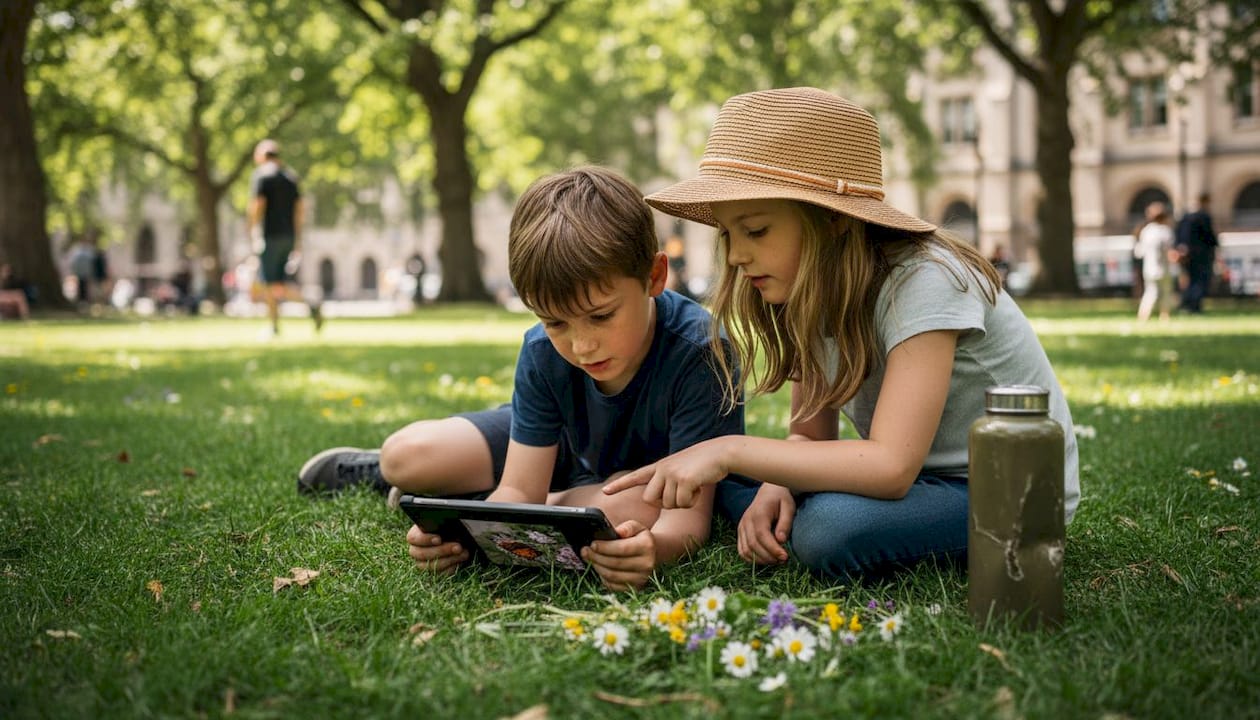
Short sessions under 60 minutes with specific photo hunts, such as finding five different leaf shapes or three red things in the garden, keep children engaged and sharpen their observation skills at the same time. These mini-challenges turn photography into a game rather than a lesson.
Here is a simple structure that works well for most ages:
- Set a theme before you leave the house. Colours, textures, miniature worlds, or creatures all work brilliantly.
- Alternate focused photography with free exploration. Ten minutes of hunting, five minutes of just playing, then back to the camera.
- Use photography scavenger hunt ideas to keep the mission fresh each time you go out.
- Review photos together when you get home. Ask your child to pick their favourite and explain why they like it.
- Display a favourite photo each week. Print it, stick it on the fridge, and watch your child beam with pride.
The review session at the end is often underestimated. Sitting together and looking at what your child captured reinforces their learning, builds vocabulary around what they noticed, and gives them a genuine audience for their work. It also tells you a great deal about what they find beautiful or interesting, which is wonderful for building creativity through nature over time.
Prioritise play over perfection: short, goal-oriented outdoor activities foster creativity and nature love more effectively than long technical lessons.
Pro Tip: Keep a small notebook in your kit bag. After each session, encourage your child to write or draw one thing they noticed that surprised them. Over time, this becomes a nature journal that complements their photography beautifully.
Fundamental skills: steady hands and creative composition
Energetic sessions call for hands-on skills, with a dash of creativity to keep engagement high. Teaching a child to hold the camera steady with both hands and elbows tucked into their sides takes about two minutes to demonstrate and makes an immediate difference to image sharpness. Make it a game: see who can hold the stillest before pressing the shutter.
Composition is where photography becomes genuinely creative. The rule of thirds, which places the main subject off-centre for a more dynamic image, sounds technical but is easy to teach through verbal games. Try saying, “Put the butterfly near the edge of the picture, not in the middle,” and watch how quickly children grasp the concept. You can find composition basics for children explained in very accessible ways online.
Here are some practical pointers for building these skills:
- Tuck elbows in and hold the camera with both hands to reduce camera shake.
- Get low. Encourage children to crouch down to a bug’s level or lie on the grass for a worm’s-eye view.
- Frame with natural elements. Use branches, doorways, or rock formations to create a natural border around the subject.
- Focus on the eyes when photographing any creature, from a robin to a ladybird.
- Embrace blurry photos. Talk about what went wrong and try again. Mistakes are data, not failures.
For children aged 8 and above, you can introduce broader creative themes such as “tell a story in three photos” or “show me something that makes you feel calm.” These open-ended briefs encourage genuine artistic thinking. Pairing skills with photography ethics for children early on also helps children understand that how you take a photo matters as much as the result, especially when wildlife is involved. For more specific guidance, our bug photography tips are a great place to start with close-up nature work.
Respecting nature: safety, light, and ethical wildlife photography
With budding skills and enthusiasm, ensuring safe and ethical photo adventures benefits both your child and the environment. The golden hour, which is the soft, warm light in the first hour after sunrise and the last hour before sunset, is genuinely magical for outdoor photography. Colours appear richer, shadows are gentler, and wildlife is often more active. Planning a morning outing around this window can transform the quality of your child’s photos without changing a single setting.
For wildlife, the approach matters enormously. Observe from a distance, move slowly, use zoom or macro mode, and always focus on the animal’s eyes. Teaching children never to touch, chase, or lure wildlife is not just good ethics, it is also vital for safety. These habits, built early, create a lifelong respect for the natural world.
Here is a quick reference for safe and ethical outings:
| Situation | Best practice |
|---|---|
| Photographing birds | Stay still, use zoom, avoid sudden movements |
| Insects and bugs | Get low, use macro mode, never pick up |
| Night outings | Use red torches, stay on marked paths, go with an adult |
| Unfamiliar terrain | Brief children on hazards, wear appropriate footwear |
Additional safety habits worth building include:
- Always tell someone where you are going and when you expect to return.
- Carry water and a light snack for longer outings.
- Dress in layers, especially in northern European climates where weather changes quickly.
- Use teaching photography ethics resources to frame these rules as part of being a responsible photographer, not just a list of restrictions.
Pro Tip: For evening or night outings, a red torch preserves night vision far better than a white one. Children find this genuinely exciting, and it makes the whole experience feel like a proper expedition.
Go further: night skies and creative photo projects in Europe
Once children master the basics, these next-level experiences can broaden their horizons and deepen their relationship with nature. Night sky photography is one of the most memorable adventures you can share as a family. Europe has some extraordinary dark sky parks, and visiting places like Mayo in Ireland or Bieszczady in Poland offers children an experience that is hard to replicate anywhere else. Prepare with warm layers, a red torch, and apps like Stellarium to identify constellations in real time.
For night sky shots, the 500 Rule is a helpful starting point: divide 500 by your focal length to find the maximum exposure time before stars start to trail. Even if your child is using a smartphone, experimenting with long-exposure apps produces wonderfully atmospheric results.
Beyond night photography, structured projects bring enormous benefits. Projects like Ridgeway50 in the UK demonstrated that 390 children showed measurable improvements in wellbeing and connection to nature through photography workshops. Seeking out similar local initiatives, whether through schools, nature reserves, or community groups, gives children a social dimension to their photography and a sense of contributing to something larger than themselves.
Here are some ideas to extend your family’s photography adventures:
- Visit a local nature reserve and ask about family photography events.
- Join an online community where children can share their nature photos safely.
- Create a home gallery: print and display your child’s best shots each month.
- Combine photo trips with scrapbooking, adding pressed leaves, ticket stubs, and captions to create a proper nature diary.
- Explore gallery projects for children for inspiration on displaying and celebrating your child’s work.
Pro Tip: Set up a simple photo exhibition at home once a season. Invite grandparents or friends to attend. The pride children feel when their work is displayed and discussed by an audience is a powerful motivator that keeps enthusiasm alive long-term.
Our take: why the best photography learning puts play and connection first
Most photography guides for children focus heavily on technique, and technique does matter. But in our experience, the children who sustain a genuine love for photography are not the ones who learned the rule of thirds first. They are the ones who had a parent crouch down beside them in the mud to photograph a beetle, who had their blurry, wonky shots celebrated rather than corrected, and who were allowed to lead the direction of their own creative exploration.
Technical skills are easy to teach once a child is motivated. Motivation, on the other hand, is fragile and precious. It grows through encouragement, variety, and the kind of joyful outdoor experiences that make a child feel capable and curious. When you review your child’s photos together and ask them to tell you the story behind each image, you are doing something far more valuable than any composition lesson. You are building a habit of noticing, of caring, of inspiring creativity outdoors that will serve them well beyond photography.
Model curiosity yourself. Let your child catch you lying on the ground trying to photograph a snail. Let them see you get it wrong and laugh about it. That is the real lesson.
Take your family’s creativity to new heights with The Zoofamily
If this article has sparked ideas for your next family adventure, there is plenty more to explore. At The Zoofamily, we have built a collection of guides, activity ideas, and resources designed specifically for families who want to nurture a love of nature and creativity in their children, step by step and at every age.

From photography ethics for families to scavenger hunt templates and gear recommendations, everything is created with young explorers in mind. We also believe that every camera sold should give something back to the planet, which is why we plant one tree for every camera purchased. When your child takes their first nature photo, a tree grows somewhere in the world because of it. That feels like the right kind of adventure to us.
Frequently asked questions
What age is ideal for starting photography with children?
Most children can begin engaging with simple cameras around age 5, focusing on fun and exploration rather than any formal technique. The priority at this stage is building curiosity, not capturing perfect images.
How do I keep my child interested in outdoor photography?
Short sessions under 60 minutes with game-based goals such as colour hunts or creature spotting maintain enthusiasm and build observation skills naturally. Reviewing photos together afterwards adds a social reward that reinforces the habit.
What safety precautions are essential for children doing nature photography?
Teach children to avoid touching wildlife, prepare for weather changes with appropriate clothing, and always supervise younger children in unfamiliar or wild locations. Building these habits early makes them second nature.
Are there structured photography programmes or clubs for children in Europe?
Many regions offer nature clubs and family photo workshops; seek local European initiatives through nature reserves, schools, or community parks that run seasonal events for families. These provide both skills and a wonderful sense of community.