

An eco friendly all purpose cleaner is a versatile surface cleaner formulated with safer ingredients that remove dirt and grime across multiple surfaces while reducing harm to humans, pets, and the environment. Unlike conventional cleaners, which often contain phosphates, sulphates, and hazardous solvents, genuinely green cleaning products rely on plant-derived surfactants and biodegradable compounds. Brands like Puracy, Branch Basics, and The Kind Matter Company have built their reputations on this standard. The EPA Safer Choice certification is the most reliable way to confirm a product lives up to its eco claims, cutting through the noise of vague marketing language. For families with children and pets, choosing a certified non-toxic all purpose cleaner is one of the most direct ways to reduce indoor chemical exposure at home.
What makes an eco friendly all purpose cleaner genuinely safe?
Not every product labelled “natural” or “plant-based” meets the same standard. The EPA Safer Choice ecolabel identifies products with ingredients evaluated by science, helping consumers avoid greenwashing. This matters because the label requires ingredient-level scrutiny, not just a marketing claim on the front of the bottle.
When reading ingredient lists, look for formulas free from sulphates, phosphates, parabens, chlorine, and hazardous solvents. Puracy’s multi-surface cleaner, for example, is free from sulphates and phosphates and is safe for greywater and septic systems. That combination of ingredient transparency and system compatibility is exactly what families with young children and pets should prioritise.
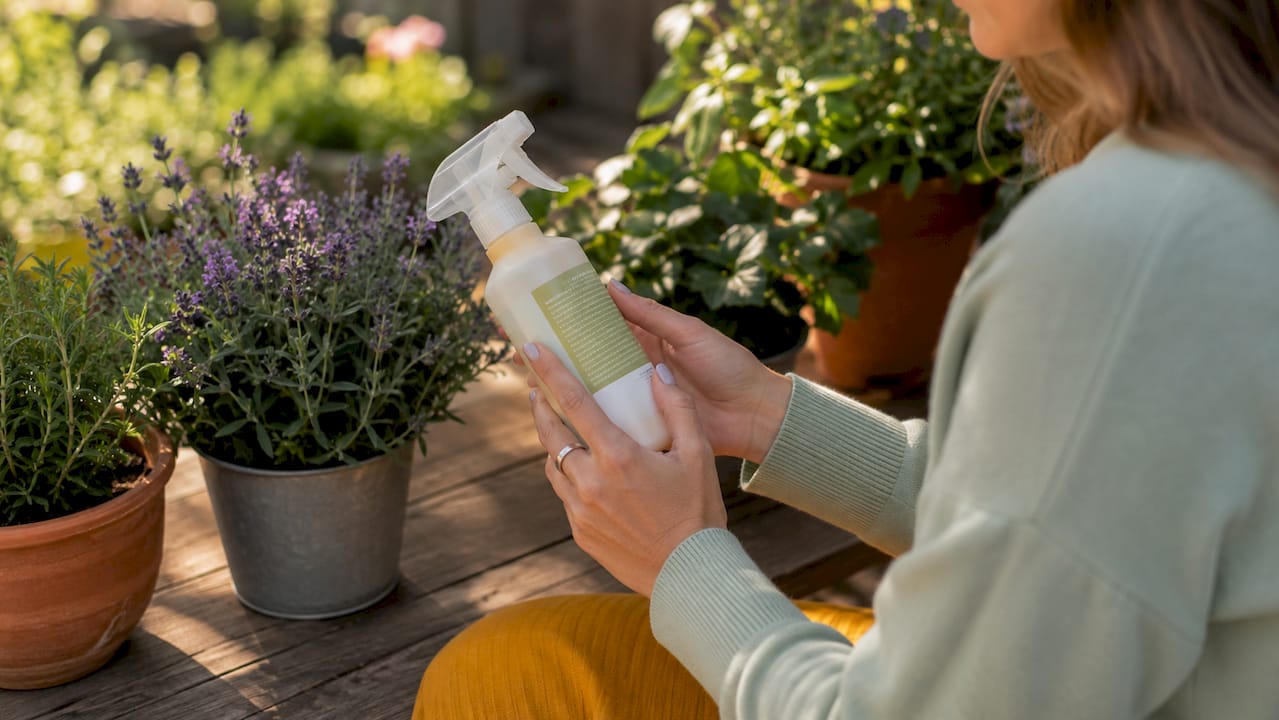
Biodegradability is equally important. A cleaner that breaks down quickly in water systems causes far less ecological damage than one that persists in waterways. The Prosoco All Purpose Cleaner is EPA Safer Choice certified, fragrance-free, and contains no phosphates or environmentally harmful surfactants, making it a strong benchmark for what a certified environmentally friendly cleaner looks like in practice.
Key ingredients to avoid:
- Phosphates (contribute to algal blooms in waterways)
- Sulphates such as SLS (skin and eye irritants)
- Chlorine bleach (respiratory irritant, harmful to aquatic life)
- Hazardous solvents (volatile organic compounds that affect indoor air quality)
- Synthetic fragrances (can mask harmful chemical combinations)
Pro Tip: Always read the back label, not just the front. If a product claims to be “natural” but lists synthetic fragrance or undisclosed preservatives, treat that as a red flag regardless of the packaging design.
Concentrates vs ready-to-use sprays: which is more eco friendly?
The format of your cleaner matters as much as its ingredients. Concentrate and refill models reduce single-use plastic waste significantly. Branch Basics reports that its refill model has contributed to 14 million fewer plastic bottles in landfill and saved over 8 million pounds of CO2 emissions. That scale of impact comes from a simple behavioural shift: buying one bottle of concentrate and refilling a spray bottle repeatedly.
| Format | Environmental benefit | Safety consideration |
|---|---|---|
| Concentrate (e.g., Branch Basics) | Fewer plastic bottles, lower carbon footprint | Requires precise dilution; overdosing increases residue risk |
| Ready-to-use spray (e.g., The Kind Matter Company) | Convenient, no mixing required | Pre-diluted for safe use; no rinsing needed on most surfaces |
| Probiotic starter kit (e.g., YOKUU) | Surfaces stay clean for up to 7 days, reducing frequency of use | Dry concentrate requires careful handling before dilution |
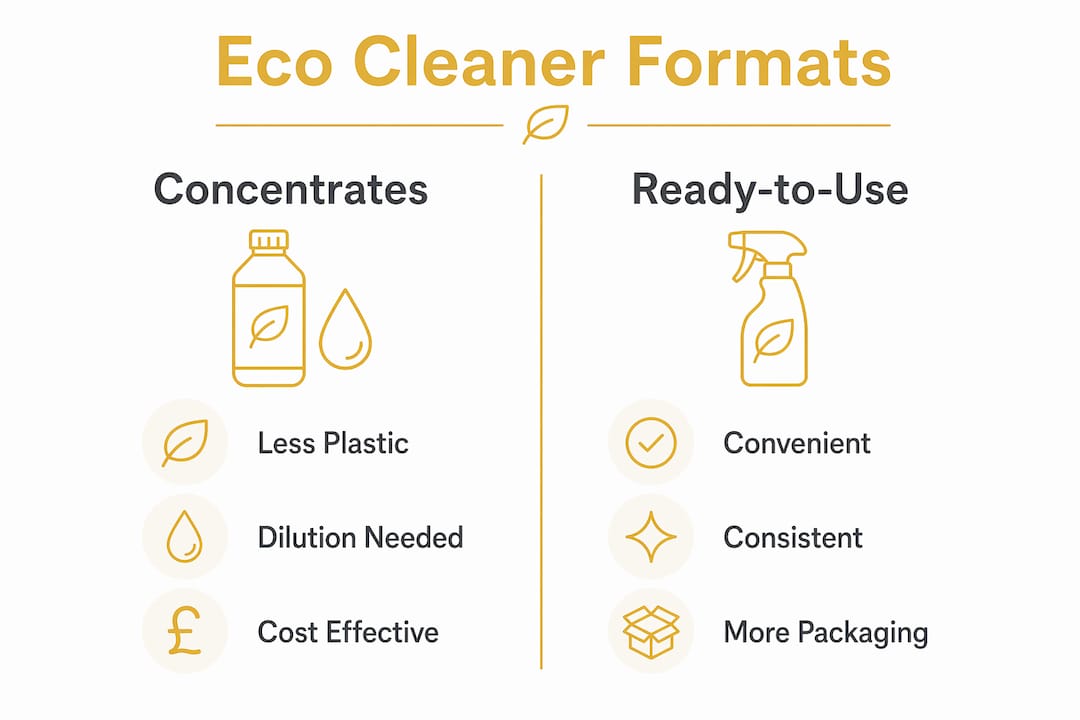
The trade-off with concentrates is that accurate dilution is critical. Over-concentrating a solution increases residue on surfaces and raises indoor air irritant levels, which directly undermines the eco friendly intent. The YOKUU multi-purpose starter kit, for instance, requires dissolving the concentrate in water before it becomes hazard-free, and the dry powder form carries irritation risk if handled incorrectly before mixing.
Ready-to-use sprays like The Kind Matter Company’s Lemon Tea Tree Cleaner remove the dilution variable entirely. The product is pre-formulated for safe, direct application, meaning there is no risk of getting the concentration wrong. For households with young children or anyone who finds measuring concentrates fiddly, a ready-to-use format is the more practical choice.
Pro Tip: If you choose a concentrate, use the measuring cap or syringe provided by the brand. Eyeballing the amount is the most common cause of over-concentration, and it costs you more product per use as well.
Which surfaces can you safely clean with an eco friendly cleaner?
A genuinely versatile natural all purpose cleaner should handle the majority of surfaces in a family home without requiring separate specialist products. The Kind Matter Company’s Lemon Tea Tree Cleaner is safe on stainless steel, sealed stone, floors, glass, and mirrors with a simple spray-and-wipe method and no rinsing required. That no-rinse approach reduces water use and limits the time surfaces remain wet, which matters in homes with crawling infants or curious pets.
Puracy’s multi-surface cleaner covers a similarly broad range and leaves a residue-free, streak-free finish, which is particularly useful on glass and polished surfaces where residue build-up can attract more dirt over time. Streak-free performance also means you use less product per clean, extending the life of each bottle.
Surfaces typically compatible with certified eco friendly cleaners:
- Sealed stone worktops and tiles
- Stainless steel appliances and sinks
- Glass surfaces, windows, and mirrors
- Sealed hardwood and laminate floors
- Painted walls and skirting boards
- Bathroom surfaces including taps and shower screens
One surface category to approach with care is unsealed natural stone such as marble or travertine. Even plant-based acids like citric acid or lemon oil can etch unsealed stone over time. Always check the product label for explicit surface compatibility before applying to any porous or delicate material. For more detail on eco friendly floor care, Thezoofamily has a dedicated guide covering safe options for families with children.
How to use and store eco friendly cleaners safely at home
Safe use starts with reading the label in full before the first application. The EPA notes that exposure to cleaning products occurs primarily during spraying and aerosolising, and during the residue dry-down phase. This applies to eco certified products as much as conventional ones.
Follow these steps to minimise exposure for children, pets, and anyone with respiratory sensitivities:
- Ventilate the room before and during cleaning. Open a window or run an extractor fan to reduce airborne concentration of any sprayed product.
- Follow dilution instructions exactly. If a concentrate specifies one capful per 500ml, do not increase it to speed up cleaning. More product does not mean better results.
- Allow surfaces to dry fully before children or pets re-enter the area. Even non-toxic formulas benefit from a brief dry-down period.
- Store concentrates out of reach. Even after dilution, the undiluted concentrate should be kept in a locked or high cupboard away from children.
- Avoid direct skin contact with dry concentrates. Products like YOKUU’s probiotic starter kit carry irritation risk in their dry form before mixing. Wear gloves during preparation.
The EPA confirms that even Safer Choice certified products can cause eye, skin, or respiratory irritation if misused. “Natural” branding does not override the need for sensible handling. Keeping a non-toxic cleaning routine that avoids harsh bleach in the kitchen is one practical way to reduce daily exposure without sacrificing hygiene.
Pro Tip: Spray onto a cloth rather than directly onto the surface when cleaning near food preparation areas or pet bowls. This reduces airborne mist and gives you more control over where the product lands.
How to choose the best eco cleaner for your household
Choosing the right product comes down to matching certifications, format, and surface compatibility to your household’s specific needs. The table below compares four well-regarded options across the criteria that matter most to eco-conscious families.
| Product | Certification | Format | Key surfaces | Pet and family safe |
|---|---|---|---|---|
| Puracy Multi-Surface Cleaner | Plant-powered, greywater safe | Ready-to-use spray | Glass, stone, floors, appliances | Yes, if used as directed |
| Branch Basics Concentrate | Human-safe formulation | Concentrate with refill bottles | All household surfaces | Yes, with correct dilution |
| The Kind Matter Company Lemon Tea Tree | No-rinse formula | Ready-to-use spray | Stainless steel, glass, sealed stone, floors | Yes, no rinsing needed |
| Prosoco All Purpose Cleaner | EPA Safer Choice certified | Ready-to-use | Stone, tile, masonry | Yes, fragrance-free |
Beyond the product itself, consider your household’s cleaning habits. If you clean frequently and generate a lot of plastic waste, a concentrate like Branch Basics is the more sustainable long-term choice. If simplicity and speed matter more, a ready-to-use spray removes the dilution step entirely. For families concerned about indoor air quality, Thezoofamily’s guide to eco friendly bathroom cleaners explores how switching to greener formulas can cut indoor pollutants by up to 50%.
Sustainability commitments from the brand also matter. Thezoofamily plants one tree for every camera sold, reflecting the same philosophy that drives the best eco cleaning brands: small, consistent actions that add up to meaningful environmental change.
Key takeaways
The most effective eco friendly all purpose cleaner combines EPA Safer Choice certification, transparent ingredients, and a format that suits your household’s cleaning habits and safety needs.
| Point | Details |
|---|---|
| Certification over claims | EPA Safer Choice certification is the most reliable indicator of genuine safety and eco credentials. |
| Ingredient awareness | Avoid sulphates, phosphates, chlorine, and synthetic fragrances regardless of “natural” labelling. |
| Format affects impact | Concentrates reduce plastic waste significantly but require precise dilution to remain safe and effective. |
| Surface compatibility | Always verify product suitability for specific surfaces, especially unsealed stone or delicate materials. |
| Safe storage matters | Store concentrates out of children’s reach and handle dry formats with gloves before dilution. |
Why I think most families underestimate the “natural” trap
The single biggest mistake I see families make when switching to green cleaning products is assuming that “plant-based” automatically means safe. It does not. I have tested products with beautiful botanical branding that contained undisclosed preservatives and synthetic fragrance compounds that triggered respiratory irritation in a small room. The label looked impeccable. The ingredient list told a different story.
What actually changed my approach was understanding that certification is not a bureaucratic hurdle. It is the only mechanism that forces a brand to have every ingredient evaluated independently. When I started filtering by EPA Safer Choice first and brand aesthetics second, the shortlist became much shorter and much more trustworthy.
The concentrate versus ready-to-use debate is also more nuanced than most articles admit. Concentrates are genuinely better for the planet, but they require discipline. I have seen households over-dilute by instinct, thinking more product cleans better, and then wonder why their child developed a mild skin reaction after crawling on a freshly mopped floor. Precise dilution is not optional. It is the product working as designed.
My honest recommendation for families starting out: begin with a certified ready-to-use spray for daily surfaces, then introduce a concentrate once you are comfortable with the routine. The environmental gains from concentrates are real, but only when used correctly. Start simple, build confidence, then scale your impact.
— ALAIN
How Thezoofamily supports your eco friendly home
Thezoofamily was built on the belief that protecting the natural world starts at home, and that belief extends well beyond kids’ cameras and binoculars. The same values that lead Thezoofamily to plant a tree for every camera sold inform a commitment to helping families find cleaning solutions that are genuinely safe for children, pets, and the planet. Whether you are looking for a biodegradable cleaner for daily surfaces or guidance on building a fully eco friendly house cleaning routine, Thezoofamily’s curated guides and product recommendations give you a clear, trustworthy starting point. Visit Thezoofamily to explore the full range of family-safe, planet-conscious resources.
FAQ
What does EPA Safer Choice certification mean for cleaning products?
EPA Safer Choice certification means every ingredient in the product has been evaluated for both human health and environmental safety. It is the most reliable way to distinguish genuinely safer products from those making vague “natural” or “green” claims.
Is a natural all purpose cleaner safe for pets and children?
A certified non-toxic all purpose cleaner is generally safe for households with pets and children when used as directed, but “natural” labelling alone is not sufficient assurance. Look for products that explicitly state family and pet safety alongside a recognised certification such as EPA Safer Choice.
How do I make a DIY eco friendly cleaner at home?
A basic DIY eco friendly cleaner can be made by combining white vinegar, water, and a few drops of tea tree or lemon essential oil in a spray bottle. Note that vinegar-based solutions are not suitable for unsealed stone or marble surfaces, as the acidity can cause etching.
Are concentrate cleaners better for the environment than sprays?
Concentrate cleaners reduce single-use plastic waste and carbon emissions significantly. Branch Basics attributes its refill model to 14 million fewer plastic bottles in landfill. The environmental benefit only holds, however, when the product is diluted accurately according to the manufacturer’s instructions.
Can eco friendly cleaners replace specialist surface cleaners?
A certified all purpose cleaner handles the majority of household surfaces, including glass, stainless steel, sealed stone, and floors. For specialist needs such as eco friendly glass surfaces or heavily soiled grout, a targeted product may still be needed alongside your everyday cleaner.