

A fox camera is a motion-activated wildlife camera designed to capture images and video of foxes and other animals in their natural environment. These devices, more formally known as trail cameras or camera traps, give children a genuine window into wildlife behaviour without disturbing the animals. For parents, they offer a practical way to spark curiosity about nature, photography, and ecology. Thezoofamily builds its entire philosophy around exactly this kind of connection: equipment that draws children closer to the natural world rather than away from it.
What features make a good fox camera?
The best trail cameras for fox watching combine image quality, speed, and durability. Each of these features serves a specific purpose when you are trying to capture a fast-moving animal in low light.
Image resolution and video quality are the starting point. Modern cellular trail cameras reach up to 42MP photos and 1080p video, with trigger speeds as fast as 0.4 seconds. That trigger speed matters enormously for foxes, which move quickly and rarely pause.
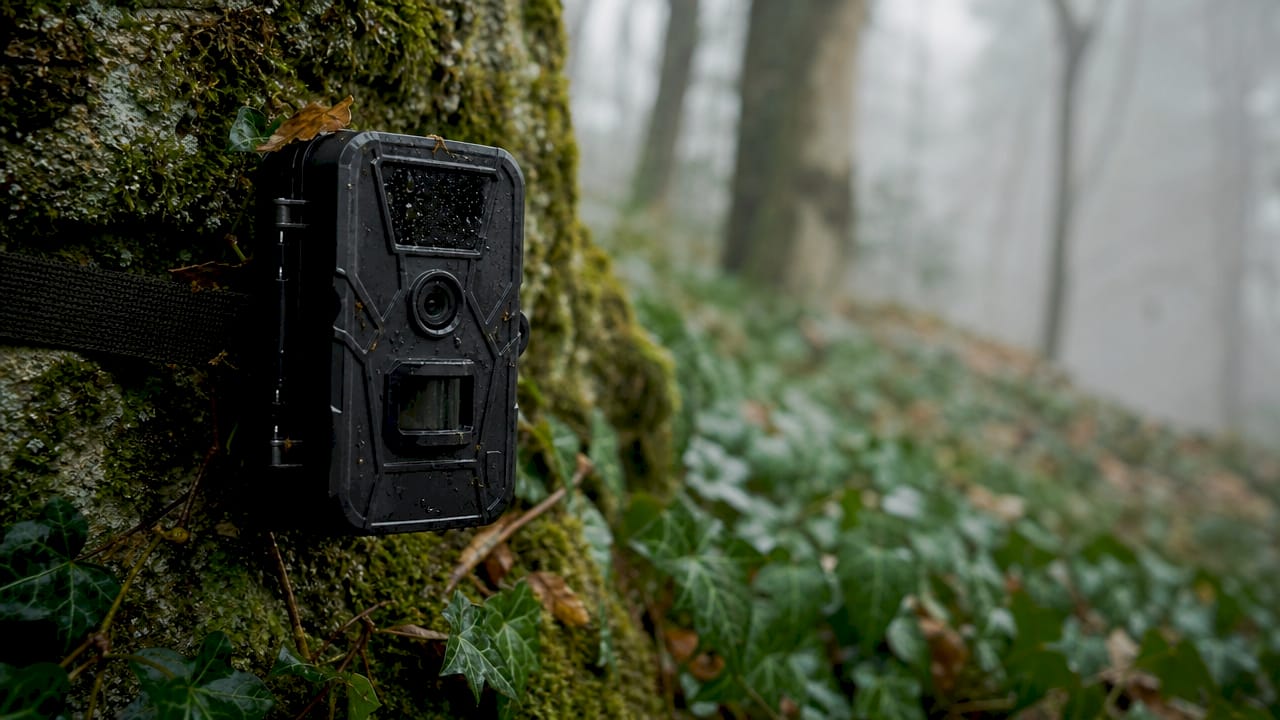
Trigger speed and motion detection determine whether you capture the fox or just its tail disappearing off screen. A 0.4-second trigger is the current benchmark. Anything slower than one second will miss most close-range fox activity.
Durability and weather resistance often count for more than resolution in real-world conditions. Outdoor wildlife cameras can remain buried under snow for months and still function reliably. A camera that fails in November is useless for the winter months when foxes are most active.
Ease of use matters when children are involved. Look for cameras with clear menus, app-based controls, and live-view options. These features let children check footage themselves, which keeps them engaged.
Power options affect how often you need to visit the camera. Solar panels and rechargeable batteries reduce maintenance visits, which also reduces disturbance near fox habitats.
Pro Tip: Test your camera’s actual trigger speed at a bird feeder before placing it near a fox den. Bird feeder testing reveals real-world performance far more honestly than manufacturer specifications, because birds move faster and more unpredictably than most advertised test conditions.
How to choose the right fox camera model for family use
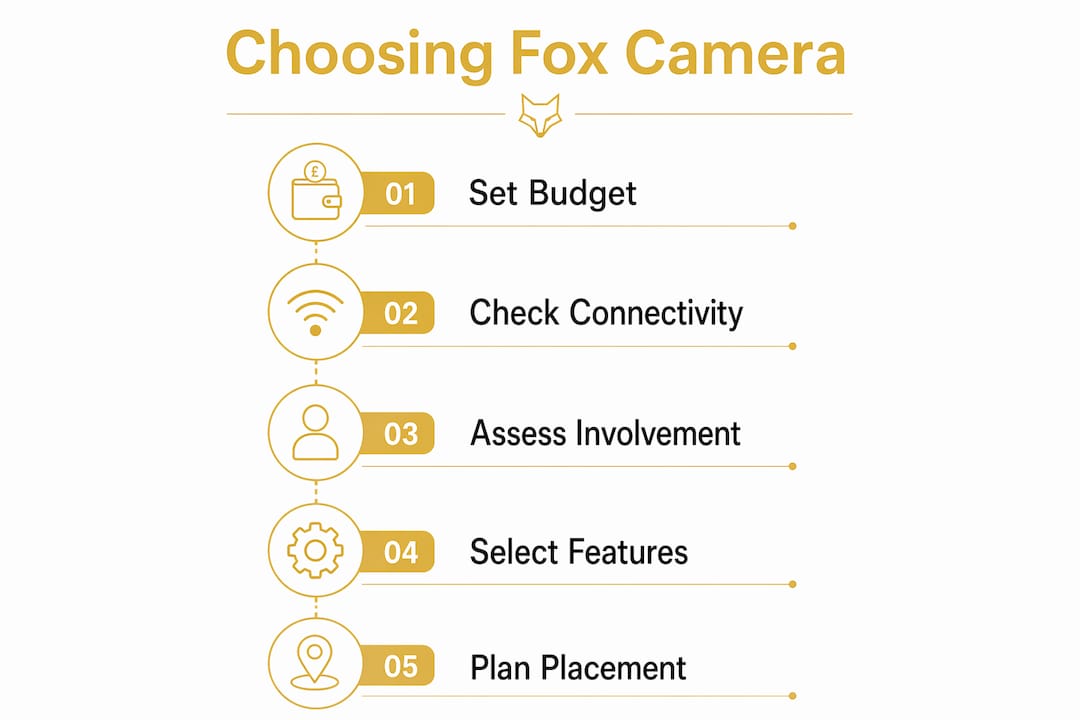
Choosing a fox camera comes down to three decisions: budget, connectivity, and how much involvement you want from your children in the process.
Budget and price ranges
Entry-level cellular trail cameras with solar panels start at around £40–£50. Budget cellular cameras at this price point include remote monitoring and app-based controls, which makes them genuinely useful for families rather than just a compromise. Mid-range models in the £80–£150 bracket typically offer higher resolution, faster triggers, and better night vision. Premium cameras above £150 add features like AI-driven false-trigger reduction and 4K video, which are impressive but rarely necessary for family wildlife watching.
Cellular vs. non-cellular cameras
The choice between cellular and non-cellular cameras is the single most important decision for family use.
- Cellular cameras send photos directly to your phone via a mobile network. Children can check new fox photos at breakfast without anyone visiting the garden. This instant feedback loop keeps young children engaged.
- Non-cellular cameras store images on an SD card. You retrieve them manually. This works well for older children who enjoy the ritual of checking the card, but younger children lose interest quickly between visits.
- App usability varies widely between brands. Before buying, check whether the companion app works on your current phone and whether the interface is simple enough for a child to navigate independently.
Accessories worth considering
A few accessories make the experience significantly better for families. A security box protects the camera from curious hands and weather. A quality mounting strap allows repositioning without tools. A spare SD card means you never miss footage because storage is full. For families who want to combine wildlife watching with outdoor exploration, the geocaching birdhouse from CacheWerk is a creative way to blend nature observation with outdoor activity.
| Camera type | Best for | Key advantage |
|---|---|---|
| Entry-level non-cellular | Beginners, tight budgets | Low cost, simple operation |
| Entry-level cellular | Families with young children | Instant photo delivery to phone |
| Mid-range cellular | Engaged families, regular monitoring | Better image quality, faster trigger |
| Premium cellular | Serious wildlife watchers | AI filtering, 4K video, long battery life |
Pro Tip: Prioritise app simplicity over camera specifications. A child who can check fox photos independently will stay interested for months. A child who needs adult help every time will lose interest within weeks.
How to set up and use a fox camera with children safely
Setting up a trail camera near a fox habitat is straightforward, but the details make the difference between a memory card full of empty frames and genuine wildlife footage.
- Identify a fox route. Look for worn paths along fence lines, gaps in hedges, or areas with fox droppings. Foxes are creatures of habit and use the same routes repeatedly.
- Choose a mounting height of 30–50cm. This puts the camera at fox-body height, which produces far more engaging images than a camera aimed downward from a fence post.
- Point the camera north or south. Avoiding east or west-facing positions prevents the rising and setting sun from triggering false alerts and washing out images.
- Set the trigger sensitivity to medium. High sensitivity captures every leaf movement. Low sensitivity misses quick passes. Medium is the right starting point for most garden locations.
- Check the camera after 48 hours. Review the footage with your children and adjust the angle or sensitivity based on what you captured. This review process is itself an excellent learning activity.
- Reposition gradually as confidence grows. Moving the camera closer to an active den entrance yields more intimate images of cubs, but requires patience and minimal disturbance to avoid the family abandoning the site.
Safety is straightforward. Children should never approach a den directly. Checking the camera is a two-person activity, and the camera itself should be mounted at adult height when children are retrieving SD cards to prevent them from crouching near active wildlife areas.
Pro Tip: Patience is the most underrated skill in fox monitoring. Long-term observation of fox families through regular camera checks builds a far richer understanding of their behaviour than any single sighting ever could. Teach children to treat each check as a chapter in an ongoing story.
Creative activities for children using fox camera footage
The footage your camera captures is raw material for a wide range of creative and educational activities. The images themselves are only the beginning.
- Nature journals. Children can print their favourite fox photos and stick them into a dedicated wildlife journal alongside notes on the date, weather, and what the fox was doing. This builds observation skills and writing habits simultaneously.
- Photography scavenger hunts. Use the photography scavenger hunt format to set children challenges based on their footage: find a photo where the fox is looking directly at the camera, or capture the fox at three different times of day. These structured challenges maintain engagement between camera checks.
- Wildlife behaviour lessons. Reviewing hundreds of trail camera clips over time builds genuine knowledge of animal behaviour. Ask children to track patterns: which nights does the fox visit? Does it always use the same path? Does it travel alone or with cubs?
- Arts and crafts projects. Fox photos make excellent reference material for drawing, painting, or collage. Children who have watched a real fox on camera draw foxes with far more accuracy and detail than those working from books alone.
- Storytelling and family discussions. Watching fox cubs grow from spring through to autumn creates a natural narrative arc. Encourage children to name the foxes, predict what they will do next, and discuss why foxes behave the way they do.
- Ecological photography projects. The skills children develop with a trail camera transfer directly to wider nature photography. The guide on ecological photography for children offers a structured way to build on what they learn from fox monitoring.
Key takeaways
A fox camera works best for families when it combines fast trigger speed, simple app controls, and a placement strategy that prioritises patience over proximity.
| Point | Details |
|---|---|
| Trigger speed is critical | Choose a camera with a trigger speed of one second or faster to capture active foxes reliably. |
| Cellular cameras suit young children | Instant photo delivery to a phone keeps children engaged far better than manual SD card retrieval. |
| Durability beats resolution | A weather-resistant camera that works in winter is more valuable than a high-resolution model that fails in cold conditions. |
| Placement requires patience | Start at fox routes, then move gradually closer to dens over weeks to capture cubs without causing disturbance. |
| Footage fuels creativity | Use captured images for nature journals, scavenger hunts, and storytelling to extend the educational value well beyond the camera itself. |
What I have learned from watching foxes with children
The first time I set up a trail camera with a child, I made every classic mistake. I placed it too high, aimed it east, and set the sensitivity to maximum. The memory card filled overnight with 400 photos of a swaying branch. The child was bored by lunchtime.
What changed everything was slowing down. Once I treated the camera as a long-term project rather than an instant-results gadget, the whole experience shifted. Children who check fox footage weekly for three months develop something genuinely rare: the ability to observe without needing immediate reward. That is a skill most adults struggle with.
The feature that consistently engages children most is not image quality. It is the surprise of discovery. A cellular camera that delivers a fox photo to a child’s tablet at 2 AM, ready to be seen at breakfast, creates a moment of genuine excitement that no amount of resolution can manufacture. The fox becomes a character. The garden becomes a stage.
My honest advice to parents is to resist the temptation to buy the most technically impressive camera available. Buy the one with the best app. Then commit to checking it together, every few days, for at least one full season. The rewards arrive slowly, and that is precisely the point.
— ALAIN
Wildlife cameras and nature kits for curious families
Thezoofamily designs cameras, binoculars, and nature kits specifically for children and the parents who want to share the outdoors with them. Every product is built to make wildlife observation accessible, engaging, and genuinely educational for young children.

For each camera sold, Thezoofamily plants one tree. The goal is not just to sell equipment but to build a generation of children who notice the natural world and want to protect it. Parents can find the full range of kids’ wildlife cameras and nature activity resources at Thezoofamily, alongside guides on setting up garden habitats and encouraging children to observe the wildlife already living nearby.
FAQ
What is a fox camera?
A fox camera is a motion-activated trail camera placed outdoors to capture images and video of foxes in their natural habitat. It triggers automatically when an animal passes within its detection range, requiring no human presence.
What resolution do I need for a fox camera?
Current trail cameras offer up to 42MP resolution and 1080p video, but for family wildlife watching, 12MP and 720p are more than sufficient for clear, engaging footage.
How do I know if my camera’s trigger speed is fast enough?
Test the trigger speed at a bird feeder before placing the camera near a fox route. If it captures birds reliably, it will capture foxes.
Are fox cameras safe to use around children?
Fox cameras are safe for children to use with adult supervision. Children should not approach active dens directly, and camera checks should always be done with a parent present near wildlife areas.
How long does it take to capture good fox footage?
Regular monitoring over a full season produces the most rewarding footage, including cubs growing from spring through to autumn. Expect the first clear fox images within one to two weeks of correct placement.