

Start with home energy, travel, food, waste and planting, because these steps are practical ways to reduce your environmental impact. The IPCC says lifestyle change is part of limiting warming to 1.5°C, and the UN’s ActNow campaign backs the same actions. Parents and educators can turn each one into a child-friendly task.
TL;DR:
- For one person’s footprint, home efficiency can save up to 900 kilograms of CO2e per year, while renewable energy can save up to 1.5 tonnes.
- UN guidance estimates vegetarian diets save up to 500 kilograms of CO2e and vegan diets up to 900; one or two meat free days help.
- UN guidance says car free living or flying less saves around 2 tonnes of CO2e; skipping a long haul return flight saves around the same.
- Parents can turn eco actions into games, using recycling races, energy hunts, or a tree tracker that grows with completed tasks.
Table of Contents
- 1. Which everyday actions can you start this week?
- 2. How can you cut energy use at home?
- 3. What can you do about food and waste?
- 4. How can you travel more kindly to the planet?
- 5. How can you help nature where you live?
- 6. Which activities help children build lasting eco habits?
- 7. How can your voice and money multiply your impact?
- 8. Why small wins matter most
- 9. Spark your child’s curiosity about nature
- FAQ
- Sources
1. Which everyday actions can you start this week?
Ten quick actions make a good first checklist. Each has one reason and one step you can take today.
- Switch to LED bulbs. They use far less electricity. Replace the bulb in your most-used lamp today.
- Set heating and cooling back. Heating and cooling are big energy users. Turn the thermostat down one notch tonight.
- Repair before replacing. Fewer new goods means fewer emissions. Fix one broken item this week.
- Carry a reusable bottle. It avoids single-use plastic. Put one by the door.
- Refuse single-use plastic. Say no to straws and bags. Pack a cloth bag in your coat pocket.
- Sort recycling correctly. Wrong items spoil a whole batch. Check your local rules and stick them on the bin.
- Start a no-car day. Walk, cycle or take the bus. Choose the day now.
- Buy second-hand. It saves the energy of making something new. Look for one item you need before buying new.
- Donate or repair toys. Toys last longer in a second home. Fill one bag today.
- Plant a small native shrub or tree. It feeds insects and birds. Pick the spot this weekend.
A few of these work well as games with children:
- Turn recycling into a sorting race against the clock.
- Let children be “bottle captain” and check everyone has a reusable one.
- Ask them to pick the toy to donate and wave it off.
2. How can you cut energy use at home?
Home energy is one of the easiest places to make a real difference. The UN Environment Programme reports that home efficiency improvements can reduce your footprint by up to 900 kilograms of CO2e per year, and switching to renewable energy can cut up to 1.5 tonnes of CO2e per year.
Efficiency can save up to 900 kg of CO2e a year, and renewable energy can save up to 1.5 tonnes. Both figures come from the same UNEP guidance and apply to one person’s footprint. Small changes at home add up quickly.
Practical measures to try:
- Add insulation and seal draughts around doors and windows.
- Use LED bulbs and switch off lights in empty rooms.
- Wash clothes in cold water and hang them to dry.
- Ask your energy supplier about a renewable tariff.
- Consider a heat pump or solar panels where your home allows it.
For a child-friendly twist, give children an “energy detectives” checklist. They hunt for draughts with a strip of tissue paper, tick off lights left on in empty rooms and report back at dinner. Our mum’s guide to taking care of the environment has more everyday ideas.
3. What can you do about food and waste?
What ends up on your plate, and in your bin, shapes your footprint. The UN ActNow campaign advises eating plant-based foods more often, wasting less food and buying fewer new goods. The same UN guidance estimates that a vegetarian diet can cut up to 500 kg of CO2e a year and a vegan diet up to 900 kg.

According to UN ActNow guidance, a vegetarian diet can save up to 500 kg of CO2e a year and a vegan diet up to 900 kg. Even one or two meat-free days a week moves you in that direction.
Simple steps for a family kitchen:
- Plan meals before you shop, and write a list.
- Freeze leftovers and bread before they spoil.
- Start a small compost caddy for peelings.
- Buy local and seasonal food when you can.
- Repair or donate things rather than throwing them away.
Children enjoy a family “leftover challenge”, where everyone invents a meal from what is already in the fridge. A kitchen compost sorting race teaches them what can and cannot be composted.
4. How can you travel more kindly to the planet?
Getting around is a large part of many households’ footprint. The UN ActNow guidance suggests that living car-free or flying less can save up to about 2 tonnes of CO2e a year, and one fewer long-haul return flight can save around the same. The IPCC’s 1.5°C report treats reduced energy demand as part of the answer.
Swaps that fit most families:
- Walk or cycle short journeys, such as the school run.
- Combine errands into a single trip.
- Use public transport or share a lift.
- Fly less often and choose trains where you can.
Make it a game. Let children map a walking route to school or the park, then keep a “travel chart” with a sticker for every green journey. By the end of the month, they can see which routes work best for your family.
5. How can you help nature where you live?
Native plants and trees support the insects and birds that have evolved alongside them. UNEP’s work on biodiversity stresses protecting and restoring nature through community-rooted approaches, such as eco-villages that pair local livelihoods with environmental protection. At home, the same idea works on a small scale: every native plant adds food and shelter nearby.
Steps to follow:
- Check a native species list for your region.
- Replace a patch of lawn with native shrubs.
- Avoid pesticides, which harm the insects birds depend on.
- Make a wildlife corner with a shallow water dish and a pile of logs.
- Join a local tree-planting event.
We share practical examples in our guide to creating wildlife-friendly gardens for children to explore. If children will be digging and planting, sun and hearing protection advice for gardening clothing for kids is worth a look.
6. Which activities help children build lasting eco habits?
Habits stick when children enjoy them. The UN Environment Programme’s My Sustainable Living Challenge uses gamification, including a “treemagotchi”, to help students track their actions and keep going through team play and shared progress. The IPCC also highlights educators as key to teaching children to act with a critical mind and a hopeful heart.
Ideas for parents and educators:
- A daily “treemagotchi” tracker, where a drawn tree grows with each green action.
- A nature photo scavenger hunt in the garden or park.
- A compost experiment in a clear jar, so children watch scraps break down.
- A reusable craft project, such as bags from old T-shirts.
- A school or class green pledge, signed by everyone.
- A class energy challenge, switching off lights and devices for a week.
Pro Tip: Keep score with a simple chart on the wall, and celebrate each milestone together, because children stay motivated when they can see progress.
For more, see our ideas on playful eco education and celebrating Earth Day with kids.
7. How can your voice and money multiply your impact?
Personal habits matter, and so does what you do together. The UN’s ActNow campaign encourages people to use their voice and their money to multiply impact, whether by speaking up, joining campaigns or choosing responsible companies.
Ways to start:
- Join a local clean-up or start a school project.
- Sign or share petitions that match your values.
- Write to local representatives about green spaces and transport.
- Support businesses with better environmental practices.
- Look at where your pension or savings are invested, since sustainable options reduce indirect support for fossil fuels.
Families can volunteer together at clean-ups or help children build a school display about what they have learned. The UN also offers resources such as Climate Action Superheroes for children and parents.
8. Why small wins matter most
I have seen how quickly children copy what adults do, and that is the real lever here. When a child sees you refill a bottle, mend a toy or plant a shrub, the habit travels with them far beyond your home. Celebrate each small win out loud. Education turns one family’s action into a lifelong way of seeing the world, and that is why we care so much about it at The Zoofamily.
— ALAIN
9. Spark your child’s curiosity about nature
Children care for what they notice. Our nature-inspired cameras and binoculars give young explorers a reason to look closely at birds, bugs and leaves, and our activity ideas help you turn that curiosity into habits.
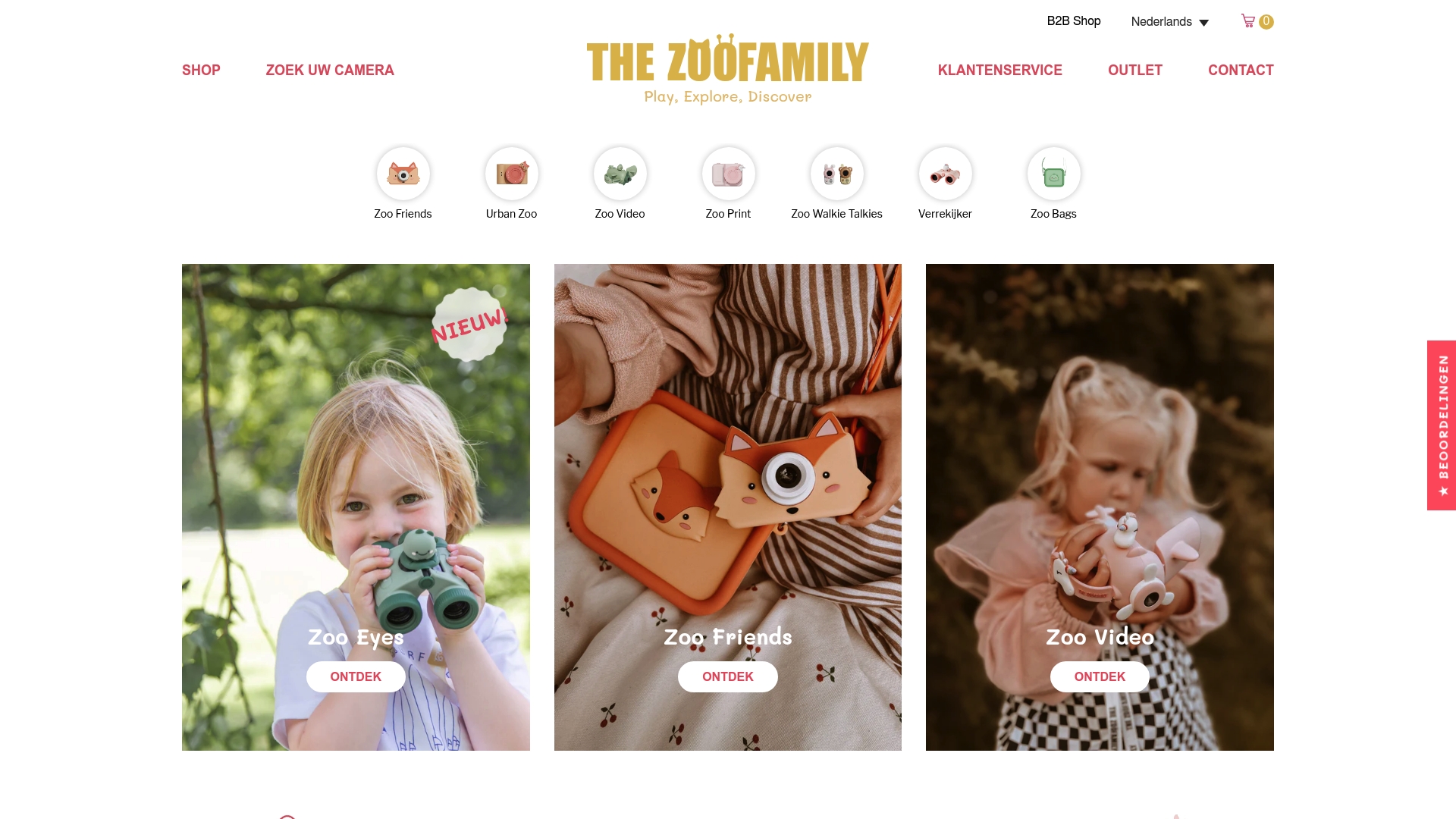
- Browse our full range on The Zoofamily shop.
- See our kids camera collection for a tool that gets young explorers outdoors.
FAQ
What are 5 things you can do for Earth Day?
Plant a native shrub or tree, swap one car trip for a walk or bike ride, start a compost caddy, repair something instead of replacing it, and join a local clean-up. For more ideas with children, see our Earth Day activities.
What does it mean to take care of the Earth?
It means cutting the energy, food, travel and waste that harm the planet, and protecting nature where you live. The IPCC treats lifestyle and behaviour change as part of the response to climate change.
What can I do for the world as one person?
Start with home energy, food choices and how you travel, then add your voice and your money. The UN’s ActNow campaign says speaking up and choosing responsible companies helps multiply individual action.
How can I involve children in caring for the Earth?
Turn actions into games, such as a recycling race, an energy detective hunt or a daily tree tracker. The UN Environment Programme’s My Sustainable Living Challenge uses gamified tracking to encourage continued engagement.
Sources
- Can a network of “eco-villages” save Madagascar’s prehistoric biodiversity?
- IPCC Special Report “Global Warming of 1.5°C”