

Keeping children curious and engaged at home can be challenging, especially when you want every activity to teach something new. Deciding which projects really help kids understand science and the environment is not always simple. Luckily, there are easy experiments and activities that use everyday objects and offer practical lessons in water cycles, plant growth, weather, and more.
This guide promises hands-on activities where your child can watch water evaporate and return as rain, grow healthy plants in recycled containers, and even build their own weather station. Get ready to spark excitement with clever, simple projects that teach real science you can see and touch. Each idea is designed to create learning moments that stick—discover what you and your child can achieve together.
Table of Contents
- 1. Exploring Water Cycles With Simple Evaporation
- 2. Growing Seeds In Recycled Containers
- 3. Making A Homemade Weather Station
- 4. Investigating Plant Life With Leaf Rubbings
- 5. Creating Mini Ecosystems In A Jar
- 6. Observing Insects Safely In The Garden
- 7. Understanding Recycling With Sorting Games
Quick Summary
| Key Message | Explanation |
|---|---|
| 1. Explore water cycles at home | Use simple household materials to demonstrate evaporation, condensation, and precipitation, making science relatable for children. |
| 2. Promote recycling through gardening | Teach children environmental responsibility by growing plants in recycled containers, reducing waste while enhancing learning experiences. |
| 3. Build a homemade weather station | Encourage scientific measurement by creating weather instruments from everyday items, helping children understand atmospheric conditions. |
| 4. Discover plant biology with leaf rubbings | Use art to explore cellular structures and leaf variations, connecting creativity with science in an engaging way. |
| 5. Observe garden insects safely | Teach respect for biodiversity by observing insects in their habitat without disturbing them, fostering appreciation for nature. |
1. Exploring Water Cycles with Simple Evaporation
Water is a remarkable substance that continuously transforms and moves around our planet in an incredible journey called the water cycle. By understanding water transformations, children can explore how liquid becomes vapour and returns as rain through a fascinating home experiment.
The water cycle involves three primary stages that young scientists can observe right in their kitchen:
- Evaporation: Liquid water turning into invisible vapour
- Condensation: Vapour cooling and forming water droplets
- Precipitation: Water returning to Earth’s surface
To demonstrate this process, you can conduct a simple experiment using household materials. Detailed water cycle activities from the United States Geological Survey provide excellent guidance for young learners.
Water does not disappear; it simply changes form and continues its incredible planetary journey.
In this experiment, children will witness how water transforms through evaporation and condensation. By observing water vapour rising, cooling, and forming droplets, they learn about natural purification processes.
Materials Needed
- Clear glass bowl
- Plastic wrap
- Small rock or weight
- Water
- Sunny windowsill or warm location
Pro tip: Always supervise children during scientific experiments and turn learning into a fun, interactive experience.
2. Growing Seeds in Recycled Containers
Turning everyday household waste into a thriving garden is an extraordinary way to teach children about plant biology and environmental responsibility. Growing plants in recycled containers offers a fantastic opportunity to explore how life emerges and develops.
Children can transform everyday items like yoghurt pots, milk cartons, and plastic cups into miniature greenhouses. This approach not only reduces waste but also provides a hands-on learning experience about plant growth and sustainability.
Key benefits of seed growing in recycled containers:
- Reduces household waste
- Teaches environmental responsibility
- Provides direct observation of plant development
- Encourages creativity and resourcefulness
- Connects children with natural growth processes
Every seed contains the potential for an entire ecosystem waiting to emerge.
To begin your seed-growing adventure, collect clean recycled containers with drainage holes. The USDA recommends using potting soil and ensuring proper moisture for successful germination.
Simple Seed Growing Steps
- Clean recycled containers thoroughly
- Create small drainage holes
- Fill with nutrient-rich potting soil
- Plant seeds according to packet instructions
- Place in warm, well-lit location
- Water gently and consistently
Pro tip: Label each container with seed type and planting date to track growth progress and create a fun learning journal.
3. Making a Homemade Weather Station
Understanding weather isn’t just for meteorologists; it’s an exciting journey of discovery that every curious child can embark upon. Creating a homemade weather station transforms your backyard into a scientific laboratory of atmospheric exploration.
Weather observation teaches children about environmental patterns and scientific measurement. By building their own instruments, kids learn how professionals track atmospheric conditions and understand climate interactions.
Key instruments for a homemade weather station include:
- Rain gauge to measure precipitation
- Wind vane to determine wind direction
- Thermometer for tracking temperature
- Barometer to measure atmospheric pressure
- Cloud chart for identifying cloud types
Weather is nature’s most dynamic and unpredictable classroom.
NASA’s Space Place offers fantastic guidance for constructing these fascinating instruments using everyday household materials. Children can transform simple items like plastic bottles, straws, and cardboard into precise scientific tools.
Materials You’ll Need
- Clear plastic bottles
- Cardboard
- Drinking straws
- Markers
- Ruler
- Scissors
- Waterproof tape
Pro tip: Create a dedicated weather journal to record daily observations and track changes over time.
4. Investigating Plant Life with Leaf Rubbings
Every leaf tells a unique story of botanical complexity waiting to be discovered. Leaf rubbings create magical scientific artwork that transforms simple paper into a window into plant structure.
Children can become botanical detectives by capturing intricate leaf patterns using basic art supplies. This activity bridges creative expression with scientific observation.
Key learning benefits of leaf rubbings include:
- Understanding plant cellular structure
- Developing keen observational skills
- Recognising different leaf types
- Exploring natural pattern variations
- Encouraging outdoor exploration
Nature’s most beautiful designs are often hidden in plain sight.
Environmental science activities demonstrate how simple techniques can reveal extraordinary natural details. By pressing leaves onto paper with careful techniques children transform ordinary materials into scientific journals.
Materials for Leaf Exploration
- White paper
- Coloured wax crayons
- Fresh leaves
- Clipboard or hard surface
- Magnifying glass (optional)
Pro tip: Collect leaves from different trees to create a comparative botanical journal that tracks leaf diversity.
5. Creating Mini Ecosystems in a Jar
Imagine capturing an entire world within a glass jar transforming simple household materials into a thriving miniature ecosystem. Environmental science activities offer children a magical window into understanding complex natural interactions.
Mini ecosystems teach children about delicate environmental balances and how different organisms interact and depend on each other for survival.
Benefits of creating jar ecosystems include:
- Understanding ecological relationships
- Observing biological interactions
- Learning about habitat requirements
- Developing scientific observation skills
- Encouraging environmental awareness
Every tiny ecosystem tells a story of interconnected life.
USGS lesson plans suggest carefully selecting components to simulate natural habitats.
Materials for Your Miniature World
- Clear glass jar with lid
- Small pebbles or gravel
- Potting soil
- Small plants
- Moss
- Tiny creatures like insects or snails
- Water
Pro tip: Choose organisms native to your local environment to create a more authentic and sustainable miniature ecosystem.
6. Observing Insects Safely in the Garden
Every garden is a bustling metropolis of tiny creatures waiting to be discovered. Safe insect observation techniques transform your outdoor space into a living classroom of natural wonders.
Understanding insects helps children develop respect for ecological systems and recognise the critical roles these small creatures play in our environment.
Benefits of garden insect observation include:
- Learning about local biodiversity
- Understanding ecosystem interactions
- Developing scientific observation skills
- Appreciating wildlife conservation
- Reducing fear of insects
Small creatures tell profound stories of survival and interconnection.
National Park Service activities recommend gentle approaches to insect exploration that protect both children and creatures.
Safe Observation Guidelines
- Use clear magnifying glasses
- Observe without touching
- Wear light-coloured clothing
- Move slowly and quietly
- Respect insect habitats
- Document observations in a notebook
Pro tip: Create a dedicated insect observation journal with drawings and notes to track your garden’s tiny inhabitants.
7. Understanding Recycling with Sorting Games
Learning about recycling can transform from a mundane chore into an exciting adventure of environmental discovery. Interactive recycling sorting games turn waste management into a fun and educational experience for children.
Understanding proper waste classification helps children develop critical environmental awareness and responsible consumption habits.
Key benefits of recycling sorting games include:
- Developing environmental consciousness
- Learning waste management skills
- Understanding ecological impact
- Improving decision-making abilities
- Making sustainability enjoyable
Every item sorted is a small victory for our planet.
Educational sorting challenges provide engaging methods to teach children about different waste categories and their appropriate disposal methods.
Recycling Game Strategies
- Start with basic sorting categories
- Explain why each item belongs in its bin
- Use colourful visual cues
- Make scoring fun and encouraging
- Discuss environmental consequences
Pro tip: Create a home recycling station with clearly labelled bins to continue the learning experience beyond the game.
Below is a comprehensive table summarising the hands-on science and educational activities presented in the article, aimed at fostering curiosity and learning among children.
| Activity | Description | Learning Outcomes |
|---|---|---|
| Exploring Water Cycles | An experiment demonstrating evaporation, condensation and precipitation using household materials. | Understanding water’s transformations and cycle, recognising natural purification processes. |
| Growing Seeds in Recycled Containers | Using household waste like yoghurt pots for planting seeds. | Learning about plant biology, sustainability, creativity, and ecological responsibility. |
| Making a Homemade Weather Station | Creating instruments like rain gauges and thermometers to observe weather patterns. | Understanding environmental patterns, developing measurement skills, and recognising climate interactions. |
| Investigating Plant Life with Leaf Rubbings | Capturing leaf patterns using wax crayons and paper. | Gaining insights into plant structures, types, and encouraging outdoor exploration. |
| Creating Mini Ecosystems in a Jar | Simulating habitats in jars with soil, plants, and small creatures. | Observing ecological relationships, habitat dynamics, and fostering environmental awareness. |
| Observing Insects Safely in the Garden | Watching insects without harm using magnifying tools and journals. | Developing respect for ecological systems, understanding biodiversity, and improving observation skills. |
| Understanding Recycling with Sorting Games | Sorting waste into categories through interactive games. | Gaining environmental consciousness, learning waste management, and promoting responsible habits. |
Inspire Young Explorers to Connect with Nature and Science at Home
The article highlights how early years science experiments spark curiosity while teaching fundamental concepts like water cycles, plant growth, and ecosystems. These activities often face the challenge of keeping children engaged while fostering a genuine connection with the natural world. At The Zoofamily, we understand that playful learning tools are essential to nurture this enthusiasm. Our products, designed with animal references and nature in mind, encourage children to observe and interact with their environment, transforming scientific discovery into heartfelt experiences.
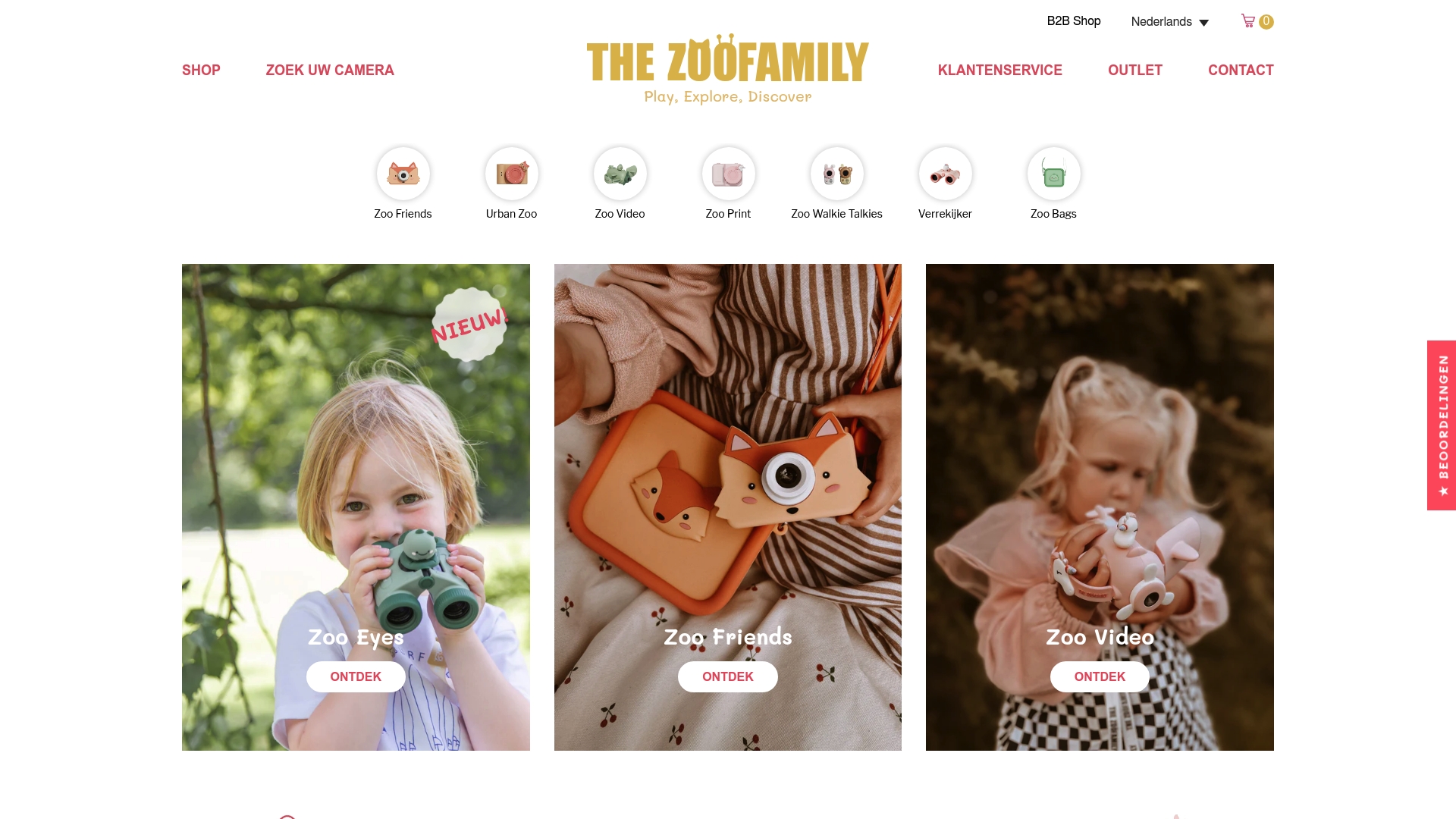
Equip your little scientists with the best kids’ cameras, walkie-talkies, and binoculars from The Zoofamily to support hands-on experiments like growing seeds or observing insects safely. Every purchase plants a tree, reinforcing the message of environmental care. Explore how to deepen your child’s wonder and learning with innovative tools at The Zoofamily and start creating unforgettable nature adventures today.
Frequently Asked Questions
What materials do I need for the experiments?
To conduct the experiments listed in the article, gather common household materials such as clear glass bowls, plastic wrap, recycled containers, soil, and small plants. Start collecting these items to create a complete set for all experiments.
How can I ensure my child safely engages with these experiments?
Supervise your child closely during experiments to ensure safety and proper usage of materials. Communicate clear instructions and encourage them to ask questions throughout the process.
What age group are these science experiments suitable for?
These experiments are designed for early years children, typically aged 3 to 7 years. Tailor the complexity of each experiment based on your child’s understanding and skills.
How can I track my child’s learning progress during the experiments?
Encourage your child to keep a journal for each experiment, noting observations, drawings, and outcomes. Review their journals regularly to celebrate learning milestones and encourage reflection on their discoveries.
What benefits do these science experiments provide for young children?
These experiments help children develop scientific observation skills, environmental awareness, and an understanding of basic scientific concepts. Engage in discussions about what they learned to reinforce these benefits after each activity.
Recommended
- Making Learning Fun: Engaging Activities for Your Kids – The Zoofamily
- 7 idées goûter nature enfants pour éveiller leur curiosité – The Zoofamily
- 7 top livres enfants nature pour éveiller l’écologie – The Zoofamily
- Making Learning Fun: Engaging Activities for Your Kids – The Zoofamily
- 7 essential family cruise tips for first time travelers