

Successful family nature trips are defined by one principle: matching the experience to your children’s actual capabilities, not your aspirations for them. Families with children aged 5–12 who plan outdoor vacations around age-appropriate activities, flexible daily rhythms, and realistic logistics consistently report stronger family bonding and greater environmental awareness. Planning family nature trips well means choosing the right destination, packing with purpose, and building in enough breathing room for the unexpected. This guide gives you a practical framework to do exactly that, from first research to final campfire.
How to plan family nature trips that work for children aged 5–12
The most effective starting point is a four-filter evaluation system. Destination selection works best when you assess age suitability for your youngest child, desired activity level, preferred travel style, and planning friction. Each filter narrows your options quickly and stops you booking somewhere that looks beautiful but exhausts a seven-year-old by day two.
Age suitability is the non-negotiable filter. A trail rated “moderate” for adults can be genuinely hard for a five-year-old. Look for destinations that offer gentle walks, wildlife spotting, paddling, and short nature trails rather than multi-hour ascents. Activity level comes next: decide whether your family wants one big physical challenge per day or a gentler mix of exploring and resting. Travel style covers whether you prefer camping, self-catering cottages, or lodges with facilities. Planning friction is the hidden filter most families ignore: a destination that requires three connecting flights and a long transfer adds stress before the trip even begins.
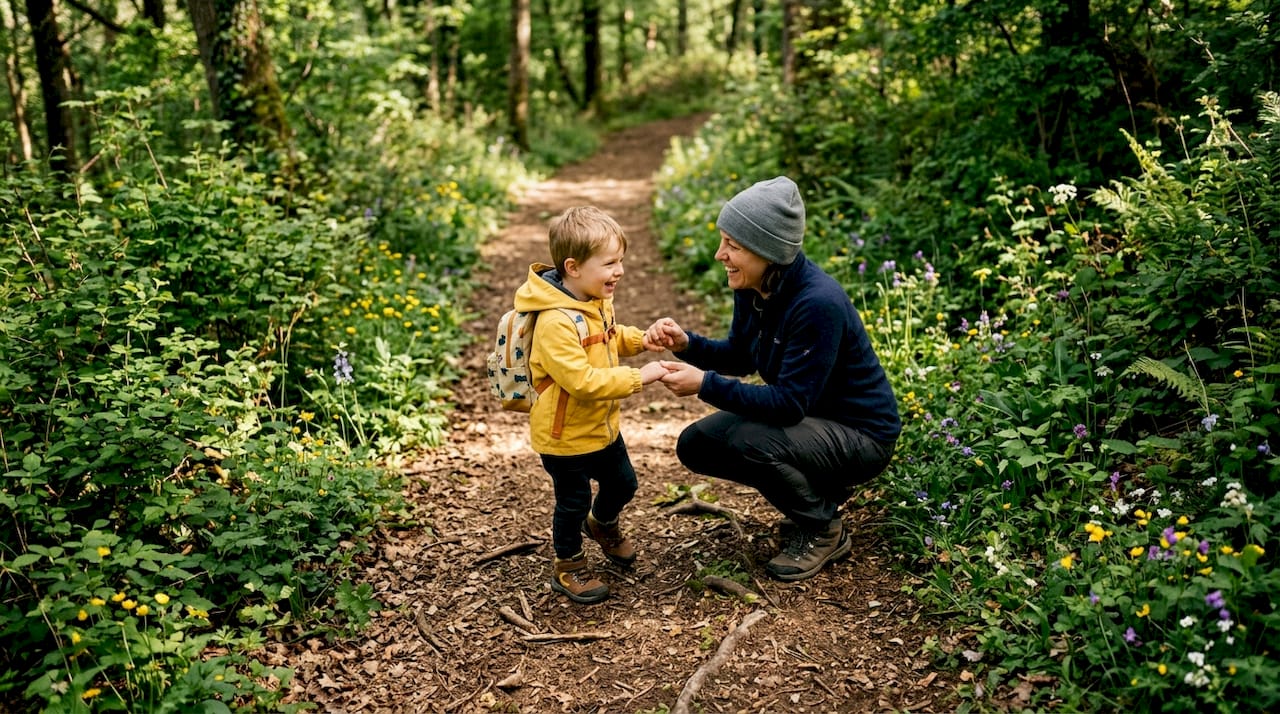
Accessibility matters more than most guides admit. Outdoor activity access within a 15-minute walk of your lodging prevents the exhaustion that comes from long transfers between accommodation and the actual experience. That 15-minute threshold is the difference between children arriving at a trail energised and arriving already tired.
Activity duration is equally important. Active sessions like coasteering or kayaking typically last 2.5–3 hours for children aged 6–10. That window balances engagement and energy. Plan your main activity within that range and you will rarely face a meltdown mid-session.
Pro Tip: Involve your children in choosing the destination and at least one activity before you book. Children who feel ownership over the plan are more cooperative on the ground and more willing to push through mild discomfort.
What should you pack for outdoor adventures with young children?
Packing for a family nature trip is not about bringing everything. It is about bringing the right things for each child and each activity. Customised packing per child, using individual packing cubes rather than a shared family bag, reduces stress and improves readiness. Each child’s cube contains their own layers, sun protection, and any personal medical items. You find what you need in seconds rather than rummaging through a shared bag at the trailhead.
The core kit for children aged 5–12 on any nature outing includes:
- Footwear: waterproof walking shoes or boots with ankle support, plus a spare pair of trainers
- Sun protection: high-SPF sunscreen, a wide-brimmed hat, and UV-protective clothing for exposed days
- Insect repellent: DEET-free options are available and suitable for children aged five and above
- Personal medical kit: any prescribed medication, plasters, antihistamine, and a basic first-aid card
- Flexible play bag: a small rucksack per child containing a magnifying glass, a nature journal, a small bucket, and a field guide appropriate for their age
The play bag is the item most families overlook. It turns a rest stop into a discovery session. A magnifying glass and a field guide give children a reason to slow down and look closely at what is around them, which is exactly the kind of environmental engagement that builds lasting appreciation for nature.
Nutrition on the go deserves its own plan. Easy-to-carry snacks like oat bars, dried fruit, cheese portions, and fruit pouches maintain energy without requiring refrigeration. If possible, choose lodging with kitchen access so you can prepare simple meals rather than relying on restaurants that may not suit younger children’s schedules or tastes.
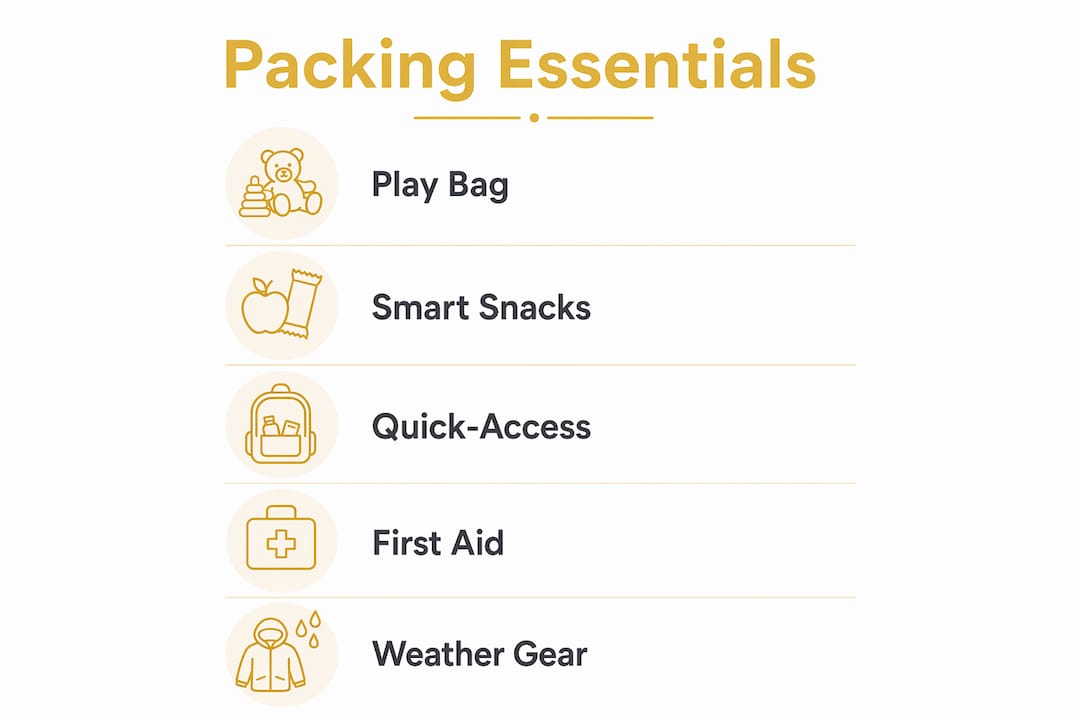
Pro Tip: Pack a small “quick-access pouch” in your day bag with snacks, a spare layer, and a first-aid card. Keep it at the top of your rucksack so you can reach it without unpacking everything when a child needs something urgently.
How do you structure daily itineraries for great outdoor family vacations?
Energy management is more important than activity quantity. Block-based daily plans that divide the day into morning movement, midday pause, afternoon transition, and evening rest outperform rigid activity lists every time. The block approach gives you a structure without locking you into a schedule that falls apart the moment a child wakes up tired or the weather turns.
A practical block-based day looks like this:
- Morning movement (8:00 AM–11:00 AM): the main activity of the day, whether a nature walk, a kayak session, or a wildlife trail. Children are freshest in the morning and most willing to engage physically.
- Midday pause (11:00 AM–1:00 PM): lunch, rest, and free play near the accommodation. This is not wasted time. It is the recovery window that makes the afternoon possible.
- Afternoon transition (1:00 PM–4:00 PM): a lighter, child-led activity such as nature bingo, a visit to a local market, rock pooling, or a short cycle. Keep it low-pressure and follow the children’s lead.
- Evening rest (4:00 PM onwards): dinner, a quiet activity like drawing or reading a field guide, and an early bedtime. Maintaining a bedtime close to the home routine prevents cumulative fatigue from building across the trip.
Flexibility in plans is what separates a good trip from a stressful one. When weather or energy dips, swap the planned hike for a covered nature centre, a local market, or a simple nature bingo game in the garden. Having two or three easy swap ideas ready before the trip means you never feel stuck.
For overall trip length, a 7–10 day itinerary using three-night segments in distinct regions balances exploration with reduced travel friction. Moving every three nights gives children enough time to settle into a place before moving on, without the boredom that comes from staying too long in one spot.
Pro Tip: Start planning domestic trips at least 12 weeks ahead, and international or peak-season trips 4–6 months in advance. Passports, vaccinations, and popular accommodation book out faster than most families expect.
How do you keep children safe and engaged on nature trips?
Safety education works best when it feels like play, not a lecture. The National Park Service’s Junior Ranger programme teaches trail markers, wildlife distance rules, and separation protocols through activities and badges rather than rules and warnings. Many national parks and nature reserves across the UK and Europe run equivalent schemes. Signing your children up before or during the trip gives them a sense of purpose and a framework for understanding why certain rules exist.
Practical safety habits to build before you leave home include:
- Teaching children to recognise trail markers and stay on marked paths
- Agreeing on a meeting point at every new location in case of separation
- Practising the “stop, stay, shout, and wave” protocol if a child becomes separated
- Establishing wildlife distance rules: no touching, no feeding, and a minimum distance from any animal
- Using a buddy system so children always have a peer to check in with during activities
Involving children in safety preparation before the trip increases their investment and reduces behavioural challenges on the ground. A child who helped choose the trail and knows the safety rules feels capable rather than managed. That shift in dynamic changes the entire atmosphere of the outing.
Teaching children to navigate public spaces safely extends beyond the trail. Guidance on protecting children in crowded spaces applies directly to travel days, ferry terminals, and busy visitor centres where families can easily become separated.
Integrating safety knowledge into a game or educational programme makes safety more engaging and less stressful for children. When a child earns a Junior Ranger badge for identifying trail markers, they remember the lesson far longer than if a parent simply told them the rule.
Key takeaways
Successful outdoor adventures for families depend on matching the experience to your children’s energy and age, not on packing in as many activities as possible.
| Point | Details |
|---|---|
| Use the four-filter system | Evaluate destinations by age suitability, activity level, travel style, and planning friction before booking. |
| Keep activities within 2.5–3 hours | Active sessions lasting 2.5–3 hours suit children aged 6–10 and prevent mid-activity exhaustion. |
| Pack per child, not per family | Individual packing cubes for each child reduce stress and improve readiness at the trailhead. |
| Use block-based daily plans | Divide each day into morning movement, midday pause, afternoon transition, and evening rest. |
| Make safety feel like play | Junior Ranger programmes and pre-trip safety games build confidence and reduce behavioural challenges outdoors. |
Why I stopped trying to do too much on family nature trips
The biggest mistake I see families make is treating a nature trip like a bucket list exercise. They book five activities in four days, drive two hours between each one, and arrive home more tired than when they left. The children remember the car journeys. The parents remember the arguments.
The trips that actually work are the ones where you do less and feel more. One good morning activity, a proper lunch, and an afternoon where the children lead. That is it. The emotional setup before the trip matters as much as the logistics. When children help choose the destination, pack their own play bag, and understand the safety rules, they arrive invested rather than passive. That investment carries the whole trip.
Parents also consistently underestimate how much the outdoor environment does the work for them. You do not need to entertain children in nature. You need to give them the tools to entertain themselves: a magnifying glass, a field guide, a bucket, and enough time. Thezoofamily’s range of kids’ binoculars and cameras are built precisely for this. They give children a reason to look closely at the world around them, which is the foundation of genuine environmental appreciation.
My honest advice: plan less, prepare more, and trust the outdoors to do the rest.
— ALAIN
Thezoofamily and your next family nature adventure
Thezoofamily builds tools that help children connect with the natural world on their own terms.
Every Thezoofamily camera, walkie-talkie, and pair of binoculars is designed with animal references that spark curiosity in children aged 5–12. For every camera sold, Thezoofamily plants one tree. The brand’s blog covers outdoor adventure strategies for families, from safety tips to activity ideas that work in any season. Whether you are planning your first camping weekend or a longer nature holiday, Thezoofamily’s guides and gear give your children the tools to engage with nature actively and confidently. Visit Thezoofamily to find resources, activity ideas, and equipment built for families who take the outdoors seriously.
FAQ
How far in advance should I plan a family nature trip?
Plan domestic trips at least 12 weeks ahead. For international or peak-season travel, start 4–6 months in advance to handle passports, vaccinations, and accommodation bookings.
What is the best activity duration for children aged 5–12?
Active sessions like kayaking or coasteering work best at 2.5–3 hours for children aged 6–10. This window keeps energy and engagement high without pushing children past their limits.
How do I choose the right nature destination for young children?
Evaluate destinations using four filters: age suitability for your youngest child, desired activity level, preferred travel style, and planning friction. Prioritise locations with outdoor access within a 15-minute walk of your lodging.
How can I make safety rules engaging for children on nature trips?
Use programmes like the National Park Service’s Junior Ranger scheme, which teaches trail markers, wildlife distance rules, and separation protocols through activities and badges rather than lectures.
Should I involve my children in planning the trip?
Involving children in destination and activity choices before the trip increases their investment and reduces behavioural challenges during outings. Children who feel ownership over the plan are more cooperative on the ground.