

Celebrating family milestones is the practice of marking significant life events, from birthdays and anniversaries to graduations and reunions, with deliberate, personalised activities that deepen family bonds. The difference between a forgettable party and a memory that lasts decades comes down to intention. Generic templates produce generic results. The families who look back on celebrations with genuine warmth are those who tailored every detail around the people they love, not around what a party “should” look like. This article gives you concrete, creative ideas and practical planning tools to make your next milestone celebration genuinely meaningful.
1. What are the top creative ways to celebrate family milestones?
The most memorable celebrations reflect the guest of honour’s personality rather than a standard party checklist. Start there, and every other decision becomes easier.
- Video montage with remote contributions. Collect short video clips from family members who cannot attend in person. Over 30 remote video submissions can create a deeply personal emotional centrepiece that costs very little to produce. This approach means no one feels left out, regardless of geography.
- Personalised storybooks. Commission or create a custom book that tells the honouree’s life story in their own words and photographs. Personalised storybooks help children process and remember milestone moments long after the event ends. They become physical objects that families return to for years.
- Heritage-themed parties. Build your décor, food, and activities around your family’s cultural background or a shared passion. A family obsessed with the natural world might host an outdoor nature party with wildlife-inspired games and animal-themed decorations. Thezoofamily’s nature-themed birthday tips offer a strong starting point for this approach.
- Acts of kindness as a family. Mark a milestone by doing something for others. Volunteer together, plant trees, or donate to a cause the honouree cares about. This approach gives the celebration a purpose beyond the party itself.
- Note boxes and time capsules. Ask every guest to write a message, prediction, or memory on a card. Seal the box and agree on a date to open it together. This single tradition creates a reason to gather again.
- Signature songs or playlists. Let the honouree choose a song that defines each decade or chapter of their life. Play the playlist during dinner and invite guests to share the memory attached to each track.
Pro Tip: Ask the guest of honour directly what kind of atmosphere they want before you plan anything else. Experts recommend this conversation as the single most effective step for making a celebration feel genuinely special rather than generic.
2. How to plan your milestone celebration effectively and stress-free

Planning timelines are the most underestimated part of organising a milestone event. Parents routinely start too late and spend the final weeks managing avoidable crises.
Planning timelines should scale with guest count: allow 4–6 weeks for small gatherings, 6–8 weeks for medium parties, and 8–12 weeks for large milestone events. That runway gives you time to coordinate travel, book venues, and handle catering without pressure. Large events need the full 12 weeks to avoid last-minute stress.
Budget by guest, not by gut feeling
Per-guest cost is the primary budget lever that defines whether your event feels simple or premium. Set your total budget first, divide it by your expected guest count, and that per-person figure tells you immediately what is and is not possible. Adjust the guest list before you adjust the quality of the experience.
Schedule with restraint
Limiting structured activities to 2–3 key moments keeps the atmosphere relaxed and prevents guests from leaving early. Build in unstructured time between activities. Families connect most naturally when they are not being herded from one scheduled event to the next.
Here is a simple planning framework for milestone birthday parties of different sizes:
| Event size | Guest count | Planning lead time | Key activities |
|---|---|---|---|
| Intimate gathering | Up to 15 | 4–6 weeks | 1–2 activities plus shared meal |
| Medium party | 15–40 | 6–8 weeks | 2–3 activities plus entertainment |
| Large milestone event | 40 and above | 8–12 weeks | 3 activities plus station-based zones |
Pro Tip: Build your guest list into three groups: immediate family only, extended family, and friends. Decide which groups to invite before you book anything. Mixing all three without thought creates a crowd that does not naturally connect.
3. How to create meaningful keepsakes that preserve the milestone memory
A celebration lasts a few hours. A well-made keepsake lasts a lifetime. The families who invest in physical and digital mementos find that those objects become the real legacy of the event.
- Family photography with pets and children. Authentic shots come from relaxed moments, not posed lineups. Including pets in family milestone photography adds warmth and genuine character to your keepsakes. Let children and animals interact naturally and capture what happens. Thezoofamily’s photography tips for families give parents practical techniques for getting those candid, memorable shots.
- Photo albums with written captions. A printed album with handwritten or typed captions from different family members becomes a shared narrative, not just a collection of images. Ask three or four relatives to each write a caption for their favourite photo.
- Memory boxes. Collect physical items from the celebration: a menu card, a pressed flower, a handwritten note, a printed photo. Store them in a labelled box with the date. This costs almost nothing and produces something irreplaceable.
- Video compilations. Edit the remote video contributions and any footage from the day into a single short film. Keep it under ten minutes. Families who receive a polished video compilation watch it repeatedly over the years.
- Repeatable traditions. The most powerful keepsake is a tradition that recurs. An annual family photo in the same location, a shared recipe made every birthday, or a letter written to the honouree each year creates continuity that a single party cannot.
| Keepsake type | Best for | Effort level |
|---|---|---|
| Personalised storybook | Young children and milestone birthdays | Medium |
| Printed photo album | All ages | Low to medium |
| Video compilation | Large gatherings with remote family | Medium to high |
| Memory box | Any milestone | Low |
| Time capsule note box | Reunions and landmark anniversaries | Low |
4. What makes celebrations inclusive and engaging for every generation?
A family gathering spans toddlers to grandparents. The celebrations that work for everyone share one structural feature: they do not force everyone into the same activity at the same time.
Station-based programming with varied zones encourages natural multigenerational interaction without pressure. Set up a craft table for younger children, a games area for teenagers, a comfortable seating zone for older relatives, and a shared space where everyone can drift in and out. This structure means no one feels excluded and no one feels obligated.
- Toddlers and young children need short, tactile activities: colouring, simple nature scavenger hunts, or animal-themed games. Keep their zone close to where parents are seated.
- Teenagers engage best with activities that give them some autonomy. A photography challenge using a kids’ camera or a team-based game works well. Thezoofamily’s cameras are built specifically for this age group and hold up to outdoor use.
- Adults appreciate good food, conversation, and a comfortable space. Do not over-programme their time.
- Older relatives often want to share stories. Give them a formal moment to do so, whether that is a short speech, a recorded interview, or a seat at the memory-sharing table.
A single emotional focal point unifies the whole gathering. A video tribute, a shared story, or a core tradition gives every generation something to experience together, regardless of age. That shared moment is what people remember when everything else fades.
If you plan to include a family dog or other pet at the celebration, consider the animal’s temperament in a crowd. Choosing a calm, non-aggressive dog for family events makes the experience safer and more enjoyable for children and older guests alike.
Key takeaways
The most effective way to celebrate family milestones combines intentional personalisation, realistic planning timelines, and a single emotional focal point that unifies every generation present.
| Point | Details |
|---|---|
| Personalise around the honouree | Ask the guest of honour directly what atmosphere they want before planning begins. |
| Scale your planning timeline | Allow 4–6 weeks for small events and 8–12 weeks for large milestone celebrations. |
| Limit structured activities | Cap key activities at 2–3 to keep the atmosphere relaxed and prevent early departures. |
| Invest in physical keepsakes | Memory boxes, printed albums, and personalised storybooks outlast the event by decades. |
| Use station-based zones | Separate activity areas for different ages create natural interaction without pressure. |
Why intention matters more than budget
The celebrations I have seen leave the deepest impression share almost nothing in common in terms of cost or scale. What they share is that someone sat down with the guest of honour beforehand and asked a simple question: “What would make this feel right for you?” That conversation changes everything.
Parents often assume that a bigger party or a more elaborate theme signals more love. The opposite is frequently true. A grandmother who receives a handmade storybook filled with her grandchildren’s drawings will remember that long after she has forgotten the catering. A teenager who watches a video of thirty relatives sharing their favourite memory of him will carry that with him into adulthood.
The families I admire most treat milestones as an opportunity to articulate what they value about each other. The decorations are secondary. The food is secondary. The moment when someone says, clearly and specifically, “Here is what you mean to us” is the thing that lasts. Build your celebration around that moment, and everything else will fall into place.
— ALAIN
How Thezoofamily can support your next milestone celebration
Marking a milestone well means capturing it well. Thezoofamily designs kids’ cameras, walkie-talkies, and binoculars that make children active participants in family celebrations rather than passive guests. When children photograph their own experience of a birthday or reunion, those images become some of the most honest and touching keepsakes a family can own.
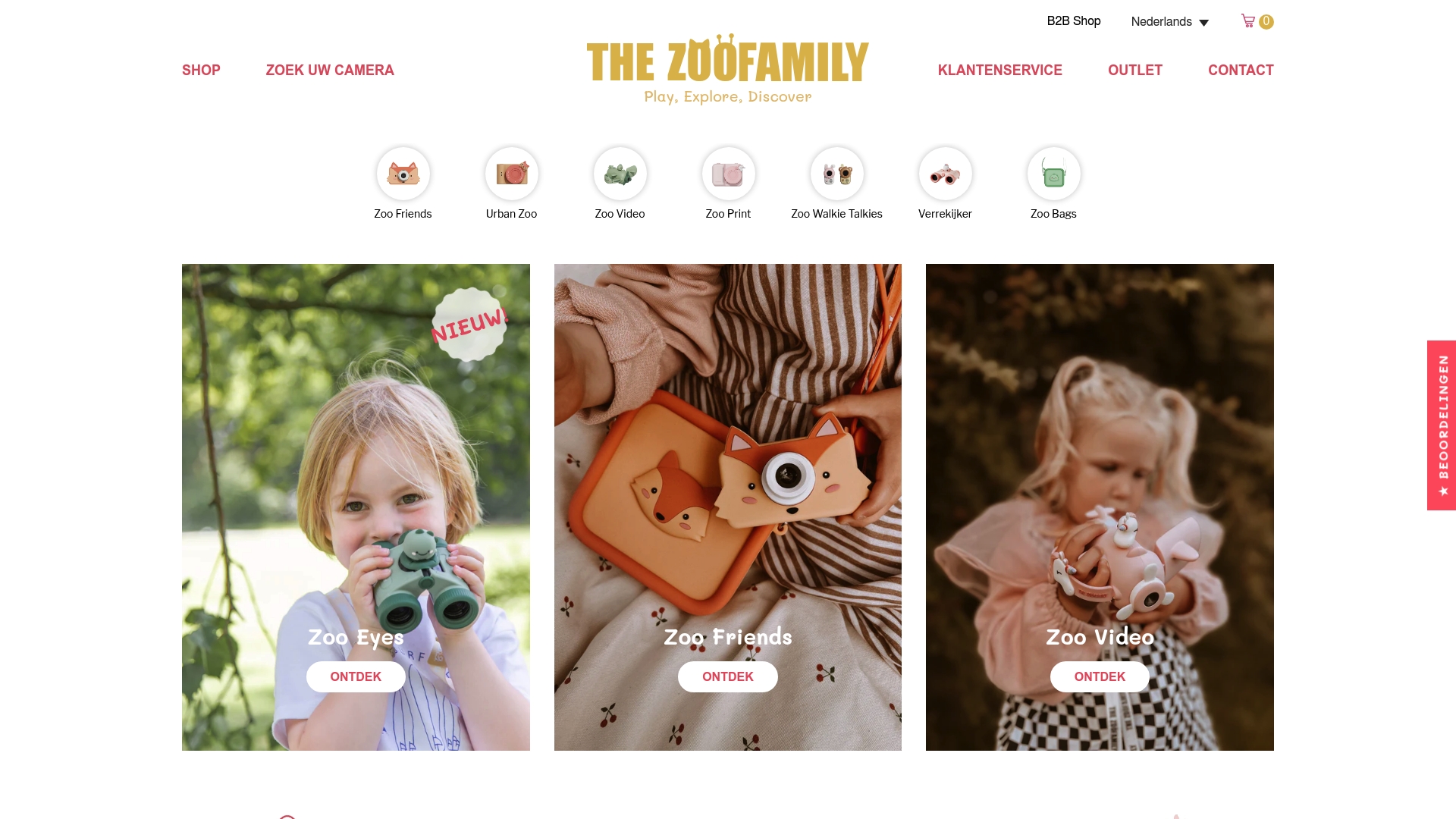
Thezoofamily’s complete guide to making memories matter gives parents practical frameworks for building keepsake projects around milestone events, from photo challenges to nature-based activities that work for all ages. Every camera sold plants one tree, so your celebration contributes to something that lasts far beyond the day itself. Visit Thezoofamily to find the right tools for your family’s next milestone.
FAQ
What counts as a family milestone worth celebrating?
A family milestone is any significant life event that marks growth, change, or achievement, including birthdays, anniversaries, graduations, new arrivals, and reunions. The event does not need to be large to deserve a deliberate celebration.
How far in advance should I plan a milestone birthday party?
Plan 4–6 weeks ahead for small gatherings and 8–12 weeks ahead for large milestone events. Starting earlier reduces last-minute stress and gives guests time to arrange travel.
What is the best keepsake idea for a family milestone?
Personalised storybooks and printed photo albums with written captions are among the most lasting keepsakes. Physical mementos become ritual objects that families return to repeatedly across generations.
How do I keep a milestone celebration engaging for all ages?
Use station-based activity zones tailored to toddlers, teenagers, adults, and older relatives. Separate zones encourage natural interaction without forcing everyone into the same activity at the same time.
How many activities should I plan for a milestone event?
Limit structured activities to 2–3 key moments and build in unstructured time between them. Over-scheduling reduces enjoyment and causes guests to leave earlier than planned.