

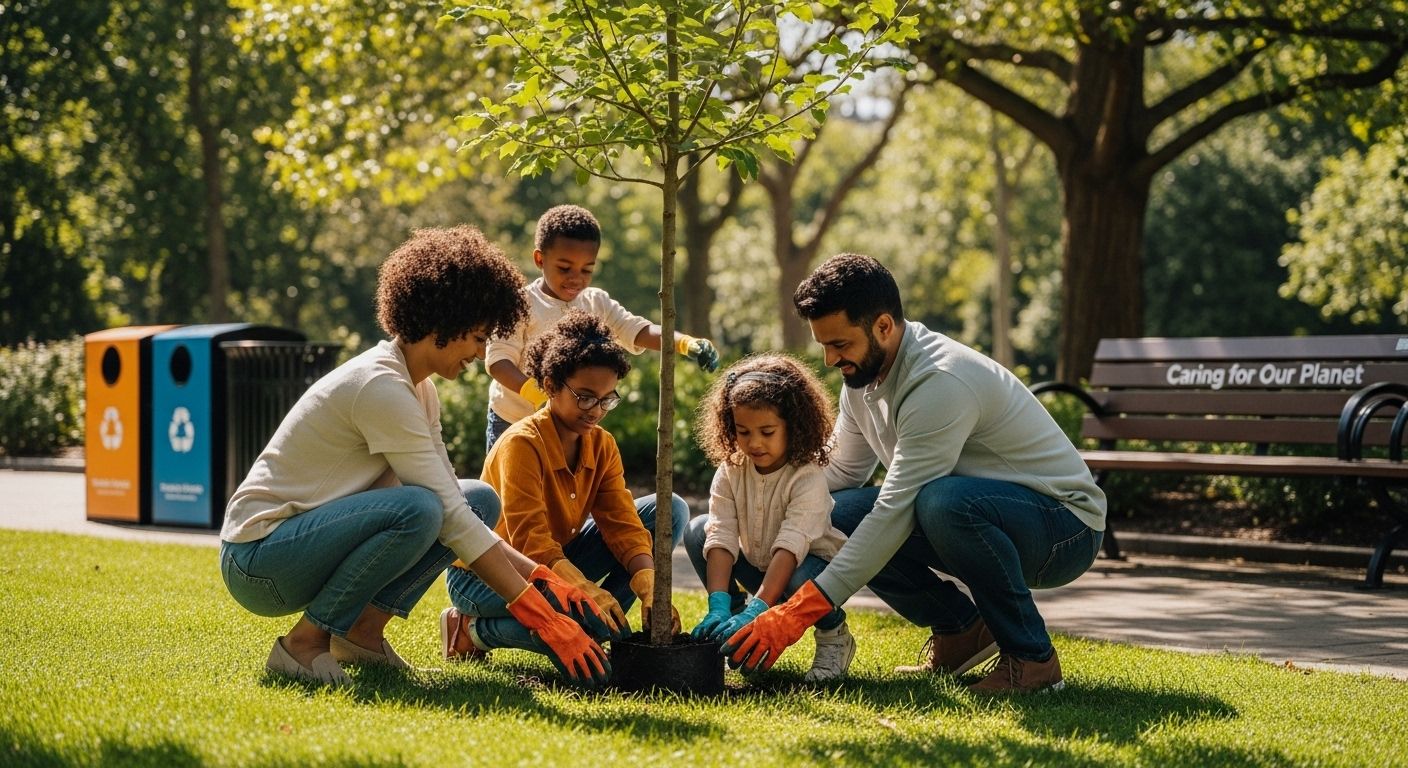
Caring for our planet means much more than just picking up litter or turning off the tap. It is about understanding the vibrant web of life that links every action to the health of the entire planet. Yet, despite all the talk, many experts agree that biodiversity is vanishing at a rate 1,000 times faster than the natural background rate. For many, the real surprise is how the smallest daily decisions can leave lasting ripples across the ecosystem and tip the balance either way.
Table of Contents
- What Does Caring for Our Planet Mean?
- Why Is Caring for Our Planet Important?
- How Does Our Environment Work?
- Key Concepts in Environmental Care
- Real-World Examples of Caring for Our Planet
Quick Summary
| Takeaway | Explanation |
|---|---|
| Every action impacts the environment | Recognising that personal choices affect ecological balance is crucial for effective stewardship. |
| Embrace sustainable practices | Adopting methods that minimise waste and conserve resources ensures long-term environmental health. |
| Protect biodiversity for stability | Preserving diverse ecosystems is essential for maintaining the vital services nature provides for human survival. |
| Community involvement is vital | Engaging in local conservation initiatives helps to nurture and protect regional ecosystems effectively. |
| Education promotes environmental awareness | Raising awareness about ecological challenges empowers individuals and communities to make informed decisions. |
What Does Caring for Our Planet Mean?
Caring for our planet represents a holistic approach to protecting and nurturing the natural environment that sustains all life on Earth. At its core, this concept goes beyond simple conservation efforts and encompasses a comprehensive understanding of our interconnectedness with the global ecosystem.
Understanding Environmental Stewardship
Environmental stewardship involves recognizing that every action we take has potential consequences for the planet’s delicate balance. According to the U.S. Environmental Protection Agency, sustainability means creating conditions where humans and nature can exist in productive harmony. This means considering the long-term impacts of our daily choices and understanding how individual actions contribute to global environmental health.
Key Principles of Planetary Care
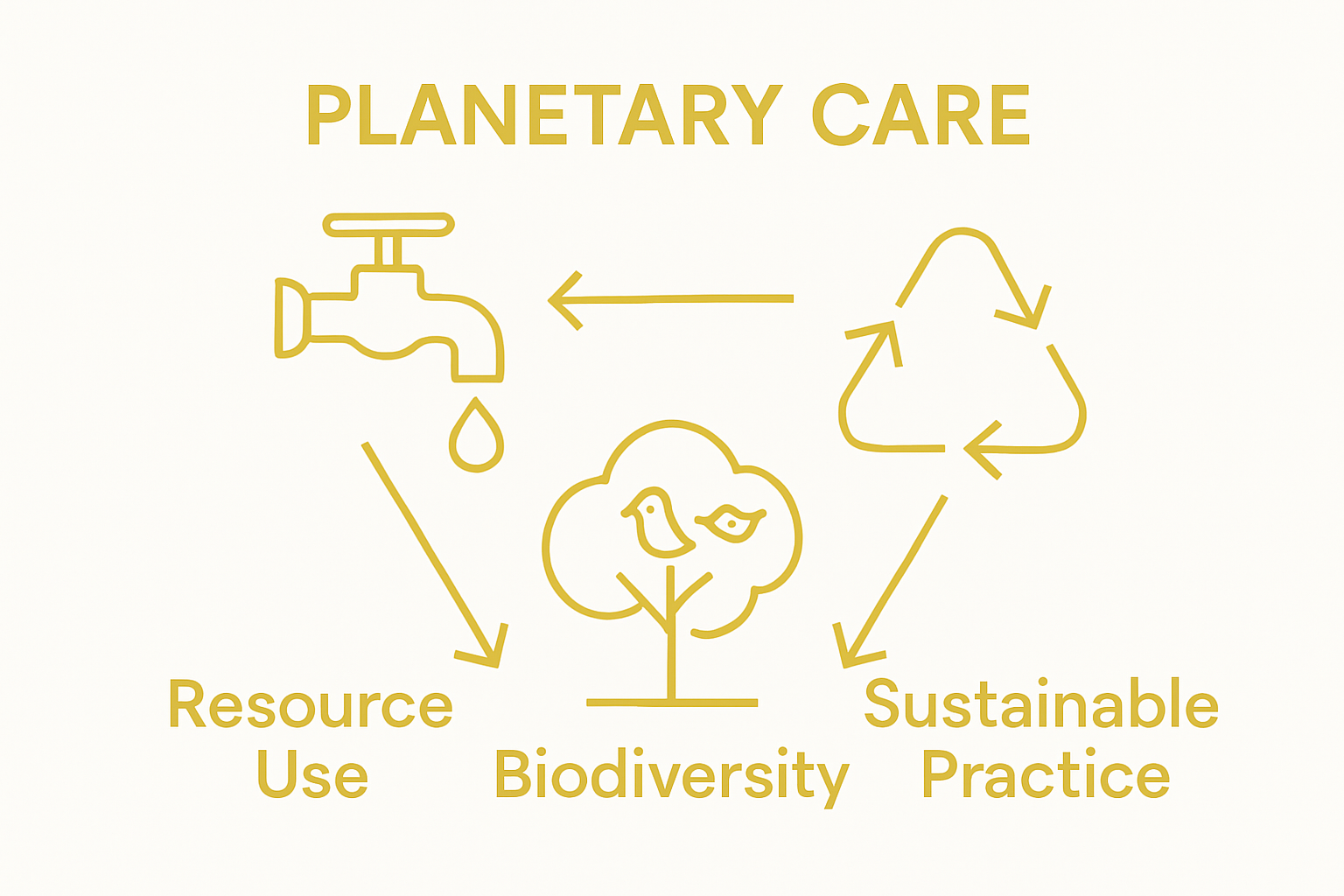
Caring for our planet involves several fundamental principles:
- Reduce Resource Consumption: Minimizing waste and using resources efficiently
- Protect Biodiversity: Preserving ecosystems and supporting wildlife conservation
- Promote Sustainable Practices: Adopting methods that support long-term environmental health
By embracing these principles, we acknowledge our responsibility to maintain a healthy planet for current and future generations. This approach requires a shift from short-term thinking to a more holistic perspective that values ecological balance.
To clarify the fundamental principles that drive planetary care, the following table summarises each core principle and its practical implications for environmental stewardship.
| Principle | Explanation | Example of Application |
|---|---|---|
| Reduce Resource Consumption | Minimise unnecessary use of materials and energy | Using energy-efficient appliances |
| Protect Biodiversity | Support habitats and prevent species decline | Conserving wildlife reserves |
| Promote Sustainable Practices | Adopt long-term, eco-friendly methods | Practising recycling and composting |
When we talk about caring for our planet, we’re not just discussing environmental protection but also recognizing the intricate web of life that supports human existence. Every ecosystem, from dense rainforests to tiny urban gardens, plays a crucial role in maintaining global environmental stability. Learn more about our commitment to planetary care.
Why Is Caring for Our Planet Important?
Caring for our planet is not just an environmental obligation but a critical necessity for human survival and the preservation of life as we know it. Our actions have far-reaching consequences that extend beyond immediate surroundings, impacting global ecosystems, climate patterns, and future generations.
Ecological Balance and Survival
The intricate web of life on Earth depends on delicate environmental balances. According to the National Park Service, conserving natural environments supports crucial ecosystem services like groundwater retention, nutrient cycling, and carbon sequestration. These processes are fundamental to maintaining planetary health and ensuring the continued survival of diverse species, including humans.
Long-Term Human Welfare
Environmental preservation directly influences human welfare in multiple dimensions:
- Food Security: Protecting agricultural ecosystems and biodiversity ensures sustainable food production
- Health Protection: Maintaining clean air, water, and balanced ecosystems reduces environmental health risks
- Economic Stability: Sustainable environmental practices support long-term economic resilience
By understanding the profound interconnectedness between human societies and natural systems, we recognize that planetary care is not optional but essential. Explore our family-friendly approach to environmental stewardship and discover how small actions can create significant positive impacts.
Ultimately, caring for our planet means acknowledging our role as responsible inhabitants of a complex, living system. Each choice we make reverberates through intricate ecological networks, shaping the environment we will inherit and pass on to future generations.
How Does Our Environment Work?
Our environment is a complex, interconnected system where living and non-living components interact in intricate and dynamic ways. Understanding these interactions helps us comprehend the delicate balance that sustains life on our planet and highlights the importance of environmental preservation.
Ecosystem Dynamics
Ecosystems function through sophisticated networks of energy transfer and resource cycling. According to the University of Maine Cooperative Extension, environmental systems rely on critical processes like nutrient and water cycles that maintain ecological balance. These cycles ensure that essential elements are continuously recycled and redistributed throughout different environmental components.
Key Environmental Components
The environment operates through several fundamental interconnected systems:
- Energy Flow: Sunlight powers photosynthesis, which forms the foundation of most food chains
- Nutrient Cycling: Organic and inorganic materials are continuously transformed and redistributed
- Biodiversity Interactions: Different species collaborate and compete within shared ecosystems
Each component plays a crucial role in maintaining the overall health and stability of our planetary systems. Discover how families can support these delicate environmental processes, creating positive ripple effects in our shared ecosystem.
To assist readers in understanding the main environmental components and their roles, this table outlines key elements of the ecosystem and their functions.
| Environmental Component | Role in the Ecosystem |
|---|---|
| Energy Flow | Powers food chains and sustains life |
| Nutrient Cycling | Redistributes essential elements for growth and health |
| Biodiversity Interactions | Enables species collaboration and competition |
By recognizing the environment as a living, breathing system, we can better appreciate the profound complexity of ecological interactions and our responsibility to protect and nurture these intricate networks.
Key Concepts in Environmental Care
Environmental care is a multifaceted approach that requires understanding fundamental principles guiding human interaction with natural systems. By comprehending these core concepts, individuals can make more informed and responsible decisions that positively impact our planet.
Interconnectedness and Systems Thinking
According to the California Department of Education, environmental systems are characterized by complex, dynamic interactions where human activities and natural processes are deeply interconnected. This systems thinking approach recognizes that every action has potential consequences that ripple through ecological networks.
Fundamental Environmental Principles
Key environmental care concepts encompass several critical understanding points:
- Mutual Dependence: Humans rely on natural systems for survival and well-being
- Continuous Transformation: Environmental systems are constantly changing and adapting
- Complex Decision Making: Resource management involves multifaceted considerations
Explore practical strategies for family environmental engagement, enabling meaningful contributions to planetary health. Understanding these principles empowers individuals to recognize their role in maintaining ecological balance and making sustainable choices.
Ultimately, environmental care is about developing a holistic perspective that values the intricate relationships between human activities and natural systems. By embracing these key concepts, we can create more thoughtful, responsible approaches to interacting with our planet.
Real-World Examples of Caring for Our Planet
Real-world environmental care goes beyond theoretical concepts, demonstrating tangible actions that individuals, communities, and organisations can take to protect and restore our planet’s delicate ecosystems. These practical examples illustrate how purposeful interventions can create meaningful environmental impact.
Community-Level Environmental Initiatives
Local conservation efforts represent powerful approaches to planetary care. According to the Coastal Rivers Conservation Trust, protecting regional landscapes involves strategic land preservation, creating educational opportunities, and maintaining ecological corridors that support biodiversity and environmental health.
Diverse Approaches to Environmental Stewardship
Environmental care manifests through multiple strategic interventions:
- Land Conservation: Protecting natural habitats and creating wildlife corridors
- Urban Ecological Restoration: Transforming city spaces into green, sustainable environments
- Community Education: Raising awareness about ecological challenges and solutions
Discover family-friendly strategies for daily planetary protection, empowering households to contribute meaningfully to environmental preservation. These practical approaches demonstrate that everyone can play a role in nurturing our shared global ecosystem.
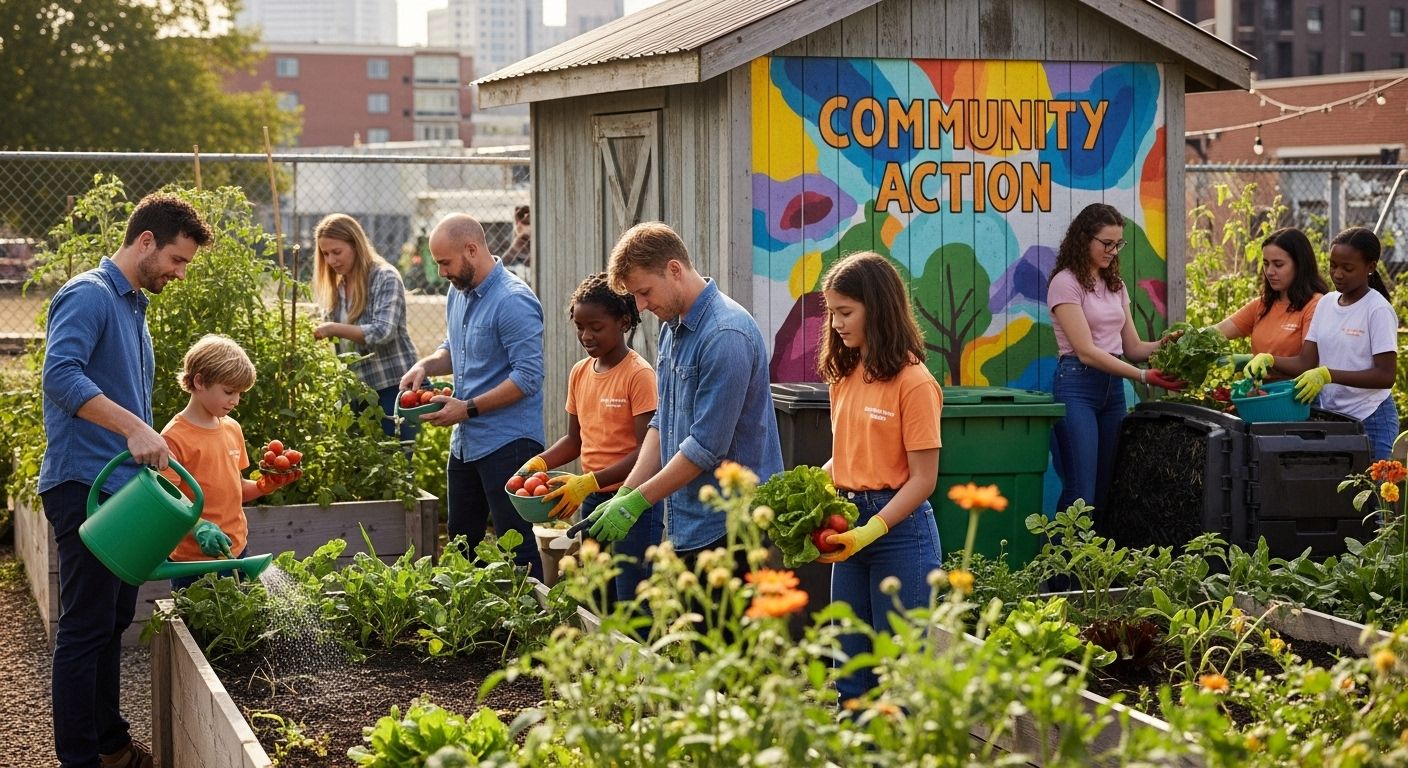
By embracing these real-world examples, we transform environmental care from an abstract concept into concrete, actionable strategies that can generate substantial positive change for our planet.
Bring Planetary Care to Life With The Zoofamily
Understanding how every action shapes the wellbeing of our planet is only the first step. The real challenge is helping children experience the joy of stewardship through daily habits and interactions. Too often, families feel that environmental care is overwhelming or abstract. Concepts like biodiversity and interconnectedness seem distant from everyday life, making it hard to engage young minds and truly change behaviour.
Imagine making every day an adventure in planetary care.

With The Zoofamily, you transform learning into action. Our kid-friendly cameras, walkie-talkies, and binoculars are designed with nature in mind. Playtime becomes a guided exploration, connecting your family directly with Earth’s wonders. For every camera we sell, we plant a tree. This is not just a purchase; it is an opportunity to create positive impact now. Start inspiring your children to care for the world as they play. Visit The Zoofamily today or explore how families can support environmental routines to bring new meaning to caring for our planet.
Frequently Asked Questions
What does it mean to care for our planet?
Caring for our planet means protecting and nurturing our natural environment through sustainable practices, reducing resource consumption, and promoting biodiversity. It involves recognising our interconnectedness with all living systems and making choices that support ecological health.
Why is it important to care for the environment?
Caring for the environment is crucial for human survival and the preservation of life. It maintains ecological balance, influences food security, protects health, and ensures economic stability by sustaining the natural resources that society relies on.
How can individuals contribute to environmental care?
Individuals can contribute to environmental care by reducing waste, practising recycling, using resources efficiently, supporting biodiversity, and engaging in community conservation efforts. Small daily actions can collectively create significant positive impacts on the planet.
What are some practical strategies for promoting environmental stewardship?
Practical strategies include participating in local conservation initiatives, adopting urban ecological restoration projects, educating oneself and others about ecological issues, and creating sustainable practices within households to protect the environment.
Recommended
- Understanding Eco Friendly Routines for Modern Families
- Comment protéger la planète au quotidien avec ses enfants
- Comprendre comment prendre soin de la terre pour nos enfants
- Eco Friendly Cleaning Tips For Busy European Mums
- Cenotes Role in Environmental Conservation
- 7 Duurzaam Leven Tips voor een Groener Leven