

Finding meaningful ways to connect your family with nature is not always as easy as it sounds. Competing schedules, distractions, and a lack of fresh ideas can leave your outdoor time feeling routine or uninspired. But building vibrant family traditions around the natural world can spark curiosity, strengthen relationships, and create lasting memories for everyone involved.
This list is packed with practical ideas that turn ordinary outings into unforgettable learning experiences. You will discover activities that encourage scientific observation, creativity, and a deeper sense of environmental stewardship—all supported by expert guidance from trusted conservation organisations. Get ready for a collection of fun, actionable traditions your family will look forward to year after year.
Table of Contents
- Create A Wildlife Spotting Journal Together
- Plant A Tree To Mark Each Family Milestone
- Plan Monthly Nature Treasure Hunts
- Adopt An Outdoor Picnic Ritual
- Celebrate An Annual Family Eco Day
- Make Nature Art From Found Objects
- Join Local Conservation Challenges
Quick Summary
| Key Message | Explanation |
|---|---|
| 1. Create a Wildlife Spotting Journal | Develop a shared wildlife journal to track observations and foster scientific curiosity in children. |
| 2. Plant a Tree for Milestones | Mark significant family events by planting trees, fostering connection to nature and environmental stewardship. |
| 3. Organise Monthly Nature Treasure Hunts | Engage in exciting outdoor adventures that deepen ecological understanding through structured exploration. |
| 4. Establish a Family Picnic Ritual | Use regular outdoor picnics to enhance family bonding, communication, and appreciation for nature. |
| 5. Participate in Local Conservation Challenges | Join community initiatives to build ecological knowledge and create tangible impacts on local ecosystems. |
1. Create a Wildlife Spotting Journal Together
Turning family nature experiences into memorable learning adventures begins with creating a shared wildlife spotting journal. This collaborative project transforms ordinary outdoor moments into extraordinary opportunities for discovery and connection.
Nature journaling is more than just recording observations - it’s about developing keen observation skills and nurturing scientific curiosity in children. By documenting wildlife encounters, families can track environmental changes and develop a deeper understanding of local ecosystems.
To start your wildlife spotting journal, gather these essential materials:
- A sturdy notebook with waterproof pages
- Coloured pencils or watercolour pencils
- A small field guide relevant to your local area
- Magnifying glass for detailed observations
Encourage family members to document their findings through:
- Detailed written descriptions
- Sketches of animals or plants
- Notes on behaviour and habitat
- Date and location of each observation
Capturing wildlife observations transforms ordinary walks into scientific expeditions that spark lifelong curiosity about the natural world.
The National Wildlife Federation highlights how such activities encourage children’s stewardship and connection to nature. By making journaling a shared family experience, you create lasting memories and educational moments that extend beyond traditional learning environments.
Pro tip: Choose a consistent journaling time each week to make this a reliable family ritual that everyone anticipates and enjoys.
2. Plant a Tree to Mark Each Family Milestone
Trees are more than just plants. They are living symbols of family growth, resilience, and connection to the natural world. Planting a tree to commemorate significant moments transforms ordinary milestones into lasting environmental legacies.
The concept of tree planting as a family tradition carries profound meaning. Tree-planting initiatives worldwide demonstrate how individual actions can contribute to global environmental restoration.
Consider planting trees for these meaningful family milestones:
- Birth of a child
- Wedding anniversaries
- Graduation celebrations
- Home purchases
- Career achievements
Benefits of family tree planting include:
- Creating a living family memorial
- Contributing to carbon sequestration
- Teaching children about environmental stewardship
- Providing a tangible connection to nature
- Watching something grow alongside family memories
Each tree planted represents hope renewal and a commitment to future generations.
The U.S. Forest Service’s Plant-A-Tree programme offers opportunities for families to contribute to forest restoration while creating meaningful traditions.
When selecting a tree species, consider local climate, available space, and potential long-term growth. Native species work best for supporting local ecosystems and requiring minimal maintenance.
Pro tip: Research local native tree species and involve all family members in selecting and planting your milestone tree to create a shared, memorable experience.
3. Plan Monthly Nature Treasure Hunts
Nature treasure hunts transform ordinary outdoor excursions into extraordinary family adventures. These monthly expeditions turn local landscapes into exciting playgrounds of discovery and learning.
Nature education programmes highlight how structured exploration can revolutionise children’s understanding of their environment. By creating intentional monthly hunts, families develop deep connections with local ecosystems.
Design your nature treasure hunts with these engaging objectives:
- Identify local plant species
- Discover wildlife tracks and signs
- Document seasonal changes
- Learn ecological relationships
- Develop observational skills
Essential materials for your treasure hunt:
- Field guide specific to your region
- Notebook for observations
- Magnifying glass
- Camera or smartphone
- Waterproof bag for collected findings
A carefully planned nature treasure hunt transforms an ordinary walk into a scientific expedition of discovery.
The Nature Conservancy’s interactive resources offer excellent guidance for creating meaningful outdoor learning experiences.
Consider rotating hunt themes each month to maintain excitement:
- Spring: Wildflower identification
- Summer: Insect diversity
- Autumn: Leaf and seed collection
- Winter: Animal tracking
Pro tip: Create a family nature journal to document your monthly treasure hunt discoveries, turning each expedition into a cherished memory and learning opportunity.
4. Adopt an Outdoor Picnic Ritual
Transforming mealtime into an adventure, outdoor picnics weave together nourishment and natural exploration. These intentional gatherings become cherished family moments that extend far beyond simply eating a meal.
Family picnic traditions represent more than just shared food - they are opportunities for connection, learning, and creating lasting memories in the great outdoors.
Benefits of regular outdoor picnics include:
- Enhanced family communication
- Direct exposure to natural environments
- Reduced screen time
- Increased physical activity
- Opportunity for sensory learning
Consider these picnic ritual variations:
- Seasonal theme picnics
- Foraging and cooking expeditions
- Nature photography picnics
- Wildlife observation meals
- Stargazing dinner experiences
Picnics transform ordinary meals into extraordinary family adventures that nourish both body and spirit.
Outdoor playtime research demonstrates significant benefits for children’s physical and mental wellbeing. Regular picnics provide structured opportunities for exploration and family bonding.
Key elements for a successful picnic ritual:
- Choose consistent locations
- Pack sustainable, healthy food
- Bring nature exploration tools
- Create flexible yet predictable routines
- Document your adventures
Pro tip: Rotate picnic location responsibilities among family members to maintain excitement and ensure everyone feels invested in the tradition.
5. Celebrate an Annual Family Eco Day
Imagine a dedicated day where your entire family comes together to celebrate and actively contribute to environmental stewardship. An annual family eco day transforms ecological awareness from a concept into a lived experience of collective action and learning.
International environmental initiatives demonstrate the power of family-centred approaches to sustainability and ecological education. By establishing a personal eco day tradition, you create a meaningful platform for intergenerational environmental learning.
Possible activities for your family eco day:
- Community clean-up events
- Local habitat restoration projects
- Tree planting expeditions
- Sustainable living workshops
- Wildlife conservation activities
Structure your eco day with purposeful goals:
- Learn about local environmental challenges
- Take collective action
- Reflect on your family’s ecological impact
- Plan future sustainability strategies
- Celebrate your collective achievements
An annual eco day transforms environmental consciousness from passive awareness to active engagement.
Conservation engagement programmes highlight the importance of hands-on family experiences in developing ecological stewardship. Your annual eco day becomes a powerful vehicle for inspiring lasting environmental commitment.
Key principles for a successful family eco day:
- Make activities age-appropriate
- Focus on positive, empowering experiences
- Incorporate elements of fun and discovery
- Document and share your journey
- Maintain a spirit of hope and possibility
Pro tip: Choose activities that spark joy and curiosity rather than guilt, ensuring your family views environmental care as an exciting adventure of positive change.
6. Make Nature Art from Found Objects
Art becomes magical when created using materials gifted by the natural world. Making art from found objects transforms simple outdoor walks into creative expeditions that connect families with their environment in profound ways.
Ephemeral art practices offer extraordinary opportunities for children to explore creativity and ecological understanding through hands-on experiences with natural materials.
Ideal found objects for nature art include:
- Fallen leaves
- Small twigs and branches
- Smooth river stones
- Seedpods
- Feathers
- Pine cones
- Sand and pebbles
Key principles for ethical nature art creation:
- Collect only fallen or already detached materials
- Avoid disturbing living plants or wildlife habitats
- Respect local environmental regulations
- Leave no trace after creating your artwork
- Photograph your creation before dismantling
Nature art turns the environment into a dynamic canvas of temporary beauty and imagination.
Sustainable art workshops highlight the importance of mindful collection and creative expression using natural materials. Each artwork becomes a moment of connection between human creativity and ecological wonder.
Nature art techniques to explore:
- Mandala designs using symmetrical arrangements
- Stick sculptures
- Leaf rubbings
- Sand drawings
- Natural collage making
Pro tip: Establish a family rule of collecting only materials that are already on the ground, transforming art-making into a lesson of environmental respect and sustainable creativity.
7. Join Local Conservation Challenges
Transforming environmental concern into meaningful action begins with engaging directly in local conservation efforts. Family participation in community ecological challenges becomes a powerful pathway to understanding and protecting our natural world.
Community-led conservation initiatives demonstrate how collective action can create significant environmental impact. By joining these challenges, families become active stewards of local ecosystems.
Potential conservation challenges to explore:
- Local habitat restoration projects
- Wildlife population surveys
- Beach or park clean-up events
- Native plant replanting programmes
- Water quality monitoring
- Urban wildlife corridor development
- Invasive species removal initiatives
Benefits of participating in conservation challenges:
- Develop deeper ecological understanding
- Create tangible environmental impact
- Build community connections
- Teach children practical stewardship skills
- Contribute to scientific research
Every small action in conservation creates ripples of positive change across entire ecosystems.
Citizen science opportunities empower families to become critical contributors to environmental research and protection. Your participation matters more than you might imagine.
Strategies for effective conservation challenge participation:
- Research local environmental organisations
- Start with age-appropriate activities
- Document and share your contributions
- Encourage consistent involvement
- Celebrate collective achievements
Pro tip: Select conservation challenges that align with your family’s interests and skills, ensuring engagement remains enjoyable and sustainable over time.
Below is a comprehensive table summarising the key concepts and activities discussed in the article, related to enhancing family connections with nature and promoting ecological awareness.
| Activity | Description | Benefits |
|---|---|---|
| Create a Wildlife Spotting Journal | Collaboratively document wildlife observations using tools such as notebooks and magnifying glasses. | Develop observation skills, foster curiosity about ecosystems, and track environmental changes. |
| Plant a Tree for Family Milestones | Celebrate significant moments by planting trees, symbolising growth and environmental commitment. | Create a living memory, support carbon sequestration, and teach environmental stewardship. |
| Monthly Nature Treasure Hunts | Engage in thematic outdoor hunts to explore and learn about local ecosystems. | Enhance ecological knowledge, promote observational skills, and create family bonding moments. |
| Adopt an Outdoor Picnic Ritual | Combine meals with nature exploration, using structured themes like foraging or stargazing. | Encourage family communication, reduce screen time, and promote physical activity. |
| Celebrate an Annual Family Eco Day | Dedicate a day to environmental activities such as clean-ups and restoration projects. | Build ecological awareness, foster collective action, and strengthen family commitments to sustainability. |
| Make Nature Art with Found Objects | Create ephemeral art using natural materials while respecting environmental guidelines. | Stimulate creative expression, connect with nature, and learn environmental ethics. |
| Join Local Conservation Challenges | Participate in community-led initiatives, from restoration projects to species monitoring. | Develop stewardship skills, make a tangible environmental impact, and deepen ecological understanding. |
Spark Lasting Family Nature Traditions with The Zoofamily
The article highlights how creating meaningful family rituals like wildlife journaling, tree planting, and nature treasure hunts can deepen your children’s connection to the natural world while fostering lifelong curiosity and care. Yet, capturing those magical moments and encouraging active engagement in nature can be challenging without the right tools and inspiration. You want your family to explore confidently, learn deeply, and cherish these outdoor adventures that build environmental stewardship and joyful memories.
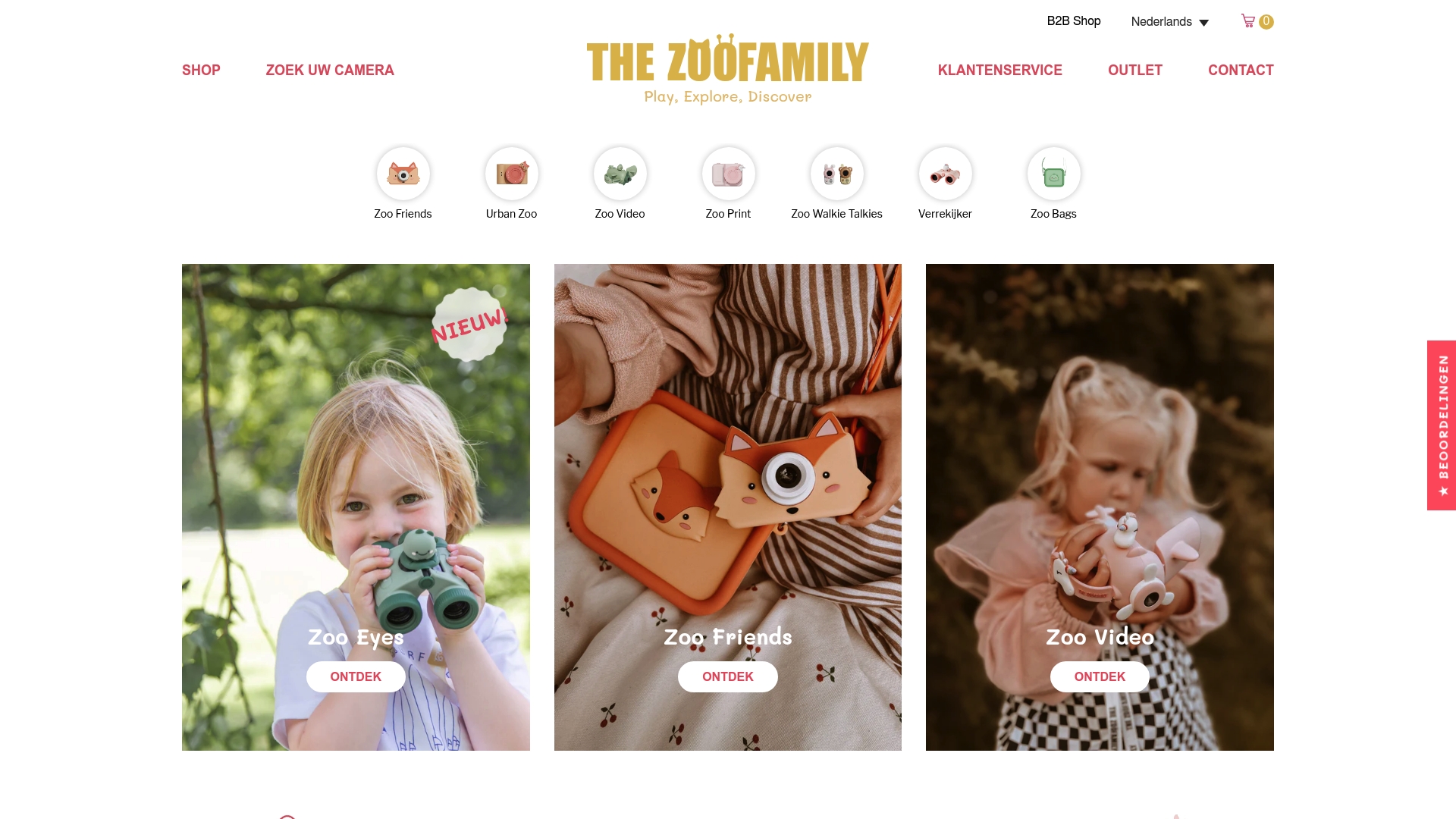
With The Zoofamily, you can transform your outdoor family traditions into unforgettable experiences. Our specially designed kids’ cameras, walkie-talkies, and binoculars come with animal references that ignite children’s passion for nature. Plus, our commitment means that for every camera sold, a tree is planted — helping your family create a lasting environmental legacy alongside your new rituals. Discover how our tools support your family’s nature journaling, treasure hunts, and eco day celebrations by visiting The Zoofamily. Start your adventure today and nurture your children’s spirited connection to the planet for generations to come.
Frequently Asked Questions
What materials do I need to create a wildlife spotting journal?
To create a wildlife spotting journal, gather a sturdy notebook with waterproof pages, coloured pencils or watercolour pencils, a small field guide relevant to your local area, and a magnifying glass. Start by involving all family members in selecting materials that excite them, making the journal a collaborative and engaging project.
How can I make tree planting a meaningful family tradition?
Make tree planting a meaningful family tradition by choosing significant milestones, such as the birth of a child or a wedding anniversary, to commemorate with a tree. Research local native tree species together and schedule a family outing to plant the chosen tree, fostering a sense of connection to nature and creating lasting memories.
What should I include in my nature treasure hunt plan?
To plan a nature treasure hunt, include objectives such as identifying local plant species and observing animal tracks. Gather essential materials like a field guide, notebook, and magnifying glass, and set a regular schedule, such as monthly, to maintain excitement and build deeper connections with your local ecosystems.
How can outdoor picnics enhance family time?
Outdoor picnics enhance family time by providing opportunities for connection, learning, and reducing screen time. Establish a regular picnic schedule and incorporate activities like nature photography or wildlife observation to transform mealtime into an adventure that nourishes both body and spirit.
What activities can we include on our annual family eco day?
For your annual family eco day, include activities like community clean-ups, local habitat restoration projects, or wildlife conservation events. Set specific goals for the day, such as learning about local environmental challenges, and celebrate your family’s collective achievements together.
How can we ethically create nature art from found objects?
To ethically create nature art from found objects, collect only materials that are already on the ground, such as fallen leaves and twigs. Discuss with your family the importance of leaving no trace and document your creations with photographs before dismantling them, fostering creativity while respecting the environment.
Recommended
- 7 top livres enfants nature pour éveiller l’écologie – The Zoofamily
- 7 idées goûter nature enfants pour éveiller leur curiosité – The Zoofamily
- 7 activités automne dehors enfant pour découvrir la nature – The Zoofamily
- Intérêt des voyages en famille : Un éveil à la nature – The Zoofamily
- How to Fall Asleep Faster: 18 Science-Backed Tips That Work – Float Therapy Wilmslow