

Nearly 90 percent of british early childhood educators agree that nature-based learning enriches young minds far beyond classroom walls. As curiosity blooms under open skies, children experience lessons that nurture independence, emotional growth, and real-world problem solving. Discover how child led outdoor learning invites every child to be the architect of their discovery, transforming ordinary moments into powerful milestones of development. This approach is changing how british families and educators see education’s true potential.
Table of Contents
- Defining Child Led Outdoor Learning Approaches
- Types of Outdoor Play and Learning Settings
- Benefits for Children’s Cognitive and Emotional Growth
- Role of Adults and Safe Facilitation Outdoors
- Common Misconceptions and Safety Guidelines
Key Takeaways
| Point | Details |
|---|---|
| Child Led Learning | Empowering children to explore natural environments fosters intrinsic motivation and enhances overall development. |
| Diverse Outdoor Settings | Varied outdoor learning environments provide unique experiences that promote specific skills and cognitive growth. |
| Role of Adults | Adults should facilitate exploration by creating safe, supportive environments while allowing children independence in their learning. |
| Safety and Misconceptions | Understanding the difference between perceived risks and genuine hazards is crucial for nurturing confidence and resilience in outdoor learning. |
Defining Child Led Outdoor Learning Approaches
Child led outdoor learning represents an innovative educational approach that fundamentally transforms how young learners interact with natural environments. Unlike traditional structured learning, this methodology empowers children to direct their own discovery process through unstructured, self-motivated exploration. Natural learning environments become interactive classrooms where curiosity drives educational experiences.
At its core, child led outdoor learning prioritises individual exploration over prescribed educational pathways. Children are encouraged to follow their intrinsic interests, observing wildlife, examining plant ecosystems, and engaging with environmental elements through spontaneous, unguided interactions. This approach recognises that children possess an innate capacity for understanding complex systems when permitted to investigate at their own pace and according to their unique developmental readiness.
The developmental benefits of this learning model extend far beyond traditional academic metrics. Child-centred outdoor experiences simultaneously stimulate cognitive, emotional, social, and physical growth. By allowing children to navigate natural spaces independently, they develop critical problem-solving skills, enhance spatial awareness, and build resilience through direct engagement with unpredictable environmental challenges.
Pro Tip: Nature Exploration Strategy: Create a flexible outdoor exploration routine where children choose their investigation path, providing minimal guidance while ensuring basic safety parameters are maintained.
Types of Outdoor Play and Learning Settings
Outdoor learning environments offer remarkable diversity, providing children with rich opportunities for exploratory experiences across multiple settings. Research identifying diverse outdoor learning landscapes reveals ten distinct environments that support unique educational interactions, ranging from structured gardens to complex natural pathways.
These learning settings can be categorised into several primary configurations. Natural learning activity spaces include gathering zones, multi-purpose lawns, decked areas, and wildlife observation points. Each environment offers distinctive advantages for child-led exploration. Edible gardens, for instance, enable children to understand botanical processes, nutrition, and ecosystem interactions through direct sensory engagement. Complex pathways encourage spatial reasoning, navigation skills, and independent problem-solving.
Wildlife pavilions and natural observation points represent particularly sophisticated learning settings. These environments allow children to develop scientific curiosity, learn patient observation techniques, and cultivate deep respect for ecological systems. By providing unstructured yet safe exploration zones, these settings transform passive learning into active discovery, encouraging children to formulate hypotheses, test interactions, and develop intrinsic understanding of natural phenomena.
Here is a summary comparing key types of outdoor learning environments and the skills children develop in each setting:
| Learning Environment | Main Features | Key Skills Developed |
|---|---|---|
| Edible Garden | Sensory-rich, hands-on plant care | Understanding nutrition, ecology |
| Wildlife Observation Zone | Focused observation of animal life | Scientific curiosity, patience |
| Multi-purpose Lawn | Open, adaptable play space | Gross motor skills, cooperation |
| Complex Pathways | Navigational challenges and routes | Spatial reasoning, problem-solving |
Pro Tip: Landscape Learning Strategy: Select outdoor learning environments that offer varied textures, natural obstacles, and opportunities for open-ended investigation, ensuring children can explore at their own pace and interest level.
Benefits for Children’s Cognitive and Emotional Growth
Child-initiated outdoor learning strategies demonstrate profound impacts on cognitive and emotional development, particularly for children traditionally labelled as underachieving. By providing unstructured learning environments, children develop critical self-regulation skills, enhanced concentration, and improved social interaction capabilities that transcend traditional classroom limitations.

Nature-based learning environments offer transformative experiences for emotional growth. Early years nature-based learning promotes holistic child development by engaging young minds directly with natural ecosystems. Through spontaneous exploration, children cultivate emotional resilience, develop environmental awareness, and build intrinsic problem-solving capabilities. These experiences help children understand complex ecological relationships while simultaneously nurturing their psychological and intellectual capacities.
The cognitive benefits of outdoor learning extend beyond immediate skill acquisition. Children engaging in self-directed natural exploration develop advanced spatial reasoning, enhanced observational skills, and improved sensory processing. By navigating unpredictable environmental challenges, young learners build neurological pathways that support adaptive thinking, creative problem-solving, and emotional intelligence. These experiences create foundational learning mechanisms that support lifelong intellectual and emotional development.

Pro Tip: Developmental Exploration Strategy: Create structured yet flexible outdoor learning opportunities that allow children to lead their own discovery process, balancing gentle guidance with complete exploratory freedom.
Role of Adults and Safe Facilitation Outdoors
The role of adults in child-led outdoor learning is fundamentally about creating supportive, safe, and stimulating environments. Nature play spaces require strategic design that allows children to explore while maintaining appropriate safety boundaries. Adults must thoughtfully curate outdoor learning environments using natural materials that engage children’s sensory experiences and support their social-emotional development without overly restricting their innate curiosity.
Effective outdoor learning environments demand careful spatial planning, with adults creating distinct activity zones that balance safety and developmental appropriateness. These zones typically include transition areas, active play spaces, and dedicated natural exploration regions. The key is providing structured freedom - establishing clear physical boundaries while allowing children autonomy in their investigative processes.
Adult facilitation in outdoor learning is nuanced and requires a delicate balance between observation and intervention. Successful practitioners act as environmental architects and silent guides, creating conditions that encourage independent discovery while remaining available for subtle support. This approach involves understanding each child’s unique developmental stage, recognising potential learning opportunities, and providing minimal guidance that sparks intrinsic motivation without diminishing the child’s sense of independent exploration.
To clarify the adult’s role, here is a comparison between passive observation and active intervention in outdoor learning facilitation:
| Facilitation Approach | Description | Impact on Child Independence |
|---|---|---|
| Passive Observation | Adult maintains distance, intervenes rarely | Children build confidence, make decisions |
| Active Intervention | Adult actively leads or instructs | Children rely more on guidance |
Pro Tip: Observation Strategy: Position yourself as a peripheral guardian, maintaining visual contact while allowing children complete exploratory independence, intervening only when genuine safety concerns emerge.
Common Misconceptions and Safety Guidelines
Brain development research challenges numerous misconceptions surrounding outdoor learning, revealing that perceived risks often stem from misunderstandings about children’s natural capabilities. Parents frequently worry that unstructured outdoor experiences might compromise safety, but scientific evidence demonstrates that carefully supervised environments actually enhance developmental outcomes and support children’s innate learning mechanisms.
Nature play safety guidelines emphasise the critical distinction between genuine hazards and perceived risks. Common misconceptions include believing that outdoor learning environments are inherently dangerous, when in reality, strategic design and adult supervision can create spaces that are simultaneously stimulating and secure. These guidelines recommend establishing clear boundaries, ensuring age-appropriate challenges, and maintaining consistent visual monitoring without direct intervention.
Safety in child-led outdoor learning involves a nuanced approach that balances protection with exploration. Key principles include preparing environments with appropriate natural materials, establishing clear communication protocols, and teaching children basic risk assessment skills. Adults must recognise that minor scrapes and controlled challenges are essential components of learning, helping children develop spatial awareness, physical coordination, and emotional resilience through carefully managed experiences.
Pro Tip: Risk Assessment Strategy: Conduct periodic environment scans, removing genuine hazards while preserving opportunities for calculated risk-taking that support children’s natural developmental learning processes.
Inspire Natural Curiosity with Child Led Outdoor Learning
The article highlights the powerful benefits of child led outdoor learning for young minds, particularly in fostering cognitive growth, emotional resilience, and independent exploration within safe natural settings. We understand that encouraging children to engage with nature freely yet securely can be challenging, especially when balancing safety and the desire to spark genuine curiosity. At The Zoofamily, we share the goal of nurturing these exploratory instincts with tools designed to deepen children’s connection to the natural world while supporting their developmental journey.
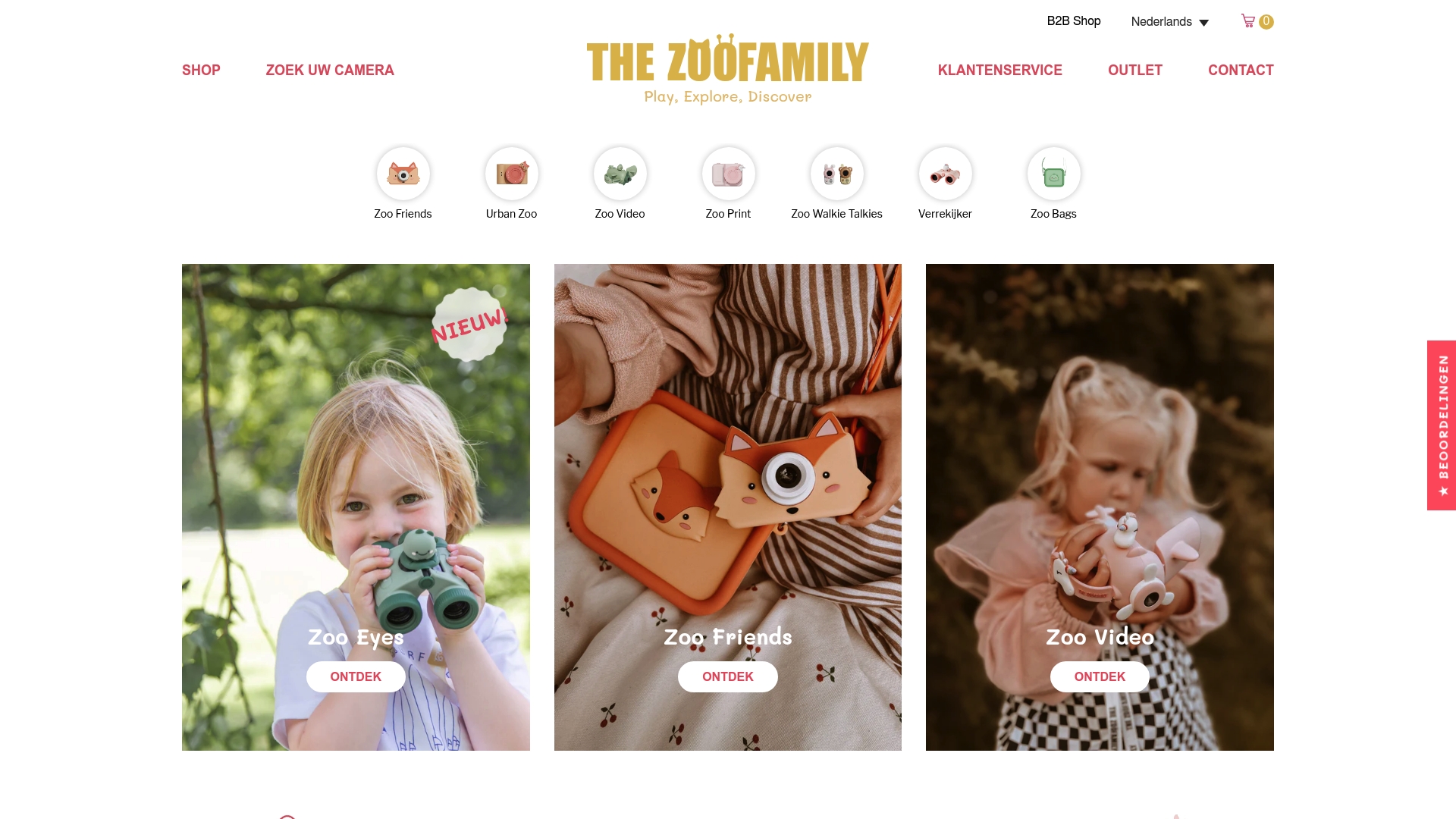
Discover how our specially crafted kids’ cameras, walkie-talkies, and binoculars provide engaging sensory experiences that enhance children’s observational skills and scientific curiosity. Each product is inspired by animals and nature to encourage self-directed discovery outdoors. Join us in restoring natural beauty and inspiring the next generation by exploring The Zoofamily collection today. Bring outdoor learning alive and support your child’s growth with gear that plants a tree with every purchase. Start transforming playtime into meaningful exploration now at The Zoofamily and see how your child can flourish through nature inspired learning.
Frequently Asked Questions
What are the key benefits of child led outdoor learning?
Child led outdoor learning fosters cognitive, emotional, social, and physical growth by allowing children to explore at their own pace. This method encourages problem-solving skills, resilience, and a deeper understanding of ecological systems.
How does child led outdoor learning differ from traditional education?
Unlike traditional education, child led outdoor learning emphasises individual exploration and unstructured activities, allowing children to follow their interests and engage with their surroundings spontaneously.
What types of outdoor environments are best for child led learning?
Diverse outdoor environments such as edible gardens, wildlife observation zones, and multi-purpose lawns provide rich opportunities for exploration. Each type offers unique advantages that support different aspects of child development.
How can adults effectively facilitate child led outdoor learning?
Adults should create safe and stimulating environments by strategically planning outdoor spaces, observing children, and providing minimal guidance. The balance of supervision and independence encourages children to explore freely while ensuring their safety.