

Eco friendly disinfectant wipes are products designed to kill 99.9% of germs, including viruses like SARS-CoV-2, using plant-based active ingredients rather than synthetic chemicals. The industry term for this category is “plant-based disinfectant cloths,” though most consumers search for them simply as eco friendly disinfectant wipes. These products replace harsh agents like bleach and synthetic quaternary ammonium compounds with gentler alternatives such as citric acid. For families who want effective germ control without exposing children, pets, or the planet to unnecessary chemical load, they represent a genuine step forward in green cleaning solutions.
What ingredients make eco friendly disinfectant wipes effective?
Citric acid is the most widely used plant-based active ingredient in natural disinfecting wipes. EPA-registered wipes with citric acid disinfect surfaces effectively while avoiding the environmental and health concerns linked to chlorine bleach and synthetic quats. Citric acid works by disrupting microbial cell membranes, achieving broad-spectrum pathogen kill without leaving toxic residue.
The absence of harmful additives matters as much as the active ingredient. The best eco disinfectant wipes exclude:
- Synthetic quaternary ammonium compounds (quats): Linked to respiratory irritation and aquatic toxicity
- Bleach and chlorine: Corrosive to surfaces and harmful when inhaled in enclosed spaces
- Phthalates and parabens: Endocrine-disrupting chemicals that accumulate in the body
- Synthetic fragrances and sulfates: Common allergens that affect eczema-prone skin
Formulations designed for family safety prioritise the removal of these allergens, making them suitable for households with young children or sensitive skin. The substrate matters too. Genuinely eco-friendly wipes use plant-derived fibres such as bamboo, cotton, or wood pulp rather than polyester or polypropylene, which are essentially plastic.
Certifications provide the clearest shortcut for consumers. The EPA’s Designed for the Environment (DfE) programme verifies that every ingredient in a formulation meets strict human health and environmental safety standards. Look for this label alongside biodegradability claims backed by recognised testing standards.
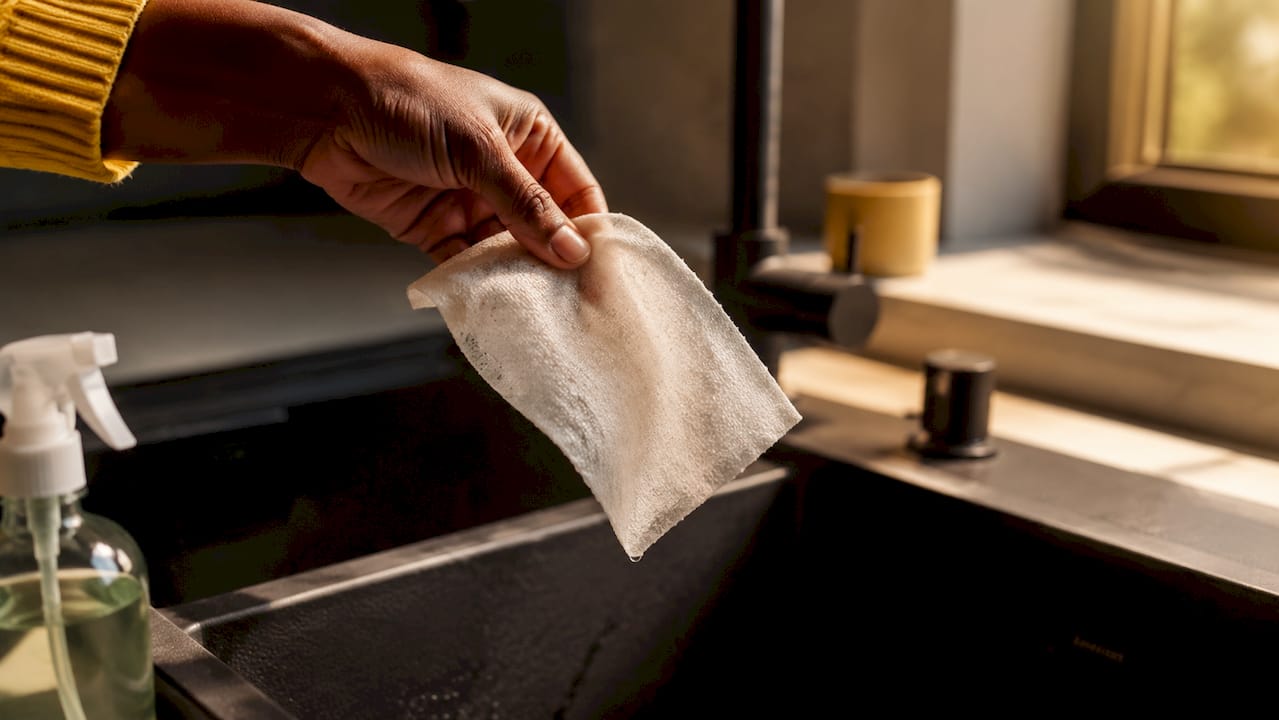
Pro Tip: Check the full ingredient list, not just the front label. A wipe marketed as “natural” can still contain synthetic preservatives or fragrance compounds unless the brand publishes a complete ingredient disclosure.
How biodegradable are these wipes, really?
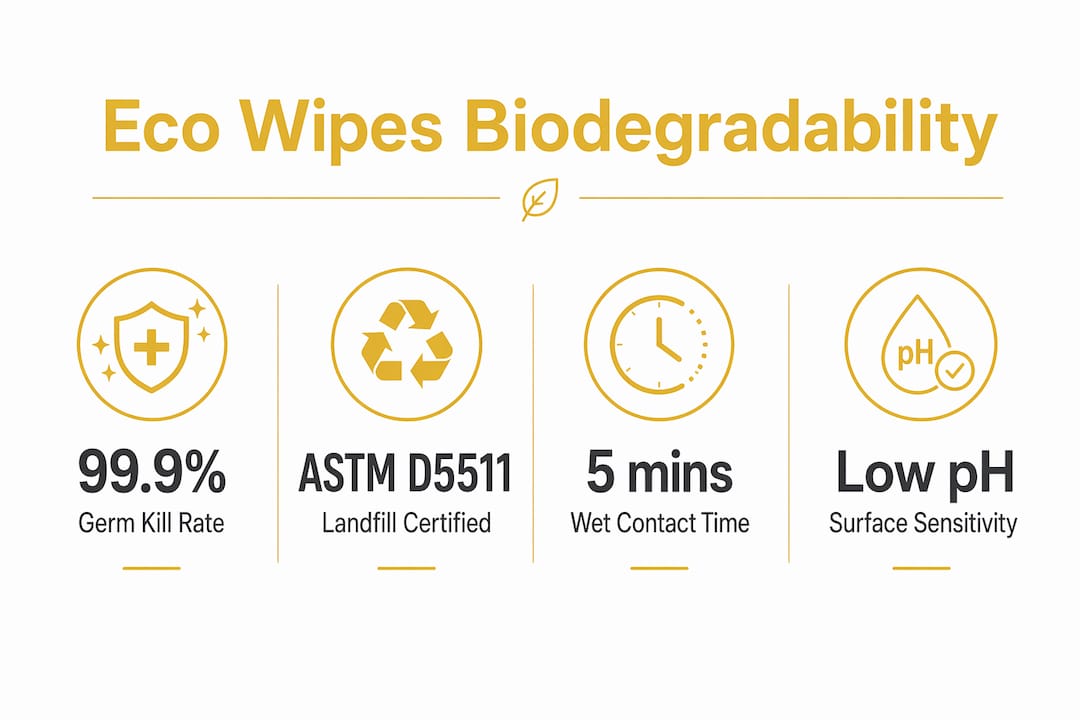
Biodegradability claims on wipe packaging are frequently misunderstood. The ASTM D5511 standard is the benchmark most commonly cited: wipes meeting this standard degrade 90% within 60 days under active landfill conditions. That is meaningful progress compared to conventional plastic-based wipes, which persist for decades.
The critical caveat is the phrase “active landfill conditions.” These conditions involve specific levels of microbial activity, moisture, and low oxygen that do not exist in a standard home compost bin.
| Disposal Method | Biodegradation Speed | Suitable for Eco Wipes? |
|---|---|---|
| Active landfill (ASTM D5511) | 90% within 60 days | Yes, if certified |
| Industrial composting facility | Weeks to months | Only if certified compostable |
| Home compost bin | Very slow or negligible | Rarely |
| General rubbish bin | Landfill conditions apply | Acceptable default |
| Flushing down the toilet | Not applicable | Never |
Many wipes labelled biodegradable are engineered for landfill breakdown only, not garden composting. Consumers who place these wipes in their home compost bins are not gaining the environmental benefit they expect. The wipe will simply sit there, decomposing very slowly, potentially introducing residual cleaning agents into garden soil.
Plastic-free and plant-based substrates do biodegrade faster than polyester wipes in most conditions. However, speed of degradation still depends heavily on the disposal environment. The most responsible approach is to place used wipes in the general rubbish bin unless the product carries a certified compostable label from a recognised body such as the Soil Association or TÜV Austria.
Pro Tip: If a brand claims “biodegradable” without citing a specific standard like ASTM D5511 or EN 13432, treat the claim with scepticism. Genuine certifications are always traceable.
How should you use eco wipes on household surfaces?
Cleaning and disinfection are not the same thing. Cleaning removes visible dirt and debris. Disinfection kills pathogens at a microbial level. To achieve disinfection with any wipe, including biodegradable cleaning wipes, the surface must remain visibly wet for the full contact time specified on the product label.
Proper disinfection requires approximately 5 minutes of wet contact time for most wipes to kill pathogens effectively. Most people wipe a surface and consider the job done within seconds. That approach cleans the surface but does not disinfect it.
Follow these steps for safe and effective use:
- Remove visible dirt first. Use a separate cloth or wipe to clear debris before applying the disinfectant wipe.
- Apply the wipe and leave the surface wet. Do not dry the surface immediately. Allow the full contact time stated on the label.
- Test on inconspicuous areas before use on delicate surfaces. Citric acid can damage porous surfaces like unfinished wood, marble, and natural stone due to its low pH.
- Keep wipes away from children and pets during use. Even plant-based formulations are not safe for ingestion or direct skin contact.
- Never use disinfectant wipes on skin or as baby wipes. These products are formulated for hard surfaces, not human tissue.
- Seal the packet after each use. Wipes dry out quickly once the packaging is open, reducing their effectiveness.
Surface compatibility is a genuine concern with citric acid formulations. Granite worktops, marble tiles, and unsealed timber are all vulnerable to acid-based cleaners. Always check the product’s surface compatibility list before applying to anything other than standard hard surfaces like glass, sealed worktops, and plastic.
Eco wipes vs conventional wipes: what is the real difference?
Conventional disinfectant wipes typically rely on synthetic quats, bleach derivatives, or alcohol as their active agents. These chemicals are highly effective at killing pathogens but carry significant downsides. Synthetic quats persist in waterways, are toxic to aquatic organisms, and have been linked to antibiotic resistance in some studies. The substrate in most conventional wipes is polyester or polypropylene, which does not biodegrade.
Plant-based disinfectant cloths close most of that gap. They achieve comparable pathogen kill rates using citric acid or other natural antimicrobial agents, while using substrates that break down in landfill conditions. The environmental advantage is real, though not absolute.
| Feature | Eco Friendly Wipes | Conventional Wipes |
|---|---|---|
| Active ingredient | Citric acid, plant-based agents | Quats, bleach, alcohol |
| Substrate material | Bamboo, cotton, wood pulp | Polyester, polypropylene |
| Pathogen kill rate | 99.9% (EPA registered) | 99.9% (EPA registered) |
| Biodegradability | Yes, under landfill conditions | No |
| Family safety | Higher (no quats or bleach) | Lower (irritants present) |
| Surface compatibility | Limited on porous surfaces | Broader, but more corrosive |
For families who want to go further, refill-based cleaning concentrates reduce plastic waste more significantly than any single-use wipe format. Brands offering refillable spray bottles with concentrated plant-based formulas address the packaging problem that even biodegradable wipes cannot fully solve. Wipes remain the most practical option for quick disinfection tasks, but combining them with a refill model for general cleaning is the most complete approach.
Ingredient transparency and minimal plastic packaging are the two factors that most reliably distinguish genuinely sustainable products from greenwashed alternatives.
Practical tips for choosing and using eco wipes responsibly
Choosing the right product from a crowded market requires a clear set of criteria. The following points cut through the marketing noise:
- Prioritise EPA DfE certification. This is the most credible third-party signal that a product meets both health and environmental standards.
- Verify biodegradability with a named standard. Look for ASTM D5511 or EN 13432 on the packaging, not just the word “biodegradable.”
- Check for full ingredient disclosure. Reputable brands in the eco-friendly cleaning products space publish every ingredient, including preservatives and fragrance components.
- Choose plastic-free packaging where possible. Recycled cardboard or refillable containers reduce the overall environmental footprint beyond what the wipe substrate alone can achieve.
- Store wipes in a cool, dry place with the lid sealed. Heat and air exposure cause the active solution to evaporate, leaving you with a damp cloth that no longer disinfects.
- Dispose of used wipes in the general rubbish bin unless the product is certified compostable by a recognised body.
Combining eco wipes with broader green cleaning practices amplifies the benefit. Switching to concentrated refillable sprays for daily cleaning and reserving wipes for targeted disinfection tasks reduces both chemical exposure and packaging waste across the household.
Pro Tip: Buy from brands that publish third-party test results for pathogen kill rates. A 99.9% claim without supporting EPA registration or independent lab data is a marketing statement, not a verified fact.
Key takeaways
Eco friendly disinfectant wipes deliver genuine germ-killing performance using plant-based ingredients, but their environmental benefit depends entirely on certified biodegradability standards and correct disposal.
| Point | Details |
|---|---|
| Citric acid is the key active ingredient | EPA-registered citric acid wipes kill 99.9% of germs without bleach or synthetic quats. |
| Biodegradability requires the right conditions | ASTM D5511 certified wipes degrade 90% in 60 days, but only in active landfill conditions. |
| Contact time determines disinfection | Surfaces must stay wet for around 5 minutes; wiping and drying immediately only cleans, not disinfects. |
| Porous surfaces need caution | Citric acid can damage marble, unfinished wood, and natural stone. Always test first. |
| Certifications cut through greenwashing | EPA DfE certification and named biodegradability standards are the most reliable product signals. |
Why i think most people are using eco wipes wrong
Most articles on this topic stop at “they’re better for the planet.” That misses the more interesting question: are you actually getting the disinfection you think you are?
The contact time issue is the one I find most underappreciated. A five-minute wet contact time sounds simple, but watch how most people use a wipe in practice. They swipe a surface, the wipe dries in under 30 seconds, and they move on. That is cleaning, not disinfecting. The eco credentials of the wipe are irrelevant if the basic chemistry is not being allowed to work.
The biodegradability confusion also frustrates me. I have seen households carefully separate their eco wipes into the compost bin, genuinely believing they are doing the right thing. They are not. Without the specific microbial conditions of an active landfill or an industrial composting facility, those wipes are not breaking down meaningfully. The family guide to eco disinfectants covers this in more depth, and I think it is required reading before you buy.
My honest recommendation is to treat eco wipes as a targeted tool rather than a daily habit. Use them for genuine disinfection tasks: toilet handles, door knobs, kitchen surfaces after raw meat. For everything else, a refillable plant-based spray and a reusable cloth does less damage overall. The wipe format is convenient, and convenience has real value for families with young children. Just do not let convenience become a reason to ignore the disposal and contact time details that determine whether the product actually works.
— ALAIN
Discover eco cleaning products at Thezoofamily
Thezoofamily was built around one conviction: the products children grow up with should protect both them and the planet they will inherit. That extends beyond cameras and binoculars to the cleaning products used in the spaces where kids play, eat, and sleep.
Thezoofamily curates eco-friendly cleaning products that meet the same standards this article describes: plant-based formulations, certified biodegradability, and full ingredient transparency. Every purchase supports a brand committed to restoring natural beauty for future generations. Explore the eco cleaning range at Thezoofamily and find products your family can trust on every surface.
FAQ
What kills germs in eco friendly disinfectant wipes?
Citric acid is the primary active ingredient in most plant-based disinfectant wipes. It disrupts microbial cell membranes and achieves a 99.9% pathogen kill rate when used correctly, without synthetic quats or bleach.
Are biodegradable cleaning wipes safe to compost at home?
Most biodegradable wipes are not suitable for home composting. They are certified to degrade under active landfill conditions per ASTM D5511, which require specific microbial activity not present in a garden compost bin.
How long must eco wipes stay wet to disinfect properly?
Surfaces must remain visibly wet for approximately 5 minutes to achieve full disinfection. Wiping and immediately drying a surface only removes visible dirt; it does not kill pathogens.
Can natural disinfecting wipes damage surfaces?
Yes. Citric acid has a low pH that can etch or damage porous surfaces including marble, unfinished wood, and natural stone. Always test on a small, hidden area before applying to delicate surfaces.
What certifications should i look for on eco cleaning wipes?
Look for EPA Designed for the Environment (DfE) certification and a named biodegradability standard such as ASTM D5511 or EN 13432. These are independently verified and more reliable than general “natural” or “eco” label claims.