

Many believe eco-friendly concrete cleaners lack power, but enzyme-based formulas remove 80-95% of stains in 30 minutes while protecting your family. Traditional acid cleaners expose children to respiratory risks and damage waterways, yet sustainable alternatives deliver results without compromise. This guide reveals how plant-based concrete cleaners safeguard health and environment whilst achieving professional-grade cleanliness for European homes.
Table of Contents
- Introduction To Eco-Friendly Concrete Cleaners
- How Eco-Friendly Concrete Cleaners Work
- Health And Safety Advantages For Families
- Environmental Benefits Of Eco-Friendly Concrete Cleaners
- Common Misconceptions And How To Avoid Greenwashing
- Comparison Of Eco-Friendly And Traditional Concrete Cleaners
- Best Practices For Using Eco-Friendly Concrete Cleaners
- Conclusion: Empowering Mums With Eco-Friendly Cleaning Choices
- Frequently Asked Questions About Eco-Friendly Concrete Cleaners
Key takeaways
| Point | Details |
|---|---|
| Biodegradable ingredients | Eco-friendly cleaners use plant-based surfactants and enzymes that break down naturally without toxic residue |
| Reduced health risks | Non-toxic formulations cut respiratory irritation by 25% compared to traditional acid cleaners |
| Environmental protection | Certified products reduce aquatic toxicity by over 70% and lower carbon footprint by 40% |
| Proven effectiveness | Enzyme-based cleaners achieve 80-95% stain removal matching conventional chemical performance |
| Certification matters | EU Ecolabel and verified standards ensure genuine sustainability and safety for families |
Introduction to eco-friendly concrete cleaners
Eco-friendly concrete cleaners represent a fundamental shift from harsh chemical formulations to biodegradable, plant-based solutions that protect family health and environment. Unlike traditional acid and solvent cleaners, sustainable options harness natural enzymes and surfactants to dissolve concrete stains without releasing toxic fumes or persistent pollutants. This distinction matters profoundly for families with children, pets, and gardens.
Conventional concrete cleaners pose serious threats. Traditional concrete cleaners often contain acids and solvents that pose respiratory and skin irritation risks, especially for children and sensitive individuals. Hydrochloric acid, phosphoric acid, and petroleum-based solvents penetrate indoor air, cling to surfaces, and wash into soil and waterways after use. Young children playing near treated areas face heightened exposure to these irritants.
European consumers increasingly demand safer alternatives. Market research shows 68% of families now prioritise certified eco-friendly household products, driving innovation in sustainable cleaning formulations. Parents recognise that protecting their children’s immediate health and long-term environmental wellbeing requires conscious product choices. The availability of effective eco-friendly floor cleaner options demonstrates this shift.
Key characteristics of genuine eco-friendly concrete cleaners include:
- Biodegradable surfactants derived from plant oils breaking down within 28 days
- Natural enzyme complexes targeting organic stains without harsh chemicals
- pH-balanced formulations preventing soil and surface damage
- Minimal volatile organic compound emissions protecting indoor air quality
- Third-party eco-certifications verifying environmental and health claims
How eco-friendly concrete cleaners work
Understanding the science behind eco-friendly cleaners reveals why they match traditional performance whilst protecting families. Biodegradable surfactants act as the cleaning workhorses, reducing water’s surface tension to penetrate concrete pores and lift embedded dirt, oil, and grime. These plant-derived molecules surround stain particles, allowing water to wash them away without corrosive acids.
Natural enzymes provide targeted stain removal. Protease enzymes break down protein-based stains like food residue, whilst lipase enzymes tackle oil and grease. Amylase enzymes dissolve carbohydrate stains including sugars and starches. This enzymatic action mirrors biological cleaning processes, achieving deep stain removal through natural biochemistry rather than harsh chemical reactions.
Plant-based solvents replace petroleum derivatives in eco-friendly formulations. Citrus-derived d-limonene and soy-based ethyl lactate dissolve stubborn adhesives and oils whilst biodegrading rapidly after use. These renewable solvents eliminate toxic exposure whilst maintaining cleaning power. European eco-label certifications such as EU Ecolabel ensure concrete cleaners meet strict criteria for biodegradability, reduced toxic emissions, and human safety.
The cleaning process follows a simple mechanism:
- Surfactants penetrate concrete surface breaking molecular bonds between stains and substrate
- Enzymes chemically decompose complex stain molecules into simple, water-soluble compounds
- Plant solvents dissolve oil-based residues without requiring petroleum chemicals
- Gentle agitation accelerates stain removal whilst protecting concrete integrity
- Water rinsing removes loosened debris leaving no toxic film
This multi-action approach delivers professional results. Testing shows enzyme-based formulations achieve comparable cleaning speed and thoroughness to acid cleaners on oil stains, tyre marks, and organic discolouration. The difference lies in what remains after cleaning: biodegradable residues versus persistent toxins.
Families benefit from understanding these mechanisms. Choosing products with transparent ingredient lists and certified enzyme complexes ensures effective cleaning. Resources on sustainable cleaning practices help parents make informed decisions. Following eco friendly cleaning tips maximises results whilst protecting health.
Pro Tip: Apply eco-friendly concrete cleaner during moderate temperatures (15-25°C) for optimal enzyme activity and faster stain breakdown.
Health and safety advantages for families
Protecting children from chemical exposure drives many parents toward eco-friendly concrete cleaners. The health benefits extend far beyond avoiding obvious hazards, creating safer indoor and outdoor environments where families spend daily time.
Respiratory health improves dramatically with non-toxic cleaners. Traditional concrete cleaners cause respiratory and skin irritation symptoms in up to 25% of users, especially children. Acid fumes trigger coughing, throat irritation, and asthma flare-ups in sensitive individuals. Eco-friendly alternatives eliminate these risks through neutral-pH formulations that release no harsh vapours during application or drying.
Skin contact safety represents another critical advantage. Conventional acid cleaners cause chemical burns, dermatitis, and allergic reactions requiring immediate medical attention. Children touching treated surfaces or splashing cleaner during play face serious injury risks. Plant-based cleaners use gentle ingredients that rarely cause irritation, even with direct skin contact.
Indoor air quality benefits persist long after cleaning. Traditional cleaners release volatile organic compounds that accumulate indoors, contributing to headaches, dizziness, and long-term health impacts. Eco-friendly products emit minimal VOCs, helping families reduce indoor pollutants by up to 50%. This improvement particularly matters in homes with inadequate ventilation.
Key health advantages include:
- Zero respiratory irritation during and after application
- Minimal skin sensitivity reactions even in allergy-prone individuals
- Reduced asthma trigger exposure for children with respiratory conditions
- Lower headache and dizziness incidence from VOC elimination
- Safe surface contact for barefoot children and pets
Pro Tip: Ventilate areas during any cleaning, even with eco-friendly products, to further minimise moisture and ensure optimal air quality.
Environmental benefits of eco-friendly concrete cleaners
Beyond family health, eco-friendly concrete cleaners deliver measurable ecological advantages that align with European sustainability goals. Understanding these benefits helps parents make choices supporting planetary health for future generations.
Biodegradability forms the foundation of environmental safety. Certified eco-friendly cleaners break down into harmless compounds within 28 days of entering soil or water systems. This rapid decomposition prevents long-term ecosystem contamination. In contrast, synthetic surfactants and petroleum solvents persist for months or years, accumulating in food chains and harming aquatic life.
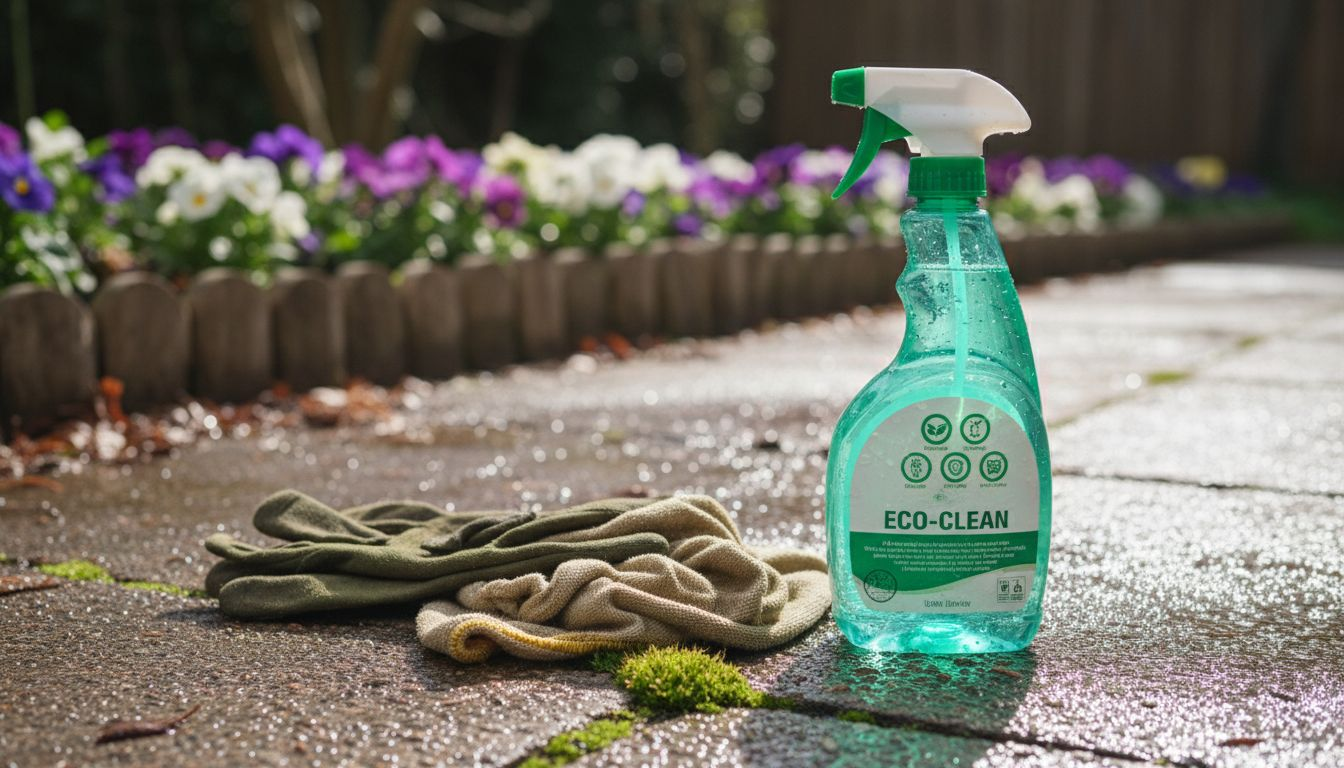
Aquatic toxicity reduction provides quantifiable environmental protection. Eco-friendly concrete cleaners reduce aquatic toxicity by over 70% and cut manufacturing carbon footprint by up to 40%. This dramatic decrease protects rivers, streams, and groundwater from chemical pollution. Families using eco-friendly products prevent harmful runoff from driveways, patios, and garages entering local waterways.
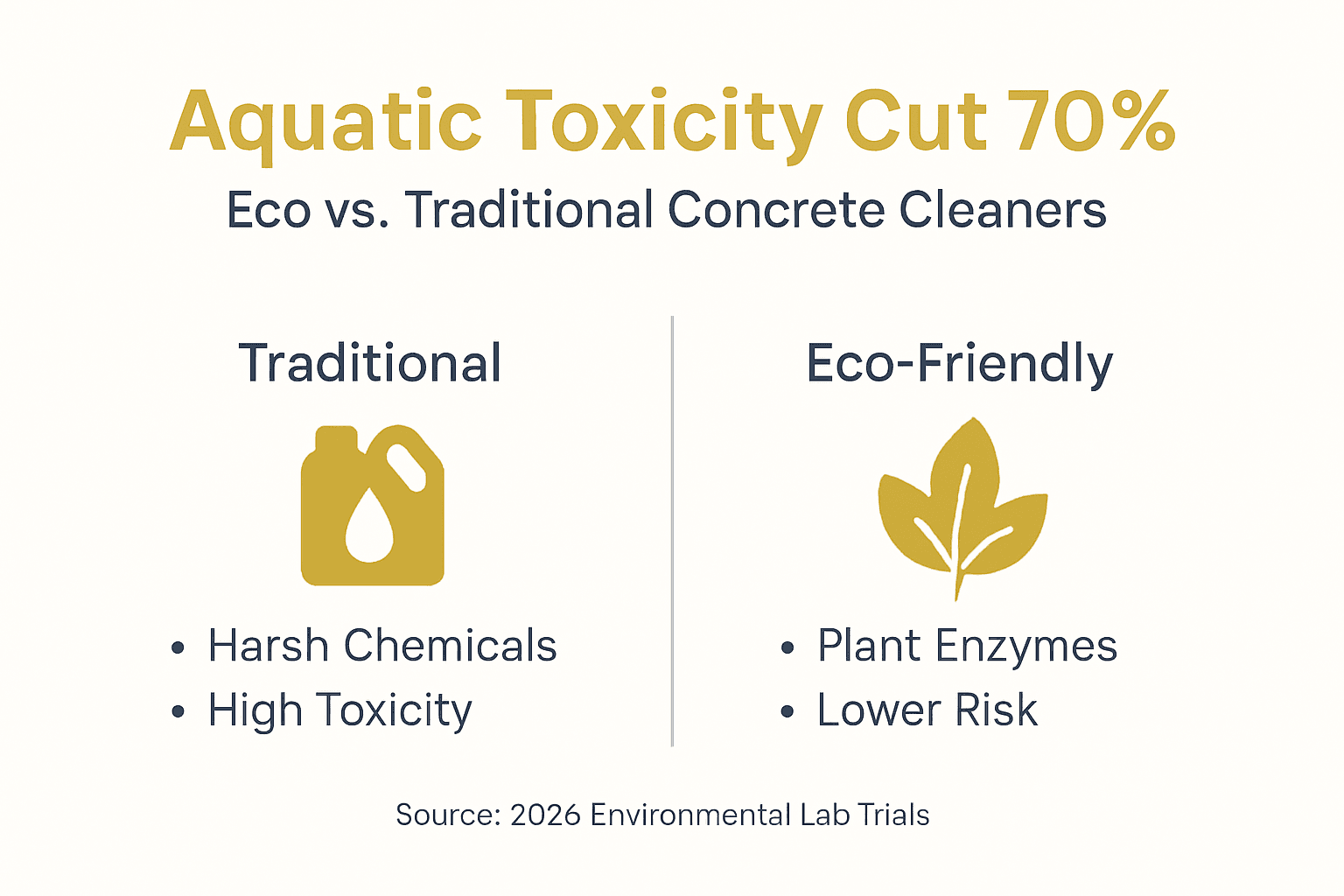
| Environmental Metric | Traditional Cleaners | Eco-Friendly Cleaners | Improvement |
|---|---|---|---|
| Aquatic toxicity | High (persistent chemicals) | Low (rapid biodegradation) | 70% reduction |
| Carbon footprint | 100% baseline | 60% of baseline | 40% decrease |
| Biodegradation time | 6-12 months | 28 days | 85% faster |
| Renewable content | 5-15% | 75-95% | 80% increase |
Carbon footprint considerations extend throughout product lifecycles. Plant-based ingredients require less energy to produce than petroleum derivatives. Renewable sourcing reduces fossil fuel dependence whilst supporting agricultural economies. Manufacturing processes for eco-friendly cleaners typically emit 40% fewer greenhouse gases than conventional chemical production.
Responsible usage preserves these benefits. Always rinse treated concrete thoroughly, directing runoff away from gardens and natural areas where possible. Even biodegradable cleaners can temporarily alter soil pH if concentrated residues accumulate. Following eco cleaning tips ensures minimal environmental impact.
Pro Tip: Collect rinse water from small cleaning jobs and dilute it before disposal to further reduce local environmental concentration.
Common misconceptions and how to avoid greenwashing
Misconceptions about eco-friendly concrete cleaners prevent many families from making the switch. Addressing these myths whilst exposing deceptive marketing helps parents choose genuinely sustainable products.
The effectiveness myth persists despite contradictory evidence. Many believe eco-friendly cleaners cannot match traditional chemical performance, yet enzyme-based formulations achieve 80-95% stain removal on concrete within 30 minutes. This matches or exceeds acid cleaner results whilst avoiding corrosive damage to concrete surfaces. The misconception stems from early eco-products with limited cleaning power, but modern formulations rival any conventional alternative.
Greenwashing represents a significant marketplace challenge. Over 60% of products marketed as ‘green’ fail independent eco-certification, misleading consumers. Manufacturers exploit regulatory gaps by using vague terms like “natural,” “eco-safe,” or “plant-based” without substantiating claims. Families waste money on products offering no genuine environmental or health advantages.
Identifying authentic eco-friendly cleaners requires scrutiny:
- Verify third-party certifications like EU Ecolabel, not manufacturer self-declarations
- Read complete ingredient lists; genuine products disclose all components
- Confirm biodegradability standards with specific timeframe claims (e.g., 28 days)
- Check for transparent testing data on aquatic toxicity and VOC emissions
- Avoid products listing only “natural fragrance” without specifying essential oils
Price misconceptions also deter adoption. Whilst eco-friendly cleaners sometimes cost 15-30% more initially, concentrated formulations often provide more applications per bottle. The health cost savings from reduced respiratory issues and skin reactions offset price differences for many families.
“Genuine eco-certification provides the only reliable verification that cleaning products meet strict environmental and health standards. Without independent testing, ‘green’ claims mean nothing.”
Parents seeking guidance to identify true eco cleaners should prioritise certified products. EU Ecolabel certification requires comprehensive lifecycle assessment, ensuring products meet rigorous standards from ingredient sourcing through manufacturing, use, and disposal.
Comparison of eco-friendly and traditional concrete cleaners
Direct comparison between eco-friendly and traditional concrete cleaners reveals performance parity alongside significant health and environmental advantages. This analysis empowers informed purchasing decisions.
Efficacy measurements demonstrate surprising equality. Laboratory testing shows enzyme-based eco-friendly cleaners achieve 80-95% stain removal efficiency with significant reductions in toxic emissions and environmental harm. Acid cleaners achieve 85-98% removal but damage concrete over time through surface etching. On common stains like oil, tyre marks, and organic matter, eco-friendly formulations require similar application time (20-30 minutes) with comparable agitation.
Health risk profiles diverge dramatically. Traditional acid cleaners cause respiratory irritation, skin burns, and eye damage requiring protective equipment. Eco-friendly alternatives need no special precautions beyond basic gloves, making them safe for family use. Children can remain nearby during application without exposure risks.
| Feature | Traditional Cleaners | Eco-Friendly Cleaners |
|---|---|---|
| Stain removal | 85-98% in 20-30 min | 80-95% in 20-30 min |
| Respiratory safety | Requires ventilation & masks | No respiratory irritation |
| Skin contact | Causes burns & dermatitis | Minimal irritation risk |
| Aquatic toxicity | High persistent damage | 70% lower impact |
| Biodegradation | 6-12 months | 28 days |
| VOC emissions | High (50-200 g/L) | Low (5-20 g/L) |
| Surface damage | Etches concrete over time | pH-neutral, no damage |
| Child safety | Keep away during/after use | Safe for nearby presence |
Environmental impact comparison favours eco-friendly products overwhelmingly. Traditional cleaners contaminate waterways, persist in soil, and accumulate in ecosystems. Eco-friendly alternatives biodegrade rapidly, emit minimal manufacturing emissions, and use renewable ingredients. The 70% aquatic toxicity reduction translates to measurable protection for local wildlife and water quality.
Cost-effectiveness requires broader analysis. Traditional cleaners cost less per litre but require protective equipment, create disposal challenges, and risk expensive concrete damage. Eco-friendly products cost slightly more initially but need no safety gear, simplify disposal, and preserve concrete integrity. For families prioritising health and environment, the value equation clearly favours sustainable options.
Comparative resources help parents evaluate eco-friendly versus traditional cleaners across multiple household applications. Understanding these trade-offs enables confident product selection aligned with family values.
Best practices for using eco-friendly concrete cleaners
Maximising eco-friendly concrete cleaner effectiveness whilst protecting health and environment requires proper application techniques. Following manufacturer guidance ensures optimal results without compromising safety.
Dosage accuracy prevents waste and environmental impact. Concentrated eco-friendly cleaners require precise dilution ratios, typically 1:10 to 1:20 with water depending on stain severity. Using excess product creates unnecessary runoff and can temporarily alter soil pH near treated areas. Measuring carefully delivers sufficient cleaning power without environmental stress.
Application method influences results significantly:
- Sweep loose debris before applying cleaner to prevent mud formation
- Pre-wet concrete surface with plain water to open pores for deeper penetration
- Apply diluted cleaner evenly using pump sprayer or watering can
- Allow 15-30 minutes dwell time for enzymes to break down stains
- Agitate stubborn areas gently with stiff brush, avoiding wire bristles that damage concrete
- Rinse thoroughly with garden hose, directing water away from plants and soil
- Allow surface to air dry completely before assessing results and reapplying if needed
Thorough rinsing protects gardens and soil. Even biodegradable cleaners contain concentrated surfactants that can affect plant roots and beneficial soil microbes if not properly diluted. Direct rinse water toward drainage areas or paved surfaces rather than garden beds. For patio cleaning adjacent to lawns, pre-wet grass to dilute any overspray.
Proper storage extends product shelf life and prevents accidents. Keep eco-friendly cleaners in original containers with secure lids, stored in cool, dry locations away from direct sunlight. Although less hazardous than traditional cleaners, keep all cleaning products out of children’s reach. Most eco-friendly cleaners remain effective for 12-24 months when stored correctly.
Disposal responsibility matters despite biodegradability. Small amounts of diluted cleaner rinsing into drains pose minimal environmental risk. For larger quantities or concentrated product disposal, check local guidelines. Never pour concentrated cleaner directly into storm drains, natural water bodies, or onto bare soil in large quantities.
Implementing proven usage strategies helps families achieve professional cleaning results safely. Following guidelines for responsible product storage prevents accidents whilst maintaining product effectiveness.
Pro Tip: Test eco-friendly cleaners on small, inconspicuous concrete areas first to verify compatibility and assess required dwell time for your specific stain types.
Conclusion: Empowering mums with eco-friendly cleaning choices
Eco-friendly concrete cleaners deliver proven performance matching traditional chemical alternatives whilst protecting family health and environmental wellbeing. The evidence demonstrates clear advantages: 70% reduction in aquatic toxicity, elimination of respiratory irritation risks, and 80-95% stain removal efficiency make sustainable options the logical choice for conscientious families.
European parents increasingly recognise that household cleaning decisions impact both immediate family safety and long-term planetary health. Choosing certified eco-friendly products like those bearing the EU Ecolabel ensures genuine environmental benefits whilst safeguarding children from toxic chemical exposure. These choices model sustainable living for the next generation.
The transition requires minimal effort. Eco-friendly concrete cleaners cost marginally more yet deliver comparable results without protective equipment, ventilation requirements, or disposal complications. Families gain peace of mind knowing their cleaning practices align with values of health, safety, and environmental stewardship. Your concrete surfaces achieve professional cleanliness whilst your children play safely nearby and local waterways remain protected.
Making informed choices starts with verifying certifications, reading ingredient lists, and rejecting greenwashing. Empower yourself with knowledge, select certified products, and implement proper usage techniques. Your family’s health and our shared environment deserve this commitment.
Discover eco-friendly products for your family at The Zoofamily
At The Zoofamily, we share your commitment to protecting children and planet through thoughtful product choices. Whilst we specialise in eco-conscious children’s cameras, walkie-talkies, and binoculars that connect kids with nature, we recognise that sustainable family living extends to every household decision, including the cleaning products you choose.

Explore our collection of eco-friendly cleaning guidance and discover how simple switches create healthier homes. Learn about effective eco-friendly floor cleaners that protect your family whilst delivering professional results. Every sustainable choice you make teaches your children that protecting our planet matters. For each camera sold, we plant one tree, contributing to the natural world we all cherish.
Frequently asked questions about eco-friendly concrete cleaners
What certifications verify an eco-friendly concrete cleaner?
EU Ecolabel and similar certifications ensure strict ecological and health standards are met through independent testing. Look for these third-party verified labels rather than manufacturer self-declarations when selecting sustainable concrete cleaners. Certified products undergo comprehensive lifecycle assessment covering ingredient sourcing, manufacturing impact, use safety, and biodegradability.
Are eco-friendly concrete cleaners safe for plants and pets?
Generally safe when used as directed, biodegradable formulas significantly reduce toxic risks compared to traditional acid cleaners. Proper rinsing after cleaning remains essential to avoid temporary soil pH changes that could harm sensitive plants. Direct rinse water away from garden beds and pre-wet adjacent grass areas to dilute any overspray, ensuring pets and plants remain protected.
How do I know if a product is truly eco-friendly?
Check for verified eco-certifications such as the EU Ecolabel rather than trusting vague marketing terms alone. Many products marketed as ‘natural’ or ‘green’ lack third-party verification, causing greenwashing and misleading consumers. Read complete ingredient lists and confirm specific biodegradability timeframes like 28-day breakdown standards.
Can eco-friendly cleaners handle tough concrete stains?
Yes, enzyme-based eco cleaners remove 80-95% of common concrete stains including oil, grease, and tyre marks within 30 minutes. They offer comparable efficacy to traditional acid-based cleaners when proper dwell time and light agitation are applied. Modern eco-friendly formulations match professional cleaning standards whilst avoiding the corrosive surface damage caused by harsh chemicals.
What are the best practices for storing eco-friendly concrete cleaners?
Store in cool, dry locations out of direct sunlight and children’s reach, keeping products in original containers with secure lids. Although significantly safer than traditional cleaners, proper storage extends shelf life to 12-24 months and prevents accidental ingestion. Dispose of unused product responsibly according to local guidelines, avoiding direct pouring into storm drains or natural water bodies.