

Trees shape our world in ways most people rarely consider. They are not only beautiful but also serve as the lungs of our planet and provide shade in our cities. But there is a surprising side to this story. A single mature tree can absorb about 48 pounds of carbon dioxide every year, and yet that is just one small part of their power. Trees build secret networks beneath our feet, support hundreds of species, and quietly drive both climate stability and community well-being in ways few would ever imagine.
Table of Contents
- What Are Trees And Their Role In Our Ecosystem?
- Why Do Trees Matter For Climate And Air Quality?
- How Trees Support Biodiversity And Wildlife Habitats
- What Are The Social And Economic Benefits Of Trees?
- How Planting Trees Can Create A Sustainable Future
Quick Summary
| Takeaway | Explanation |
|---|---|
| Trees are essential for carbon capture. | They absorb carbon dioxide, helping to combat climate change and stabilise atmospheric conditions. |
| Trees enhance urban economic value significantly. | Urban trees can increase property values and attract businesses, boosting local economic activity. |
| Trees create diverse habitats for species. | A single tree can host numerous species, supporting biodiversity and ecological balance. |
| Planting trees supports community health and well-being. | Green spaces with trees reduce stress and promote social interactions, improving overall health quality. |
| Reforestation is a vital climate solution. | Planting trees helps offset carbon emissions and restores ecosystems, enhancing resilience against climate change. |
What Are Trees and Their Role in Our Ecosystem?
Trees are extraordinary living organisms that serve as fundamental pillars of our planet’s ecological systems. These remarkable plants are far more than just tall wooden structures with branches and leaves - they are complex, interconnected life forms that play critical roles in maintaining environmental balance and supporting diverse ecosystems.
Understanding Tree Fundamentals
At their core, trees are perennial woody plants that have a distinct trunk, branches, and a sophisticated root system. Unlike smaller plants, trees can grow to substantial heights and live for decades or even centuries. According to the US Forest Service, trees are classified based on their structure, leaf type, and geographical distribution, ranging from coniferous forests in cold regions to tropical rainforests near the equator.
Trees function through an incredible process called photosynthesis, where they convert sunlight, water, and carbon dioxide into oxygen and glucose. This process not only produces the oxygen we breathe but also helps regulate atmospheric carbon levels, making trees essential natural carbon sinks that mitigate climate change impacts.
Ecological Significance of Trees
Trees are keystone species in global ecosystems, providing multiple critical environmental services. They create habitats for countless animal and plant species, stabilise soil to prevent erosion, and contribute to water cycle regulation. The Arbor Day Foundation highlights that a single mature tree can support hundreds of different life forms simultaneously.
Their ecological importance extends beyond immediate environmental interactions. Trees generate microclimates, reduce urban heat island effects, filter air pollutants, and create protective corridors for wildlife migration. By absorbing and storing carbon, they play a pivotal role in combating global warming and maintaining planetary temperature balance.
Moreover, trees represent complex interdependent networks. Through intricate root systems and fungal connections, they communicate, share nutrients, and support surrounding vegetation in ways scientists are only beginning to understand.
To clarify the diverse ways in which trees contribute to our environment, the following table summarises the main ecological benefits mentioned in the article and their explanations.
| Ecological Benefit | Description |
|---|---|
| Carbon Capture | Trees absorb carbon dioxide during photosynthesis and act as natural carbon sinks, helping to mitigate climate change. |
| Habitat Creation | Trees provide shelter, food, and breeding sites for hundreds of animal and plant species, supporting global biodiversity. |
| Soil Stabilisation | Extensive root systems anchor soil, preventing erosion and maintaining healthy land structures. |
| Water Cycle Regulation | Trees absorb and store water, helping to regulate hydrological cycles and reduce flood risks. |
| Air Purification | Through their leaves and bark, trees filter out air pollutants, improving overall air quality. |
| Microclimate Generation | By providing shade and releasing water vapour, trees help create local cooling effects and support urban climate regulation. |
| Fungal and Root Networks | Trees form intricate underground systems, sharing nutrients and supporting ecosystem resilience through interconnectivity. |
Why Do Trees Matter for Climate and Air Quality?
Trees are not merely passive environmental elements but active guardians of our planet’s atmospheric health. Their role in maintaining climate stability and air quality is far more sophisticated and crucial than most people realise.
Carbon Capture and Climate Regulation
One of the most significant contributions trees make involves carbon sequestration. Trees absorb carbon dioxide during photosynthesis, effectively functioning as natural carbon sinks. According to NASA’s Climate Change Research, a mature tree can absorb approximately 48 pounds of carbon dioxide per year, helping mitigate global warming impacts.
The process of carbon capture extends beyond immediate atmospheric benefits. Trees store carbon in their wood, roots, and surrounding soil, creating long-term carbon repositories that help stabilise global temperature patterns. Urban and forest trees collectively represent a critical strategy in combating climate change by reducing greenhouse gas concentrations.

Air Purification and Pollution Mitigation
Trees serve as remarkable natural air filters, removing harmful pollutants and particulate matter from the atmosphere. Their leaves and bark capture microscopic dust particles, absorb toxic gases like nitrogen oxides and ozone, and release clean oxygen. A single hectare of mature forest can potentially remove several tonnes of pollutants annually.
In urban environments, trees provide additional air quality benefits by creating localized cooling effects and reducing heat island phenomena. By lowering ambient temperatures through shade and transpiration, trees help decrease energy consumption for cooling and improve overall environmental quality.
Ecosystem Resilience and Climate Adaptation
Beyond direct atmospheric contributions, trees play a crucial role in building ecosystem resilience against climate change. Their root systems prevent soil erosion, manage water resources, and support biodiversity. Forests act as complex, interconnected systems that help regulate regional climate patterns, moisture levels, and provide habitat for countless species.
By maintaining tree populations and supporting reforestation efforts, we invest in natural climate solutions that complement technological approaches to environmental protection. Trees represent a sustainable, cost-effective strategy for addressing global environmental challenges.
How Trees Support Biodiversity and Wildlife Habitats
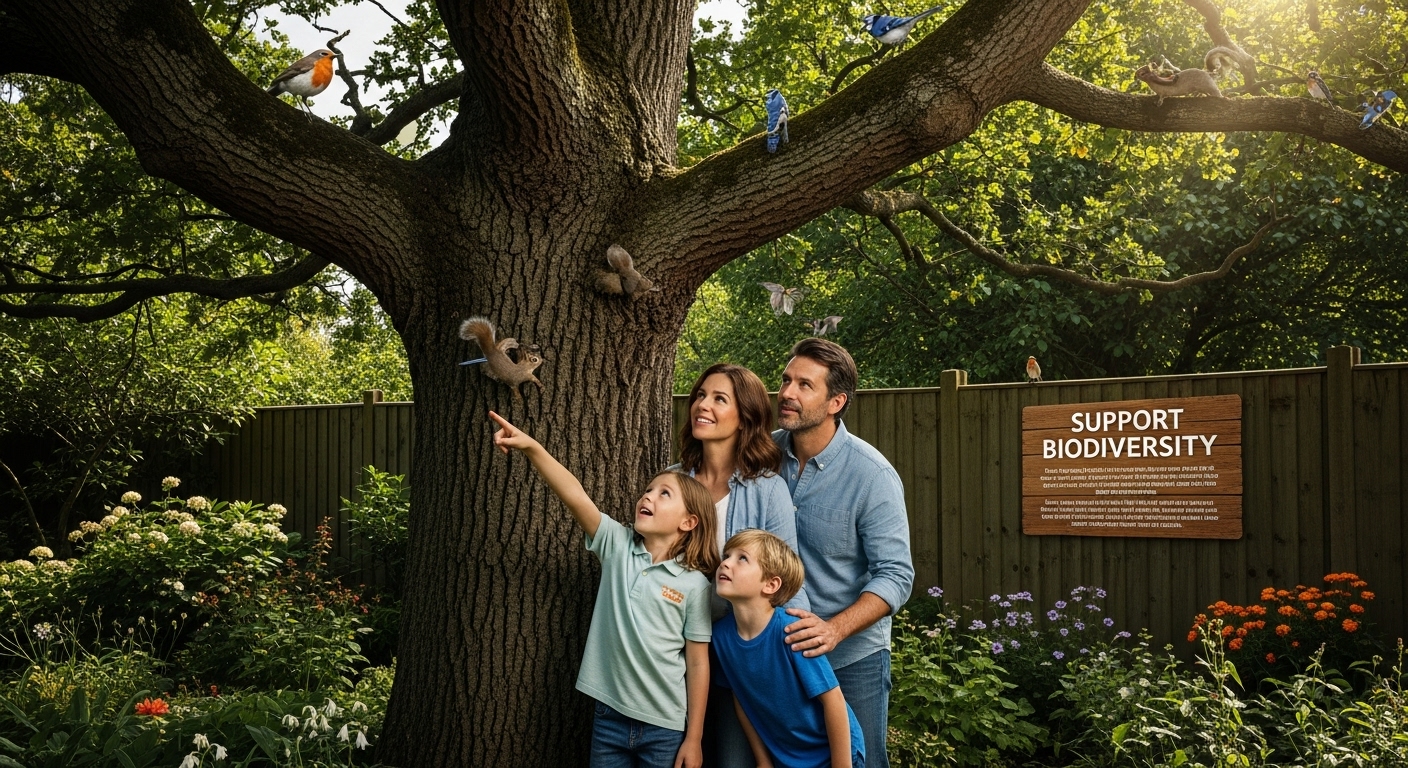
Trees are not just silent sentinels of our landscapes but vibrant ecosystems that nurture and sustain an incredible diversity of life. Their complex structures create intricate habitats that support countless species, making them essential foundations of global biodiversity.
Vertical Living Ecosystems
Trees represent multilayered living environments that offer different microhabitats across their vertical structure. From the forest floor to the uppermost branches, each level provides unique niches for various organisms. According to the World Wildlife Fund, a single mature tree can host hundreds of different species simultaneously, including insects, birds, mammals, fungi, and microorganisms.
The bark, branches, leaves, and roots each create distinct ecological zones. Insects might inhabit bark crevices, birds build nests in branches, small mammals create homes in root systems, and fungi establish complex underground networks that facilitate nutrient exchange.
Interconnected Ecological Networks
Trees function as crucial connectivity corridors for wildlife migration and genetic exchange. Forest landscapes enable animals to move between different habitats, preventing genetic isolation and supporting population health. These green corridors are especially critical for species adapting to changing environmental conditions.
The root systems of trees create underground communication networks where nutrients, water, and chemical signals are shared between different plant species. This intricate web supports not just individual trees but entire forest ecosystems, demonstrating a level of interconnectedness that scientists are only beginning to understand.
Habitat Creation and Species Support
Different tree species support different wildlife communities. Deciduous trees provide seasonal food sources like fruits and seeds, while evergreen trees offer year-round shelter. Older trees with hollows become critical nesting sites for birds and small mammals, while fallen branches create habitats for ground-dwelling creatures.
By preserving and planting diverse tree species, we directly contribute to maintaining complex ecological systems. Each tree represents a microcosm of life, supporting biodiversity and helping sustain the delicate balance of our planet’s ecosystems.
What Are the Social and Economic Benefits of Trees?
Trees are not just environmental assets but powerful contributors to human well-being, offering extensive social and economic advantages that extend far beyond their ecological functions. Their value transcends environmental benefits, directly impacting community development, economic productivity, and individual quality of life.
Urban Infrastructure and Economic Value
According to the US Forest Service, trees significantly enhance urban economic landscapes. They increase property values, reduce energy consumption through natural cooling, and create aesthetic environments that attract businesses and residents. Urban trees can boost real estate prices by up to 15%, demonstrating their direct economic impact.
In commercial districts, tree-lined streets create more appealing shopping experiences, potentially increasing foot traffic and commercial activity. Businesses located in green environments often report higher customer retention and improved employee productivity, highlighting the subtle yet profound economic influence of urban forestry.
Community Health and Well-being
Trees contribute substantially to community mental and physical health. Green spaces with mature trees reduce stress, promote outdoor activities, and create natural gathering spaces that encourage social interactions. Parks and tree-lined streets become community focal points, supporting social cohesion and collective well-being.
Research indicates that proximity to trees reduces healthcare costs by improving air quality, reducing urban heat stress, and providing spaces for physical recreation. Communities with extensive tree cover demonstrate lower rates of respiratory diseases and enhanced overall psychological resilience.
Long-term Sustainable Development
Investing in tree planting and urban forestry represents a strategic approach to sustainable community development. Trees provide long-term economic benefits through reduced infrastructure maintenance costs, natural stormwater management, and climate adaptation strategies.
By integrating trees into urban planning, communities create resilient environments that simultaneously address environmental challenges and support economic growth. Each tree planted represents an investment in future generations, offering continuous social and economic returns that compound over time.
To help visualise the social and economic value trees bring to urban environments, the table below contrasts the key benefits outlined in the article.
| Social/Economic Benefit | How Trees Provide This Benefit |
|---|---|
| Increased Property Values | Mature trees can raise adjacent real estate prices by up to 15%, making areas more desirable for buyers. |
| Reduced Energy Consumption | Natural shade and cooling from trees lower the need for air conditioning, cutting household and business costs. |
| Improved Health and Well-being | Green spaces with trees encourage outdoor activity, reduce stress, and create safer, more welcoming communities. |
| Enhanced Community Cohesion | Trees and parks act as meeting points, promoting neighbourly interactions and collective social activities. |
| Attraction for Businesses | Leafy, aesthetic environments boost customer visits, improve employee wellbeing, and foster vibrant commerce. |
| Infrastructure Cost Savings | Trees contribute to stormwater management and can reduce maintenance expenses for municipal infrastructure. |
How Planting Trees Can Create a Sustainable Future
Planting trees represents more than an environmental gesture - it is a strategic investment in our planet’s long-term resilience and human survival. These silent guardians offer transformative solutions to complex global challenges, bridging environmental protection with sustainable development strategies.
Climate Change Mitigation Strategies
According to the Intergovernmental Panel on Climate Change, tree planting emerges as a powerful natural climate solution. By sequestering carbon, trees directly counteract greenhouse gas emissions, providing a cost-effective mechanism for atmospheric carbon reduction. Each tree planted contributes to a global network of carbon capture systems that help stabilise planetary temperature ranges.
Reforestation and afforestation initiatives can potentially offset significant portions of human-generated carbon emissions. Strategic tree planting in degraded landscapes can transform unproductive lands into thriving carbon sinks, simultaneously addressing climate change and supporting ecological restoration.
Ecosystem Restoration and Resilience
Tree planting goes beyond carbon sequestration, acting as a comprehensive ecosystem restoration strategy. By reintroducing native tree species, we rebuild complex ecological networks that support biodiversity, prevent soil erosion, and restore hydrological cycles. These green interventions create self-sustaining environments that can adapt to changing environmental conditions.
In regions experiencing environmental degradation, targeted tree planting can reverse desertification, improve soil quality, and regenerate local ecosystems. Communities that invest in tree planting effectively create natural infrastructure that supports agricultural productivity, water management, and local climate regulation.
Community Empowerment and Sustainable Development
Tree planting initiatives represent powerful tools for community engagement and sustainable economic development. Local reforestation projects create employment opportunities, develop environmental skills, and generate long-term economic benefits. By involving communities directly in ecosystem restoration, we foster environmental stewardship and create pathways for sustainable local development.
Moreover, tree planting provides tangible hope for future generations. Each sapling represents an investment in environmental healing, demonstrating humanity’s capacity to repair and regenerate our planet’s ecological systems through collective action and strategic interventions.
Inspire Young Minds and Grow a Greener Tomorrow
Caring for our planet starts with the small choices we make each day. As discussed in Understanding Why Plant Trees: Benefits for Our Future, trees play a vital role in supporting biodiversity, improving air quality, and securing a sustainable future for everyone. Yet many families face the challenge of connecting children meaningfully to nature. When kids lack direct experiences with the outdoors, they may not understand why protecting trees really matters. At The Zoofamily, we believe nature education and climate action can begin at home—by sparking curiosity and making a positive environmental impact together. Each kids’ camera you purchase not only inspires your child to explore their world but also helps plant one real tree for a healthier planet.

Imagine giving your child a gift that brings adventure and hope for the planet. Encourage their creativity, nurture their love for animals, and support a greener Earth through The Zoofamily’s nature-inspired products. Join today and make your next purchase a step towards a cleaner, flourishing world. Visit The Zoofamily and plant the seeds for a brighter future.
Frequently Asked Questions
What are the main environmental benefits of planting trees?
Planting trees offers numerous environmental benefits, including carbon sequestration, which helps mitigate climate change, air purification by removing pollutants, and improvements to biodiversity by providing habitats for various species.
How do trees contribute to local climate regulation?
Trees play a critical role in local climate regulation by creating shade, reducing heat island effects in urban areas, and helping to manage water resources through their root systems, which prevent soil erosion and promote healthy water cycles.
What social benefits do community tree planting initiatives provide?
Community tree planting initiatives foster social cohesion, enhance mental health through improved green spaces, and create opportunities for economic growth by increasing property values and attracting businesses to the area.
How can tree planting support sustainable development?
Tree planting supports sustainable development by providing long-term economic benefits, enhancing local infrastructure, and promoting ecosystem restoration. These efforts can lead to improved agricultural productivity and better water management for local communities.
Recommended
- Comprendre comment prendre soin de la terre pour nos enfants – The Zoofamily
- Understanding Eco Friendly Routines for Modern Families – The Zoofamily
- Childhood Brain Development: A Guide for Modern European Mums – The Zoofamily
- Comment protéger la planète au quotidien avec ses enfants – The Zoofamily
- Understanding the Benefits of Native Plants for Your Garden - Lushy Gardens