

Every parent faces that moment when city life feels like it is stealing away precious time outdoors with their children. For eco-conscious moms, finding nature-inspired activities in urban Germany can feel challenging, especially compared to the spacious gardens often featured in British stories. With over 70 percent of preschoolers spending less than an hour a day outdoors, turning small green spaces into engaging adventures matters more than ever. Discover playful ways to spark your child’s imagination and nurture a joyful connection with nature right outside your door.
Table of Contents
- 1. Nature Scavenger Hunt For Curiosity
- 2. DIY Bug Hotel To Encourage Exploration
- 3. Building Leaf And Stick Art Creations
- 4. Garden Planting To Teach Responsibility
- 5. Obstacle Course For Physical Development
- 6. Animal Tracks Adventure For Observation Skills
- 7. Storytelling Circle With Natural Props
Quick Summary
| Key Message | Explanation |
|---|---|
| 1. Create a Nature Scavenger Hunt | Use a checklist of natural items to promote sensory exploration and observation skills during outdoor walks. |
| 2. Build a DIY Bug Hotel | Involve children in constructing a bug hotel to teach them about ecological diversity and the importance of insects in our ecosystem. |
| 3. Engage in Leaf and Stick Art | Encourage creativity by using collected natural materials to create art, promoting imagination and fine motor skills. |
| 4. Start a Small Garden | Teach responsibility and environmental stewardship by nurturing plants, allowing children to learn valuable life skills. |
| 5. Design an Obstacle Course | Create a physical challenge with various activities to build motor skills and encourage active play in a fun way. |
1. Nature Scavenger Hunt for Curiosity
Transform your preschooler’s outdoor exploration into an exciting adventure of discovery with a creative nature scavenger hunt. This engaging activity transforms a simple walk into a sensory learning experience that sparks scientific curiosity and observation skills.
Children naturally possess an incredible sense of wonder about the world around them. By guiding them through a structured nature exploration activity, you can help develop their observational skills and understanding of the natural environment. The goal is not just finding objects but experiencing the world through multiple senses.
Create a simple checklist with natural items children can discover: a smooth stone, a uniquely shaped leaf, different colours of flowers, interesting tree bark textures, or small natural sounds they can hear. Encourage them to use all their senses while exploring touch the bark, smell the flowers, listen to rustling leaves, and observe tiny details.
This activity teaches children critical scientific practices such as collecting information, comparing observations, and describing their findings. By turning exploration into a playful game, you make learning feel like an exciting adventure rather than a structured lesson.
Pro tip: Bring a small notebook and pencil so your child can draw or make simple marks about what they discover during their nature scavenger hunt.
2. DIY Bug Hotel to Encourage Exploration
Transform your garden into a thriving microcosm of wildlife by creating a fascinating DIY bug hotel that will spark your preschooler’s curiosity about the natural world. Building a bug hotel is more than a craft project it is an interactive learning experience that teaches children about ecological diversity and insect habitats.
Insects play a crucial role in our ecosystem, and creating a bug sanctuary provides a hands-on opportunity for children to understand their importance. Different sections of the hotel can attract various beneficial insects like solitary bees, ladybirds, and other pollinators that support garden health.
To construct your bug hotel, collect natural materials such as hollow bamboo stems, dry leaves, untreated wood pieces, pine cones, and small stones. Arrange these materials in a wooden frame or large container, ensuring different compartments and textures to attract diverse insect species. Place the hotel in a sheltered area with partial sunlight near flowering plants to maximise its ecological impact.
This activity teaches preschoolers about biodiversity, observation, and caring for small creatures. They will learn patience, gentle handling, and develop a sense of environmental stewardship while discovering the fascinating world of insects right in their own garden.
Pro tip: Involve your child in regularly observing the bug hotel, discussing the insects they see, and understanding each creature’s unique role in the ecosystem.
3. Building Leaf and Stick Art Creations
Turn your garden wanderings into a creative adventure by transforming simple natural materials into artistic masterpieces that spark your preschooler’s imagination. Collecting leaves and sticks becomes an exciting expedition of discovery and artistic expression.
Natural materials offer endless possibilities for creative preschool art projects. Children can create fascinating artwork using leaves of different shapes, sizes, and colours. Techniques like leaf rubbings allow them to explore texture and colour while developing fine motor skills and observational abilities.
Start by collecting an assortment of leaves and sticks during a family outdoor walk. Encourage your child to select materials with interesting shapes, colours, and textures. At home, spread out your collection and begin experimenting. Create leaf collages, design stick sculptures, make leaf prints using watercolours, or construct simple stick figures.
This activity helps develop spatial reasoning, creativity, and an appreciation for natural materials. By transforming ordinary leaves and sticks into art, children learn that creativity can emerge from the most unexpected sources. They also develop important skills like sorting, arranging, and imagining new possibilities.
Pro tip: Laminate especially beautiful leaf artworks to preserve your child’s creative memories and create lasting keepsakes of their outdoor explorations.
4. Garden Planting to Teach Responsibility
Gardening offers a magical opportunity for preschoolers to learn about life, growth, and personal responsibility through hands-on interaction with nature. By nurturing their own small garden plot, children develop critical skills that extend far beyond plant care.
Gardening activities for young children provide an extraordinary platform for teaching patience, care, and environmental stewardship. When children plant seeds, water them regularly, and observe their gradual transformation, they learn valuable lessons about nurturing living things and understanding natural processes.
Start with simple, fast-growing plants like radishes, sunflowers, or herbs that provide quick, encouraging results. Create a dedicated small garden space where your preschooler can be responsible for specific tasks such as watering, removing small weeds, and monitoring plant growth. Use child sized gardening tools to make the experience more engaging and age appropriate.
Through gardening, children develop fine motor skills, learn scientific observations, and understand cause and effect relationships. They also gain a sense of accomplishment and learn that consistent care produces tangible results. This activity teaches fundamental life lessons about responsibility, patience, and environmental connection.
Pro tip: Take photographs of your child’s garden at different stages to create a visual growth journal that celebrates their nurturing efforts and provides a lasting memory of their gardening journey.
5. Obstacle Course for Physical Development
Transform your garden or living space into an exciting adventure playground that challenges and develops your preschooler’s physical abilities through a carefully designed obstacle course. These dynamic play experiences offer far more than simple entertainment.
Physical development activities help children build crucial motor skills and spatial awareness through engaging challenges. An obstacle course can include crawling under tables, jumping over soft cushions, walking along a taped line, stepping through hula hoops, and weaving between garden markers.
Design the course to progressively challenge your child’s abilities. Start with simple movements like stepping over low obstacles, then gradually introduce more complex challenges such as balancing on one foot, crawling through cardboard tunnels, or hopping between designated spots. Use household items like cushions, chairs, ropes, and cardboard boxes to create varied and exciting challenges.
These activities develop not just physical skills but also cognitive abilities like problem solving, spatial reasoning, and following instructions. By making physical development playful and interactive, you transform exercise into an exciting game that children eagerly anticipate.
Pro tip: Time your child’s obstacle course runs to add an element of friendly competition and encourage them to improve their skills gradually.
6. Animal Tracks Adventure for Observation Skills
Turn an ordinary walk outdoors into a thrilling detective expedition that transforms your preschooler into a nature investigator. Animal tracking is a magical way to spark curiosity and develop keen observation skills in young explorers.
Wildlife tracking activities engage children in understanding the hidden stories of local wildlife through careful observation. By learning to identify and interpret animal tracks, children develop critical scientific skills such as pattern recognition, measurement, and inference.
Start your tracking adventure in areas with soft ground like muddy paths, sandy riverbanks, or after a light rain. Look for clear footprints from small animals like rabbits, squirrels, or birds. Encourage your child to measure track sizes, compare different shapes, and imagine the animal’s journey. Use a small notebook to sketch tracks, count steps, and document discoveries.
This activity goes beyond simple observation. Children learn about animal behaviour, habitat interactions, and develop spatial reasoning skills. They begin to understand how different animals move and interact with their environment, transforming a simple walk into an immersive learning experience.
Pro tip: Take photographs of interesting tracks to create a wildlife tracking journal that your child can review and add to over time.
7. Storytelling Circle with Natural Props
Transform a simple outdoor gathering into a magical realm of imagination by creating a storytelling circle that uses natural objects to spark creativity and language development. This engaging activity turns ordinary moments into extraordinary adventures of narrative exploration.
Natural object storytelling provides a powerful platform for preschoolers to develop expressive language, emotional intelligence, and creative thinking. When children select unique natural items like interesting stones, twigs, leaves, or flowers, they begin a sensory journey of storytelling that connects them deeply with their environment.
Begin by collecting an assortment of natural objects during a family walk or garden exploration. Arrange these items in the centre of your storytelling circle and invite your child to select objects that spark their imagination. Encourage them to describe the item, share a story about where it might have come from, or create an entirely fictional narrative inspired by the object.
This activity nurtures multiple developmental skills language comprehension, creative expression, emotional articulation, and cognitive flexibility. By using tangible natural props, children learn to transform abstract thoughts into coherent narratives, building confidence in their storytelling abilities.
Pro tip: Record these storytelling sessions occasionally to create a precious memory book that captures your child’s imaginative journey and linguistic development.
Below is a comprehensive table summarising the activities and their benefits discussed extensively throughout the article.
Boost Your Preschooler’s Outdoor Creativity with Tools That Inspire
Every parent knows the challenge of turning outdoor play into a powerful learning experience. The article highlights how activities like nature scavenger hunts and building bug hotels nurture curiosity, observation skills and responsibility in young children. Yet without the right tools to engage their senses and deepen their connection to nature, these moments can easily become missed opportunities.
At The Zoofamily, we understand that fostering a child’s creative connection with the natural world is essential. That is why we designed innovative kids’ cameras, walkie-talkies and binoculars that not only encourage exploration but also feature animal references to spark interest in wildlife. Every purchase plants a tree, helping restore the very environment children are eager to discover.
Discover The Zoofamily’s range of nature-inspired tools that turn your garden or local park into an inspiring playground for creativity and learning.
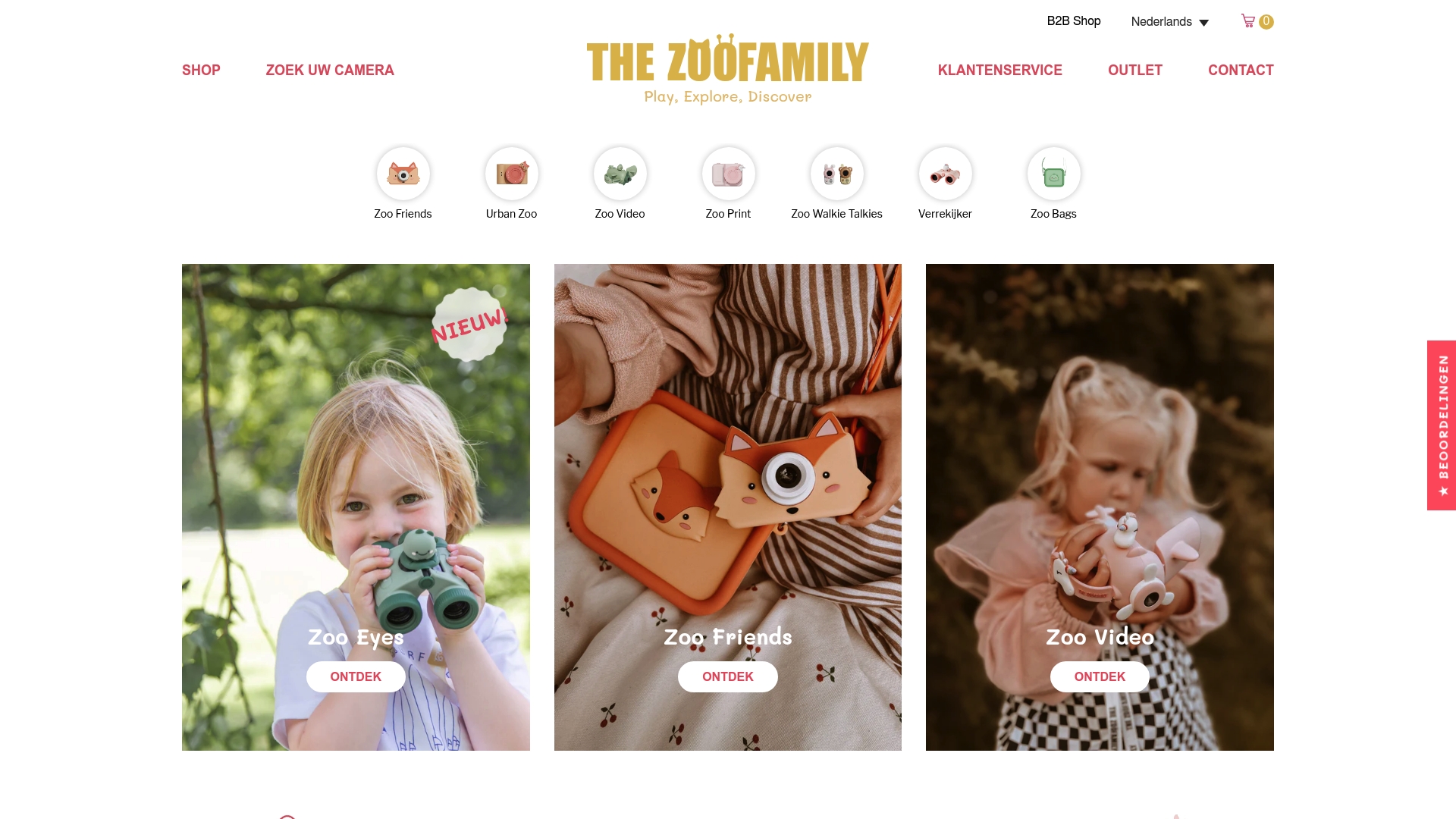
Equip your preschooler with the perfect companion for adventures in observation and imagination. Visit The Zoofamily today and start transforming outdoor play into unforgettable moments of growth and connection with the planet.
Frequently Asked Questions
What are some outdoor play ideas to boost creativity in preschoolers?
Encourage creativity in preschoolers through activities like nature scavenger hunts, DIY bug hotels, and storytelling circles with natural props. Engage children with hands-on experiences that allow them to explore, create, and express their imaginations in a natural setting.
How can I set up a nature scavenger hunt for my preschooler?
Create a simple checklist of natural items for your preschooler to find during a walk outside. Use items like stones, leaves, or flowers, and encourage them to use all their senses to explore each object, turning an ordinary walk into an exciting adventure.
What materials do I need to build a DIY bug hotel?
Use natural materials such as hollow bamboo stems, dry leaves, untreated wood, and small stones to construct a bug hotel. Arrange these items in a wooden frame or large container, creating different sections to attract various insects and teach children about biodiversity.
How can storytelling be enhanced using natural props?
Collect unique natural items during outings and use them as storytelling prompts in a circle. Encourage your child to select an object and create a narrative based on it, fostering their imagination and language skills while connecting them to nature.
What types of plants are suitable for young children to grow in a garden?
Choose fast-growing plants like radishes, sunflowers, or herbs that can show results quickly and engage preschoolers. Involve your child in tasks like planting seeds and watering, promoting responsibility and a connection to nature.
How can an obstacle course aid in my child’s physical development?
Creating an obstacle course in your home or garden helps develop your child’s motor skills through fun challenges like crawling, jumping, and balancing. Design the course to gradually increase in difficulty, encouraging them to improve their physical abilities while enjoying active play.
Recommended
- Making Learning Fun: Engaging Activities for Your Kids – The Zoofamily
- Understanding the Benefits of Imaginative Play – The Zoofamily
- Making Learning Fun: Engaging Activities for Your Kids – The Zoofamily
- Bricolages avec coquillages : Créez des cadeaux uniques pour enfants – The Zoofamily
- Creative Thinking Exercises for Future Entrepreneurs 2025 | siift