

Over 80 percent of brain development happens before age five, yet many parents overlook the real impact of playtime. The simple act of playing sparks powerful learning that shapes how children think, move, and connect with others. Understanding what makes play educational reveals how everyday moments can build problem-solving skills, boost confidence, and nurture creativity in ways that feel fun and natural for kids.
Table of Contents
- What Makes Playtime Educational?
- Types Of Educational Play Activities
- Key Benefits Of Learning Through Play
- How To Encourage Educational Play At Home
- Common Pitfalls And Mistakes To Avoid
- Eco-Friendly Play: Connecting Kids With Nature
Key Takeaways
| Point | Details |
|---|---|
| Educational Value of Play | Play transforms into an educational experience by incorporating interactive elements that stimulate cognitive, physical, and emotional development. |
| Diverse Play Activities | Engaging in imaginative, constructive, physical, sensory, and social play fosters critical thinking, creativity, and emotional intelligence. |
| Encouraging Play at Home | Parents can enhance playtime by creating dedicated play zones, rotating toys, and asking open-ended questions to deepen learning experiences. |
| Avoiding Common Pitfalls | To maximize benefits, parents should avoid over-structuring play and excessive intervention, allowing children to explore and learn independently. |
What Makes Playtime Educational?
Playtime is far more than just entertainment for children - it’s a critical developmental pathway where learning happens naturally and joyfully. According to the Home Science Journal, play is fundamental to childhood development, serving as a powerful mechanism for enhancing multiple essential skills simultaneously.
What transforms ordinary playtime into an educational experience are specific interactive elements that stimulate cognitive, physical, and emotional growth. As research from the Playtime Project reveals, play contributes to healthy brain development by fostering crucial developmental milestones. Key educational components include:
- Sensory Engagement: Activities that activate multiple senses
- Problem-Solving Scenarios: Challenges that require creative thinking
- Motor Skill Development: Physical interactions that improve coordination
- Social Learning: Interactions that teach communication and empathy
Parents can strategically design playtime to maximise educational benefits by introducing toys and activities that prompt exploration, curiosity, and independent discovery. The magic of educational play lies in its ability to make learning feel effortless and enjoyable, transforming potentially tedious skill-building into an exciting adventure children eagerly pursue.
By understanding that play is a child’s natural learning language, parents can create environments where education and enjoyment seamlessly intertwine, nurturing lifelong learners who view knowledge acquisition as a thrilling journey rather than a chore.
Types of Educational Play Activities
Children learn most effectively through engaging play experiences that seamlessly blend fun and education. Wikipedia’s research on free play reveals that unstructured activities are incredibly powerful for developing critical life skills, promoting social competence, emotional health, and cognitive growth.
We can categorise educational play activities into several key types that support holistic child development:
Here’s a summary of key educational play activity types and their benefits:
| Activity Type | Main Features | Primary Benefits |
|---|---|---|
| Imaginative Play | Role-play Pretend scenarios Storytelling |
Creativity Social skills Emotional growth |
| Constructive Play | Building sets Puzzles Hands-on projects |
Problem-solving Motor skills Spatial awareness |
| Physical Play | Running Jumping Ball games |
Coordination Physical health Confidence |
| Sensory Play | Textures Sounds Manipulating objects |
Sensory development Curiosity Focus |
| Social Play | Group games Cooperation Turn-taking |
Communication Empathy Teamwork |
- Imaginative Play: Role-playing scenarios that stimulate creativity
- Constructive Play: Building and creating using blocks, puzzles, or construction sets
- Physical Play: Movement-based activities that enhance motor skills
- Sensory Play: Exploration through touch, sight, sound, and manipulation
- Social Play: Group interactions that teach cooperation and communication
According to Wikipedia’s exploration of make-believe, pretend play allows children to express complex emotions, integrate knowledge, and develop sophisticated social competencies. For instance, a child playing “house” isn’t just mimicking adult behaviours - they’re actively processing social dynamics, practicing language skills, and understanding interpersonal relationships.
Parents can support these educational play experiences by providing diverse, open-ended materials that encourage exploration, asking thoughtful questions during play, and creating safe environments where children feel empowered to experiment and learn through their natural curiosity. Learn more about engaging play activities that transform ordinary moments into extraordinary learning opportunities.
Key Benefits of Learning Through Play
Play is not just a recreational activity, but a powerful developmental tool that shapes children’s cognitive, emotional, and social growth. Playday research highlights that unstructured play breaks can significantly improve cognitive performance, offering children critical opportunities for holistic learning beyond traditional educational frameworks.
The key benefits of learning through play encompass multiple developmental domains:
- Cognitive Development: Enhanced problem-solving skills
- Emotional Intelligence: Better emotional regulation and self-understanding
- Social Skills: Improved communication and collaboration abilities
- Physical Growth: Enhanced motor skill development
- Creativity: Expanded imaginative thinking and innovative approaches
Future Education Magazine emphasizes that play-based learning stimulates comprehensive growth by encouraging exploration and imagination. Through activities like themed play stations and outdoor exploration, children naturally develop complex skills without the pressure of traditional learning environments.
Understanding the benefits of imaginative play reveals that these experiences are not just enjoyable moments, but crucial developmental opportunities. By creating environments that value play as a learning mechanism, parents can support their children’s natural curiosity, resilience, and intellectual growth in the most engaging and supportive manner possible.
How to Encourage Educational Play at Home
University HQ research reveals that home environments play a crucial role in children’s developmental journey, particularly through intentionally designed play experiences that enhance self-control, confidence, and critical thinking skills.
Parents can transform ordinary playtime into meaningful learning opportunities through several strategic approaches:
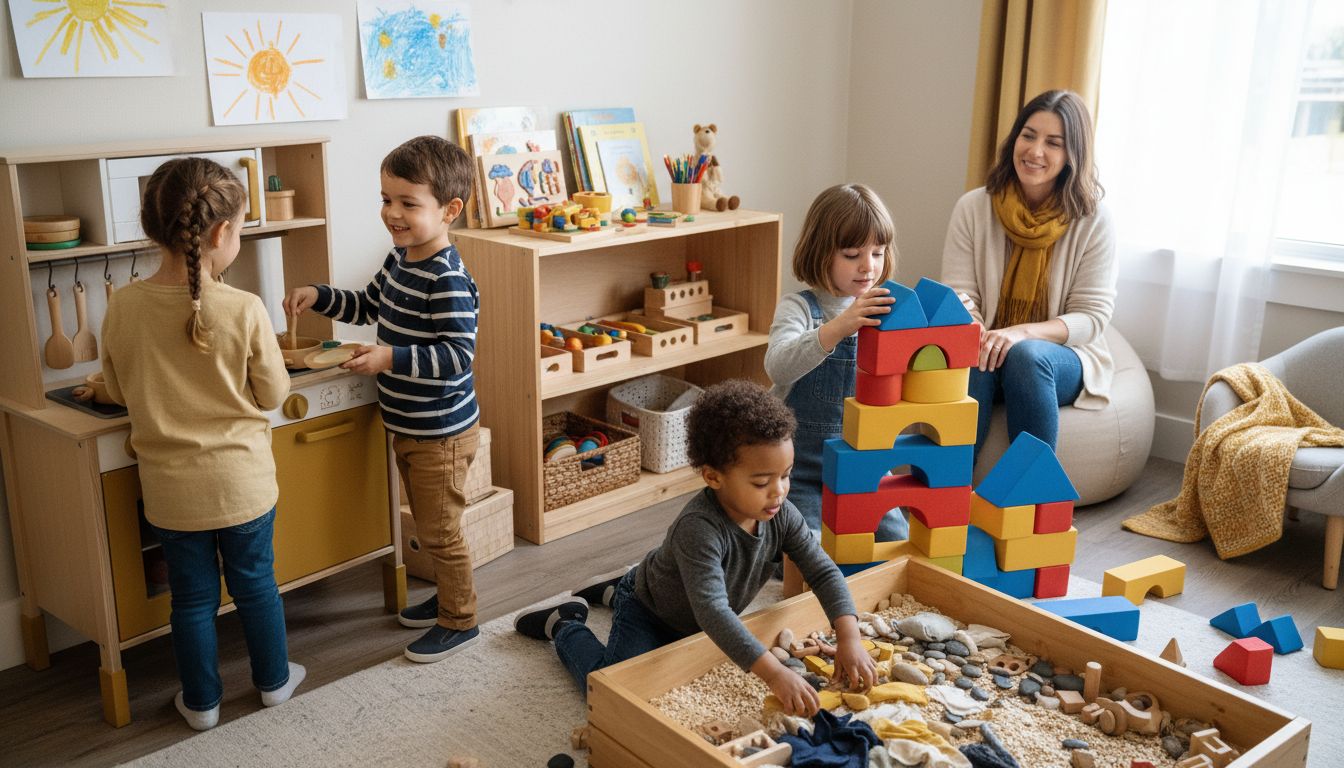
- Create Dedicated Play Zones: Design specific areas for exploration and creativity
- Rotate Toys Regularly: Keep play experiences fresh and engaging
- Ask Open-Ended Questions: Stimulate deeper thinking during play
- Participate Actively: Join children’s play to provide guidance and enrichment
- Use Everyday Objects: Transform household items into learning tools
Future Education Magazine suggests setting up specialized play stations with materials that encourage exploration and problem-solving. These can include building blocks, art supplies, nature exploration kits, and imaginative role-playing props that invite children to learn through discovery.
Learn how to make learning fun through engaging activities that seamlessly blend education and enjoyment. By creating a supportive, curious-driven environment, parents can nurture their children’s natural inclination to explore, question, and understand the world around them.
Common Pitfalls and Mistakes to Avoid
Playday research warns that reducing playtime can critically impair children’s cognitive performance, social skills, and physical development. Parents often unknowingly create barriers that can hinder their children’s natural learning potential through well-intentioned but misguided approaches.
Common mistakes parents frequently make during educational play include:
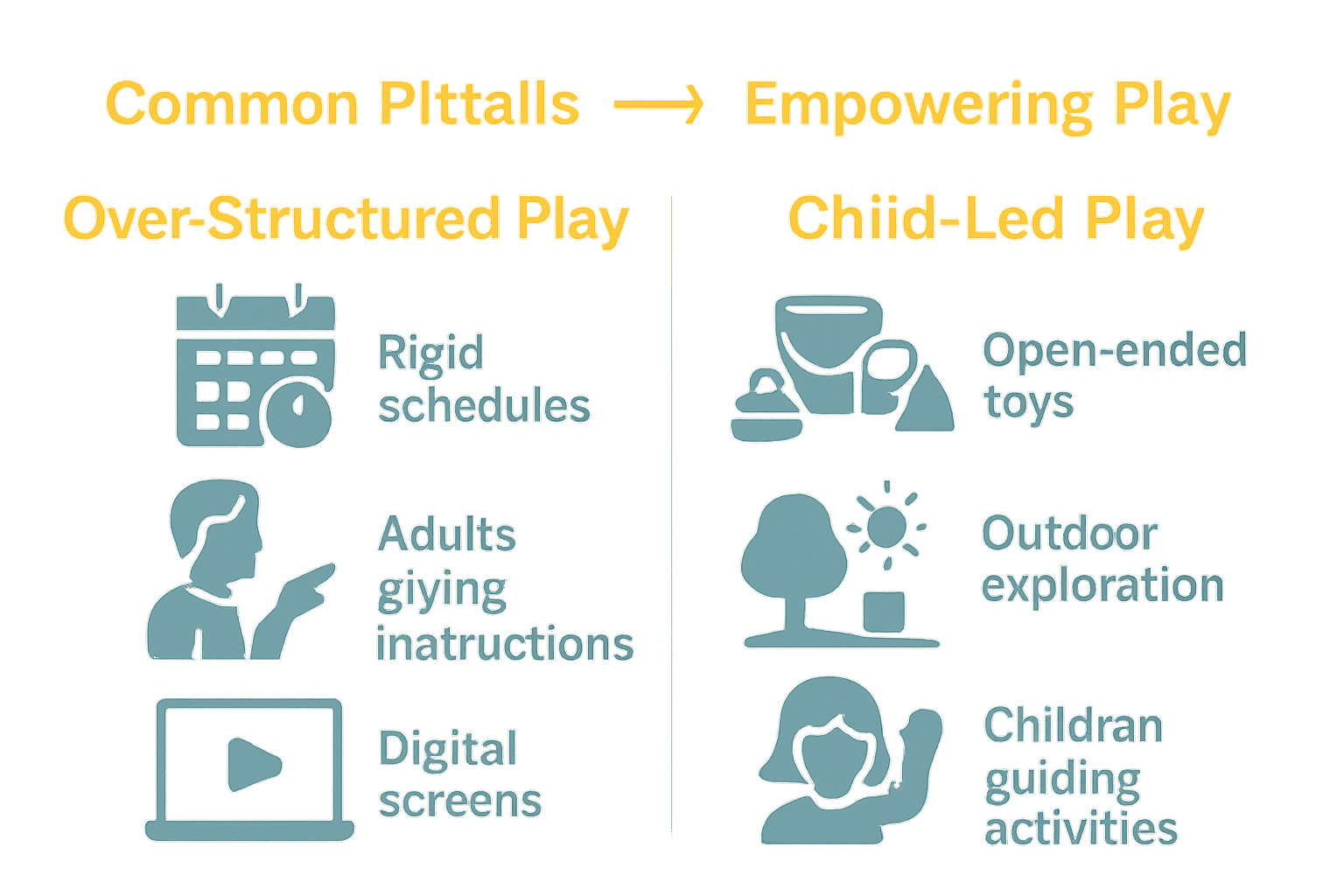
- Over-Structuring Play: Removing spontaneity and creativity
- Constant Intervention: Interrupting children’s natural exploration
- Technology Overload: Replacing physical play with digital experiences
- Comparison Trap: Measuring play against rigid developmental benchmarks
- Limiting Exploration: Restricting children’s natural curiosity
Playtime Project emphasizes that overlooking play’s significance can substantially hinder children’s holistic development. Parents must recognize that learning happens through unstructured, child-led experiences that allow natural curiosity and discovery to flourish.
Understanding the benefits of imaginative play reveals that the most powerful learning moments often emerge when parents step back and allow children to guide their own exploratory experiences. Trust in your child’s innate capacity to learn, and create an environment that supports, rather than controls, their developmental journey.
Eco-Friendly Play: Connecting Kids With Nature
Nature Play WA reveals that outdoor play in natural environments offers profound benefits for children’s mental health, providing opportunities for stress reduction, emotional calm, and enhanced happiness while simultaneously nurturing environmental connections.
Parents can encourage eco-friendly play through engaging and creative approaches:
- Outdoor Exploration: Nature walks, park adventures, backyard discoveries
- Sensory Nature Experiences: Touching leaves, collecting rocks, observing insects
- Gardening Activities: Planting seeds, understanding plant growth cycles
- Wildlife Observation: Birdwatching, tracking animal movements
- Natural Craft Projects: Using leaves, stones, and natural materials for creativity
Future Education Magazine emphasizes that incorporating outdoor exploration stimulates children’s curiosity and provides direct, hands-on connections with the natural world, promoting environmental awareness from an early age.
Protecting the planet with daily family activities begins with simple, meaningful interactions that help children develop genuine appreciation and respect for their environment. By transforming playtime into opportunities for ecological discovery, parents can inspire the next generation of environmental stewards.
Inspire Natural Learning Through Play with The Zoofamily
The challenge every parent faces today is turning ordinary playtime into a rich, educational experience that fosters creativity, problem-solving, and a deeper connection with nature. This article highlights how sensory engagement, imaginative play, and outdoor exploration are vital to nurturing a child’s development. Many parents want to encourage their children’s curiosity and learning without over-structuring or interrupting the natural flow of discovery.
At The Zoofamily, we understand these needs deeply. Our range of kids’ cameras, walkie-talkies, and binoculars are more than just toys. Each product is thoughtfully designed with animal references to spark an interest in the natural world while encouraging cooperative play and real-world exploration. Plus, when you purchase one of our cameras, you help us plant a tree to support a greener planet for future generations.
Ready to make playtime both educational and environmentally meaningful Discover The Zoofamily
Bring your child’s learning to life with engaging tools that nurture creativity, social skills, and a love for nature. Explore how our innovative products create lasting memories and meaningful connections. Visit The Zoofamily today and start transforming playtime into an unforgettable adventure for your little explorer.
Frequently Asked Questions
What are the key benefits of learning through play?
Learning through play enhances cognitive development, emotional intelligence, social skills, physical growth, and creativity. It allows children to build problem-solving skills and develop better communication and collaboration abilities while having fun.
How can I encourage educational play at home?
You can encourage educational play by creating dedicated play zones, rotating toys regularly to keep experiences fresh, asking open-ended questions, participating actively in play, and using everyday objects as learning tools. These strategies foster exploration and problem-solving opportunities for children.
What types of play activities are most beneficial for child development?
Beneficial types of play activities include imaginative play (role-play and storytelling), constructive play (building sets and puzzles), physical play (movement-based activities), sensory play (exploration of textures and sounds), and social play (group games and cooperation). Each type supports different areas of development such as creativity, motor skills, and social skills.
How does outdoor play benefit children’s learning and development?
Outdoor play in natural environments significantly benefits children’s mental health, enhances happiness, and provides stress reduction opportunities. It allows for hands-on connections with nature, promoting environmental awareness and curiosity while encouraging active exploration and physical health.
Recommended
- Making Learning Fun: Engaging Activities for Your Kids – The Zoofamily
- Making Learning Fun: Engaging Activities for Your Kids – The Zoofamily
- Understanding the Benefits of Imaginative Play – The Zoofamily
- Childhood Brain Development: A Guide for Modern European Mums – The Zoofamily
- Top Children’s Emotional Intelligence Books 2025
- Spiele mit kleinen Kindern: Kreative Aktivitäten für drinnen und draußen – Edory AI – Edukative Kindergeschichten