

Over 60 percent of british families in urban Europe report that eco-friendly crafts help children learn about sustainability in everyday life. Finding activities that nurture creativity and environmental awareness can feel challenging when surrounded by busy city lifestyles. This guide highlights inventive ways to turn common household items into exciting learning experiences for your children, blending fun with meaningful lessons about recycling and nature.
Table of Contents
- Transform Cartons Into Animal Planters
- Make Art Collages From Old Magazines
- Build Bird Feeders Using Plastic Bottles
- Craft Eco-Friendly Toys From Cardboard Boxes
- Create Nature Journals With Recycled Paper
- Organise A Toy Swap And Upcycle Event
- Host A Clothing Revamp Workshop At Home
Quick Summary
| Key Message | Explanation |
|---|---|
| 1. Create animal planters from milk cartons | Transforming milk cartons into animal planters teaches children recycling and gardening through hands-on creativity. |
| 2. Make collages from old magazines | Using old magazines to create collages enhances children’s artistic skills and promotes recycling, while encouraging personal expression. |
| 3. Build bird feeders from plastic bottles | Crafting bird feeders from plastic bottles supports wildlife and engages children in discussions about nature and ecology. |
| 4. Upcycle cardboard boxes into toys | Repurposing cardboard boxes into toys fosters creativity and problem-solving skills in children while reducing waste. |
| 5. Host a clothing revamp workshop | Transforming old clothes in a workshop setting allows kids to express creativity while learning about sustainable fashion practices. |
1. Transform Cartons into Animal Planters
Turning everyday milk cartons into adorable animal planters is a brilliant way to spark your child’s creativity while teaching them about recycling and gardening. These charming upcycling projects not only reduce household waste but also provide an engaging hands-on learning experience for young nature enthusiasts.
With some simple crafting techniques, you can transform an ordinary milk carton into a delightful habitat for small plants. Kids Gardening offers wonderful resources that demonstrate how everyday materials can become exciting eco-friendly craft projects. The process involves carefully cutting and decorating the carton to resemble different animals, then filling it with lightweight potting soil and seeds or small plants.
To create your animal planter, start by thoroughly washing and drying a clean milk carton. Cut out animal features like ears, eyes, or a snout using scissors, ensuring children are supervised during this step. You might craft a cute rabbit with pointed ears, a playful cat with whisker details, or a cheeky mouse with tiny rounded ears. Paint or colour the carton using child-friendly acrylic paints to bring your animal to life.
The Brooklyn Botanic Garden provides excellent guidance on creating sub-irrigated planters that help maintain consistent moisture for your plants. This technique can be especially useful for helping children learn about plant care and water management.
Expert tip: Select quick-growing seeds like cress or herbs that will rapidly show results and keep children engaged with their new animal planter.
2. Make Art Collages from Old Magazines
Transforming stacks of old magazines into vibrant art collages is a fantastic way to encourage creativity while teaching children about recycling and artistic expression. This eco friendly craft turns discarded print materials into colourful masterpieces that celebrate imagination and sustainability.
The Metropolitan Museum of Art offers exceptional guidance on creating meaningful collages that transform ordinary magazine pages into extraordinary artwork. The process involves carefully selecting images, cutting interesting shapes and textures, and arranging them to create entirely new visual stories.
To begin your collage adventure, gather a collection of magazines with diverse colours and imagery. Look for interesting photographs, text fragments, patterns, and graphics that spark creativity. Children can learn valuable skills like composition, colour theory, and visual storytelling while carefully selecting and arranging their chosen pieces.
The St Louis Art Museum provides comprehensive techniques for creating engaging paper collages. Recommend using a sturdy cardboard or thick paper as a backing board, and provide child safe scissors for cutting. Encourage children to experiment with different arrangement techniques before permanently gluing their designs.
This activity not only recycles print materials but also develops fine motor skills, spatial awareness, and artistic thinking. Children learn to see potential beauty in discarded items and understand that art can be created from almost anything.
Pro tip: Sort magazine clippings by colour or theme beforehand to make the creative process more structured and enjoyable for younger children.
3. Build Bird Feeders Using Plastic Bottles
Turning discarded plastic bottles into welcoming bird feeders is an extraordinary way to teach children about wildlife conservation and recycling. This hands-on project transforms everyday waste into a habitat that supports local bird populations while sparking curiosity about nature.
River Legacy offers comprehensive guidance on creating these eco-friendly feeding stations. The process involves carefully selecting a clean plastic bottle, cutting strategic feeding holes, and designing perches that welcome feathered visitors to your garden or balcony.
Science Buddies provides an excellent STEM activity approach that transforms this craft into a learning opportunity. Children can measure precise hole sizes, understand bird feeding habits, and learn about local bird species while constructing their feeder. This activity combines creativity recycling and scientific observation.
To create your bird feeder, gather materials like a clean plastic bottle, wooden spoons or dowel rods for perches, wire or string for hanging, and bird seed. Cut small windows near the bottom of the bottle to allow birds easy access to seeds. Ensure the holes are smooth and appropriately sized for different bird species in your area.
Additionally, this project teaches valuable lessons about ecosystem support and responsible environmental stewardship. By providing a feeding station, children learn how small actions can positively impact wildlife and contribute to local biodiversity.
Pro tip: Position your bird feeder near a window where children can observe and identify different bird species without disturbing their feeding.
4. Craft Eco-Friendly Toys from Cardboard Boxes
Cardboard boxes are magical canvases for children’s creativity transforming ordinary packaging into extraordinary playthings. By repurposing these seemingly mundane materials, parents can engage children in imaginative recycling projects that develop problem solving skills and environmental consciousness.
Science Buddies offers an exceptional tutorial on creating complex cardboard toys that introduce basic mechanical principles. Children can learn engineering concepts by constructing moving figures called automata using simple materials like skewers, cardboard, and craft supplies.
The versatility of cardboard allows for countless creative possibilities. Golden Road Arts highlights numerous inventive approaches for transforming boxes into dollhouses, forts, vehicles, and imaginative play environments. These projects not only entertain children but also teach resourcefulness and reduce household waste.
To begin your cardboard toy adventure, collect clean boxes of various sizes. Recommend using craft knives for parental cutting and child safe scissors for decoration. Encourage children to design their own unique creations like robot characters, miniature cities, or interactive play structures that spark imagination.
Through these projects, children learn valuable lessons about sustainability reusing materials and expressing creativity without purchasing new toys. The process develops spatial reasoning fine motor skills and environmental awareness.
Pro tip: Save packaging materials from deliveries and encourage children to sketch potential toy designs before starting their cardboard crafting adventure.
5. Create Nature Journals with Recycled Paper
Nature journaling transforms recycled paper into a powerful educational tool that connects children with the natural world while teaching environmental consciousness. By documenting observations and artistic impressions, children develop a deeper understanding and appreciation for nature’s intricate details.
The Bureau of Land Management provides an exceptional guide for creating meaningful nature journals that encourage systematic observation and creative expression. Children can learn to record wildlife sightings, sketch plant species, and document seasonal changes using simple recycled paper materials.
Wild Wonder offers comprehensive nature journaling resources that demonstrate how to transform ordinary paper into extraordinary documentation of environmental experiences. The process involves collecting recycled paper perhaps from old notebooks or printing drafts and transforming them into personalised ecological records.
To start your nature journaling adventure, gather recycled paper and simple drawing tools. Encourage children to collect leaves, make pressed flower collections, draw detailed insect illustrations, or record bird migration patterns. These journals become treasured keepsakes that document personal connections with the natural environment.
This activity teaches children multiple skills including scientific observation artistic expression environmental stewardship and creative recycling. By using recycled paper children learn that sustainability can be both educational and enjoyable.
Pro tip: Select papers with blank reverse sides from household documents and involve children in preparing their journals to maximise the recycling learning experience.
6. Organise a Toy Swap and Upcycle Event
Toy swap events are magical community gatherings that transform unused playthings into exciting new treasures while teaching children powerful lessons about sustainability and sharing. By bringing families together to exchange toys and learn creative upcycling techniques, parents can create meaningful environmental education experiences.
Greenpeace provides comprehensive guidance for planning zero waste community events that minimise environmental impact. These gatherings allow children to understand circular economy principles by directly experiencing how toys can be reused and repurposed rather than discarded.
The Clothing Loop offers practical community event strategies that can be adapted perfectly for toy swap initiatives. Participants can bring gently used toys to trade, repair or transform, creating an interactive learning environment that celebrates creativity and reduces waste.
To host a successful event, invite local families through community networks. Set clear guidelines about toy condition and cleaning requirements. Create designated areas for swapping different types of toys including craft stations where children can upcycle and personalise their newly acquired playthings with paint, stickers or creative embellishments.
These events teach children valuable lessons about resource conservation community connection and creative problem solving. By participating, families demonstrate that sustainability can be fun engaging and deeply rewarding.
Pro tip: Establish a few simple ground rules such as cleaning toys before the event and ensuring all items are in good condition to create a smooth and enjoyable swap experience.
7. Host a Clothing Revamp Workshop at Home
Transforming old clothing into fresh new styles is an extraordinary way to teach children about sustainable fashion and creative problem solving. A home clothing revamp workshop turns potential textile waste into exciting opportunities for personal expression and environmental consciousness.
One Community Global offers comprehensive insights into textile recycling strategies that can inspire family creativity. By learning to reimagine existing garments, children discover that fashion can be both innovative and environmentally responsible.
Sustainable Style provides practical techniques for breathing new life into tired clothing. Parents can guide children through simple transformations like adding patches, converting long trousers into shorts, or creating unique accessories from fabric scraps.
Set up a dedicated workshop space with craft supplies such as fabric scissors, sewing needles, colourful threads, and embellishments. Encourage children to experiment with techniques like tie dyeing, embroidery, or creating patchwork designs that personalise and extend the life of existing clothing items.
These workshops teach valuable skills including basic sewing creativity resourcefulness and environmental stewardship. Children learn that clothing can be a canvas for personal expression while simultaneously reducing textile waste.
Pro tip: Invite children to sketch design ideas before starting their clothing transformation to encourage planning and creative thinking.
Below is a comprehensive table summarising the main eco-friendly projects and activities presented in the article, designed to encourage both creativity and environmental awareness in children.
| Activity | Summary | Key Benefits |
|---|---|---|
| Transform Cartons into Animal Planters | Convert milk cartons into decorative animal-themed planters through crafting, painting, and gardening. | Promotes upcycling, creativity, and awareness of gardening and plant care. |
| Make Art Collages from Old Magazines | Create vibrant collages using cut-outs from magazines to learn composition, recycling, and visual storytelling. | Develops artistic expression, fine motor skills, and sustainable habits. |
| Build Bird Feeders Using Plastic Bottles | Reuse plastic bottles to construct functional bird feeders, supporting local wildlife and instilling conservation values. | Supports biodiversity and teaches scientific observation and recycling concepts. |
| Craft Eco-Friendly Toys from Cardboard Boxes | Use cardboard to design creative playthings like automata and imaginative play structures. | Encourages problem-solving, engineering basics, and reduction of packaging waste. |
| Create Nature Journals with Recycled Paper | Assemble and decorate journals from reclaimed paper to document natural observations and artistic sketches. | Fosters biodiversity appreciation, systematic observation, and creative recycling. |
| Organise a Toy Swap and Upcycle Event | Host events for families to exchange and repurpose toys through guided activities. | Builds community connections, emphasises sharing, and minimises environmental waste. |
| Host a Clothing Revamp Workshop at Home | Revitalise old clothing with simple alterations and decorations such as patches and dyeing techniques. | Promotes sustainable fashion practices and engages children in creative problem-solving. |
Inspire Your Family’s Eco Adventure with The Zoofamily
The joyful challenge of teaching children to become eco-conscious stewards starts with simple creative projects like recycling old materials and connecting with nature. This article highlights how crafting animal planters, upcycled toys, and nature journals fosters environmental awareness and imaginative play. However, nurturing your child’s curiosity and love for the natural world can be even more impactful with the right tools designed to spark learning and connection.
Discover how The Zoofamily supports your family’s green journey through:
- Engaging kids’ cameras and binoculars featuring carefully designed animal references that deepen their fascination with wildlife
- Interactive walkie-talkies that encourage playful exploration and communication in nature
- Our commitment to restoring natural beauty by planting a tree for every camera sold, helping secure a thriving planet for generations to come
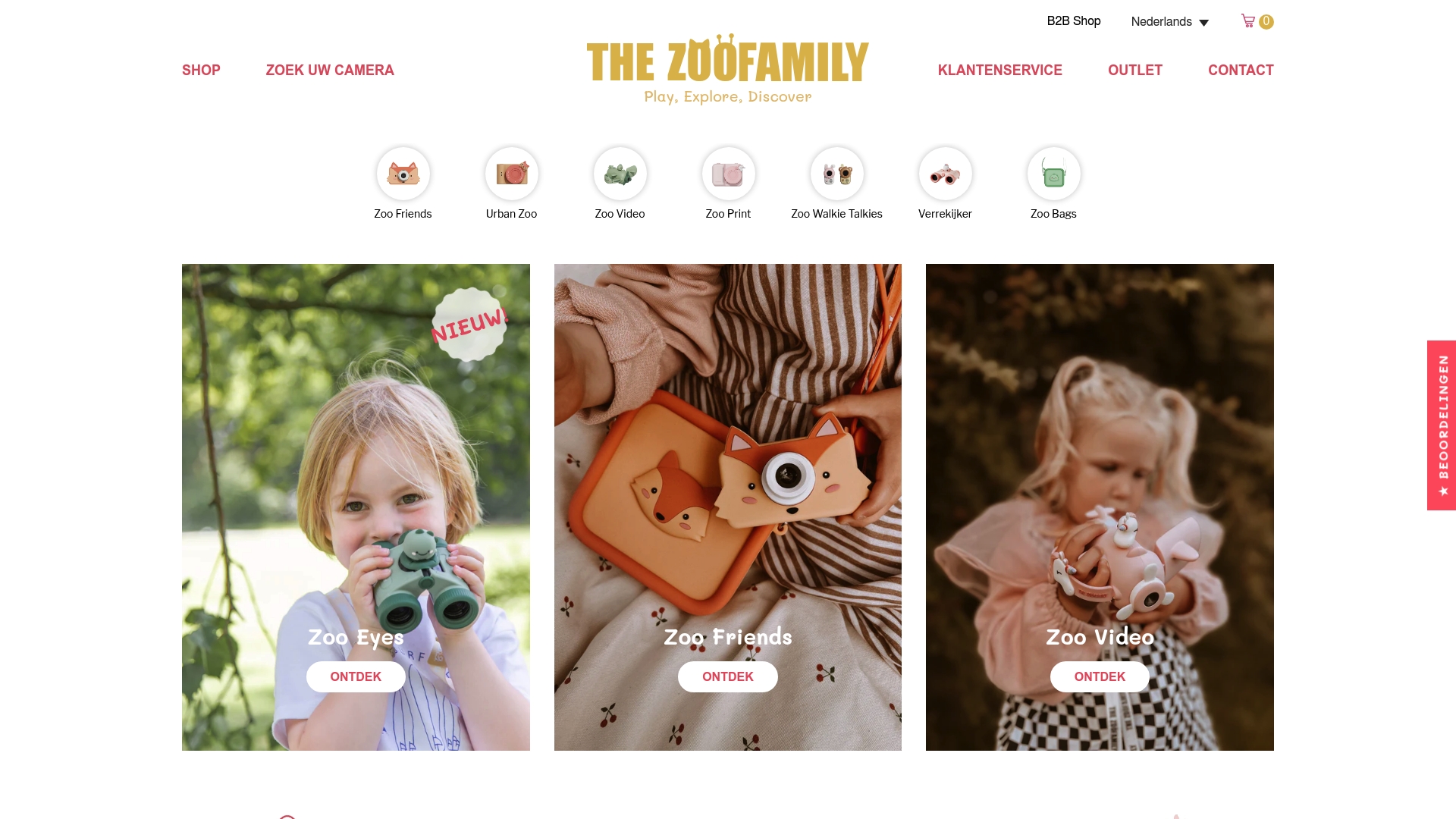
Begin your family’s adventure today by exploring The Zoofamily collection and inspire your children to observe, create and protect the environment. Every small action nurtures big changes, so do not wait to cultivate curiosity and sustainability hand in hand with your kids.
Frequently Asked Questions
How can I make animal planters from milk cartons with my kids?
Transforming milk cartons into animal planters is simple and fun. Start by washing and drying a clean carton, then cut out animal features and decorate it. Fill the carton with lightweight potting soil and quick-growing seeds like cress or herbs to engage your kids in gardening.
What materials do I need for creating art collages from old magazines?
To create vibrant art collages, gather old magazines, child-safe scissors, and sturdy cardboard for a backing board. Encourage your children to select interesting images and textures, cut them out, and arrange them into new artwork. This can help children learn composition and colour theory as they create.
How do we build bird feeders from plastic bottles?
Building bird feeders from plastic bottles is a straightforward project. Gather a clean plastic bottle, wooden spoons for perches, and bird seed. Cut feeding holes in the bottle for birds to access the seeds, and then hang it in a suitable location for observing local birds.
What can we create with cardboard boxes?
Cardboard boxes can be transformed into a variety of toys and play structures. Collect clean boxes of different sizes, and let your children’s creativity flow as they design dollhouses, vehicles, or even complex automata. This encourages resourcefulness and imaginative thinking while reducing waste.
How can we use recycled paper for nature journaling?
You can create nature journals with recycled paper by gathering old notebooks or sheets and transforming them into unique journals. Encourage your children to document their observations, sketches, and seasonal changes while exploring nature. This activity fosters a love for the environment and develops their artistic skills.
What should we keep in mind when organising a toy swap event?
When organising a toy swap event, ensure that all toys are clean and in good condition before exchanging. Set clear guidelines for participants and create engaging areas for swapping and upcycling toys. This promotes sustainability and community connection, teaching children the value of sharing and reusing.
Recommended
- Comment protéger la planète au quotidien avec ses enfants – The Zoofamily
- Eco Friendly Cleaning Tips For Busy European Mums – The Zoofamily
- Understanding Eco Friendly Routines for Modern Families – The Zoofamily
- Meilleurs gadgets plein air enfants – Comparatif 2025 – The Zoofamily
- 7 Smart Ways to Use Eco Friendly Pet Food Packaging – Ultimate Pet Foods