

Biodiversity is the variety of all life on Earth across three levels: genetic diversity within species, the range of species in a habitat, and the variety of ecosystems from woodlands to wetlands. According to the Natural History Museum, it also underpins the ecosystem services that people depend on every day, from clean air to stable food supplies. In the UK, that means the bumblebees pollinating your garden vegetables and the hedgerows filtering soil runoff after heavy rain.
- Biodiversity covers genes, species, and ecosystems together, not just the number of animals you can name.
- It provides food, clean water, flood protection, and medicines that no technology fully replaces.
- The UK has lost significant wildlife in recent decades, but practical actions at home and in schools can help reverse local trends.
Key takeaways
Biodiversity spans genetic, species, and ecosystem levels and directly underpins the food, water, and health services that UK households depend on every day.
| Point | Details |
|---|---|
| Three levels of biodiversity | Genetic, species, and ecosystem diversity all matter; losing one weakens the others. |
| Pollinators and food | Around one-third of global crop production depends on insect pollinators such as bees. |
| Five main pressures | Land-use change, climate change, pollution, invasive species, and overexploitation drive loss in the UK. |
| Gardens as habitat | UK private gardens collectively cover more land than all national nature reserves; native planting and pesticide reduction have measurable effects. |
| Record and report | Submitting sightings to iRecord or iNaturalist contributes directly to national monitoring and helps target conservation effort. |
Table of Contents
- What does biodiversity mean, exactly?
- What are the main types of biodiversity?
- Why does biodiversity matter for people and the UK?
- What is the current state of biodiversity in the UK and globally?
- What causes biodiversity loss?
- How do scientists measure biodiversity?
- How can you protect and restore biodiversity?
- How can children and families explore biodiversity?
- Common misconceptions about biodiversity
- Key UK organisations and resources for biodiversity
- Why small actions add up to something real
- Sources
What does biodiversity mean, exactly?
The word “biodiversity” is a contraction of “biological diversity,” a term that gained wide scientific and policy use after the 1992 Earth Summit in Rio de Janeiro. The Convention on Biological Diversity defines it as the variability among living organisms from all sources, covering diversity within species, between species, and of ecosystems. That definition deliberately spans everything from soil bacteria to blue whales.
In practice, biodiversity includes every organism that has ever evolved: microbes, fungi, plants, invertebrates, fish, birds, and mammals. It also includes the relationships between them. A pond is not just a list of species; it is a web of feeding, reproduction, and chemical exchange that only functions when enough of those species are present.
Concrete examples help fix the scale. Genetic diversity shows up in the dozens of traditional apple varieties grown across English orchards, each carrying slightly different resistance to disease. Species diversity is visible in a garden pond supporting dragonflies, water beetles, frogs, and aquatic plants within a few square metres. Ecosystem diversity describes the contrast between a Scottish Caledonian pinewood, a Norfolk saltmarsh, and a Dartmoor blanket bog, each supporting a distinct community of life.
What are the main types of biodiversity?
Scientists and policymakers use four overlapping types to describe biodiversity at different scales. Each type matters on its own, and all four connect to produce resilient, functioning ecosystems.
- Genetic diversity: the range of genetic variation within a single species. UK example: the genetic differences between populations of red squirrels in Northumberland and those in Scotland, which affect disease resistance and adaptability.
- Species diversity: the number and relative abundance of species in a given area. UK example: the mix of bumblebee species across a wildflower meadow in the Cotswolds, where multiple species cover different flower shapes and flight seasons.
- Ecosystem diversity: the variety of habitats, communities, and ecological processes across a landscape. UK example: the contrast between chalk downland, ancient oak woodland, and coastal saltmarsh within a single county.
- Functional diversity: the range of biological roles or traits that organisms perform, regardless of species identity. UK example: the pollination network in a hedgerow, where beetles, hoverflies, solitary bees, and butterflies collectively cover a wider range of plant species than any single pollinator could.
When one type declines, the others follow. Lose genetic diversity in a crop and the whole species becomes vulnerable to a single pathogen. Lose functional diversity in a meadow and pollination collapses even if species counts look acceptable on paper.
Why does biodiversity matter for people and the UK?
Biodiversity underpins ecosystem services: the practical outputs that nature provides and that human economies depend on. The WWF describes these as food, water, clean air, medicines, and protection from natural hazards. Remove enough biodiversity and those services weaken or fail.
Pollinators such as bees and other insects are estimated to be responsible for around one-third of global crop production. (Royal Society)
That figure translates directly to UK food security. Many UK crop species benefit from insect pollination, including oilseed rape, apples, and soft fruits. Hedgerows support those pollinators while also binding soil, slowing water runoff, and providing corridors for mammals and birds to move between habitats. Lose the hedgerows and you lose multiple services at once.
The World Health Organization links biodiversity directly to public health: stable, diverse ecosystems regulate disease, support nutritious food systems, and provide compounds that underpin a large proportion of modern medicines. Wetlands filter water and reduce flood peaks, a function that saves UK local authorities significant infrastructure costs each year. Coastal saltmarshes absorb wave energy and store carbon. These are not abstract benefits; they appear in household bills, insurance premiums, and NHS budgets.
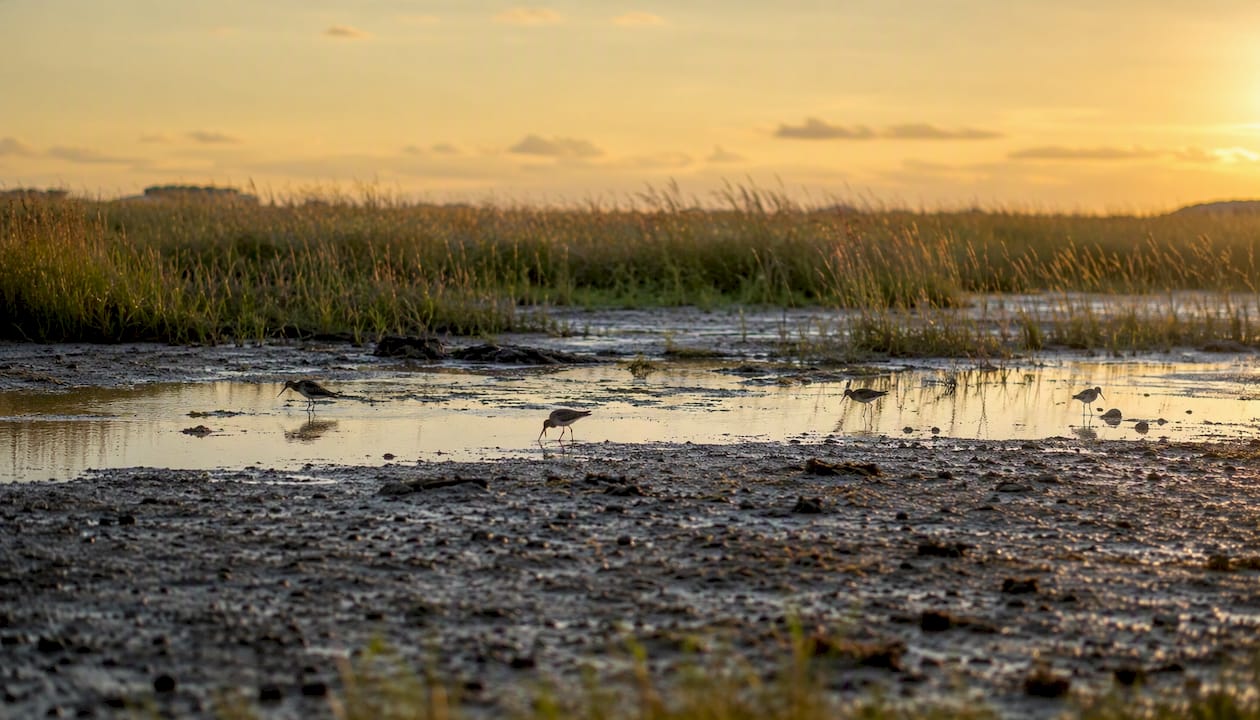
More diverse systems are also more resilient. A grassland with 20 plant species recovers from drought faster than one with 5, because different species respond differently to stress. That resilience principle applies from soil microbes to entire river catchments.
What is the current state of biodiversity in the UK and globally?
The WWF’s Living Planet analysis documents long-term declines in wildlife populations and extensive alteration of land and freshwater environments linked to human activity. These trends reflect changes in population sizes across thousands of monitored species, not a simple count of extinctions.
The UK picture is consistent with global trends. The European Environment Agency identifies land-use change, direct exploitation, climate change, pollution, and invasive alien species as the primary pressures. The ONS England natural capital accounts track habitat extent and condition, providing the national-level data that informs UK policy.
| Indicator | Headline finding | Source |
|---|---|---|
| Global wildlife populations | Long-term declines across monitored vertebrate species linked to human activity | WWF Living Planet |
| Pollinator contribution | Around one-third of global crop production depends on pollinators | Royal Society |
| Primary pressures on biodiversity | Land-use change, exploitation, climate change, pollution, invasive species | European Environment Agency |
| UK natural capital | Habitat extent and condition tracked annually for policy | ONS England natural capital accounts 2023 |
The WHO adds a public-health dimension: biodiversity loss increases risks to nutrition and disease regulation, making the trend a health issue as much as an environmental one.
What causes biodiversity loss?
The European Environment Agency identifies five main pressures, and in the UK all five are active simultaneously.
- Land-use change and habitat loss: converting meadows, wetlands, and ancient woodland to farmland or development removes habitat outright. In the UK, most wildflower meadows have been lost since the 1930s, leaving species with nowhere to live or breed.
- Intensive agriculture and monoculture: large fields of a single crop eliminate the structural variety that insects, birds, and mammals need. Pesticide use reduces invertebrate populations, which cascades up the food chain to farmland birds.
- Climate change: shifting temperatures and rainfall patterns alter the timing of flowering, migration, and breeding. Species that cannot move fast enough face local extinction, and mismatches between predators and prey reduce survival rates.
- Pollution: agricultural run-off carrying nitrogen and phosphorus causes algal blooms in rivers and coastal waters, depleting oxygen and killing fish and invertebrates. Light and noise pollution disrupt nocturnal species and migratory birds.
- Invasive non-native species: grey squirrels outcompete red squirrels for food and spread squirrelpox. Signal crayfish destroy riverbank habitats. Himalayan balsam crowds out native riverside plants.
- Overexploitation: overfishing reduces marine biodiversity and disrupts food webs. Unsustainable collection of wild plants and animals affects populations that recover slowly.
Pro Tip: The most under-appreciated driver of biodiversity loss is what happens underground. Soil microbial communities release the nutrients that crops and wild plants depend on, yet pesticide use and compaction can destroy this diversity invisibly. Protecting soil health, through reduced tillage and avoiding synthetic inputs where possible, often delivers faster biodiversity gains than planting alone.
How do scientists measure biodiversity?
Measuring biodiversity requires choosing the right metric for the question being asked. The most common are:
- Species richness: a simple count of species in an area. Easy to communicate, but it treats a rare species the same as a common one.
- Abundance: how many individuals of each species are present. Abundance data reveals whether a species is thriving or barely surviving.
- Shannon and Simpson diversity indices: statistical measures that combine richness and evenness. A habitat with 10 species all at similar abundance scores higher than one where a single species dominates.
- Genetic diversity: measured through DNA sequencing to assess variation within populations, which predicts resilience to disease and environmental change.
- Functional diversity: quantifies the range of ecological roles present, giving a better picture of ecosystem stability than species counts alone.
Sampling methods vary by habitat and target organism.
| Method | Best suited to | Key limitation |
|---|---|---|
| Quadrats and transects | Plant cover, ground-dwelling invertebrates | Labour-intensive; observer skill affects results |
| Camera traps | Mammals and ground birds | Misses small or cryptic species |
| Acoustic monitoring | Bats, birds, calling insects | Requires specialist software for identification |
| eDNA (environmental DNA) | Aquatic species, rare or cryptic organisms | Needs careful lab protocols and local reference databases to avoid false positives |
| Citizen science recording | Wide geographic coverage, common species | Variable observer skill; recording effort is uneven |
Major UK monitoring programmes include the Breeding Bird Survey (run by the British Trust for Ornithology), the UK Butterfly Monitoring Scheme, and the National Biodiversity Network Atlas, where you can view local species records and submit your own sightings.
How can you protect and restore biodiversity?
Individual actions and policy outcomes connect more directly than they might appear. Consumer choices drive land management; garden design affects local pollinator networks; school projects build the next generation of recorders and advocates. The CBD’s conservation framework distinguishes between in-situ conservation (protecting species in their natural habitats) and ex-situ conservation (seed banks, captive breeding), and both are needed alongside sustainable use principles.
Here are practical steps you can take now:
- Plant native species in your garden. Native wildflowers such as ox-eye daisy, knapweed, and bird’s-foot trefoil support far more insect species than ornamental exotics. Even a window box counts.
- Reduce or eliminate pesticide use. Insecticides kill the invertebrates that birds and bats feed on. Switch to physical pest controls or accept some leaf damage as part of a functioning garden ecosystem.
- Create a small water feature. A container pond or a shallow dish of water provides breeding habitat for frogs, drinking water for hedgehogs, and a hunting ground for dragonflies.
- Avoid peat-based compost. UK peatlands store vast amounts of carbon and support specialist plant and invertebrate communities. Buying peat-free compost reduces demand for peat extraction.
- Choose sustainably sourced food and seafood. Look for MSC-certified fish and LEAF Marque or organic produce to support farming systems that retain more habitat.
- Support local conservation projects. Wildlife Trusts operate across every county in the UK and run volunteer days, habitat restoration projects, and local recording schemes.
- Record what you see. Submit sightings to iRecord or the iNaturalist app. Every record contributes to the national picture and helps target conservation effort.
For wildlife-friendly gardens, small structural changes, a log pile, a patch of long grass, a gap in the fence for hedgehogs, often deliver more benefit than expensive planting schemes. You can find a practical family guide to caring for the environment at Thezoofamily.
How can children and families explore biodiversity?
Getting children outside and observing nature is one of the most effective ways to build lasting interest in biodiversity. Activities do not need to be complicated or expensive.
Start with a simple bug hunt in the garden or a local park. Lift stones, check under bark, and look at the underside of leaves. A basic hand lens reveals a world of mites, springtails, and beetle larvae that most adults have never noticed. Log what you find on iNaturalist or the Wildlife Trust’s local recording pages; children often take real pride in contributing to a national database.
Making a mini-pond is another accessible project. A washing-up bowl sunk into the ground and filled with rainwater will attract pond skaters, water boatmen, and, within a season, frog spawn. No fish, no chemicals, no pump required.
- Keep a nature journal with sketches and dates; seasonal patterns become visible within a year.
- Join a local Wildlife Trust event or a Big Garden Birdwatch weekend to connect with other recorders.
- Use binoculars to observe birds and insects from a distance without disturbing them.
Pro Tip: A pair of child-sized binoculars changes the experience of a nature walk entirely. Thezoofamily’s binoculars are designed with animal-themed grips that make them easy for small hands to hold, and they are robust enough for field use. Pairing them with a kids’ camera lets children document what they spot, building a personal record that connects observation to memory.
Thezoofamily’s educational tools are designed to engage children with nature from an early age, with animal-themed designs that prompt curiosity about the species they represent. For families wanting structured next steps, the National Biodiversity Network Atlas and the RSPB’s wildlife explorer pages are good starting points for UK species identification.
Common misconceptions about biodiversity
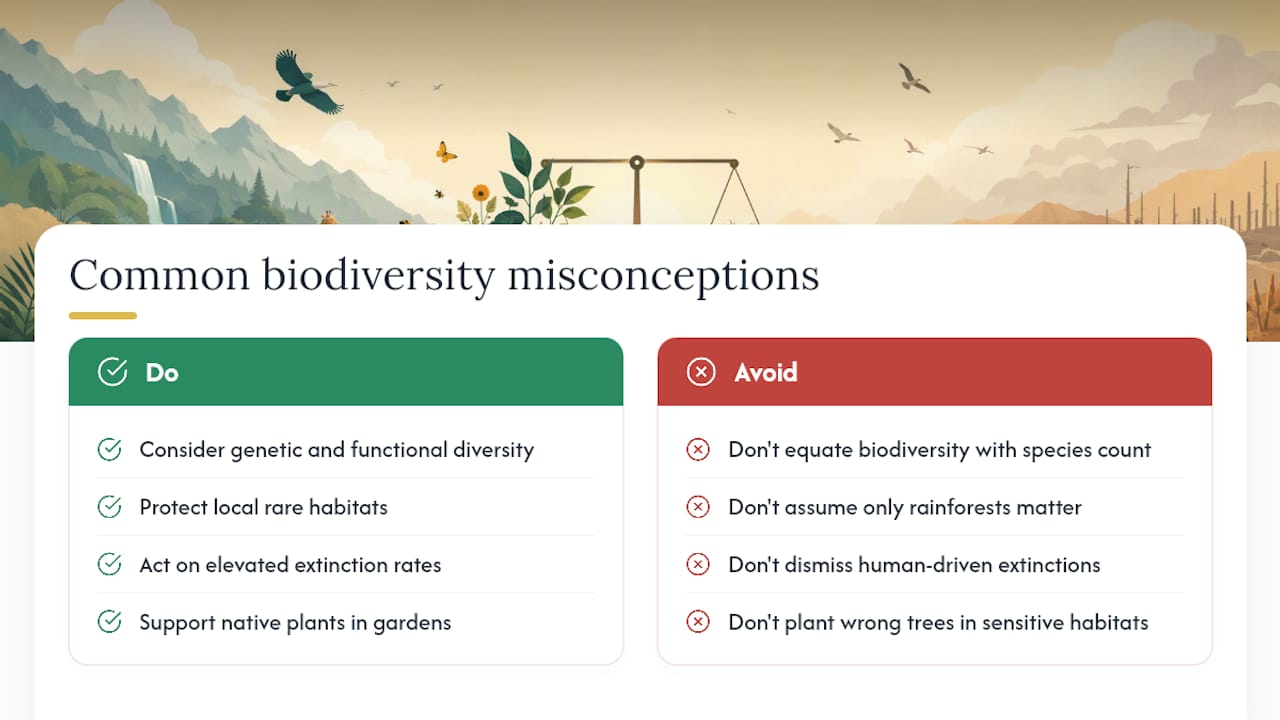
“Biodiversity just means the number of species.” Species richness is one metric, but it misses genetic variation within species and the functional roles those species play. A habitat with 50 species where one dominates is less stable than one with 30 species at even abundance.
“Biodiversity only matters in rainforests.” The UK supports internationally important habitats: blanket bogs, chalk streams, ancient hedgerow networks, and coastal saltmarshes that are globally rare. Local biodiversity affects local services directly.
“Extinction is natural, so decline is not a problem.” Background extinction rates are a normal part of evolution, but current rates are estimated to be far above the natural baseline, driven by human pressures rather than evolutionary processes. The pace matters as much as the fact.
“Individual actions are too small to make a difference.” Collective small actions aggregate. The UK’s network of private gardens covers more land than all national nature reserves combined. If a significant proportion of those gardens supported native plants and reduced pesticide use, the effect on pollinator populations would be measurable.
“Planting trees fixes biodiversity.” Tree planting is valuable, but planting the wrong species in the wrong place can reduce biodiversity. Planting conifers on ancient peatland, for example, drains the bog and destroys a habitat that took thousands of years to form. Diversity of habitat type matters as much as tree cover.
Key UK organisations and resources for biodiversity
Several organisations provide reliable information, monitoring data, and opportunities to get involved directly.
Natural History Museum publishes accessible explainers on what biodiversity is and runs research programmes on species decline. Its website is a good first stop for definitions and UK species data.
WWF UK campaigns on habitat protection and publishes the Living Planet data that tracks global wildlife trends. Its UK pages cover specific habitats and policy asks.
Greenpeace UK focuses on systemic drivers of biodiversity loss, including agricultural policy and ocean protection, and runs public campaigns you can join.
Royal Society publishes peer-reviewed research on biodiversity and ecosystem services, including the pollinator data cited in this guide. Its policy reports are used directly by UK government.
European Environment Agency provides EU-wide and UK-relevant data on biodiversity pressures and habitat condition, including the FAQ resource used throughout this article.
BBC Bitesize offers clear, curriculum-aligned explainers on biodiversity for school-age readers, useful for families supporting children’s learning at home.
Wildlife Trusts (47 county-level trusts across the UK) run local reserves, volunteer programmes, and recording schemes. Find your local trust at wildlifetrusts.org.
National Biodiversity Network Atlas (nbnatlas.org) holds species occurrence records for the UK and accepts public submissions via iRecord.
Why small actions add up to something real
Biodiversity can feel like a large, abstract problem. The data on global declines is sobering, and the policy levers are slow. But the gap between what individuals can do and what actually needs doing is smaller than it looks, and that is worth saying plainly.
The UK’s private gardens, school grounds, road verges, and community green spaces represent a genuinely significant area of potential habitat. Thezoofamily was built on the idea that connecting children to nature early, through curiosity, observation, and play, creates adults who notice and protect the natural world. Every camera sold plants one tree; every child who learns to identify a bumblebee is more likely to care about what happens to it.
The science is clear that diverse habitats are more resilient, that local actions aggregate, and that the most effective conservation combines policy change with ground-level engagement. Start where you are.
Sources
- Natural History Museum — What is biodiversity?
- European Environment Agency — FAQs on biodiversity
- Royal Society
- World Health Organization — Biodiversity and health
- Convention on Biological Diversity — Convention text