

Sledding, ice skating, winter walks, snow play and nature scavenger hunts top the list of family-friendly winter activities, and most of them work in a backyard or local park. Safety comes down to simple habits: dress in layers, watch the clock for warming breaks, and check conditions before heading out. The sections below cover what to pack, when to stay indoors and where to go.
TL;DR:
- Sledding and tobogganing should be done on gentle, open slopes away from hazards, with helmets and close supervision to prevent injuries.
- Ice skating is safest at supervised rinks, and proper gear like ankle support and helmets reduces fall-related injuries.
- Outdoor activities should be limited when temperatures and wind chill drop below minus 15 degrees Celsius, with indoor or short outings preferred in extreme cold.
- Dressing children in multiple thin layers and monitoring fingers, toes, and cheeks every 30 to 60 minutes helps prevent cold-related injuries.
- Low-cost backyard games like obstacle courses or scavenger hunts can keep children engaged for 20 to 40 minutes, tailored to their attention spans.
Table of Contents
- Top winter outdoor activities for families and who they suit
- How do you keep children safe and warm outside in winter?
- Low-cost and garden-friendly winter activities for every age
- Three short nature-connection exercises for a winter walk
- Where to go for family-friendly winter outings in Europe and the UK
- How Zoo Friends and Zoo Eyes add purpose to a winter walk
- Health benefits of winter outdoor activities for children
- Adapting winter activities for children with different abilities or special needs
- Equipment essentials and maintenance for winter outdoor gear
- Planning meals and hydration for winter outdoor family trips
- Making winter play a weekly habit
- Bring a little curiosity to your next winter outing
- FAQ
- Sources
Top winter outdoor activities for families and who they suit
A short, varied list keeps winter interesting for different ages and energy levels. Each activity below works with minimal kit and scales from toddlers to older children.
- Sledding or tobogganing. Choose a gentle, open slope away from trees, roads and water. Helmets and close supervision matter most here, since sledding injuries send many children to emergency departments each year and a standard sled can reach high speeds on a slope.
- Ice skating. Stick to approved, supervised rinks rather than frozen ponds. Ankle-supporting boots and a helmet for younger skaters reduce the most common injuries from falls.
- Winter walks and nature trails. Pick flat, well-marked routes and bring a child’s camera or binoculars to turn the walk into a spotting game. Short, easy paths hold toddlers’ attention better than ambitious hikes.
- Snowball games and snow forts. Set clear boundaries for throwing and avoid tunnels or deep forts that could collapse on a child. A simple mound with a doorway is safer than a dug-out tunnel.
- Snowshoeing and cross-country skiing. Beginner routes and rental gear make both accessible without owning equipment. Marked winter trails in places such as Yosemite generally run during winter months from December to March, though conditions and markers change year to year, so checking ahead is worth the five minutes it takes.
- Backyard obstacle courses and garden games. No snow, no problem: cones, hula hoops and a stopwatch turn a garden into an activity circuit that costs nothing and needs no travel.
Rotating through two or three of these across a week keeps children engaged without demanding a full day outdoors each time.
How do you keep children safe and warm outside in winter?
Comfort and safety both come down to timing and layering, not expensive gear. Children should wear several thin layers, a hat, mitts and waterproof boots, and wet clothes should be changed promptly. Removing an outer layer before vigorous play and putting it back on during rest stops prevents children becoming damp with sweat and then chilling rapidly once they slow down.
A notable proportion of childhood cold-weather injuries treated in emergency settings link back to prolonged, unmonitored outdoor play, according to public-health winter safety advisories, a reminder that short, checked outings beat long unsupervised ones.
- Check fingers, toes and cheeks every 30 to 60 minutes for numbness or whitening skin.
- Bring children indoors for a warming break at the first sign of shivering or wet gloves.
- Limit or avoid outdoor play when temperatures, including wind chill, drop below -15°C (5°F), and treat anything below -27°C (-16°F) as a stay-indoors signal.
- Fit helmets properly for sledding, skating and skiing, every time, regardless of how short the run.
- Never assume ice is safe to walk or skate on without local confirmation, since thickness can vary widely across a single pond due to springs and currents.
These habits take a few extra minutes and prevent most of the problems that cut winter outings short.
Low-cost and garden-friendly winter activities for every age
Winter fun does not require a ski trip. A garden, a park bench and a bag of simple props cover most of what younger children need to stay entertained for an hour.
- Set up a backyard obstacle course with cones, a balance beam made from a plank, and a hula-hoop target.
- Play freeze chase or a snow-themed relay race, both of which work with as few as two children.
- Run a nature scavenger hunt with a short list: a pine cone, an icicle, a bird, a red berry.
- Hand toddlers a themed photo mission (“find something round”) while older children manage a longer checklist.
- Offer a sticker or small reward for shy or reluctant children who complete a short, timed mission rather than an open-ended one.
Pro Tip: Keep garden games under 20 minutes for toddlers and stretch to 40 for school-age children, since attention spans, not fitness, usually set the limit.
Three short nature-connection exercises for a winter walk
Short, structured exercises turn an ordinary walk into something children remember, and they tend to help mood during darker months.
- Noticing beauty. Walk slowly and ask each child to name three things they find beautiful, from frost patterns to a bird in flight.
- Mindful nature photography. Give a simple photo task, such as capturing textures, fallen leaves or animal tracks, using a basic kids’ camera.
- Slow movement and sound tracking. Stand still for a minute and count five different winter sounds, from wind to distant traffic to birdsong.
Adjust pace for younger children, pack a snack for breaks, and let older kids lead one exercise themselves.
Where to go for family-friendly winter outings in Europe and the UK
A handful of accessible destinations cover most family needs without a long journey.
- Gentle UK sledding hills and local rinks, best for first-time sledders; check local council notices for opening times.
- Nordic family-friendly ski areas, best for older children trying skiing or snowshoeing on marked beginner runs.
- Nearby cross-country ski trails, often maintained through a defined winter season, so confirm current conditions before travelling.
- National park guided snowshoe walks, which often run as ranger-led, family-friendly sessions that introduce winter routes safely.
- Local winter festivals or light trails, good low-effort options for younger children or shorter attention spans.
Always check trail, rink or festival opening notices close to your visit date, since winter conditions shift quickly.
How Zoo Friends and Zoo Eyes add purpose to a winter walk
We design animal-themed cameras, binoculars and walkie-talkies to spark children’s curiosity about the outdoors; for every camera sold a tree is planted. A child’s camera turns a scavenger hunt into a photo mission, binoculars make birdwatching on a winter walk feel like an expedition, and walkie-talkies add a communication game to group outings or snow fort building.
Health benefits of winter outdoor activities for children
Outdoor play in winter supports both body and mood. Playing outside in cold weather helps children reach recommended daily activity levels and can counter the low mood that often sets in during darker months, particularly when the activity matches what a child actually enjoys rather than being forced.
Movement-based games like sledding, snowshoeing or a backyard relay race build cardiovascular fitness and coordination in ways that feel like play rather than exercise. Fresh air and natural light exposure, even on overcast winter days, support healthier sleep patterns for many children. Group activities such as snowball games or group walks also build social skills, since children negotiate rules and take turns in ways that differ from indoor screen time.
None of this requires intense exertion. A 20-minute walk with a scavenger hunt task delivers much of the same benefit as a longer, more structured outing, which makes winter activity realistic for busy family schedules.
Adapting winter activities for children with different abilities or special needs
Most winter activities can flex to suit a child’s specific needs with small adjustments rather than a different activity altogether. A child who uses a wheelchair or has limited mobility can still enjoy snow play from a seated position, build a snowman within arm’s reach, or take part in a sledding run on a gentle, well-supervised slope with adult support.

Children with sensory sensitivities may find the cold, wet texture of snow overwhelming at first, so starting with short five-minute exposures and gloves that limit direct contact can help. For children on the autism spectrum, a predictable, scripted activity, such as a fixed scavenger hunt list or a photo mission with clear steps, often works better than open-ended free play.
Hearing or visually impaired children benefit from activities that lean on a different sense: a sound-tracking walk works well for a child who is strong on visual cues, while a texture-based nature hunt suits a child who processes sound differently. Organised youth winter programmes emphasise competent supervision and planning for weather changes as core safety elements, a principle that applies just as much to adapted family activities as to formal outings.
The common thread is flexibility: shorter sessions, clearer instructions and a backup indoor plan if the first attempt does not land well.
Equipment essentials and maintenance for winter outdoor gear
A short checklist covers most winter outings: waterproof boots, insulated gloves, a warm hat, thermal base layers and a windproof outer shell. Thin layers that can be added or removed matter more than a single thick coat, since they let a child regulate temperature as activity levels change.
Helmets for sledding, skating and skiing need a snug fit with no gaps at the forehead, and should be replaced after any hard impact rather than reused. Sleds, skates and snowshoes benefit from a quick check before each season: look for cracked plastic, loose bindings or dull skate blades that need sharpening. Footwear deserves particular attention, since wet or poorly fitted boots cause more discomfort than cold air itself; choosing boots with good grip and room for thick socks makes a noticeable difference on icy or uneven ground.
Dry gear thoroughly between outings, since damp gloves or boots left in a bag lose their insulating properties and can develop odour or mildew. A simple rule of thumb: test every piece of safety gear once at the start of the season, not on the first outing itself, so any problems surface at home rather than on a slope.

Planning meals and hydration for winter outdoor family trips
Cold weather dulls thirst cues, so children often under-drink in winter despite losing fluids through activity and dry air. Packing a thermos of warm water, diluted juice or hot chocolate encourages drinking more readily than a cold bottle left in a bag.

For food, pack something with a mix of carbohydrates and protein, such as oat bars, cheese and crackers, or a simple sandwich, since these sustain energy through a few hours outdoors better than sugary snacks alone. A short, timed snack break every hour works well for younger children and doubles as a natural warming-up stop. For longer outings, such as a day of cross-country skiing or an extended nature walk, pack slightly more food than you expect to need, since cold weather increases calorie use. Keep food in an insulated bag so sandwiches do not freeze solid in sub-zero conditions, and check that any drinks for toddlers are warm rather than hot before handing them over.
Making winter play a weekly habit
Winter outdoor time works best as a habit, not an event. Pick one activity from this list and try it this week before the season slips by.
— ALAIN
Bring a little curiosity to your next winter outing
A camera, a pair of binoculars or a walkie-talkie will not change the weather, but each can turn a short winter walk into something a child remembers. We built our ranges around animal references specifically to spark that kind of curiosity about the outdoors.
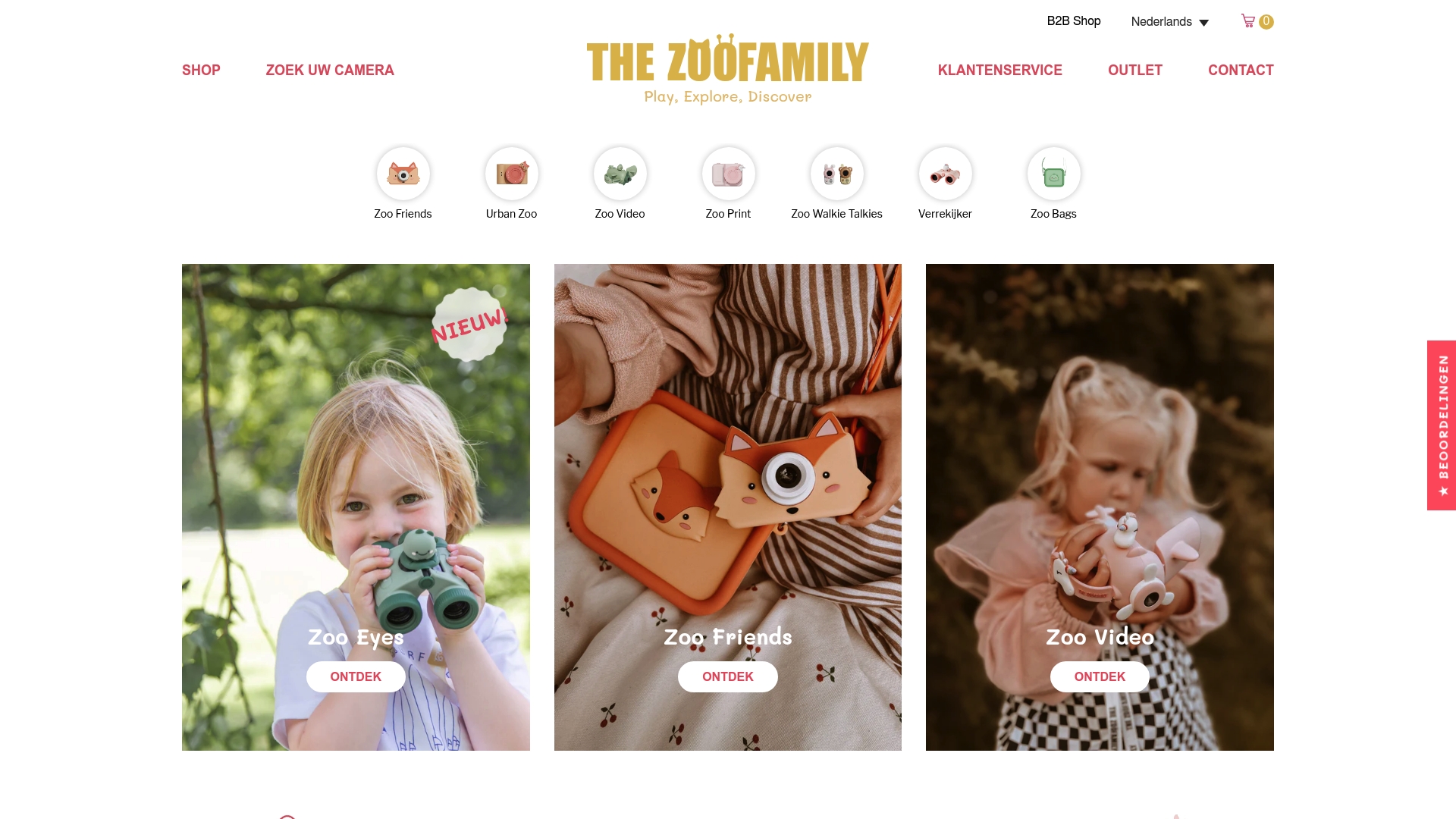
- A kids’ camera suits photo missions and scavenger hunts on a winter walk.
- Zoo Eyes binoculars work well for birdwatching or spotting animal tracks in snow.
- A Zoo Walkie-Talkie adds a communication game to group snow play or sledding runs.
Browse our full range of products to find what suits your family’s next outing, and remember that every camera sold funds a tree planted.
FAQ
What outdoor activities can I do in winter?
Sledding, ice skating, winter walks, snowshoeing, cross-country skiing and backyard snow games all work well for families. Most need little equipment beyond warm layers and, for sledding, skating and skiing, a properly fitted helmet.
What are some fun activities I can do in the winter?
Beyond classic snow sports, a nature scavenger hunt, a mindful photography walk or a backyard obstacle course all keep children engaged without travel or cost. Short, themed missions tend to hold younger children’s attention better than open-ended free play.
What to do when it’s cold outside for fun?
When temperatures and wind chill drop very low, paediatric guidance suggests limiting or avoiding outdoor play below -15°C (5°F), with extra caution below -27°C (-16°F). On those days, indoor games, baking or a short, well-wrapped doorstep walk with frequent warming breaks are safer choices.
What are some fun activities to do in the UK during winter?
Gentle local sledding hills, supervised ice rinks and winter light trails or festivals are common, accessible options across the UK. Many towns also host short, family-friendly guided walks during the winter months, which are worth checking through local council listings.