

Taking good care of the environment means reducing harm to natural systems, restoring what has been lost, and building habits that protect the planet for the next generation. For parents and caregivers across Europe, this is not an abstract goal. It is a daily practice woven into how you heat your home, what you grow in your garden, and how you talk to your children about the world around them. Environmental conservation, the recognised term for these efforts, covers everything from cutting carbon emissions to supporting local wildlife. This guide gives you concrete, tested ways to take care of our planet as a family.
How can families reduce their household carbon footprint and energy use?
Switching a home from fossil fuels to renewables can cut carbon emissions by up to 1.5 tonnes CO2e per year. That is a meaningful reduction achievable without changing your lifestyle dramatically. Pairing that switch with simple daily habits compounds the effect over months and years.
Active transport is the other major lever. Replacing car journeys with walking, cycling, or public transport can reduce individual footprint by up to 2 tonnes CO2e annually. For families in European cities with good public transport networks, this shift is often more practical than it sounds.
Practical energy-saving habits to adopt at home:
- Turn off devices at the plug rather than leaving them on standby
- Switch to LED bulbs throughout the house
- Set your thermostat one degree lower in winter
- Wash clothes at 30°C instead of 60°C
- Dry laundry on a rack rather than using a tumble dryer
- Install a smart meter to track and reduce consumption in real time
Pro Tip: If you rent and cannot switch energy supplier, contact your landlord about a green tariff. Many European energy providers now offer renewable options at comparable prices to standard contracts.
These habits matter most when they become automatic. Children who grow up watching parents switch off lights and choose the bus absorb those behaviours as normal, not as sacrifice.
Why does supporting local biodiversity matter for nature preservation?
80% of habitats across Europe are currently in poor condition, according to the European Commission. That figure means the hedgerows, ponds, and meadows that support insects, birds, and small mammals are disappearing faster than they recover. Your garden, however small, is part of the solution.
Creating a wildlife-friendly space does not require expertise. It requires choosing the right plants and resisting the urge to keep everything tidy. Native species support local insects far better than exotic ornamentals, and a patch of long grass provides shelter for beetles and hedgehogs alike.
Steps to establish a sustainable family garden:
- Research native wildflowers suited to your region, such as ox-eye daisy, cornflower, or wild marjoram in the UK
- Remove invasive non-native plants and replace them with locally appropriate species
- Add a small water feature or shallow dish of water for birds and insects
- Build or buy a simple insect hotel from untreated wood and hollow stems
- Leave a section of lawn unmown from april through july to support pollinators
- Avoid pesticides and opt for companion planting to manage pests naturally
Thezoofamily’s guide on wildlife-friendly gardens offers practical steps for making outdoor spaces safe and engaging for children and local wildlife simultaneously. For families who want to attract birds specifically, the guide on bird-friendly garden design covers native planting and feeding station placement in detail.
Effective tree planting follows the same logic. Native species suited to local ecosystems support biodiversity far better than fast-growing non-natives. Planting the wrong tree in the wrong place can actually harm the habitat you are trying to restore.
What are the best ways to engage children with nature?
Play-based, sensory activities build children’s emotional resilience and environmental responsibility more effectively than lectures or fear-driven information. Children who touch soil, observe insects, and listen to birdsong develop a genuine bond with the natural world. That bond is what motivates lifelong care for the environment.
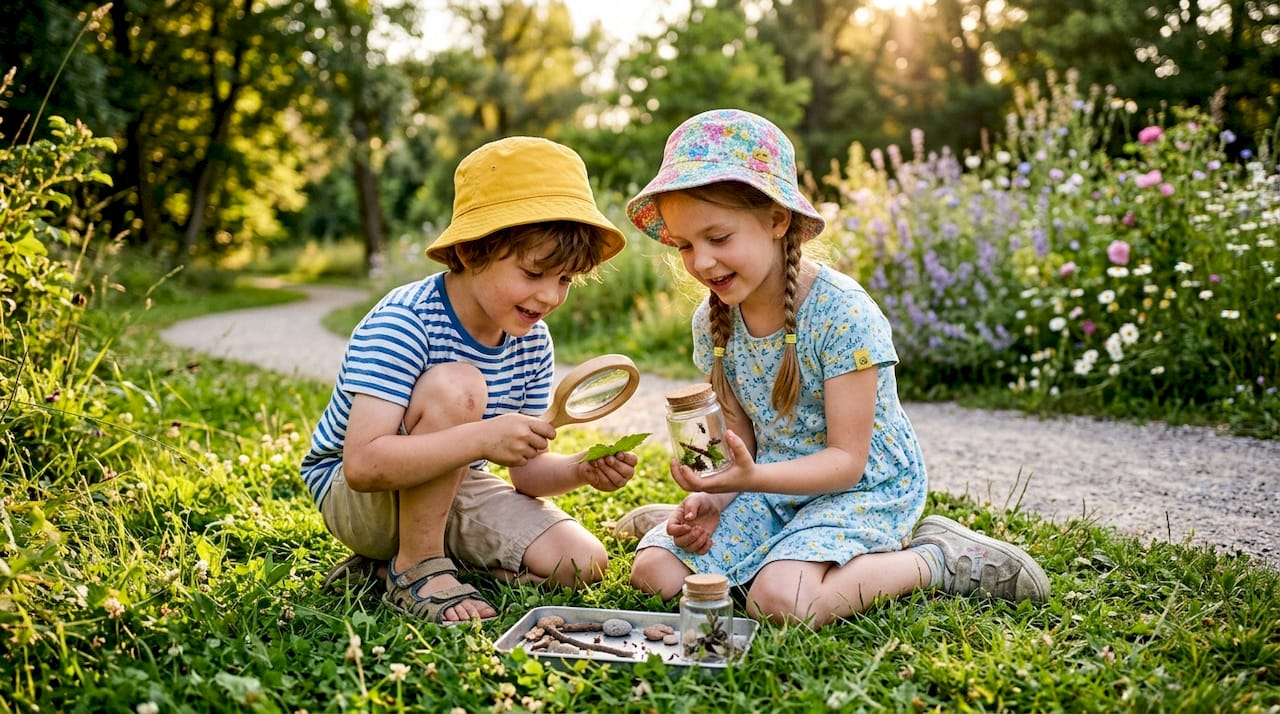
Practitioners recommend framing nature as a living community rather than a resource. When a child asks why a bee matters, the answer “because it helps flowers grow food for us and for other animals” builds empathy and systems thinking at the same time. Avoid climate messaging that centres on catastrophe. Children process fear differently from adults, and anxiety without agency is counterproductive.
Spending at least 120 minutes a week in natural settings improves mental well-being and cognitive function for both children and adults. That is roughly 17 minutes a day, achievable through a walk in a local park, time in the garden, or a weekend visit to a nature reserve.
Hands-on activities that work well for families:
- Forest walks with a simple identification guide for trees, birds, or fungi
- Gardening projects where children choose and plant their own seeds
- Nature journalling with drawings, pressed leaves, or sketches of garden visitors
- Citizen science projects such as the RSPB Big Garden Birdwatch or iNaturalist
- Storytelling sessions using picture books that centre animal characters and ecosystems
Pro Tip: Let children lead their own nature exploration. Ask open questions like “What do you think lives under that log?” rather than directing the activity. Curiosity guided by the child sticks far longer than information delivered by an adult.
Thezoofamily’s resources on animal behaviour and eco-awareness combine nature education with hands-on outdoor exploration, giving children tools to observe and connect with wildlife on their own terms.
How can families reduce waste and plastic pollution in daily life?
The 4 R’s, reduce, reuse, recycle, and recover, form the backbone of sustainable waste management. Reducing comes first because it prevents waste from existing at all. Buying less, choosing products with minimal packaging, and refusing single-use plastics at the point of purchase are the highest-impact steps a family can take.
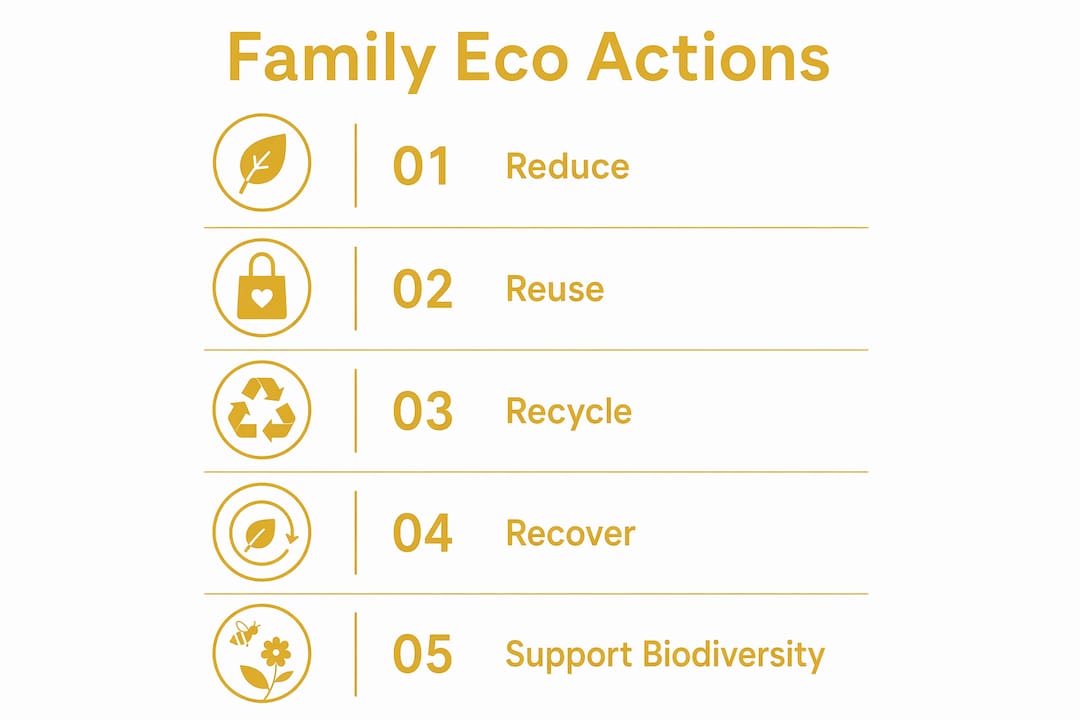
Composting is one of the most underused household habits in Europe. Organic waste sent to landfill produces methane, a greenhouse gas 28 times more potent than CO2. A simple compost bin in the garden or a bokashi system in a flat converts food scraps into rich soil amendment instead.
Steps to start composting and cut household waste:
- Set up a small compost bin or bokashi bucket in the kitchen for food scraps
- Add a mix of green waste (vegetable peelings, coffee grounds) and brown waste (cardboard, paper)
- Avoid composting meat, fish, or dairy in open bins to prevent pests
- Use reusable bags, bottles, and containers as standard rather than as an exception
- Buy seasonal, locally grown food to reduce the carbon cost of refrigeration and transport
- Repair clothing and household items before replacing them
Choosing seasonal and local food also cuts the carbon footprint of your diet significantly. A strawberry grown in Spain and flown to Sweden carries a very different environmental cost from one grown in a local allotment in june.
What role does community involvement play in environmental care?
Individual habits must be paired with collective and systemic changes for lasting environmental progress. Personal choices matter, but they reach their full potential when combined with community action and civic engagement. Local systems are the practical front line for ecological restoration.
Voting in local elections directly shapes environmental policy on air quality, public transport, water conservation, and green space planning. A councillor who prioritises cycling infrastructure or urban tree planting creates conditions that make sustainable living easier for every family in the area. Your vote is an environmental act.
Community clean-ups deliver measurable results. Removing visible plastics from beaches and riverbanks can reduce local microplastic pollution by 99.5% within one year. That figure shows how quickly targeted collective action reverses damage that took years to accumulate.
Local and school-level action creates durable environmental progress rooted in the specific needs of a community. Attending a parish council meeting on a new housing development, joining a local wildlife trust, or organising a neighbourhood composting scheme all count. These are not small gestures. They are the building blocks of systemic change.
Pro Tip: Search for your local wildlife trust, transition town group, or community garden project. Most welcome families and offer child-friendly volunteering sessions that combine outdoor activity with genuine conservation work.
Key takeaways
Taking good care of the environment requires consistent family habits, local biodiversity support, and active civic participation working together.
| Point | Details |
|---|---|
| Switch to renewables | Replacing fossil fuels at home cuts up to 1.5 tonnes CO2e per year. |
| Support local biodiversity | Native planting and wildlife-friendly gardens help reverse Europe’s 80% habitat degradation. |
| Engage children through play | Sensory, play-based nature activities build lasting eco-responsibility more effectively than fear-based messaging. |
| Compost and reduce waste | Composting diverts methane-producing organic waste and enriches soil at no cost. |
| Vote and volunteer locally | Local civic engagement shapes environmental policy and delivers measurable community-level results. |
What I have learned from raising children who care about nature
Raising children to care about the environment is less about teaching and more about showing. The moments that have stayed with me are not the ones where I explained climate science. They are the ones where a child crouched beside a beetle for five minutes, completely absorbed, and asked me why it had such shiny wings.
The temptation is to do too much. To buy the right products, join every campaign, and feel guilty about every flight. That approach burns out quickly and teaches children that caring for the planet is a burden. What actually works is slower and quieter. It is a compost bin that becomes part of the kitchen routine. It is a walk where you always stop to look at the same oak tree and notice how it changes through the seasons.
Patience is the skill nobody talks about in sustainability conversations. Children do not absorb values in a single conversation. They absorb them over years of watching adults make consistent, unremarkable choices. The parent who cycles to the shops in the rain, who saves the spider rather than killing it, who asks the child what they noticed on the walk home, is doing more than any curriculum can.
The other thing I have come to believe is that joy is the most powerful motivator. Children who love nature protect it. Fear does not create that love. Wonder does.
— ALAIN
Thezoofamily and the families who take care of our planet
Thezoofamily was built around the belief that children who connect with nature become adults who protect it. Every kids’ camera, pair of binoculars, and walkie-talkie in the range is designed to take children outdoors and make them curious about the living world around them.
For every camera sold, Thezoofamily plants one tree. That commitment reflects the same logic this article is built on: small, consistent actions add up. If you want practical guidance on building eco-friendly family routines or creating outdoor spaces that children and wildlife can share, Thezoofamily’s blog covers both in depth. Visit thezoofamily.com to find resources, products, and a community of families who take care of our earth seriously.
FAQ
What does taking good care of the environment mean for families?
Taking good care of the environment means reducing your household’s carbon footprint, supporting local biodiversity, cutting waste, and engaging children with nature through everyday habits. Environmental conservation at the family level combines personal choices with community involvement for lasting impact.
How much does switching to renewable energy actually help?
Switching a home from fossil fuels to renewable energy can cut carbon emissions by up to 1.5 tonnes CO2e per year. Combining that with active transport choices can reduce a family’s total footprint by up to 3.5 tonnes annually.
What is the best way to teach children to care for the planet?
Play-based, sensory activities in natural settings are the most effective approach. Spending at least 120 minutes a week in nature improves children’s mental well-being and builds the emotional connection that motivates lifelong environmental responsibility.
Does composting really make a difference?
Composting prevents organic waste from producing methane in landfill, a greenhouse gas 28 times more potent than CO2. A household compost bin is one of the simplest and most effective ways to reduce your family’s environmental impact.
How does voting locally connect to environmental care?
Local elections determine policies on air quality, public transport, green space, and water conservation. Voting for candidates who prioritise these issues is one of the highest-leverage environmental actions any family can take.