

Every british mum knows the challenge of keeping children engaged outdoors, especially in busy European cities where green space can feel limited. Choosing creative play ideas matters more than ever for families who want to nurture eco-friendly values in their children. Studies reveal that outdoor play with natural materials provides significant developmental advantages, helping kids build lasting connections with the environment. Discover accessible ways to design sustainable, nature-rich play spaces that offer lasting benefits for your family and the planet.
Table of Contents
- Incorporating Natural Materials For Creative Play
- Building A Mini Wildlife Garden For Exploration
- Creating A Nature-Inspired Sensory Path
- Encouraging Imaginative Play With Loose Parts
- Designing An Eco-Friendly Mud Kitchen
- Setting Up An Outdoor Art Station Using Recycled Items
- Planting Together To Foster Green Habits
Quick Summary
| Key Message | Explanation |
|---|---|
| 1. Use Natural Materials for Play | Incorporating logs, stones, and plants enhances children’s creativity and development through open-ended play opportunities. |
| 2. Create a Mini Wildlife Garden | Establishing a wildlife garden teaches children about ecosystems and encourages exploration by attracting local wildlife with native plants. |
| 3. Design a Nature-Inspired Sensory Path | A sensory path engages children’s senses through diverse textures, sounds, and fragrances, supporting their cognitive and physical growth. |
| 4. Encourage Imaginative Play with Loose Parts | Providing versatile materials like stones and branches fosters creativity, social skills, and inclusive play among children. |
| 5. Build an Eco-Friendly Mud Kitchen | A mud kitchen promotes experiential learning about sustainability, sensory exploration, and imaginative cooking activities using natural materials. |
1. Incorporating Natural Materials for Creative Play
Nature offers an extraordinary playground for children’s creativity, transforming ordinary outdoor spaces into magical learning environments. By strategically using natural materials, parents can design engaging play areas that stimulate imagination and support developmental skills.
Research highlights that natural materials like logs, stones, and plants provide open-ended play opportunities that foster significant developmental benefits. Systematic reviews of nature-based play environments demonstrate how these materials enhance children’s motor skills, social interactions, and creative thinking.
When designing an outdoor play area, consider collecting diverse natural elements such as wooden logs, smooth river stones, branches, tree stumps, and large leaves. These materials encourage children to construct imaginative scenarios, build miniature worlds, and engage in unstructured play that develops problem-solving abilities.
Wooden logs can become balance beams, while stones might transform into magical counting objects or construction materials for improvised sculptures. Fallen branches become magic wands, bridges, or musical instruments when children’s creativity takes flight. The key is providing materials that are safe, varied, and open to multiple interpretations.
Top tip: Rotate and refresh your natural materials periodically to maintain children’s curiosity and prevent potential safety issues from weathered items.
2. Building a Mini Wildlife Garden for Exploration
Transforming a small outdoor space into a vibrant wildlife garden offers children an extraordinary opportunity to connect with nature and develop environmental awareness. Creating wildlife friendly gardens provides an immersive learning experience that encourages curiosity and ecological understanding.
A mini wildlife garden serves as a living classroom where children can observe local ecosystems, understand biodiversity, and develop a genuine appreciation for the natural world. By carefully selecting native plants and creating diverse habitats, you can attract various insects, birds, and small creatures that will fascinate young explorers.
Key Elements for Your Wildlife Garden:
Native Plant Selection: Choose local plant species that naturally support regional wildlife. These plants provide food, shelter, and breeding grounds for insects, butterflies, and small mammals. Examples include lavender, wildflowers, native grasses, and flowering herbs that attract pollinators.
Shelter and Nesting Areas: Incorporate log piles, rock formations, and dense shrubs to create safe spaces for wildlife. These features offer protection for small creatures and create exciting exploration zones for children to observe wildlife interactions.
Water Features: A small shallow pond or birdbath can dramatically increase garden biodiversity. Water sources attract different species and provide children with opportunities to watch birds, frogs, and insects up close.
Insect Hotels and Bee Zones: Create dedicated spaces for beneficial insects using bamboo tubes, drilled wooden blocks, and native flowering plants. These zones teach children about insect life cycles and ecological interdependence.
Pro tip: Involve your children in the garden design process, allowing them to help plant seeds, arrange rocks, and create small wildlife habitats to foster a sense of ownership and environmental connection.
3. Creating a Nature-Inspired Sensory Path
A sensory path transforms ordinary outdoor spaces into extraordinary learning environments that stimulate children’s cognitive and physical development. Nature-based sensory activities offer remarkable opportunities for children to explore their surroundings through immersive multi-sensory experiences.
Designing Your Sensory Path:
Children learn best when they can touch, feel, and interact with their environment. A well-designed nature sensory path engages multiple senses simultaneously, creating rich learning experiences that support developmental milestones.
Key Sensory Elements:
Texture Zones: Create areas with different ground textures like smooth pebbles, soft moss, rough bark chips, and soft sand. These variations challenge children’s tactile perception and motor skills while encouraging barefoot exploration.
Sound Stations: Incorporate natural sound features such as rustling bamboo, wind chimes made from natural materials, and areas where children can listen to bird calls or rustling leaves. These acoustic elements help develop auditory discrimination and environmental awareness.
Fragrance Gardens: Plant aromatic herbs like lavender, rosemary, and mint along the path. Encourage children to gently touch and smell these plants, stimulating olfactory senses and teaching them about plant diversity.
Barefoot Walking Areas: Design sections where children can walk on different natural surfaces safely. This helps develop proprioception balance and provides a grounding sensory experience.
Pro tip: Rotate and refresh sensory path elements seasonally to maintain children’s curiosity and provide ongoing sensory exploration opportunities.
4. Encouraging Imaginative Play with Loose Parts
Loose parts represent a revolutionary approach to outdoor play, transforming ordinary materials into extraordinary tools for childhood creativity. Research on children’s play environments reveals that simple, moveable objects can dramatically enhance children’s developmental experiences.
What Are Loose Parts?
Loose parts are versatile materials children can move, manipulate, and transform during play. These can include natural elements like pinecones, stones, and branches or manufactured items such as fabric scraps, wooden blocks, and rope.
Benefits of Loose Parts Play:
Creative Problem Solving: When children encounter loose parts, they learn to experiment, construct, and deconstruct without predetermined outcomes. A stick might become a magic wand, a building tool, or a musical instrument in their imaginative world.
Social Skill Development: Collaborative play with loose parts encourages negotiation, sharing, and cooperative creativity. Children learn to communicate ideas, compromise, and work together while building complex structures or imaginary scenarios.
Inclusive Play Opportunities: Loose parts transcend age and gender barriers, allowing children with different abilities and interests to engage meaningfully. A pile of natural materials becomes a playground where everyone can participate and contribute.
Collecting Loose Parts:
Natural Materials: Gather pinecones, smooth stones, driftwood, leaves, and branches from local parks or gardens.
Recycled Objects: Collect safe fabric pieces, wooden spools, cardboard tubes, and other clean recyclable materials.
Safety Considerations: Always inspect materials for sharp edges, ensure they are clean, and supervise children during play.
Pro tip: Rotate your loose parts collection periodically to maintain children’s curiosity and prevent material fatigue, keeping play experiences fresh and engaging.
5. Designing an Eco-Friendly Mud Kitchen
A mud kitchen transforms outdoor play spaces into vibrant learning environments where children connect with nature through creative, hands-on experiences. Sustainable building practices demonstrate how natural materials can create engaging play spaces that inspire environmental consciousness.
What is a Mud Kitchen?
A mud kitchen is an outdoor play area designed to mimic a real kitchen, using natural materials like logs, stones, and recycled objects. Children use mud, water, and found natural elements to create imaginative culinary adventures while developing crucial sensory and motor skills.
Key Design Components:
Sustainable Structure: Build the kitchen using reclaimed wood, fallen branches, or recycled pallets. Prioritise locally sourced, environmentally friendly materials that blend seamlessly with the natural landscape.
Workstation Areas: Create multiple surfaces at different heights to accommodate children of various ages. Include shelves made from tree branches, stone countertops, and wooden preparation areas.
Water Management: Install a simple water collection system using recycled containers or a small hand pump. This teaches children about water conservation and provides a practical play element.
Storage Solutions: Use weatherproof containers made from natural or recycled materials to store play kitchen tools like wooden spoons, metal pots, and silicone utensils.
Learning Opportunities:
Mud kitchens offer more than just play. They teach children about:
Environmental Stewardship: Understanding resource use and recycling Sensory Exploration: Experiencing different textures and natural materials Imaginative Play: Creating stories and scenarios through creative cooking
Pro tip: Rotate natural materials seasonally and involve children in maintaining and updating the mud kitchen to keep their interest and connection with the space alive.
6. Setting Up an Outdoor Art Station Using Recycled Items
Transforming discarded materials into creative playspaces teaches children about sustainability while nurturing their artistic imagination. Recycled art practices offer an extraordinary opportunity to turn waste into wonderful learning experiences.
What is an Outdoor Recycled Art Station?
An outdoor art station using recycled items is a dedicated creative space where children can explore artistic expression using materials that would otherwise be discarded. This approach combines environmental education with unlimited creative potential.
Essential Components:
Collection Area: Create a designated space to gather and sort clean recyclable materials like:
Plastic Containers: Cleaned yoghurt pots, bottle tops, packaging Paper Materials: Cardboard tubes, magazines, newspapers Natural Elements: Twigs, leaves, stones to complement recycled items
Workstation Design:
Sturdy Surfaces: Use reclaimed wooden pallets or weatherproof tables as work areas Storage Solutions: Install open shelving or hanging organisers made from recycled materials Tool Organisation: Use repurposed jars and containers to store paintbrushes, scissors, and art supplies
Learning Opportunities:
Environmental Awareness: Children learn about waste reduction and creative reuse Creative Problem Solving: Transforming ordinary objects into artistic creations Sensory Exploration: Experiencing different textures and materials
Art Project Ideas:
Wind Chimes: Create musical instruments using tin cans and strings Sculpture Gardens: Build three dimensional art using plastic bottles and wire Nature Collages: Combine recycled paper with found natural materials
Pro tip: Rotate your recycled materials collection monthly and involve children in the sorting and selection process to maintain their interest and environmental curiosity.
7. Planting Together to Foster Green Habits
Gardening transforms outdoor spaces into living classrooms where children learn ecological responsibility through hands-on experiences. Community tree planting initiatives demonstrate how collaborative gardening can cultivate environmental stewardship from an early age.
Why Plant Together?
Collaborative planting offers far more than simply growing plants. It creates profound learning opportunities that connect children directly with natural systems, teaching valuable lessons about ecosystem interdependence, patience, and nurturing life.
Planning Your Family Garden:
Choose Child Friendly Plants: Quick Growing Seeds: Radishes, sunflowers, peas Sensory Plants: Mint, lavender, herbs with interesting textures Resilient Options: Vegetables like lettuce and cherry tomatoes
Learning Zones:
Observation Area: Create a dedicated space where children can monitor plant growth Tool Station: Arrange child sized gardening tools and protective gloves Planting Zones: Divide garden into sections for different plant types
Educational Opportunities:
Ecological Understanding: Learn about plant lifecycles Nutritional Awareness: Understand where food originates Scientific Curiosity: Observe germination and growth processes Responsibility Skills: Care for living organisms
Practical Engagement Strategies:
Assign specific responsibilities like watering, weeding, or seed planting Create visual growth tracking charts Celebrate milestones like first sprout or first harvest
Pro tip: Rotate garden responsibilities among family members to maintain collective engagement and prevent task fatigue.
Below is a comprehensive table summarising the concepts and strategies for enhancing outdoor play environments for children as discussed in the article.
| Topic | Description | Key Benefits |
|---|---|---|
| Incorporating Natural Materials | Using logs, stones, plants, and other natural items to create imaginative play areas. | Enhances motor skills, social interaction, and creative thinking. |
| Building a Mini Wildlife Garden | Developing a small garden with native plants, shelter areas, and water features to attract wildlife. | Promotes environmental awareness, curiosity about ecosystems, and biodiversity understanding. |
| Creating a Sensory Path | Establishing areas with textures, sounds, and fragrances for sensory exploration. | Supports cognitive and physical development through multi-sensory engagement. |
| Encouraging Imaginative Play with Loose Parts | Providing moveable natural and recycled materials for open-ended play. | Boosts creativity, problem-solving skills, and inclusive social play opportunities. |
| Designing an Eco-Friendly Mud Kitchen | Constructing a play kitchen using natural and recycled materials for imaginative activities. | Teaches environmental stewardship, sensory experience, and creativity. |
| Setting Up an Outdoor Art Station | Using recycled materials to foster artistic expression and sustainability education. | Encourages creativity, problem-solving, and environmental awareness. |
| Planting Together | Collaborative gardening projects using child-friendly plants to teach hands-on ecological concepts. | Develops responsibility, scientific curiosity, and appreciation for natural systems. |
Bring Nature Closer to Your Child’s Playtime
The article highlights how incorporating natural materials, wildlife gardens, and sensory paths into outdoor play can spark creativity and deepen children’s connection with the environment. If you want to overcome the challenge of creating engaging nature-inspired play areas that nurture imagination and ecological awareness, The Zoofamily offers innovative tools designed specifically for young explorers. Our kids’ cameras, walkie-talkies, and binoculars encourage outdoor discovery while connecting kids with the natural world surrounding them.
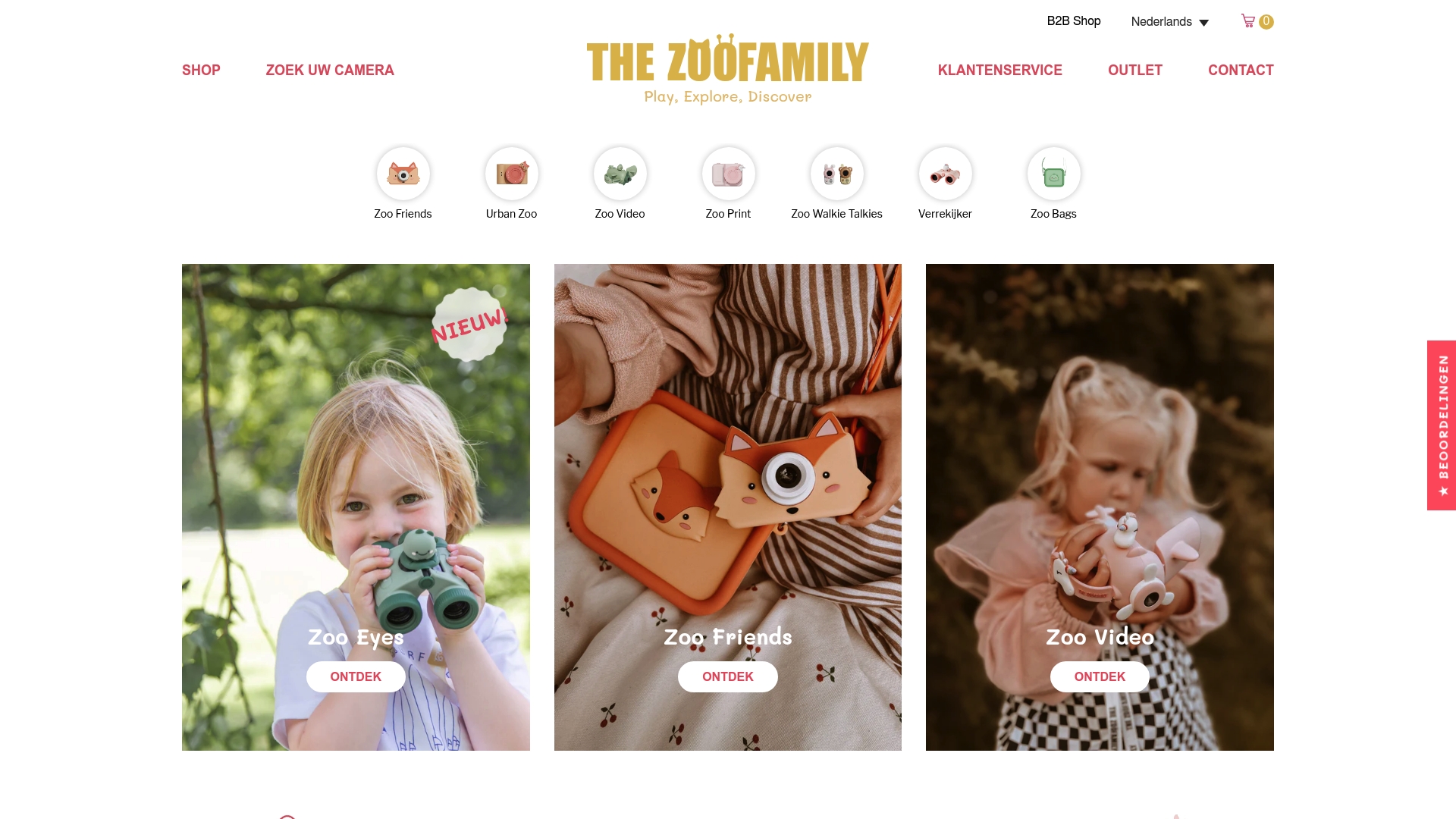
Start your journey today by exploring how our nature-themed products can transform ordinary playtime into an inspiring adventure full of learning and fun. Visit The Zoofamily now to empower your children’s outdoor experiences and support a greener future for generations to come.
Frequently Asked Questions
How can I incorporate natural materials into my child’s play area?
To incorporate natural materials, collect items such as wooden logs, smooth stones, branches, and large leaves. Organise them in your outdoor space to encourage children to engage in open-ended play, such as building balance beams or creating sculptures.
What should I consider when building a mini wildlife garden for children?
When building a mini wildlife garden, select native plants that attract local wildlife, such as butterflies and insects. Create diverse habitats with log piles and water features, and involve your children in the planting process to foster their interest in nature.
What elements are essential for creating a nature-inspired sensory path?
Key elements for a nature-inspired sensory path include texture zones with different ground surfaces, sound stations with natural noises, and fragrance gardens with aromatic plants. Plan to rotate these sensory elements seasonally to keep children engaged.
How can loose parts enhance my child’s outdoor play experience?
Loose parts, such as pinecones, stones, and fabric scraps, allow children to manipulate and transform materials during play. Encourage your children to collect loose parts and experiment creatively to develop problem-solving and social skills while having fun.
What are the main components of an eco-friendly mud kitchen?
An eco-friendly mud kitchen should include a sustainable structure made of reclaimed wood, workstation surfaces at various heights, and a simple water collection system. Design your mud kitchen to promote imaginative play while teaching children about environmental responsibility.
How can planting together foster environmental awareness in children?
Planting together helps children learn about ecological responsibility by showing them how to care for living plants. Encourage them to take on specific gardening tasks, track plant growth, and celebrate milestones, thereby instilling a sense of connection to nature.