

Over 60 percent of British and German parents agree that connecting children with nature improves their happiness and confidence. For eco-conscious moms in Germany and France, finding outdoor activities that spark wonder without harming the environment is a daily goal. This guide shares creative ideas that make each outdoor moment an opportunity for preschoolers to learn, play, and nurture their affection for the natural world.
Table of Contents
- 1. Nature Scavenger Hunt For Safe Exploration
- 2. Bug And Butterfly Spotting For Curiosity
- 3. Building Simple Nature Art With Leaves And Stones
- 4. Planting Seeds Together To Learn About Growth
- 5. Outdoor Storytime In A Shady Garden Spot
- 6. Cloud Watching And Weather Talk For Imagination
- 7. Simple Obstacle Course Using Natural Materials
Quick Summary
| Takeaway | Explanation |
|---|---|
| 1. Plan an age-appropriate scavenger hunt | Choose a safe location and create a themed list of items for children to explore, encouraging learning through nature. |
| 2. Promote teamwork during activities | Encourage children to work together in groups, developing communication skills and understanding the value of collaboration in exploration. |
| 3. Use natural materials for creative projects | Guide children to create art with leaves and stones, enhancing their problem-solving skills and encouraging creative expression. |
| 4. Engage in interactive outdoor storytelling | Involve children in storytelling sessions outside, linking narrative with nature for a richer, more engaging experience. |
| 5. Introduce simple scientific concepts through observation | Teach children to observe nature closely, such as cloud types or plant growth, to foster curiosity and environmental respect. |
1. Nature Scavenger Hunt for Safe Exploration
Exploring the great outdoors becomes an exciting adventure for preschoolers through a carefully planned nature scavenger hunt. This educational activity transforms a simple walk into a dynamic learning experience that encourages curiosity, observation skills, and safe interaction with the natural world.
Creating a successful nature scavenger hunt requires thoughtful preparation. Designing an age appropriate hunt means selecting a safe location with diverse natural features and creating a themed list of items children can safely discover. Parents should focus on finding objects like different coloured leaves, unique stones, pinecones, or specific types of tree bark that can be observed without disturbing the environment.
The key is to make exploration both engaging and educational. Equip your preschoolers with simple tools like a small magnifying glass or a nature notebook to document their findings. This approach transforms the hunt from a simple game into a structured learning experience that develops critical observation skills and respect for nature.
Encourage teamwork by creating collaborative goals. For instance, challenge children to find items as a group rather than competing individually. This builds communication skills and helps young learners understand the importance of working together while exploring their surroundings.
Pro Tip: Create a simple pictorial checklist with drawings of items to find, making the scavenger hunt accessible and exciting for preschoolers who cannot yet read written instructions.
2. Bug and Butterfly Spotting for Curiosity
Unlocking the miniature world of insects offers preschoolers an extraordinary window into nature’s most fascinating microcosm. Insect activities designed for young learners transform ordinary outdoor moments into exciting scientific discoveries.
Guiding preschoolers through bug and butterfly spotting requires patience and thoughtful preparation. Young explorers can learn to observe insects respectfully by using gentle techniques that do not disturb these delicate creatures. Small magnifying glasses become magical tools that help children examine intricate wing patterns or tiny leg movements up close.
Encourage children to develop keen observation skills by creating simple identification challenges. Look for butterflies with distinctive colours or track the movement patterns of different insects. This approach teaches careful watching and builds understanding of local wildlife without causing harm.
Safety remains paramount during these explorations. Teach children to maintain a respectful distance and never touch insects directly. Demonstrate how to observe without disrupting the natural environment, fostering both scientific curiosity and environmental respect.
Pro Tip: Create a simple illustrated bug spotter chart with colourful images of common local insects to help preschoolers recognise and learn about different species during their outdoor adventures.
3. Building Simple Nature Art with Leaves and Stones
Nature provides an incredible canvas for young imaginations, transforming ordinary outdoor spaces into artistic playgrounds. Creative exploration through natural materials offers preschoolers a unique opportunity to connect with the environment while developing crucial problem-solving skills.
Encouraging children to build art using leaves, stones, and other found objects helps develop spatial awareness and creative thinking. Start by collecting a variety of natural materials during a short walk, allowing children to select items that intrigue them. Smooth stones, interestingly shaped leaves, twigs, and bark fragments become building blocks for artistic expression.
Guide preschoolers to create simple designs like animal shapes, letters of their name, or abstract patterns on the ground. The process matters more than the final product experimental approach teaches children that creativity has no strict rules. Demonstrate how to arrange materials gently, respecting both the natural objects and the surrounding environment.
These art sessions provide more than just creative play. They help children develop fine motor skills, understand texture and colour, and learn to observe details in the natural world. Encourage conversation about the materials they choose and the stories they create through their artwork.
Pro Tip: Take photographs of the nature art creations to preserve memories while teaching children that art can be temporary and beautiful in its impermanence.
4. Planting Seeds Together to Learn About Growth
Planting seeds offers a magical journey of discovery for preschoolers, transforming a simple gardening activity into a profound lesson about life and growth. Engaging children in plant-based learning creates extraordinary opportunities to explore nature’s remarkable cycles.
Start with easy to grow seeds like beans or sunflowers that sprout quickly and capture young imaginations. Select clear containers that allow children to observe root development and sprouting processes. This hands-on approach helps preschoolers understand complex biological concepts through direct sensory experiences.
Encourage children to participate in every stage of planting. Let them fill containers with soil, carefully place seeds, water gently, and monitor growth daily. Create a simple observation journal where they can draw or stick stickers tracking their plant’s progress. This approach transforms gardening from a passive activity into an interactive learning experience.
Through seed planting, children develop critical skills beyond botanical knowledge. They learn patience, responsibility, and the importance of consistent care. Watching a tiny seed transform into a living plant teaches powerful lessons about nurturing and environmental stewardship.
Pro Tip: Use colourful stickers or small pictures to help preschoolers track their plant’s growth stages, making the learning process both fun and memorable.
5. Outdoor Storytime in a Shady Garden Spot
Transforming storytelling into an immersive outdoor experience can spark imagination and create memorable learning moments for preschoolers. Garden storytimes offer a unique blend of sensory exploration and narrative engagement that connects children with nature and language in profound ways.
Choose a comfortable shaded area in your garden or local park where children can sit comfortably and feel protected from direct sunlight. Bring a soft blanket or cushions to create an inviting storytelling space that feels both exciting and secure. Select books that relate to nature, gardens, or outdoor adventures to complement the surrounding environment.
Encourage interactive storytelling by involving children in the narrative. Ask them to make animal sounds, mimic plant movements, or describe what they see around them while reading. This approach transforms storytime from a passive listening experience into an active, engaging exploration of both language and environment.
The outdoor setting provides countless opportunities for spontaneous learning. Children might notice insects crawling nearby, hear bird sounds, or observe plant details that naturally complement the story. These unexpected moments of discovery can make storytelling a rich sensory experience that extends beyond the book itself.
Pro Tip: Bring a small notebook to capture children’s observations and imaginative comments during outdoor storytime, creating a cherished record of their learning journey.
6. Cloud Watching and Weather Talk for Imagination
Cloud watching transforms an ordinary afternoon into an extraordinary journey of discovery and imagination for preschoolers. Hands-on cloud-related activities offer remarkable opportunities for sensory learning and scientific curiosity about the ever changing sky above us.
Create a comfortable outdoor space with blankets or cushions where children can lie back and observe the sky. Encourage them to describe what they see by asking playful questions like what shapes the clouds remind them of or how they might look different from moment to moment. This approach turns cloud observation into an interactive game that develops language skills and creative thinking.
Teach simple cloud type identification using child friendly descriptions. Fluffy cumulus clouds become cotton wool balls in the sky while wispy cirrus clouds transform into delicate feathers floating overhead. By giving clouds imaginative descriptions children learn to observe natural phenomena with wonder and excitement.
Use cloud watching as an opportunity to introduce basic weather concepts. Talk about how clouds form, move, and change. Discuss how different cloud shapes might indicate potential weather changes helping children develop early meteorological understanding while maintaining a sense of playful exploration.
Pro Tip: Create a simple cloud watching journal where children can draw their favourite cloud shapes and describe their imaginative interpretations, turning observation into a creative keepsake.
7. Simple Obstacle Course Using Natural Materials
Turning your garden or local park into a dynamic playground of discovery can transform ordinary outdoor time into an extraordinary learning experience. Creating obstacle courses with natural materials offers preschoolers an engaging way to develop physical skills and spatial awareness.
Collect fallen branches, large stones, logs, and soft ground coverings like leaves or grass to design a safe and imaginative course. Arrange materials to create challenges that encourage crawling under branches, balancing on logs, stepping between stones, and jumping over small natural barriers. This approach helps children develop gross motor skills while connecting them intimately with their natural environment.
Encourage exploration by making the obstacle course feel like a playful adventure. Narrate the journey as children move through the course use imaginative language like pretending they are woodland creatures navigating their habitat. This storytelling approach keeps children motivated and transforms physical activity into a creative experience.
Integrate learning opportunities by introducing spatial language during the activity. Use words like over, under, around, and through to help children understand directional concepts while they play. This subtle language enrichment supports cognitive and linguistic development alongside physical skills.
Pro Tip: Start with a very simple course and gradually increase complexity as children become more confident, ensuring the activity remains challenging but not overwhelming.
Below is a summarising table outlining the activities and key takeaways mentioned in the article, focusing on engaging and educational outdoor activities for preschoolers.
| Activity | Overview | Educational Benefits |
|---|---|---|
| Nature Scavenger Hunt | Transforming walks into dynamic exploration with themed item lists. | Develops observation skills and curiosity about nature. |
| Bug and Butterfly Spotting | Observing insects respectfully using tools like magnifying glasses. | Encourages patience, detailed observation, and understanding of insect life. |
| Nature Art | Creating art using found materials such as stones and leaves. | Fosters creativity, fine motor skills, and a connection to natural textures and colours. |
| Planting Seeds | Participatory gardening, observing plant growth stages. | Teaches biological processes, responsibility, and nurture. |
| Outdoor Storytime | Story sessions in the garden utilising nature-themed narratives. | Combines language development with sensory nature experiences. |
| Cloud Watching | Identifying cloud types and associating imaginative interpretations. | Encourages creative thinking and introduces basic meteorology concepts. |
| Natural Obstacle Course | Building physical activity courses with natural materials. | Aids gross motor skill development and spatial awareness. |
Inspire Outdoor Learning and Adventure with The Zoofamily
The challenges preschoolers face when exploring nature safely and creatively call for tools that spark curiosity and build connection with the natural world. Whether it is a nature scavenger hunt or cloud watching, young learners benefit greatly from hands-on experiences enhanced by the right equipment. Key goals include encouraging observation skills, teamwork, and environmental respect — all themes perfectly reflected in The Zoofamily’s thoughtfully designed kids’ cameras, binoculars, and walkie-talkies.
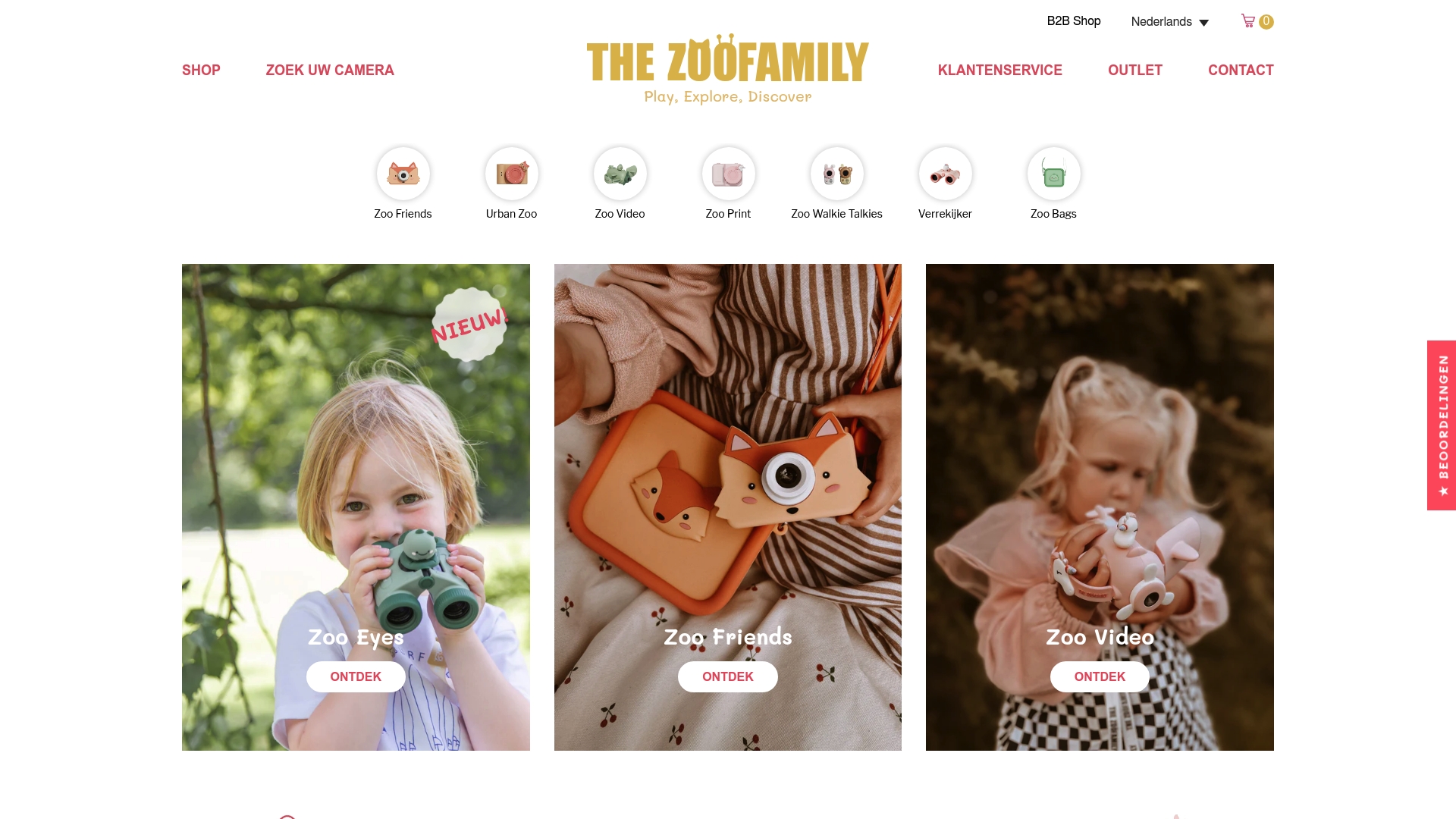
Unlock your child’s potential to discover and learn outdoors today. With every purchase at The Zoofamily, you not only receive engaging nature-themed devices but also contribute to restoring our planet since one tree is planted for every camera sold. Explore how you can support young explorers in embracing nature with fun and safety by visiting The Zoofamily main site and start the adventure now.
Frequently Asked Questions
What are some safe outdoor play activities for preschoolers?
Engaging preschoolers in safe outdoor play activities includes nature scavenger hunts, bug and butterfly spotting, and creating art with natural materials. Choose activities that allow children to explore and learn while ensuring their safety by selecting appropriate environments.
How can I organise a nature scavenger hunt for preschoolers?
To organise a nature scavenger hunt, select a safe location and create a themed list of items for children to find, such as colourful leaves and unique stones. Equip preschoolers with a pictorial checklist and encourage them to observe their surroundings without disturbing nature.
What materials do I need for building nature art with preschoolers?
For building nature art, gather leaves, stones, twigs, and other natural materials during a walk. Encourage preschoolers to create designs using these items, fostering their creativity while teaching them to respect the environment.
How can planting seeds enhance learning about nature for preschoolers?
Planting seeds offers a direct way for preschoolers to learn about growth and responsibility. Allow children to participate fully in the planting process and encourage them to keep a simple journal to track their plants’ progress.
What should I include in an outdoor storytime for preschoolers?
For an outdoor storytime, choose a quiet, shaded space and select nature-related stories. Engage preschoolers by asking them to interact with the narrative and observe their surroundings, enhancing both their language skills and connection to the environment.
How can cloud watching be turned into an educational activity?
Transform cloud watching into an educational activity by encouraging preschoolers to describe the shapes and types of clouds they see. Provide simple classifications, like describing fluffy cumulus clouds as cotton balls, to enhance their observational skills while fostering imaginative thinking.