

Climate change is hitting closer to home than ever, affecting farms, cities and families in ways we never imagined. One fact stands out: climate change can disrupt essential systems like agriculture, water and infrastructure, putting millions at risk. The surprising part is that adaptation is not just an option anymore. Families, not just governments or scientists, are taking real action to protect their futures and it is changing the entire conversation.
Table of Contents
- What Is Adapting To Climate Change?
- Why Is Adapting To Climate Change Important?
- How Does Adapting To Climate Change Work?
- Key Concepts In Climate Change Adaptation
- Real-World Examples Of Adaptation Strategies
Quick Summary
| Takeaway | Explanation |
|---|---|
| Climate change adaptation protects communities. | Adapting to climate change involves proactive measures that safeguard human societies and ecosystems from environmental threats. |
| Vulnerability assessments are crucial. | Identify specific environmental risks and community weaknesses to effectively plan adaptation strategies that address these challenges. |
| Flexible strategies ensure resilience. | Developing adaptable methods, like drought-resistant crops, helps communities withstand environmental changes and promotes long-term sustainability. |
| Collaboration enhances effectiveness. | Successful adaptation requires integrating scientific knowledge with community engagement and innovative solutions across different sectors. |
| Adaptation creates economic opportunities. | Proactive approaches can turn climate challenges into pathways for innovation, leading to sustainable development and job creation. |
What is Adapting to Climate Change?
Adapting to climate change represents a critical global strategy for protecting communities, ecosystems, and human societies from the increasing challenges posed by environmental transformations. At its core, this approach involves proactively responding to changing environmental conditions and developing resilient systems that can withstand and mitigate potential risks.
The following table summarises the essential characteristics of effective climate change adaptation strategies, providing a clear overview for parents and families.
| Characteristic | Description |
|---|---|
| Anticipation of Change | Proactively forecasting potential environmental shifts to stay ahead of risks. |
| Flexible Approaches | Developing adaptable strategies, such as drought-resistant crops or adjustable infrastructure. |
| Sustainability Focus | Prioritising solutions that protect both current and future generations and ecosystems. |
| Integration of Science | Using scientific knowledge to inform practical and effective interventions in daily life. |
| Protection of Vulnerable Groups | Ensuring that those most at risk, including children and the elderly, are protected through action. |
| Community Engagement | Involving families, local groups, and broader society to achieve successful adaptation. |
Understanding Climate Change Adaptation
Climate change adaptation is fundamentally about preparing for and responding to environmental shifts that impact our daily lives.
According to the United Nations Climate Change Framework, adaptation involves systematic adjustments in ecological, social, and economic systems to reduce vulnerability and enhance resilience.
Key characteristics of effective climate change adaptation include:
- Anticipating potential environmental changes
- Developing flexible strategies to manage risks
- Creating sustainable solutions that protect vulnerable populations
- Integrating scientific understanding with practical interventions
Why Adaptation Matters for Families
For parents, understanding climate change adaptation is not just about abstract environmental concepts. It is about securing a stable and safe future for their children. Climate change can disrupt essential systems like agriculture, water resources, and infrastructure, making adaptation a critical survival strategy.
Adaptation strategies range from local community interventions to global policy frameworks. These might include developing drought-resistant crops, creating water conservation techniques, designing climate-resilient infrastructure, and implementing early warning systems for extreme weather events.
The Intergovernmental Panel on Climate Change emphasizes that successful adaptation requires a multifaceted approach, combining scientific knowledge, community engagement, and innovative technological solutions. By understanding and implementing adaptation strategies, families can play a crucial role in building a more resilient and sustainable future.
Why is Adapting to Climate Change Important?
Adapting to climate change is not merely an environmental concern but a critical strategy for safeguarding human survival, economic stability, and social well-being. The importance of adaptation extends far beyond theoretical discussions, directly impacting families, communities, and entire ecosystems worldwide.
Protecting Human Lives and Communities
Climate change threatens human populations through increased frequency and intensity of extreme weather events. According to the Center for Science Education at UCAR, adaptation strategies are essential for protecting people and places from potentially devastating environmental transformations.
Key risks that make adaptation crucial include:
- Rising sea levels threatening coastal communities
- More frequent and severe natural disasters
- Disruptions to food and water security
- Increased health risks from changing environmental conditions
Economic and Social Resilience
Climate change can dramatically impact economic systems, potentially causing widespread disruption to agriculture, infrastructure, and employment. Adaptation helps communities develop strategies that maintain economic stability and protect vulnerable populations from potential financial devastation.
For families, this means creating robust systems that can withstand environmental challenges. This might involve developing sustainable agricultural practices, creating water conservation techniques, or designing infrastructure that can endure changing environmental conditions.
Moreover, adaptation is not just about survival but about creating opportunities for innovation and sustainable development. By proactively addressing climate challenges, communities can transform potential risks into chances for technological advancement and economic transformation.
How Does Adapting to Climate Change Work?
Adapting to climate change is a complex, multifaceted process that requires strategic planning, collaborative efforts, and innovative approaches across various sectors. It involves understanding potential environmental changes and developing targeted strategies to mitigate risks and enhance community resilience.
Assessing Vulnerability and Risk
The first critical step in climate change adaptation involves comprehensive risk assessment and vulnerability analysis. Communities and organizations must identify specific environmental challenges they are likely to face, such as changing precipitation patterns, rising temperatures, or increased frequency of extreme weather events.
Key components of effective vulnerability assessment include:
- Analyzing historical climate data
- Projecting future environmental scenarios
- Identifying potential impacts on local ecosystems
- Evaluating community infrastructure and resources
Implementing Adaptive Strategies
According to the United Nations Environment Programme, adaptation works through targeted interventions across multiple systems. These strategies can range from technological solutions to policy changes and community-level initiatives.
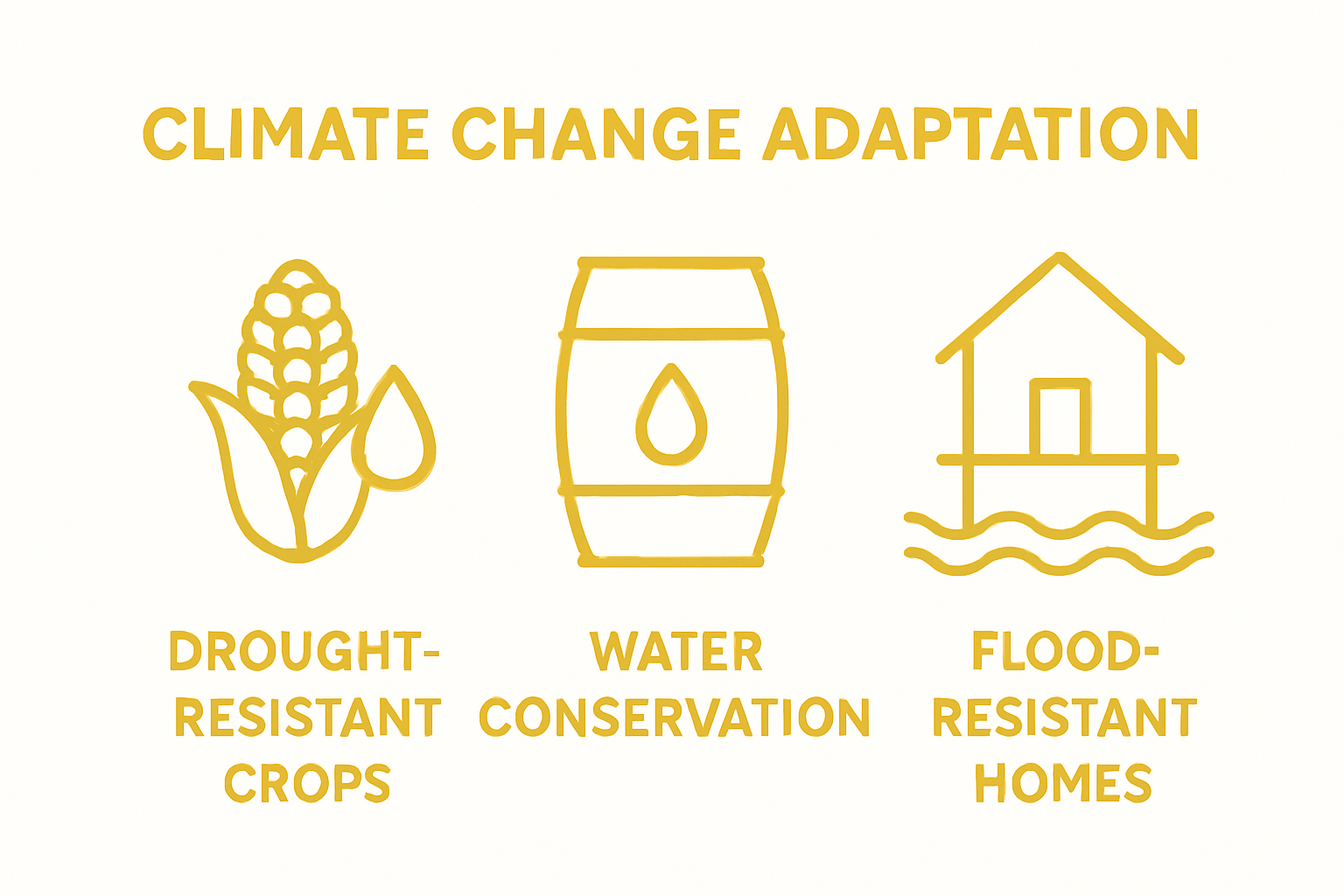
**Practical adaptation approaches include:
 **
**
- Developing drought-resistant agricultural techniques
- Creating water management and conservation systems
- Designing climate-resilient infrastructure
- Establishing early warning systems for extreme weather events
Successful adaptation requires a holistic approach that integrates scientific knowledge, technological innovation, and community engagement. By understanding local environmental conditions and potential future challenges, communities can develop flexible, responsive strategies that protect human lives, ecosystems, and economic systems from the impacts of climate change.
Key Concepts in Climate Change Adaptation
Climate change adaptation involves complex and interconnected strategies that require comprehensive understanding. These key concepts form the foundation for developing effective responses to environmental transformations, enabling communities to build resilience and protect vulnerable systems.
Resilience and Vulnerability Assessment
Resilience represents a critical concept in climate change adaptation, describing a system’s capacity to absorb disruptions while maintaining core functions. This involves understanding and mitigating potential environmental risks through proactive planning and strategic interventions.
Key elements of resilience include:
- Ability to recover from environmental shocks
- Flexibility in responding to changing conditions
- Capacity to learn and transform
- Maintaining essential ecological and social functions
Adaptive Capacity and Strategic Planning
Adaptive capacity refers to a system’s potential to adjust and modify its characteristics in response to climate change. According to the United Nations Climate Change Framework, this involves developing comprehensive strategies that anticipate and respond to potential environmental challenges.
Strategic planning for adaptation requires:
- Comprehensive environmental risk assessment
- Identifying potential climate change impacts
- Developing flexible intervention strategies
- Creating robust monitoring and evaluation mechanisms
Understanding these key concepts enables communities to move beyond reactive approaches and develop proactive, integrated strategies for managing environmental transformations.
This table compares key concepts relevant to climate change adaptation, aiding readers in distinguishing their unique roles.
| Concept | Definition | Key Role in Adaptation |
|---|---|---|
| Resilience | Ability of a system to absorb disruptions and maintain its essential functions | Helps communities recover and sustain |
| Vulnerability Assessment | Identifying specific risks and weaknesses within communities or ecosystems | Targets where adaptation is most needed |
| Adaptive Capacity | The potential to adjust in response to new or anticipated environmental changes | Enables effective and timely adaptation |
| Strategic Planning | Organised and forward-thinking approach to developing adaptation measures | Ensures solutions are systematic and robust |
Real-World Examples of Adaptation Strategies
Climate change adaptation is not a theoretical concept but a practical necessity being implemented worldwide. Diverse communities are developing innovative strategies to protect themselves from environmental challenges, demonstrating remarkable resilience and creativity in responding to changing climatic conditions.
Urban and Community Resilience
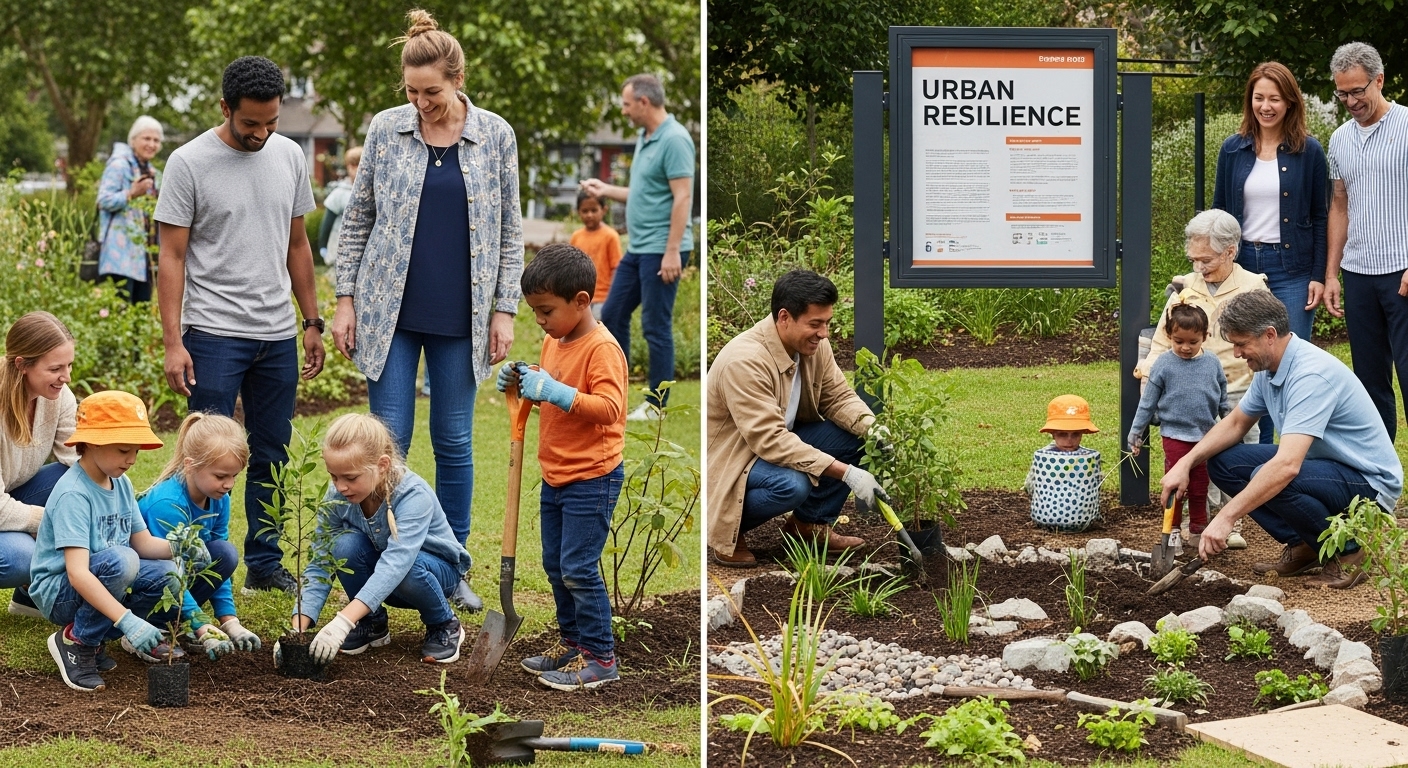
Urban environments are particularly vulnerable to climate change, requiring sophisticated adaptation strategies. Cities worldwide are implementing innovative approaches to protect residents and infrastructure from environmental transformations.
Notable urban adaptation strategies include:
- Creating green infrastructure like urban forests
- Developing water-sensitive urban design
- Implementing heat-resistant building technologies
- Designing climate-resilient public spaces
Health and Agricultural Adaptation
According to the World Health Organization, health-focused adaptation strategies are crucial for protecting vulnerable populations. These strategies range from developing early warning systems for extreme weather events to improving water and sanitation infrastructure.
Agricultural adaptation strategies demonstrate how communities can transform challenges into opportunities:
- Introducing drought-resistant crop varieties
- Implementing precision farming techniques
- Developing diversified agricultural systems
- Creating community-based water management programmes
These real-world examples illustrate that adaptation is not about passive acceptance but active transformation. By combining local knowledge, technological innovation, and collaborative approaches, communities can develop robust strategies that protect both human societies and natural ecosystems from the impacts of climate change.
Inspire Your Child to Protect the Planet with The Zoofamily
Understanding the need to adapt to climate change can feel overwhelming, especially when you want a safer future for your children. The article highlights how families face real challenges such as uncertain environments, disrupted ecosystems and the need to build resilience. Just as adaptation is about taking meaningful action, The Zoofamily helps you nurture curiosity about nature in your child while directly supporting the restoration of our planet.

Every time you choose a Zoofamily kids’ camera or binoculars, you engage your child with the wonders of nature and support tree planting for a greener tomorrow. Join our mission at https://thezoofamily.com to empower your family and make an immediate difference for the world your children will inherit. Start your climate-positive journey today.
Frequently Asked Questions
What does it mean to adapt to climate change?
Adapting to climate change involves proactive measures to respond to changing environmental conditions, developing resilient systems that can withstand and mitigate risks to communities, ecosystems, and human societies.
Why is climate change adaptation important for families?
Climate change adaptation is crucial for families as it helps protect essential systems like agriculture and water resources, ensuring a safe and stable future for future generations.
How can communities assess their vulnerability to climate change?
Communities can assess their vulnerability by conducting comprehensive risk assessments, analysing historical climate data, projecting future environmental scenarios, and evaluating potential impacts on local ecosystems and infrastructure.
What are some examples of adaptation strategies for agriculture?
Examples of agricultural adaptation strategies include introducing drought-resistant crop varieties, implementing precision farming techniques, and developing diversified agricultural systems to enhance resilience against climate change.