

Many mothers worry that natural bathroom cleaners cannot truly sanitize their family’s spaces. The myth persists that plant-based formulas are too gentle to tackle germs and grime. Research shows certain plant-based ingredients reduce bacteria by 99%, matching conventional disinfectants while protecting children from harsh chemical exposure.
Table of Contents
- Understanding Eco-Friendly Bathroom Cleaners
- Health and Environmental Benefits for Families
- Effectiveness Compared to Conventional Bathroom Cleaners
- Common Misconceptions about Eco-Friendly Bathroom Cleaners
- Regulatory Standards and Consumer Protection in Europe
- Practical Tips for Choosing and Using Eco-Friendly Bathroom Cleaners
- Summary and Empowerment for Eco-Conscious Families
- Explore Safe, Eco-Friendly Solutions for Your Family
Key Takeaways
| Point | Details |
|---|---|
| Plant-based ingredients | Eco-friendly cleaners use biodegradable surfactants, natural acids, and essential oils instead of harsh chemicals. |
| Health improvements | Indoor air pollutants drop by approximately 50% when using eco-friendly bathroom cleaners. |
| Cleaning effectiveness | Studies demonstrate 85-95% efficacy in removing bathroom soils, comparable to conventional products. |
| Safety considerations | Natural does not always mean hypoallergenic; formulation and ingredient quality determine safety. |
| EU protection | European regulations mandate transparent ingredient labeling and allergen disclosure for consumer confidence. |
Understanding Eco-Friendly Bathroom Cleaners
Eco-friendly bathroom cleaners rely on plant-based surfactants, natural acids like citric acid, and essential oils to break down dirt and kill germs. These ingredients replace ammonia, chlorine bleach, and synthetic fragrances found in conventional products. Biodegradability ensures cleaners break down naturally without leaving toxic residues in waterways.
Transparency distinguishes authentic eco-friendly products from greenwashed alternatives. Look for clear ingredient lists on labels rather than vague terms like “natural fragrance.” Key plant-based and biodegradable ingredients differentiate these cleaners from harsh chemicals through their renewable origins and minimal environmental impact.
Certification logos from recognized organizations validate eco-friendly claims. The EU Ecolabel, Nordic Swan, and similar marks indicate products meet strict environmental and health standards. Without these markers, scrutinize ingredient lists carefully to verify authenticity.
Pro tip: Check for certification logos and complete ingredient lists rather than trusting marketing buzzwords. A truly eco-friendly cleaner lists specific plant sources and active ingredients, not mysterious “proprietary blends” that hide potentially harmful chemicals. Understanding eco-friendly cleaning basics helps you make informed choices for your family.
Health and Environmental Benefits for Families
Conventional bathroom cleaners release volatile organic compounds that linger in indoor air long after cleaning. These VOCs contribute to respiratory problems, especially in children whose developing lungs are more vulnerable to chemical exposure. Using eco-friendly bathroom cleaners reduces indoor air pollutants by approximately 50%, creating safer breathing environments for your entire family.
Quaternary ammonium compounds, common in conventional disinfectants, trigger asthma attacks and skin irritation. Exposure to harmful chemicals in conventional bathroom cleaners increases risks of asthma and dermatitis in children by up to 30%. Plant-based alternatives eliminate these risks while maintaining cleaning power.
Switching to eco-friendly bathroom cleaners transformed our family’s health. My youngest son’s persistent cough disappeared within weeks, and I no longer worry about toxic residues on surfaces he touches daily.
The benefits extend beyond immediate health improvements:
- Reduced respiratory irritants create cleaner indoor air quality
- Lower risk of allergic reactions and skin sensitivities
- Fewer headaches and nausea from chemical fumes
- Sustainable ingredients minimize environmental harm
- Safer for children who frequently touch bathroom surfaces
These advantages make eco-friendly cleaners essential for families prioritizing health and environmental stewardship. Improved indoor air quality benefits extend to better sleep, fewer sick days, and enhanced overall wellbeing. Discover more cleaning tips for families seeking healthier homes.
Effectiveness Compared to Conventional Bathroom Cleaners
Skepticism about eco-friendly cleaner performance stems from outdated formulations that lacked concentrated active ingredients. Modern plant-based cleaners match conventional products in removing soap scum, limescale, and everyday bathroom grime. Eco-friendly bathroom cleaners showed 85-95% efficacy in removing common soils versus 90-98% for conventional products, a minimal difference in real-world cleaning.
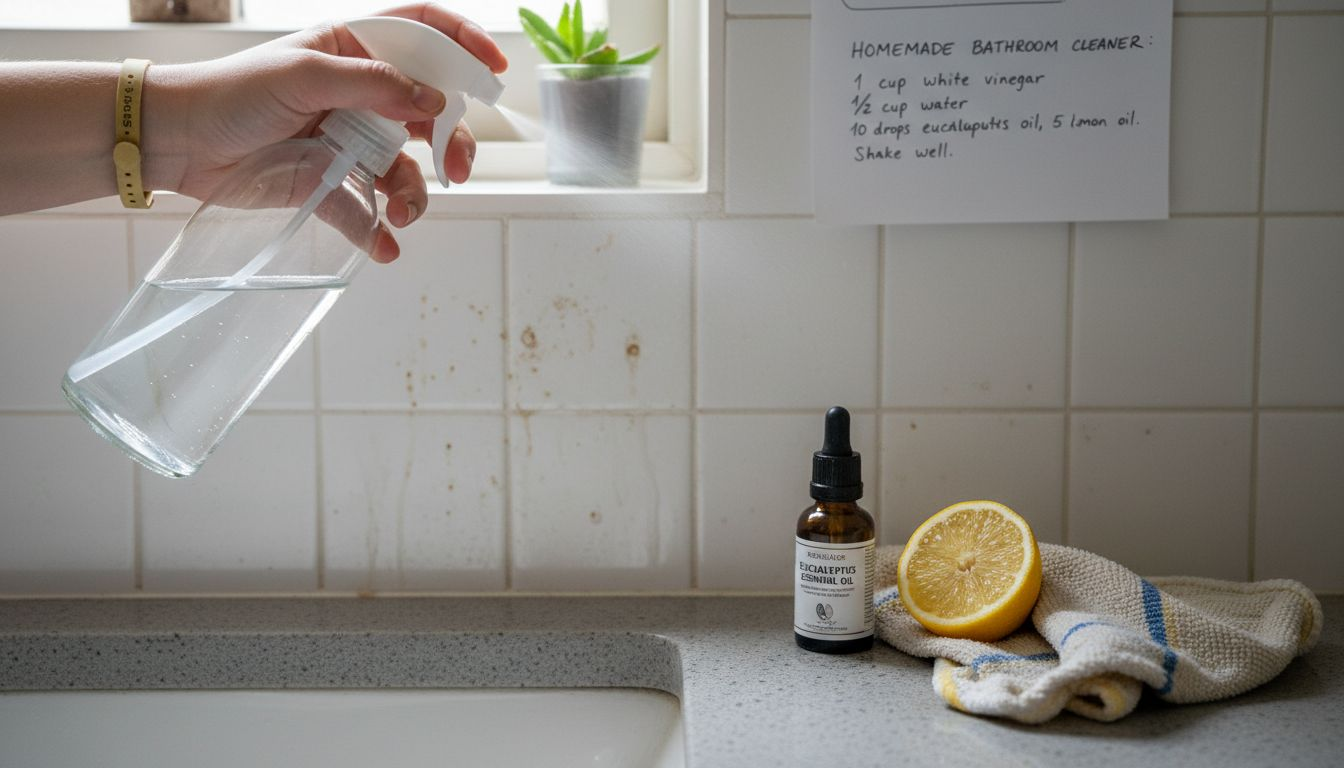
Plant-based antimicrobial agents deliver impressive disinfecting power. Certain essential oils reduced bacterial load by 99%, comparable to chemical disinfectants. Thyme oil, tea tree oil, and eucalyptus oil demonstrate particularly strong antimicrobial properties when properly formulated.
| Soil/Microbe Type | Eco-Friendly Efficacy | Conventional Efficacy |
|---|---|---|
| Soap scum | 85-92% | 90-95% |
| Limescale | 88-94% | 92-98% |
| Bathroom bacteria | 95-99% | 96-99% |
| Mold and mildew | 82-90% | 88-94% |
The slightly lower percentages for eco-friendly options rarely translate to noticeable performance differences during regular cleaning. Proper application and contact time matter more than percentage point variations. Most bathroom surfaces require only 95% bacterial reduction for safe hygiene standards.
Pro tip: Allow eco-friendly cleaners to sit on surfaces for the recommended contact time before wiping. This maximizes antimicrobial action and ensures thorough disinfection. Rushing through cleaning reduces any product’s effectiveness, regardless of formulation. Following usage directions optimizes cleaning performance data and achieves results matching conventional cleaners.
Common Misconceptions about Eco-Friendly Bathroom Cleaners
The word “natural” creates a false sense of universal safety. Some natural ingredients like citrus oils can cause allergic contact dermatitis in up to 15% of sensitive users. Limonene, a common citrus-derived cleaner, triggers skin reactions in susceptible individuals despite its plant origin.
Another misconception assumes all eco-friendly cleaners perform identically. Formulation quality varies dramatically between brands. Many plant-based ingredients can disinfect effectively if formulated properly, but poorly designed products with insufficient active ingredients fail to sanitize adequately.
Let’s separate fact from fiction:
- Myth: Natural cleaners cannot kill germs effectively. Fact: Properly formulated plant-based disinfectants achieve 99% bacterial reduction.
- Myth: All natural ingredients are hypoallergenic. Fact: Essential oils and plant extracts can trigger allergic reactions in sensitive individuals.
- Myth: Eco-friendly means weak cleaning power. Fact: Modern formulations match conventional cleaners in removing bathroom soils.
- Myth: Higher price always indicates better quality. Fact: Some expensive products rely on marketing rather than superior formulations.
- Myth: You need different products for every bathroom surface. Fact: Quality multi-surface eco-friendly cleaners handle most bathroom cleaning needs.
Ingredient transparency helps identify natural ingredient risks before purchasing. Read full ingredient lists rather than trusting front-label claims. Products listing specific plant sources and concentrations demonstrate greater reliability than those hiding behind vague terms.
Consumers should particularly scrutinize allergen information for family members with sensitivities. A cleaner safe for most people might still cause reactions in someone allergic to specific botanical extracts. Testing small amounts on inconspicuous surfaces first prevents widespread problems.
Regulatory Standards and Consumer Protection in Europe
The EU Detergents Regulation mandates comprehensive labeling of allergens and hazardous substances in all cleaning products. Manufacturers must disclose ingredients present above specific concentration thresholds, enabling informed consumer choices. This transparency helps families avoid products containing compounds that trigger their specific sensitivities.
European safety standards exceed those in many other regions, providing robust consumer protection. Products sold in EU markets undergo rigorous testing and must meet strict environmental criteria. Ingredient disclosure requirements prevent manufacturers from hiding potentially harmful chemicals behind proprietary formulas.
Key label elements that indicate trustworthy eco-friendly cleaners:
- Complete ingredient lists with specific chemical or botanical names
- Allergen warnings highlighting common sensitizers like limonene or linalool
- Certification marks from recognized environmental organizations
- Clear usage instructions and recommended contact times
- Safety warnings appropriate to the product’s risk level
- Batch numbers enabling traceability
Understanding these regulations empowers confident purchasing decisions. When products meet EU standards and display recognized certification marks, you can trust their safety claims. The regulatory framework protects your family while supporting genuinely sustainable businesses.
This legal foundation differentiates European markets from regions with lax labeling requirements. The mandated transparency allows you to verify eco-friendly claims rather than accepting marketing promises at face value. Use this protection to your advantage by carefully reading labels before purchasing.
Practical Tips for Choosing and Using Eco-Friendly Bathroom Cleaners
Navigating the eco-friendly cleaner market requires knowledge and careful evaluation. Follow these steps to select safe, effective products for your family:
- Read ingredient lists completely, looking for specific plant sources rather than vague terms.
- Check for recognized certification marks like EU Ecolabel or Nordic Swan.
- Verify allergen warnings match your family’s sensitivities and avoid problematic ingredients.
- Compare active ingredient concentrations between products to assess true cleaning power.
- Research unfamiliar ingredients using reliable scientific sources before purchasing.
- Start with small bottles to test effectiveness and family tolerance before buying bulk quantities.
Proper application maximizes eco-friendly cleaner performance. Spray surfaces thoroughly and allow the product to sit for the manufacturer’s recommended contact time, usually 5-10 minutes for disinfection. Wipe with clean microfiber cloths rather than reusing dirty ones that spread bacteria.
Dilution matters significantly for concentrated formulas. Mixing stronger solutions wastes product and may increase skin irritation risks without improving cleaning. Following dilution instructions ensures optimal performance and safety. Conversely, over-diluting reduces effectiveness below necessary thresholds.
Trusted retailers for eco-friendly bathroom cleaners in Europe include organic shops, specialized online stores, and increasingly mainstream supermarkets with dedicated natural product sections. Many European countries have well-established eco-product retailers offering curated selections meeting strict standards.
Pro tip: Let cleaned surfaces air dry rather than immediately rinsing or wiping dry. This extended contact time enhances antimicrobial action, allowing active ingredients to fully neutralize remaining bacteria. It also prevents overuse of water and reduces cleaning time. Apply these eco-friendly cleaning tips to streamline your routine while maximizing effectiveness.
Summary and Empowerment for Eco-Conscious Families
Eco-friendly bathroom cleaners successfully balance family safety, environmental responsibility, and effective cleaning performance. The evidence demonstrates plant-based formulations reduce indoor air pollutants by 50% while achieving 85-95% efficacy in removing bathroom soils. Modern formulations eliminate the need to choose between your family’s health and a truly clean home.
Common misconceptions crumble under scientific scrutiny. Plant-based disinfectants can reduce bacteria by 99%, matching conventional products’ germ-killing power. Natural ingredients require the same careful evaluation as synthetic chemicals, but proper formulation creates safe, powerful cleaners suitable for family use.
The benefits of adopting eco-friendly bathroom cleaners include:
- Significantly improved indoor air quality protecting children’s respiratory health
- Reduced exposure to harsh chemicals linked to asthma and skin conditions
- Effective cleaning and disinfection comparable to conventional products
- Environmental protection through biodegradable, sustainably sourced ingredients
- Regulatory transparency enabling informed, confident product choices
Integrating these cleaners into your family routine requires minimal adjustment. The same cleaning motions and schedules apply, simply with safer products. Your children benefit from reduced chemical exposure, and you gain peace of mind knowing every surface they touch is truly safe.
European regulatory standards support your efforts by mandating ingredient transparency and safety labeling. Use this protection to verify eco-friendly claims and select products matching your family’s specific needs and sensitivities. Knowledge transforms confusion into clarity, empowering choices that protect both your loved ones and the planet.
Explore Safe, Eco-Friendly Solutions for Your Family
Now that you understand how eco-friendly bathroom cleaners protect your family while delivering powerful cleaning results, explore additional resources supporting your sustainable lifestyle. The Zoofamily offers guidance on creating healthier home environments through mindful product choices.
Discover comprehensive eco-friendly cleaning tips covering every room in your home. Learn how eco-friendly bathroom cleaners fit into broader household routines.
Building eco-friendly family routines extends beyond cleaning to nurture your children’s connection with nature. Small changes accumulate into significant impacts for your family’s health and environmental future. Start your journey toward a safer, greener home today with confidence and clarity.
FAQ
What ingredients should I avoid in bathroom cleaners for child safety?
Avoid ammonia, chlorine bleach, and quaternary ammonium compounds, which pose respiratory and skin risks to children. These harsh chemicals trigger asthma attacks, skin irritation, and allergic reactions in developing bodies. Look for products with clear allergen labeling and complete ingredient disclosure to protect sensitive family members.
How do eco-friendly bathroom cleaners compare in disinfecting power?
Properly formulated plant-based ingredients can reduce bacteria by up to 99%, matching traditional disinfectants’ effectiveness. Essential oils like thyme, tea tree, and eucalyptus demonstrate particularly strong antimicrobial properties. The key lies in proper formulation, adequate active ingredient concentration, and following recommended contact times during use.
Are all natural ingredients safe for sensitive family members?
Natural does not automatically mean hypoallergenic or safe for everyone. Citrus oils, common in eco-friendly cleaners, may trigger allergic contact dermatitis in up to 15% of sensitive individuals. Always check ingredient lists for specific allergens affecting your family, and test new products on small areas before widespread use.
Can eco-friendly cleaners remove tough limescale and soap scum?
Yes, modern eco-friendly formulations achieve 88-94% efficacy removing limescale and 85-92% efficacy on soap scum. Natural acids like citric acid effectively break down mineral deposits, while plant-based surfactants cut through soap residue. Results closely match conventional cleaners when you follow proper application methods and allow adequate contact time.
How do I verify eco-friendly cleaner claims are genuine?
Look for recognized certification marks like EU Ecolabel or Nordic Swan on product packaging. Read complete ingredient lists rather than trusting front-label marketing claims. Genuine eco-friendly products list specific plant sources and active ingredients, not vague terms like “natural fragrance” or “proprietary blend” that hide potentially harmful chemicals.