

Every eco-conscious mom faces the challenge of keeping a home spotless without sacrificing the health of the planet. Living in urban parts of France, Germany, or Belgium makes these choices even more visible to children who discover parks and rivers firsthand. Embracing sustainable materials in cleaning wipes brings peace of mind, offering real cleaning power that breaks down naturally instead of lingering as microplastic waste. Here, you will find clarity on picking genuinely biodegradable wipes and teaching your children how everyday actions protect the nature they love.
Table of Contents
- Eco Friendly Cleaning Wipes Defined Clearly
- Types And Compostability: What To Know
- How Eco Wipes Work In Daily Life
- Hidden Costs And Risks Compared To Alternatives
- Fostering Kids’ Connection With Nature
Key Takeaways
| Point | Details |
|---|---|
| Eco-Friendly Materials | Eco-friendly cleaning wipes utilise natural and regenerated fibres, avoiding harmful microplastics and supporting sustainability. |
| Biodegradable and Compostable | These wipes are designed to break down naturally within weeks, significantly reducing landfill waste compared to traditional wipes. |
| Effective Cleaning Power | Eco wipes offer the same cleaning effectiveness as conventional options, allowing households to maintain hygiene without environmental guilt. |
| Educational Opportunity | Using eco-friendly products teaches children about sustainability, encouraging mindful consumer habits for the future. |
Eco Friendly Cleaning Wipes Defined Clearly
Eco-friendly cleaning wipes are a straightforward alternative to conventional disposable wipes. They’re designed with both your home and the planet in mind, using sustainable materials instead of synthetic plastics.
Unlike traditional wipes that linger in landfills for decades, these products address real environmental concerns. Sustainable raw materials and environmentally conscious manufacturing processes define the modern eco-friendly wipe, making them genuinely different from what you’ve used before.
What Makes Them Different
The key difference lies in the materials and how they’re made. Traditional wipes use synthetic fibres that break down into microplastics. Eco-friendly versions replace these with natural and regenerated fibres like viscose, bamboo, or sustainably sourced pulp.
These wipes are biodegradable, meaning they break down naturally without leaving harmful residue. Many are also flushable, though checking your plumbing is always wise—older European homes sometimes have stricter requirements.
Here is a quick comparison of traditional wipes and eco-friendly cleaning wipes:
| Aspect | Traditional Wipes | Eco-Friendly Wipes |
|---|---|---|
| Main Material | Synthetic polymers (e.g., polyester) | Natural or regenerated fibres |
| Decomposition Time | Decades to centuries | Weeks to months |
| Microplastic Release | High, persistent in waterways | None or negligible |
| Usual Energy Sources | Conventional (fossil fuels) | Often renewable (hydro, wind, solar) |
Core features that set them apart:
- Natural plant-based fibres instead of plastic polymers
- Biodegradable within weeks rather than decades
- Optimised bonding techniques that maintain strength without synthetic adhesives
- Often produced using renewable energy sources
- Free from microplastics that harm waterways
Why This Matters for Your Family
When you use conventional wipes, microplastics enter water systems through wastewater. These particles eventually reach rivers and oceans where fish and other wildlife consume them. Your children learn about nature through exploring parks and forests—teaching them through actions matters too.
Eco-friendly wipes let you clean effectively whilst demonstrating environmental responsibility. You’re not compromising cleaning power; these wipes work just as well as conventional options while reducing your household’s plastic footprint.
These products deliver the cleaning performance you expect whilst eliminating the guilt about what ends up in landfills and waterways.
Understanding the Manufacturing Difference
The manufacturing process is deliberately different. Traditional wipes use petroleum-derived polymers and synthetic binders. Eco-friendly versions utilise biodegradable and flushable manufacturing approaches that eliminate unnecessary chemical processing.
This doesn’t mean they’re weaker. The fibres are simply bonded using water or natural adhesives rather than plastic compounds. When you wipe a surface, you get the same clean finish without leaving behind microscopic plastic particles.
Real Impact for European Homes
French, German, and Belgian water treatment facilities handle massive volumes of wipes daily. Conventional wipes frequently clog pipes and overwhelm treatment plants. Municipalities increasingly discourage flushing anything except toilet paper, yet people continue using traditional wipes.
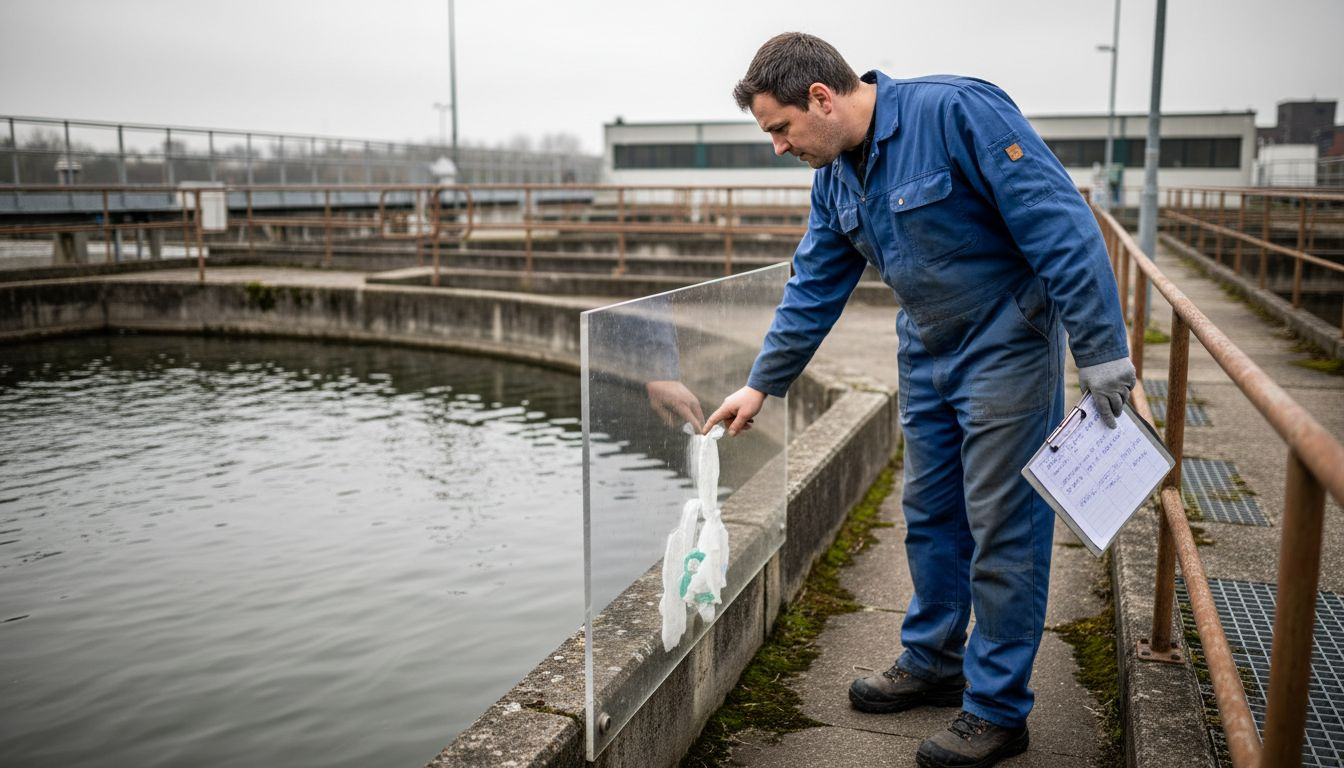
Biodegradable alternatives reduce strain on these systems significantly. You’re contributing to cleaner water reaching treatment plants rather than creating blockages that require emergency maintenance.
The choice connects to values you already hold—protecting green spaces your children explore, reducing unnecessary chemicals around your home, and choosing products that actually break down.
Pro tip: Start by replacing your highest-use wipes (like bathroom and kitchen surfaces) with eco-friendly versions, then expand gradually—this makes the transition easier and more affordable whilst building your family’s sustainable habits.
Types and Compostability: What to Know
Not all eco-friendly wipes are created equal. Understanding the differences between types helps you make choices that truly match your environmental values and household needs.
The main distinction comes down to what they’re made from and whether they actually break down. Synthetic fibre wipes versus natural or regenerated fibre wipes represent fundamentally different approaches to cleaning.
Two Distinct Categories
Synthetic fibre wipes use polyester or polypropylene—the same plastics found in regular disposable wipes. These don’t biodegrade and shouldn’t be marketed as eco-friendly, yet some brands blur this line.
Natural and regenerated fibre wipes form the genuinely sustainable category. These use materials like viscose, lyocell, cotton, flax, and hemp sourced from sustainable forestry.
The difference matters because synthetic wipes end up in landfills unchanged for centuries. Natural fibres actually return to soil.
Common fibre types in eco-friendly wipes:
- Lyocell — soft, strong, produced using closed-loop systems
- Viscose — absorbent, derived from wood pulp sustainably processed
- Flax and hemp — durable natural fibres from renewable crops
- Cotton — if organically grown, a biodegradable choice
What Compostability Actually Means
Compostability isn’t marketing jargon—it’s a measurable characteristic. Wipes made from natural or regenerated fibres are genuinely compostable with proper conditions, breaking down completely without harmful residues.
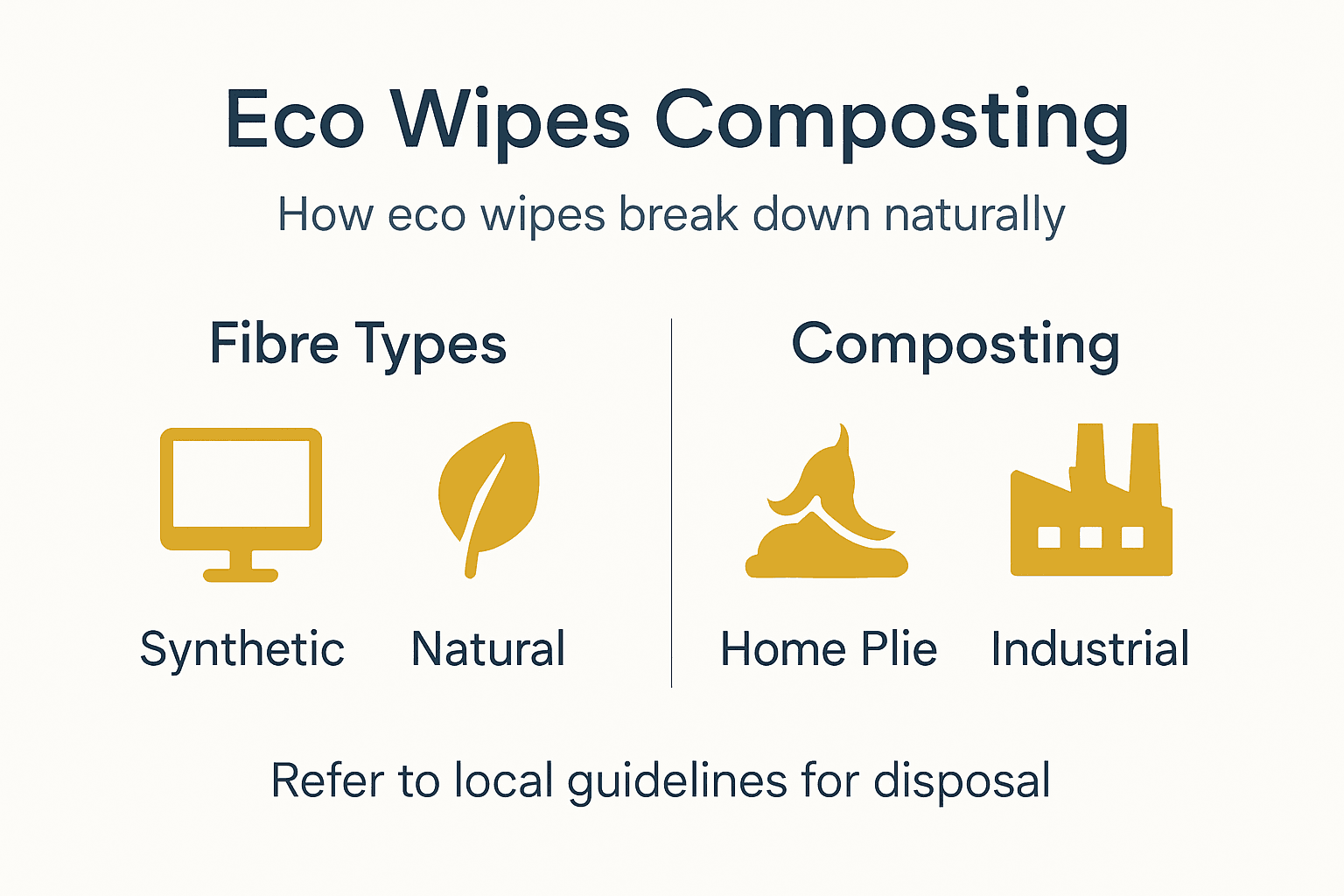
Your garden compost pile or your municipality’s industrial composting facility can handle these materials. The bonding method matters too—wipes using water or natural adhesives compost properly, whilst those with synthetic glues resist breakdown.
Timing varies. Most biodegradable wipes disintegrate within weeks to months depending on composting conditions. Industrial facilities work faster than home compost bins.
The table below outlines the compostability of typical eco-friendly wipe fibres:
| Fibre Type | Home Compostable | Industrial Compostable | Typical Decomposition Time |
|---|---|---|---|
| Lyocell | Occasionally | Common | 2-8 weeks |
| Viscose | Occasionally | Common | 4-12 weeks |
| Cotton | Yes (if organic) | Yes | 2-6 weeks |
| Flax & Hemp | Yes | Yes | 3-10 weeks |
Home Versus Industrial Composting
Home composting works for some wipes but not all. Before adding them to your garden, check if the manufacturer specifically states “home compostable.” Industrial certification is more reliable—look for certifications like DIN EN 13432 or similar European standards.
Industrial facilities reach higher temperatures and optimal moisture levels that guarantee complete breakdown. If your local waste service accepts compostable wipes in green bins, that’s your safest bet.
Composting wipes at home works beautifully when conditions are right—the key is knowing which wipes your setup can handle.
The Durability Question
You might assume natural fibre wipes feel flimsy. They don’t. Natural fibre wipes offer physical durability comparable to synthetic versions whilst being fully biodegradable and skin-friendly.
Manufacturers have optimised bonding techniques so these wipes clean tough surfaces effectively. Your kitchen and bathroom won’t suffer any performance loss.
Many are also reusable if you prefer washing and rewashing microfibre cloths instead. This adds another layer of sustainability beyond compostability.
Pro tip: Check the manufacturer’s label for specific composting instructions before buying—home versus industrial makes a real difference, and knowing which applies to your household guides better purchasing decisions.
How Eco Wipes Work in Daily Life
Eco wipes aren’t magic—they’re practical tools that fit seamlessly into your existing cleaning routine whilst reducing environmental harm. Understanding how they work helps you use them effectively.
Eco wipes function as convenient cleaning aids combining nonwoven fibres with cleaning solutions designed for specific tasks. They work exactly like conventional wipes: you grab one, wipe a surface, and dispose of it. The difference lies in what happens next.
Daily Uses Around Your Home
Eco wipes handle virtually every cleaning task traditional wipes manage. Think about where you currently use disposable wipes in your home.
Common daily applications:
- Kitchen surfaces and spills (worktops, dining table, handles)
- Bathroom cleaning (mirrors, counters, toilet seats)
- Child hygiene (hands, faces after outdoor play)
- Pet cleanup and quick floor spots
- Electronics and screens (with appropriate moisture levels)
- High-touch areas during illness season
They’re ideal for busy families juggling school runs, work commitments, and maintaining a clean home. Grab a wipe, use it immediately, and move on.
How the Cleaning Action Works
The nonwoven fibre substrate creates the physical cleaning surface. These fibres trap dirt, bacteria, and spills whilst the incorporated cleaning solution breaks down grime.
The action is mechanical and chemical working together. Fibres lift particles whilst the solution dissolves sticky residues. This combination means eco wipes clean as effectively as synthetic versions despite being biodegradable.
Moisture content matters. A properly saturated wipe releases enough solution to clean tough spots without dripping everywhere. This balance is why quality matters—cheap eco wipes might feel dry and ineffective.
The best eco wipes clean powerfully whilst composting completely, proving sustainability doesn’t mean sacrificing performance.
Environmental Benefits You Create
Each wipe you use represents a choice. Biodegradable and compostable eco wipes reduce plastic waste and chemical pollution compared to conventional disposable wipes.
Where conventional wipes persist in landfills for decades, eco wipes break down naturally. They don’t shed microplastics into waterways. They don’t require petroleum-based materials extracted from the Earth.
Your children notice these choices. Teaching them that convenience doesn’t demand environmental destruction shapes how they approach consumption throughout life.
Integration Into Routines
Swapping to eco wipes requires minimal behaviour change. You don’t need new routines—just different wipes. Morning bathroom cleanup? Eco wipes work. Quick kitchen tidy before guests arrive? Eco wipes handle it. Wiping your child’s hands after outdoor nature exploration? Perfect use case.
Keep them accessible where you currently keep conventional wipes. Stock them alongside other cleaning supplies. The convenience factor remains identical; only the environmental impact changes.
Pro tip: Start by replacing wipes in your highest-use location (usually the kitchen or bathroom), then gradually transition other areas—this spreads costs and helps you find brands that genuinely work for your household preferences.
Hidden Costs and Risks Compared to Alternatives
Not every product marketed as eco-friendly delivers genuine environmental benefit. Some so-called green wipes hide significant costs and risks that savvy consumers need to understand.
The uncomfortable truth: some biodegradable wipes persist in the environment for weeks, breaking down into microfibers that pollute waterways. Misleading labels convince you to dispose of them “safely” whilst they cause the same damage as conventional wipes.
The Labelling Problem
Greenwashing affects the wipes industry heavily. Brands slap “biodegradable” labels on products containing rayon or viscose fibres that don’t actually break down quickly. These materials persist for weeks in waterways, fragmenting into microfibers harmful to aquatic life.
Consumers assume “biodegradable” means safe to flush. Manufacturers know this assumption drives purchases. The result? Sewer blockages, water treatment facility strain, and environmental damage marketed as progress.
Always check specific fibre content and certifications. “Biodegradable” alone means nothing without independent verification like DIN EN 13432 standards.
Hidden Production Costs
Resource use during production and potential persistence of some biodegradable fibres undermine apparent sustainability claims. Every wipe requires water, energy, and raw materials to manufacture.
Disposable wipes—even eco-friendly ones—generate waste continuously. You buy them weekly, use them once, discard them. Compare this to reusable cloths you wash and reuse hundreds of times.
Production costs include:
- Water consumption during manufacturing
- Energy for processing and packaging
- Transportation emissions to retailers
- Plastic packaging containing the wipes themselves
Chemical Risks You Should Know About
Chemical additives in some wipes can cause skin irritation and toxicological effects, especially for sensitive skin and young children. Eco-friendly doesn’t automatically mean safe.
Some brands still use fragrances, preservatives, and moisturisers that irritate skin or disrupt aquatic ecosystems. Your child’s skin sensitivity might worsen with certain “natural” ingredients.
Read ingredient lists as carefully as you read marketing claims. Natural ingredients aren’t automatically safe—they’re just marketed differently.
Truly sustainable cleaning means questioning every product choice, not just swapping one disposable for another marketed differently.
Reusable Alternatives Often Win
Reusable microfibre cloths or washable cotton wipes eliminate many hidden costs. You invest upfront, then use them indefinitely. No weekly purchases. No packaging waste. No misleading labels.
They handle identical tasks: kitchen spills, bathroom cleaning, child hygiene. You simply rinse, wash, and reuse. The environmental impact drops dramatically compared to any disposable option.
This doesn’t mean eco wipes have no place. For parents managing three children, work deadlines, and genuine chaos, disposable convenience sometimes wins over perfection. Choose consciously rather than assuming all eco products deliver equal benefit.
Pro tip: Look for wipes certified by independent standards (like OK Compost Home or DIN EN 13432), check fibre content specifically, and consider rotating eco wipes with reusable cloths depending on the cleaning task and your time availability.
Fostering Kids’ Connection With Nature
Your household cleaning choices teach your children powerful lessons about environmental responsibility. Every time you reach for an eco-friendly wipe, you’re demonstrating that convenience doesn’t demand destruction.
Children learn through observation and participation. When they see you choosing sustainable products, they absorb the message that individual choices matter. Promoting eco-friendly products among children serves as an introduction to broader sustainability concepts, making everyday cleaning a teaching moment.
Making Cleaning a Learning Opportunity
Transform mundane household tasks into nature education. Explain why you’re using biodegradable wipes instead of conventional ones. Let your children handle the wipes occasionally during supervised cleaning.
Use simple language they understand: “These wipes break down into soil, feeding plants. Regular wipes stay in the ground for hundreds of years.” Young minds grasp this immediately.
Turning cleaning into conversation creates connection:
- Discuss where water goes after draining from surfaces
- Explain how microplastics harm fish they might see in streams
- Show them compost bins and how wipes become soil
- Connect their actions to real environmental outcomes
Building Mindful Consumption Habits
Educational approaches integrating product choice with discussions about resource conservation help children develop a mindful relationship with nature. This isn’t lecturing—it’s showing.
When children understand that biodegradable wipes exist because conventional ones cause problems, they begin questioning other products. Why does this item come in plastic? Could we use something reusable instead? These questions signal developing environmental consciousness.
Your choices become their default. Children raised selecting sustainable options naturally seek them as adults, creating generational change.
Connecting Product Choices to Real Nature
After using biodegradable wipes, show your children where they end up. If your household composts, involve them in the composting process. They’ll see wipes genuinely break down—making sustainability concrete rather than abstract.
Take nature walks near local waterways. Point out aquatic life. Explain that conventional wipes harm these creatures. The connection between household choices and living ecosystems becomes visceral.
Children who understand resource conservation and environmental health develop lifelong habits supporting environmental protection and conscious consumerism.
Teaching children that their household choices ripple outward creates environmental advocates who see nature as worth protecting.
The Zoofamily Mission Alignment
Your commitment to eco-friendly wipes aligns perfectly with fostering children’s genuine interest in nature. Products matter less than the conversation surrounding them. When you choose sustainable options intentionally, your children notice.
This builds the foundation for lifelong environmental stewardship. They’ll explore forests, waterways, and wildlife not as passive observers but as protectors aware of their choices’ impact.
Pro tip: During your next nature walk, point out specific environmental impacts your household choices prevent—decomposing leaves show how biodegradable materials return to soil, connecting your home practices to the living world your children explore.
Choose Eco-Friendly Actions That Inspire a Better Future
The challenge of reducing plastic waste and protecting European waterways starts at home with simple daily choices like switching to biodegradable cleaning wipes. If you value genuine sustainability and want to teach your children the power of conscious consumption, The Zoofamily shares your mission. We know that true eco-friendly solutions combine effective performance, environmental responsibility, and a desire to restore natural beauty for the next generation.
Explore our range of thoughtfully designed products that encourage children to connect with nature while promoting greener habits. By choosing The Zoofamily, you support initiatives that plant a tree for every camera sold and nurture a world where eco-consciousness thrives. Start your family’s journey toward mindful living today by visiting our homepage and discover how small actions create lasting impact.
Frequently Asked Questions
What are eco-friendly cleaning wipes?
Eco-friendly cleaning wipes are a sustainable alternative to traditional disposable wipes, made from natural and regenerated fibres instead of synthetic materials. They are biodegradable and often flushable, minimising environmental impact.
How do eco-friendly wipes compare to traditional wipes in terms of environmental impact?
Eco-friendly wipes break down naturally within weeks to months and do not release microplastics into waterways, while traditional wipes can take decades to decompose and often contribute to plastic pollution in the environment.
Are eco-friendly cleaning wipes effective for everyday cleaning tasks?
Yes, eco-friendly cleaning wipes are designed to clean effectively, just like conventional wipes. They combine nonwoven fibres with cleaning solutions to tackle grime and dirt on various surfaces throughout your home.
How can I ensure that the eco-friendly wipes I choose are genuinely sustainable?
Look for wipes made from natural or regenerated fibres and check for certifications such as DIN EN 13432, which guarantee compostability and environmental safety. Avoid products labelled as biodegradable that contain synthetic materials.
Recommended
- Eco Friendly Cleaning Tips For Busy European Mums – The Zoofamily
- Understanding Eco Friendly Mops: A Greener Choice – The Zoofamily
- Understanding Eco Friendly Glass Cleaner for Smudge-Free Shine – The Zoofamily
- Understanding Eco Friendly Mops: A Greener Choice – The Zoofamily
- Understanding Recycling Old Electronics for a Greener Tomorrow – buy2fix
- Spring Cleaning for Tabletop Gamers: Refresh Your Game Space! – 1985 Games