

Most british playgrounds still rely on traditional swings and slides, yet combining nature based features can lead to remarkable results. Studies show that children are over 40 percent more active in nature inspired spaces compared to standard playgrounds. This matters as families and schools seek better ways to nurture physical health, creativity, and lifelong curiosity outdoors. From immersive learning zones to sustainable materials, discover simple and effective strategies to reinvent british play environments for lasting impact.
Table of Contents
- Incorporate Nature-Inspired Play Zones
- Add Interactive Musical Instruments
- Create Animal-Themed Exploration Trails
- Design Spaces for Sensory Discovery
- Include Eco-Friendly and Recycled Materials
- Integrate Climbing and Balancing Challenges
- Set Up Spaces for Imaginative Role Play
Quick Summary
| Key Insight | Explanation |
|---|---|
| 1. Design Nature-Inspired Play Zones | Incorporate varied terrains and natural materials to boost children’s physical activity and environmental curiosity through immersive learning experiences. |
| 2. Integrate Interactive Musical Instruments | Use weather-resistant instruments that promote collaboration and creative expression, enhancing children’s auditory and motor skills while engaging them in play. |
| 3. Create Animal-Themed Exploration Trails | Develop trails with educational elements about local wildlife that inspire children to explore, learn about nature, and experience physical challenges creatively. |
| 4. Set Up Sensory Discovery Spaces | Craft environments with diverse textures and natural materials to enhance cognitive development and encourage children to engage with their surroundings actively. |
| 5. Use Eco-Friendly Materials | Incorporate recycled and sustainable materials in playground designs to teach children about environmental responsibility and engage them in experiential learning. |
1. Incorporate Nature-Inspired Play Zones
Transforming playgrounds into dynamic natural learning environments can revolutionise how children interact with their outdoor spaces. By strategically designing play zones that integrate elements from the natural world, parents and educators can create immersive experiences that stimulate physical development and environmental curiosity.
Research demonstrates that outdoor spaces featuring diverse natural elements dramatically enhance children’s physical activity and sensory engagement. Nature-inspired play environments support children’s participation, creativity, and autonomy, allowing them to explore and learn through imaginative interactions with their surroundings.
Key Design Elements for Nature-Inspired Zones:
- Terrain Variety: Create gentle slopes, small mounds, and varied ground textures
- Natural Materials: Incorporate logs, stones, sand, and wooden platforms
- Living Elements: Include plants, small gardens, and sensory vegetation zones
- Wildlife Interaction Areas: Design spaces that encourage observation of insects, birds, and small creatures
These zones encourage children to move differently compared to traditional playgrounds. They must balance, climb, jump, and navigate uneven surfaces that naturally develop core strength, spatial awareness, and motor skills. By mimicking natural landscapes, children learn to assess risk, problem solve, and develop resilience through physical challenges.
Practical Implementation Tips:
- Start with a small dedicated area in your garden or local playground
- Use locally sourced materials to create authentic natural experiences
- Involve children in designing and maintaining these spaces
- Rotate and refresh elements periodically to maintain engagement
The goal is not a perfectly manicured space but a dynamic, evolving environment that grows and changes with children’s interactions. Research from environmental studies confirms that such nature-connected play zones significantly improve children’s physical activity levels, making learning an exciting, multisensory adventure.
2. Add Interactive Musical Instruments
Turning outdoor playgrounds into sonic exploration zones can transform learning experiences for children, blending physical activity with musical creativity. Interactive musical instruments offer a unique opportunity to engage children in sensory rich play that stimulates cognitive and motor skill development.
Interactive musical technologies demonstrate remarkable potential for collaborative music making, enabling children to create sounds and rhythms through intuitive physical interactions. These musical play elements go beyond traditional instruments by encouraging spontaneous creativity and collective exploration.
Benefits of Interactive Musical Playground Instruments:
- Develop auditory processing skills
- Enhance motor coordination
- Promote social collaboration
- Introduce basic musical concepts
- Encourage creative expression
Consider incorporating weather resistant instruments like outdoor xylophones, drum stations, and wind chimes that can withstand different environmental conditions. These instruments should be sturdy, safe, and designed to produce clear, pleasant sounds that motivate children to experiment.
Strategic Instrument Placement:
- Position instruments at varying heights to accommodate different age groups
- Create small clusters that encourage group interaction
- Select instruments with different sound qualities
- Ensure instruments are securely mounted
Digital musical technologies demonstrate how gesture based interactions can enhance musical skill development, suggesting that interactive instruments can be powerful educational tools. By transforming playgrounds into musical landscapes, you invite children to learn through joyful, multisensory experiences that blend physical play with artistic exploration.
3. Create Animal-Themed Exploration Trails
Transforming playgrounds into immersive animal discovery routes offers children a magical journey of learning and exploration. These themed trails combine physical activity with wildlife education, turning outdoor spaces into interactive natural classrooms.
Outdoor recreational activities significantly improve children’s psychological well-being and environmental awareness, making animal themed exploration trails an exceptional educational strategy. Thematic design elements like animal motifs enhance children’s engagement and support cognitive development, creating multisensory learning experiences.
Trail Design Components:
- Informative animal silhouette markers
- Tracking and footprint identification stations
- Sound stations mimicking animal calls
- Interactive wildlife information points
- Physical challenges inspired by animal movements
Creating Engaging Trails:
- Select local wildlife representative of your region
- Design trail segments with varying difficulty levels
- Include educational signage with age appropriate information
- Incorporate sensory elements like textured surfaces
- Create opportunities for imaginative play
Children can transform into explorers tracking different animal habitats, learning about wildlife behaviour while developing physical coordination and observational skills. The trails become living classrooms where movement and learning intertwine seamlessly.
Implementation Strategies:
- Use durable, weather resistant materials
- Ensure trail safety with smooth surfaces
- Regularly update trail content to maintain interest
- Encourage parent and child collaborative exploration
These animal themed trails offer more than physical exercise. They spark curiosity, develop empathy towards wildlife, and create memorable outdoor learning experiences that connect children with the natural world.
4. Design Spaces for Sensory Discovery
Transforming outdoor play areas into rich sensory landscapes provides children with extraordinary opportunities for holistic learning and exploration. Child-friendly outdoor environments designed with sensory-rich elements dramatically promote cognitive and motor skill development, creating immersive experiences that engage multiple senses simultaneously.
Sensory Exploration Elements:
- Tactile surfaces with varying textures
- Natural materials like sand, wood, and stones
- Temperature differential zones
- Surfaces with different friction levels
- Areas with soft and firm ground
Incorporating diverse sensory materials stimulates children’s developmental processes and encourages natural exploration, helping them understand environmental interactions through direct experience. These carefully crafted spaces transform learning from passive observation to active engagement.
Design Strategies:
- Create multilayered sensory zones
- Use sustainable and safe natural materials
- Ensure diversity in textural experiences
- Allow for seasonal environmental changes
- Provide supervised yet open exploration opportunities
Recommended Sensory Zones:
- Barefoot walking paths with mixed surface materials
- Water interaction stations
- Textured climbing structures
- Grass and pebble combination areas
- Herb and plant touching gardens
By deliberately designing playgrounds that invite sensory discovery, you create environments where children can learn through touching, feeling, and experiencing the world around them. These spaces become living classrooms that spark curiosity and support natural learning processes.
5. Include Eco-Friendly and Recycled Materials
Transforming playgrounds into sustainable learning environments offers an extraordinary opportunity to teach children about environmental responsibility through direct experience. Designing play spaces with recycled and eco-friendly materials supports critical environmental education and promotes ecological awareness, creating immersive learning experiences that go far beyond traditional play structures.
Sustainable Material Options:
- Recycled plastic play equipment
- Reclaimed timber structures
- Rubber surfaces from recycled tyres
- Natural wooden platforms
- Repurposed metal climbing frames
- Bamboo play elements
- Locally sourced stone features
Utilising eco-friendly materials in outdoor play areas directly fosters children’s connection to nature and environmental stewardship, transforming playgrounds into interactive classrooms that teach sustainability through tangible experiences.
Implementation Strategies:
- Source materials from local recycling centres
- Prioritise durable and safe recycled products
- Involve children in material selection process
- Create visual information boards explaining material origins
- Rotate and refresh materials periodically
Educational Opportunities:
- Demonstrate circular economy principles
- Reduce environmental waste
- Teach resource conservation
- Encourage creative reimagining of materials
By thoughtfully integrating recycled and sustainable materials, playgrounds become powerful educational tools that inspire environmental consciousness and demonstrate practical ecological solutions.
6. Integrate Climbing and Balancing Challenges
Climbing and balancing elements transform ordinary playgrounds into dynamic spaces of physical learning and development. Play spaces designed with strategic climbing and balancing challenges directly support children’s motor skill progression, creating environments that naturally encourage strength, coordination, and spatial awareness.
Key Physical Development Benefits:
- Improves core muscle strength
- Enhances spatial coordination
- Builds confidence through physical mastery
- Develops risk assessment skills
- Supports neurological motor planning
- Increases proprioceptive awareness
- Promotes problem solving through movement
Incorporating varied landforms and topographical challenges provides natural opportunities for climbing and balance training, allowing children to engage with their environment in meaningful physical ways.
Challenge Zone Design Elements:
- Create graduated difficulty levels
- Use natural materials like logs and stones
- Include textured climbing surfaces
- Design uneven terrain paths
- Install soft landing zones
Safety and Learning Considerations:
- Supervise children during challenging activities
- Rotate and refresh challenge elements periodically
- Encourage collaborative problem solving
- Allow children to assess and manage personal risk
By thoughtfully integrating climbing and balancing challenges, playgrounds become more than recreational spaces they transform into dynamic learning environments that support holistic physical and cognitive development.
7. Set Up Spaces for Imaginative Role Play
Imagination transforms playgrounds from simple physical spaces into extraordinary worlds of learning and discovery. Nature kindergartens demonstrate how carefully designed environments can encourage children to create complex narratives and explore diverse roles, supporting critical cognitive and social development through creative play.
Role Play Zone Elements:
- Flexible costume and prop storage
- Multipurpose natural scenery zones
- Open ended play structures
- Themed landscape areas
- Moveable lightweight play elements
- Story creation stations
- Natural material transformation spaces
Outdoor play spaces designed to facilitate imaginative scenarios support children’s ability to explore complex social interactions and cognitive challenges, making role play a powerful learning mechanism.
Strategic Design Approaches:
- Create adaptable physical environments
- Provide diverse contextual props
- Allow unstructured exploration time
- Rotate themes periodically
- Include natural and artificial scenery elements
Learning Opportunities:
- Develop emotional intelligence
- Practice communication skills
- Understand social dynamics
- Build narrative thinking
- Enhance problem solving abilities
By thoughtfully curating spaces that invite imagination, playgrounds become transformative environments where children can explore identities, scenarios, and complex social interactions through creative play.
Below is a comprehensive table summarising the nature-inspired play zone ideas discussed in the article, highlighting key elements and implementation strategies.
| Topic | Key Elements/Strategies | Benefits/Outcomes |
|---|---|---|
| Nature-Inspired Play Zones | Terrain variety, natural materials, living elements, wildlife interaction areas | Enhances physical development, stimulates curiosity, promotes resilience |
| Interactive Musical Instruments | Outdoor xylophones, drum stations, wind chimes, strategic placement | Develops auditory skills, enhances motor coordination, promotes social interaction |
| Animal-Themed Exploration Trails | Animal markers, wildlife sound stations, physical challenges | Improves psychological well-being, boosts environmental awareness, sparks curiosity |
| Sensory Discovery Spaces | Tactile surfaces, natural materials, temperature zones | Promotes cognitive and motor development, encourages exploration |
| Eco-Friendly Materials | Recycled play equipment, reclaimed timber, rubber surfaces | Fosters environmental responsibility, teaches sustainability |
| Climbing and Balancing Challenges | Natural materials, textured climbing surfaces, uneven terrain | Boosts strength, improves coordination, develops risk assessment skills |
| Imaginative Role Play Zones | Flexible props, multipurpose zones, story stations | Enhances emotional intelligence, fosters communication skills, encourages creativity |
Ignite Outdoor Learning with The Zoofamily’s Nature-Inspired Tools
The article highlights the challenge of creating engaging playgrounds that spark imagination, physical activity, and environmental curiosity among children. Key pain points include designing spaces that foster sensory discovery, encourage animal-themed exploration, and integrate sustainable materials to nurture a deep connection with nature. Concepts like nature-inspired zones, interactive learning through sensory play, and eco-friendly approaches align perfectly with The Zoofamily’s mission to connect children creatively with the planet through playful discovery.
Discover how you can enhance outdoor learning experiences with The Zoofamily’s unique kids’ cameras, walkie-talkies, and binoculars designed to promote hands-on exploration and environmental empathy. These tools are crafted with animal references to inspire curiosity and respect for natural beauty while supporting physical and cognitive development outlined in the playground ideas. Your purchase plants a tree to help restore the planet, making every adventure meaningful.
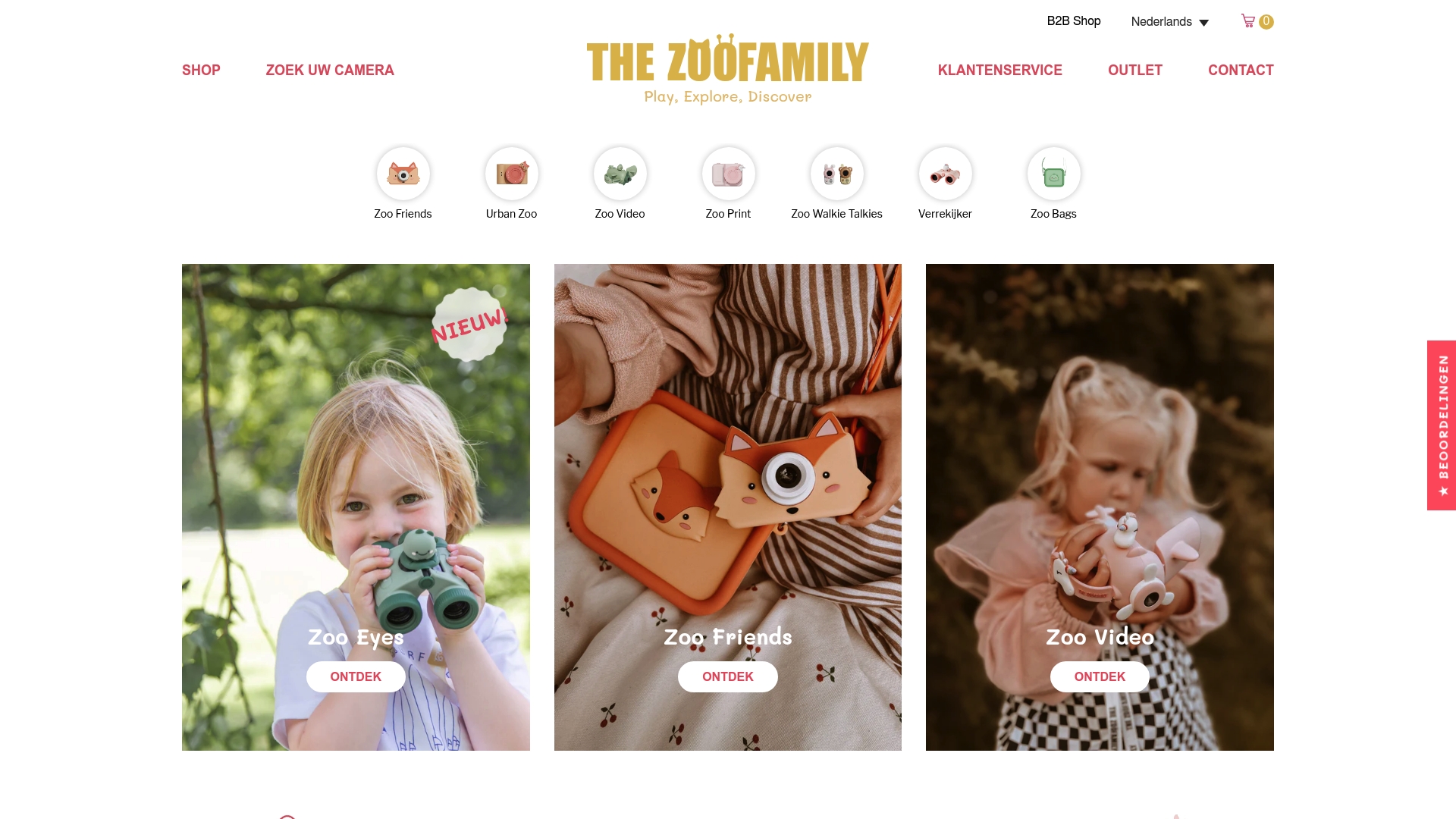
Explore our full range of nature-based educational gadgets today at The Zoofamily. Equip young explorers with the perfect tools to elevate their imaginative play and sensory discovery outdoors. Act now to foster a lifelong bond with nature and join us in planting a better world for future generations.
Frequently Asked Questions
What are nature-inspired play zones and how can they benefit my child’s learning?
Nature-inspired play zones incorporate natural elements like logs, stones, and plants into playground design. They foster physical activity and encourage environmental curiosity, allowing children to explore and learn through imaginative play. To create your own nature-inspired zone, start with a small area in your garden, integrating various natural materials and textures.
How can I add interactive musical instruments to a playground?
Interactive musical instruments, such as outdoor xylophones and drums, enhance children’s musical creativity while promoting physical activity. Position instruments at varying heights and in clusters to encourage group interaction. Aim to set up at least three different types of instruments in your playground to create a harmonious learning environment.
What components should I include in animal-themed exploration trails?
Animal-themed exploration trails can include informative animal silhouette markers, tracking stations, and sound areas mimicking animal calls. Combining these elements creates an engaging journey for children to learn about local wildlife while developing physical coordination. Design at least three distinct segments within your trail to provide varied learning experiences.
How do I create effective sensory discovery spaces in a playground?
To create sensory discovery spaces, incorporate tactile surfaces, natural materials, and temperature differential zones. Ensure there is a variety of textures for children to explore, such as sand, grass, and wood. Aim to set up at least five different sensory zones to enrich children’s sensory experiences.
What materials are suitable for eco-friendly playgrounds?
Eco-friendly playgrounds can use materials like recycled plastic, reclaimed timber, and rubber from recycled tyres. By integrating sustainable materials, you promote environmental education and responsibility among children. Start by sourcing at least three types of eco-friendly materials for your playground to build educational connections with nature.
How can I incorporate climbing and balancing challenges effectively?
Incorporate climbing and balancing challenges using natural materials like logs and stones, while ensuring a range of difficulty levels. These challenges help improve core strength and spatial awareness. Design at least three different climbing and balancing elements that allow children to test their skills safely.