

Over 85 percent of urban British parents say they wish their children spent more time outdoors connecting with nature. With city living making wild spaces harder to reach, eco-conscious mothers across European capitals are rethinking how to nurture a love for the environment at home. Discover creative ideas that support both sustainability and joyful learning, offering innovative ways to bring nature play and meaningful experiences to your child’s everyday routine.
Table of Contents
- Nature Play In Parenting Explained
- Types Of Nature Play For Urban Families
- Benefits For Child Development And Wellbeing
- Practical Strategies For City Environments
- Common Risks And How To Avoid Them
- Tools And Products For Meaningful Play
Key Takeaways
| Point | Details |
|---|---|
| Holistic Development Through Nature Play | Unstructured outdoor experiences significantly enhance children’s problem-solving skills, creativity, and emotional regulation. |
| Urban Nature Play Strategies | Innovative methods like container gardening and wildlife observation can cultivate children’s ecological awareness despite urban limitations. |
| Psychological Benefits | Regular nature play reduces stress and enhances overall wellbeing, supporting children’s confidence and emotional resilience. |
| Safe Exploration | Parents should balance risk with safety, allowing children to explore their environment while managing potential hazards. |
Nature Play in Parenting Explained
Nature play represents a transformative approach to child rearing, where unstructured outdoor experiences become powerful learning environments. By allowing children to interact directly with natural elements, parents create opportunities for holistic development that extend far beyond traditional play methods. Risky outdoor nature play experiences foster critical developmental skills including problem solving, creativity, physical activity, and independence.
This child-led approach enables youngsters to explore their environment through sensory engagement, discovering the intricate relationships between themselves and the natural world. Research indicates that such unstructured interactions help children develop emotional regulation skills, build confidence, and cultivate a deeper understanding of environmental sustainability. Children learn by touching soil, observing insects, climbing trees, and experiencing natural textures and challenges firsthand.
Successful nature play requires supportive adult perspectives that balance safety with exploration. Parents must create environments where children can take reasonable risks, make discoveries, and develop resilience. This means stepping back and allowing children to lead their own play, providing guidance when necessary but avoiding excessive intervention. Understanding that every puddle splash, leaf collection, and tree climbing attempt represents a valuable learning moment is crucial.
Pro tip: Start small by dedicating just 30 minutes each week to unstructured outdoor exploration, gradually increasing time as your child becomes more comfortable and confident in natural settings.
Types of Nature Play for Urban Families
Urban families face unique challenges in connecting children with natural environments, but innovative nature play approaches offer creative solutions for nurturing ecological awareness. Sensory play emerges as a foundational type of nature interaction, allowing children to engage with natural materials like soil, leaves, stones, and water even within limited urban spaces. These tactile experiences help youngsters develop a profound connection with their environment, transforming small balconies, community gardens, and local parks into rich learning landscapes.
Urban nature play strategies encompass diverse engagement methods that suit different family contexts. Families can explore nature through structured activities like community garden participation, improvised outdoor classrooms, nature storytelling sessions, and creating small home-based nature exploration zones. These approaches help children develop critical skills such as observation, curiosity, and environmental understanding, despite living in dense urban settings.
Some compelling nature play types for urban families include container gardening, wildlife observation in local parks, collecting and studying natural objects, creating nature-inspired art, and participating in urban ecology programmes. These activities not only provide direct environmental engagement but also help children understand ecological systems, biodiversity, and their role in environmental stewardship. By transforming everyday urban spaces into opportunities for discovery, parents can help children build meaningful connections with the natural world.
To help urban parents select the most appropriate nature play activity, here is a comparison of key approaches:
| Nature Play Type | Space Needed | Main Benefit | Ideal Urban Location |
|---|---|---|---|
| Container gardening | Very limited | Teaches plant care | Balcony or windowsill |
| Wildlife observation | Small to moderate | Builds observation skills | Local parks, gardens |
| Nature-inspired art | Minimal | Encourages creativity | Indoors or outdoors |
| Community garden projects | Moderate to large | Fosters social connection | Shared green spaces |
| Urban ecology programmes | Variable | Deepens environmental understanding | Community centres |
Pro tip: Transform a small balcony or windowsill into a mini ecosystem by creating a container garden with child-friendly plants that encourage hands-on learning and observation.
Benefits for Child Development and Wellbeing
Systematic research on nature play reveals profound developmental advantages for children engaging with natural environments. Cognitive development emerges as a primary benefit, with children demonstrating enhanced learning capabilities through sensory-rich interactions with nature. These experiences stimulate neural pathways, promoting more complex problem-solving skills, improved attention spans, and increased creativity beyond traditional indoor learning environments.
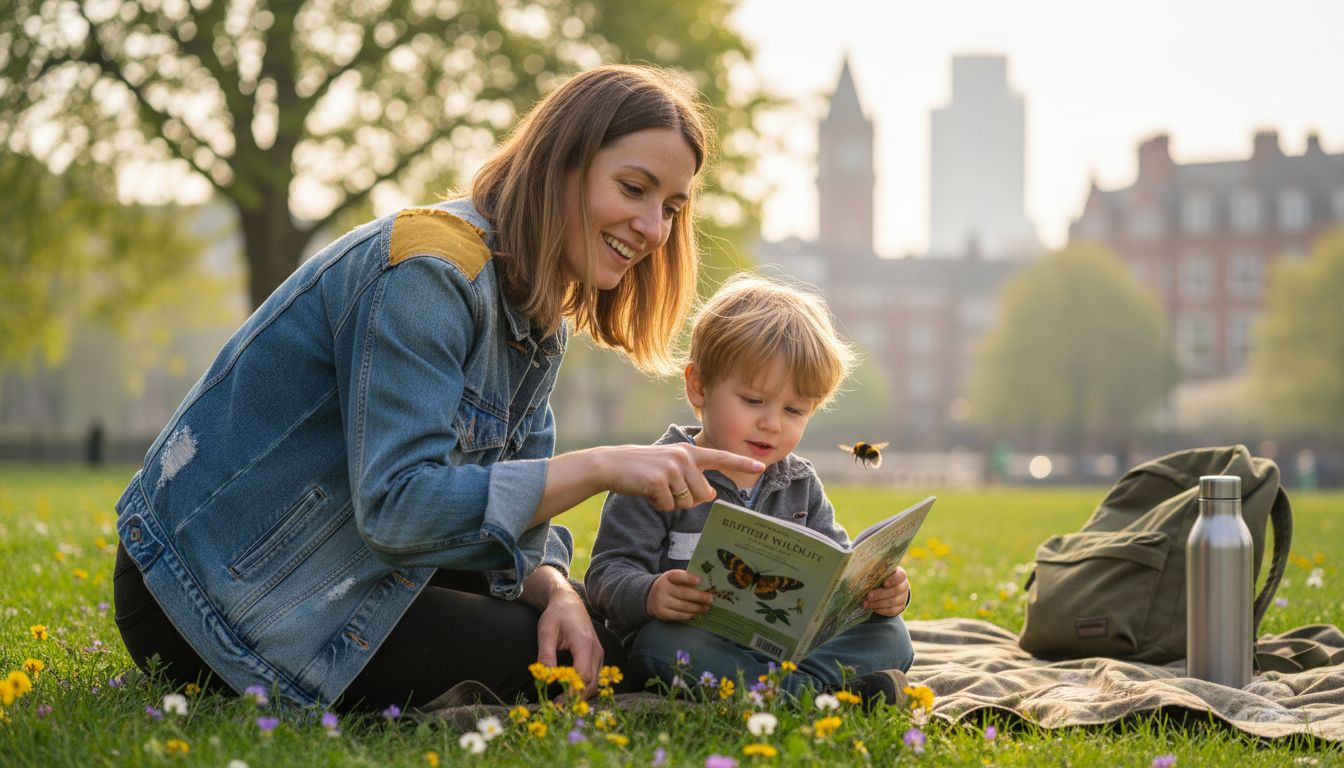
Physical and social-emotional development represent another critical dimension of nature play. Children participating in outdoor activities show remarkable improvements in motor skills, balance, and coordination. Research exploring children’s interactions with biodiversity indicates that direct engagement with natural settings supports sensory integration, physical strength, and emotional resilience. Importantly, these interactions help children develop empathy, communication skills, and a deeper understanding of ecological interconnectedness.
Nature play offers unique psychological benefits that traditional play environments cannot replicate. Children experiencing regular outdoor interactions demonstrate lower stress levels, improved emotional regulation, and enhanced overall wellbeing. The unstructured, dynamic nature of outdoor play allows youngsters to explore, take calculated risks, and develop self-confidence. By encouraging children to interact with natural elements, parents can support holistic development that nurtures physical, cognitive, and emotional growth simultaneously.
The following table summarises the distinct benefits of nature play on child development dimensions:
| Developmental Area | Nature Play Contribution | Lasting Outcome |
|---|---|---|
| Cognitive | Enhances problem solving, attention | Improved academic abilities |
| Physical | Boosts strength and coordination | Greater motor skill mastery |
| Social-emotional | Nurtures empathy, resilience | Better emotional wellbeing |
| Environmental awareness | Deepens connection with nature | Lifelong sustainability focus |
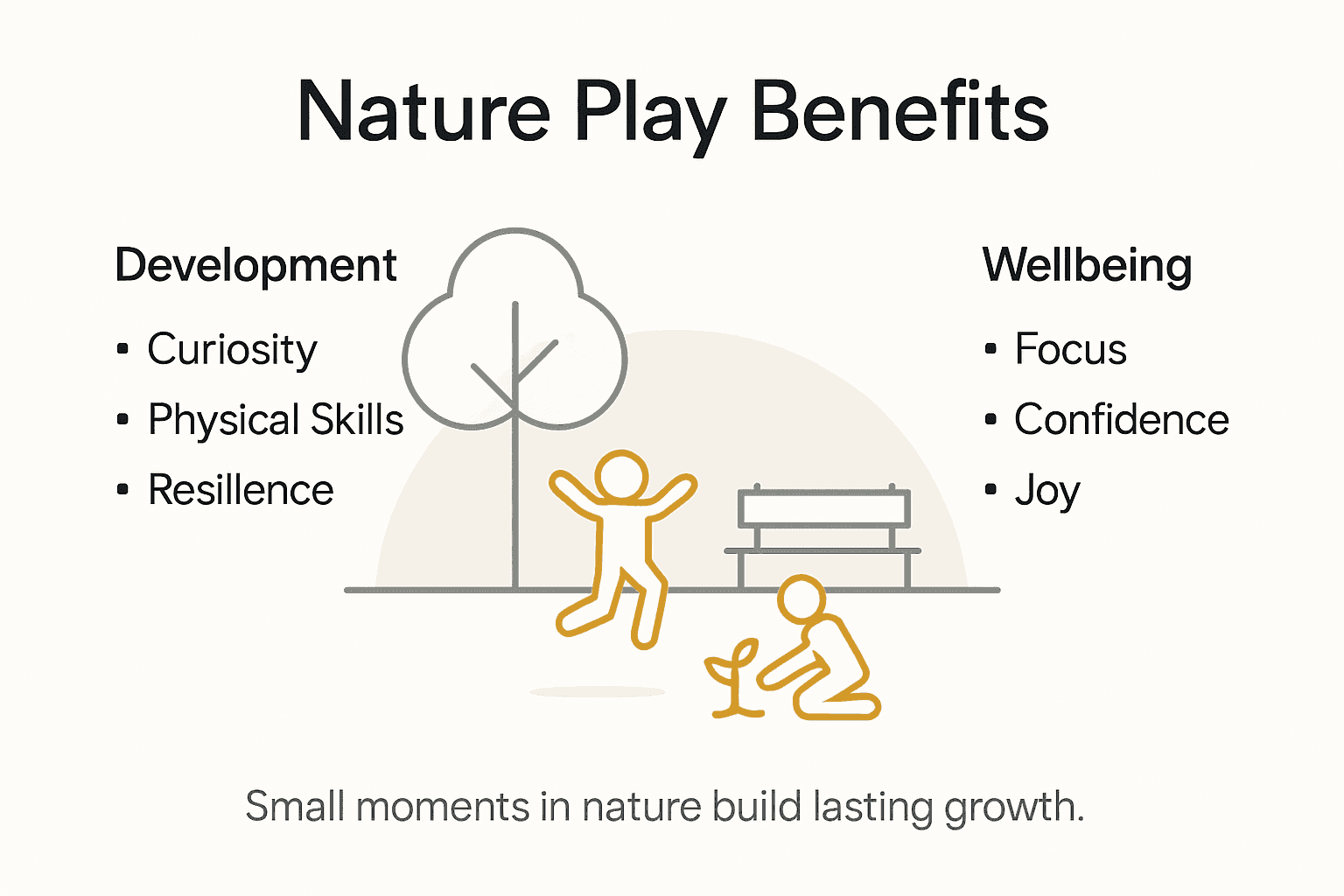
Pro tip: Create a weekly nature journal with your child, documenting observations, drawings, and discoveries during outdoor play to enhance learning and connection.
Practical Strategies for City Environments
Urban neighborhood design strategies reveal innovative approaches for transforming city spaces into rich nature play environments. Multifunctional spaces are key to maximising limited urban areas, allowing parents to create flexible outdoor learning zones that adapt to children’s changing play needs. Balconies, rooftop gardens, community parks, and even small courtyard spaces can be reimagined as vibrant nature exploration territories with thoughtful design and creative interventions.
Effective urban early childhood nature programmes emphasise the importance of integrating natural elements into existing city infrastructure. This might involve transforming concrete playgrounds with portable planters, creating sensory garden corners, introducing native plant species, and designing interactive landscape features that invite children to touch, explore, and interact with natural materials. Community gardens, shared green spaces, and collaborative neighbourhood initiatives can provide structured yet flexible environments for nature play.
Successful urban nature play requires strategic parental and community involvement. Families can collaborate with local authorities, schools, and neighbourhood associations to develop green spaces that prioritise children’s connection with nature. This might include advocating for more natural play areas, participating in community gardening projects, supporting local biodiversity initiatives, and creating informal nature exploration networks that share resources, knowledge, and opportunities for outdoor learning experiences.
Pro tip: Map out accessible green spaces within walking distance of your home, creating a personalised nature play route that transforms urban wanderings into exciting ecological discovery adventures.
Common Risks and How to Avoid Them
Outdoor risky play guidelines emphasise understanding the critical difference between constructive risks and dangerous hazards. Parents must learn to distinguish between situations that challenge children’s capabilities and those that genuinely compromise their safety. This nuanced approach involves creating environments that allow controlled exploration, where children can test their limits while maintaining appropriate protective boundaries.
Physical risks in nature play require careful assessment and proactive management. Safety recommendations from paediatric experts suggest developing a comprehensive risk management strategy that includes thorough environment scanning, teaching children situational awareness, and establishing clear behavioural guidelines. Key considerations include checking play areas for potential sharp objects, unstable surfaces, toxic plants, and ensuring appropriate supervision that allows children autonomy while maintaining a protective safety net.
Communication and education play pivotal roles in mitigating potential dangers during nature play. Parents should invest time in teaching children about potential risks, demonstrating safe exploration techniques, and helping them develop innate risk assessment skills. This involves explaining the difference between adventurous play and reckless behaviour, encouraging children to trust their instincts, and progressively building their confidence in managing increasingly complex outdoor environments.
Pro tip: Develop a simple risk assessment routine with your child, teaching them to scan their environment and identify potential challenges before engaging in play.
Tools and Products for Meaningful Play
Nature play educational tools represent more than simple toys, encompassing dynamic resources designed to stimulate holistic child development through intentional interaction with natural environments. Sensory exploration materials are particularly crucial, including loose parts like pinecones, stones, twigs, and other natural artifacts that encourage open-ended play and creative problem-solving. These tools transcend traditional manufactured toys by providing unstructured opportunities for children to engage directly with their surrounding ecosystem.
Effective nature play resources focus on multi-dimensional engagement, incorporating elements that challenge children’s physical, cognitive, and emotional capabilities. Research in early childhood education suggests that adaptive playground equipment, natural terrain variations, and interactive landscape features can transform ordinary outdoor spaces into rich learning environments. These tools support children’s innate curiosity, encourage risk-taking within safe boundaries, and promote independent exploration.
Parents seeking meaningful nature play tools should prioritise resources that invite imagination, support skill development, and connect children with environmental contexts. This might include magnifying glasses for insect observation, compact field guides, simple collection containers, sketchbooks for nature journaling, and lightweight, durable outdoor clothing that enables unrestricted movement and sensory engagement. The goal is creating experiences that feel like adventures, not structured learning sessions.
Pro tip: Create a dedicated ‘nature exploration kit’ containing versatile tools like magnifying glasses, small notebooks, collection bags, and child-safe field guides to spark spontaneous outdoor discovery.
Inspire Your Child’s Curiosity with The Zoofamily
Parenting through nature play invites families to embrace unstructured outdoor adventures that nurture creativity, resilience and a deep connection with the environment. As the article highlights, children benefit immensely when given sensory-rich opportunities to explore flora and fauna safely while developing problem-solving and emotional skills. However, urban settings pose challenges that require imaginative tools designed not only to engage children but also to support their journey towards becoming eco-conscious stewards.
At The Zoofamily, we understand these needs and have crafted exceptional nature-inspired cameras, walkie-talkies and binoculars that bring the natural world closer to your child. Each product is thoughtfully designed with animal references to spark nature curiosity and promote meaningful outdoor exploration. Best of all, for every camera sold we plant a tree helping to restore the natural beauty your child will cherish for generations.
Explore The Zoofamily collection and unlock the power of play in nature to build your child’s confidence and environmental awareness.
Discover how to make nature play even more engaging for your child – start your eco-conscious journey today.
Bring home tools that connect kids with the planet and empower their next adventure now.
Frequently Asked Questions
What is nature play and why is it important for child development?
Nature play involves unstructured outdoor experiences where children engage directly with natural elements. It fosters critical developmental skills such as problem solving, creativity, and emotional regulation, promoting holistic growth beyond traditional play methods.
How can urban families incorporate nature play into their children’s lives?
Urban families can engage in nature play by transforming small spaces into green learning areas, such as container gardening on balconies, wildlife observation in local parks, and participating in community gardens, creating rich interactive experiences with nature.
What are the benefits of sensory exploration in nature play?
Sensory exploration through nature play helps children connect with their environment, enhancing cognitive development, motor skills, and emotional resilience. This type of play encourages curiosity and observation, laying the foundation for environmental awareness and stewardship.
What strategies can parents use to manage risks during outdoor nature play?
Parents can create a safe environment by conducting thorough checks for potential hazards, teaching children about safe exploration, and encouraging them to assess risks themselves. Establishing clear guidelines allows for healthy risk-taking while ensuring safety during unstructured play.
Recommended
- Understanding Eco Friendly Routines for Modern Families – The Zoofamily
- Comment protéger la planète au quotidien avec ses enfants – The Zoofamily
- Meilleurs gadgets plein air enfants – Comparatif 2025 – The Zoofamily
- Comprendre comment prendre soin de la terre pour nos enfants – The Zoofamily
- Understanding Eco Friendly Signage Solutions - PromoSigns.co.uk