

Over 60 percent of british children spend less time outdoors than prison inmates. This reality can feel troubling for eco-conscious moms in France and Germany who want their children to experience the magic of nature. Busy routines and digital distractions make it tough to inspire curiosity about the environment. Discovering practical ways to create inviting outdoor learning spaces, choose engaging activities, and spark creativity helps your family nurture a true love for the natural world.
Table of Contents
- Step 1: Prepare An Inviting Nature Learning Space
- Step 2: Select Engaging Nature-Based Activities
- Step 3: Incorporate Creative Eco-Friendly Crafts
- Step 4: Encourage Playful Outdoor Exploration
- Step 5: Celebrate And Reflect On Nature Discoveries
Quick Summary
| Key Point | Explanation |
|---|---|
| 1. Create Diverse Learning Zones | Design distinct areas for group learning, quiet reflection, and hands-on activities to spark imagination and curiosity about nature. |
| 2. Select Age-Appropriate Activities | Tailor nature-based activities to children’s developmental stages to ensure engagement and meaningful exploration in outdoor settings. |
| 3. Use Eco-Friendly Materials | Incorporate recyclable and natural materials into crafts to teach sustainability and creativity through resourceful projects. |
| 4. Encourage Open-Ended Exploration | Support spontaneous discovery by allowing children to observe, interact, and experiment with their surroundings freely. |
| 5. Reflect on Discoveries Together | Create opportunities for children to share findings through journaling or storytelling, enhancing their observation skills and connection to nature. |
Step 1: Prepare an Inviting Nature Learning Space
Creating an inspiring outdoor learning environment starts with thoughtful design and strategic placement of natural elements. Natural learning spaces should encourage exploration, curiosity, and hands-on interaction with the environment. Your goal is to transform an ordinary outdoor area into a vibrant classroom that sparks children’s imagination and connection with nature.
Begin by selecting a versatile outdoor space with varied terrain and natural features. Look for areas with different textures like grass, small stones, patches of soil, and some sheltered spots under trees or shrubs. Include elements that invite tactile exploration such as logs, rocks, and native plants. Consider creating distinct zones for different activities gathering areas for group learning, quiet reflection spaces, and spots for messy experimentation with natural materials. Incorporate engaging learning environments that stimulate sensory experiences and encourage children to interact with their surroundings.
Ensure the space remains safe by checking for potential hazards and using child-friendly natural materials. Remove any sharp objects, ensure stable ground surfaces, and create boundaries that allow supervised exploration. Introduce child-height workstations using tree stumps or flat rocks, add containers for collecting specimens, and create simple shelves or hooks for storing nature journals and observation tools.
Here is a summary of ideal materials and their learning benefits for nature-based learning spaces:
| Material Type | Example Item | Learning Benefit | Safety Consideration |
|---|---|---|---|
| Living Plants | Native trees, shrubs | Stimulates curiosity | Avoid toxic species |
| Natural Surfaces | Logs, flat rocks | Tactile exploration | Ensure stability, smooth edges |
| Movable Materials | Stones, leaves | Sensory interaction | No sharp corners |
| Child-Height Items | Stumps, containers | Independence in exploration | Secure placement |
Expert Tip: Rotate and refresh your nature learning space periodically to maintain children’s curiosity and prevent the environment from becoming predictable or boring.
Step 2: Select Engaging Nature-Based Activities
Engaging children in nature-based learning requires selecting activities that spark curiosity and encourage hands-on exploration. Nature-based learning activities support emotional, physical, and cognitive development by offering enriching experiences that transform the outdoors into an interactive classroom.
Consider a diverse range of activities that appeal to different interests and learning styles. Some exciting options include nature photography, where children capture the small details of their environment, species surveys that turn observation into a thrilling discovery mission, and nature journaling to document their findings. Outdoor educational experiences can integrate academic skills with environmental awareness by encouraging children to count plant species, map terrain features, or create botanical sketches.
Ensure activities are age-appropriate and match children’s developmental stages. Younger children might enjoy simple sensory exploration like collecting leaves, touching different textures, or observing insects. Older children can engage in more complex tasks such as tracking animal tracks, measuring plant growth, or conducting small ecological experiments. The key is to create experiences that feel like playful adventures rather than structured lessons.
Expert Tip: Always have backup activities and be flexible with your plans to accommodate children’s spontaneous curiosity and changing interests during outdoor learning sessions.
Step 3: Incorporate Creative Eco-Friendly Crafts
Transforming waste materials into imaginative projects offers an exciting pathway to environmental education and creativity. Eco-friendly craft activities provide children with hands-on opportunities to understand sustainability while developing practical skills and artistic expression.
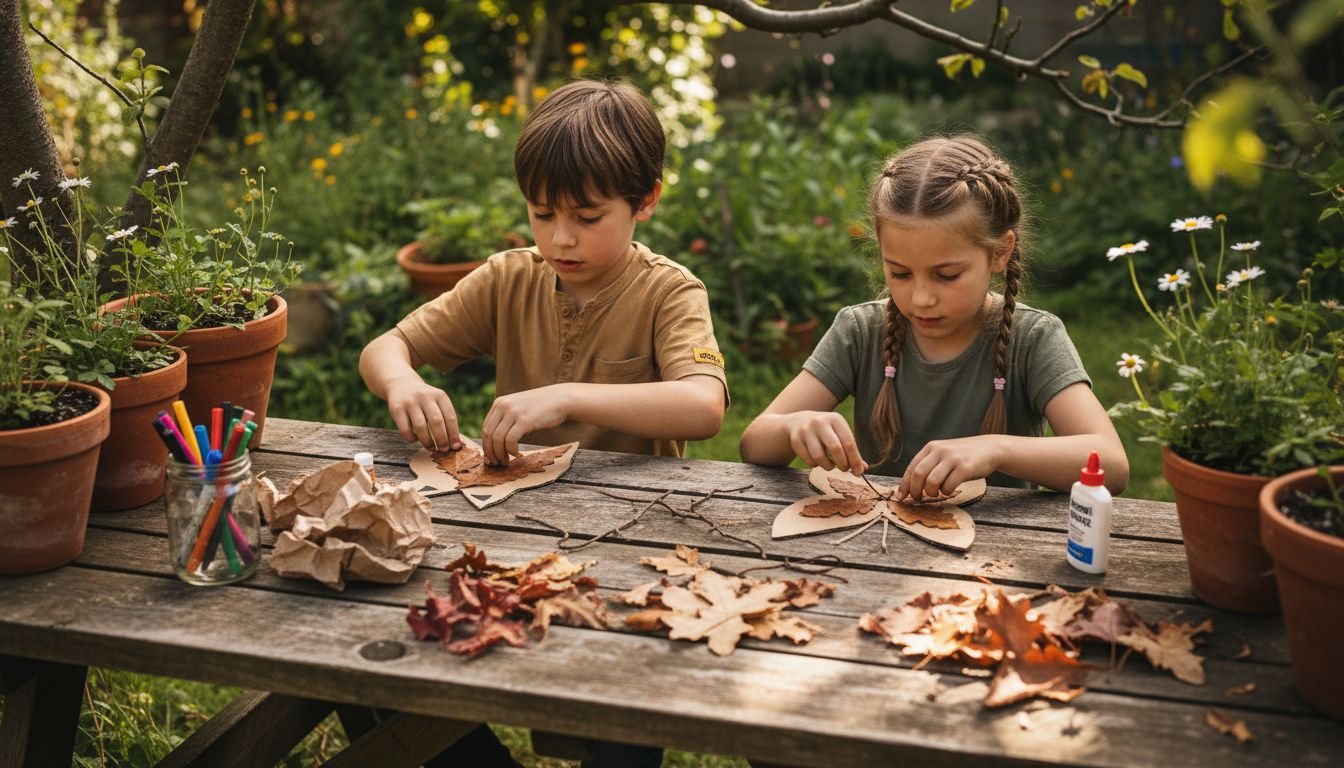
Start by collecting recyclable materials like cardboard boxes, glass jars, old fabric scraps, and paper packaging. Sustainable craft practices encourage children to reimagine these items as art supplies rather than waste. Potential projects might include creating pencil holders from tin cans, designing book covers from paper bags, transforming worn-out T-shirts into reusable shopping bags, or crafting nature journals from recycled paper. These activities not only reduce waste but also teach children about resource conservation and creative problem solving.
Ensure each craft project includes a discussion about environmental impact. Encourage children to think critically about the materials they use, where they come from, and how their choices can contribute to reducing waste. Demonstrate how seemingly mundane objects can be given new life through imagination and careful consideration.
Expert Tip: Involve children in the material collection process and challenge them to find innovative ways to repurpose items before considering them as waste.
Step 4: Encourage Playful Outdoor Exploration
Cultivating a sense of wonder and curiosity about the natural world begins with creating opportunities for spontaneous discovery. Outdoor exploration strategies emphasise engaging children’s senses and supporting open-ended play that allows them to observe, touch, and experiment freely.
Structured outdoor learning activities provide a framework for exploration while maintaining flexibility for children’s natural interests. Consider designing playful challenges that invite interaction with the environment such as nature scavenger hunts, sensory exploration stations, or simple observation tasks. Encourage children to collect interesting leaves, track animal footprints, listen for different bird sounds, or create nature-inspired art using found materials. These activities promote physical movement, develop social skills, and deepen connection with the natural world.
Remain an attentive guide during outdoor exploration by asking open-ended questions that spark curiosity. Instead of providing immediate answers, encourage children to hypothesise, investigate, and draw their own conclusions. Allow them space to make discoveries independently while offering gentle support and safety boundaries.
Expert Tip: Rotate your outdoor exploration locations to maintain children’s excitement and expose them to diverse natural environments.
Step 5: Celebrate and Reflect on Nature Discoveries
Nature discovery is more than just collecting observations it is about creating meaningful connections with the natural world. Nature discovery experiences provide opportunities to highlight unique species traits and inspire curiosity about biodiversity and environmental conservation.
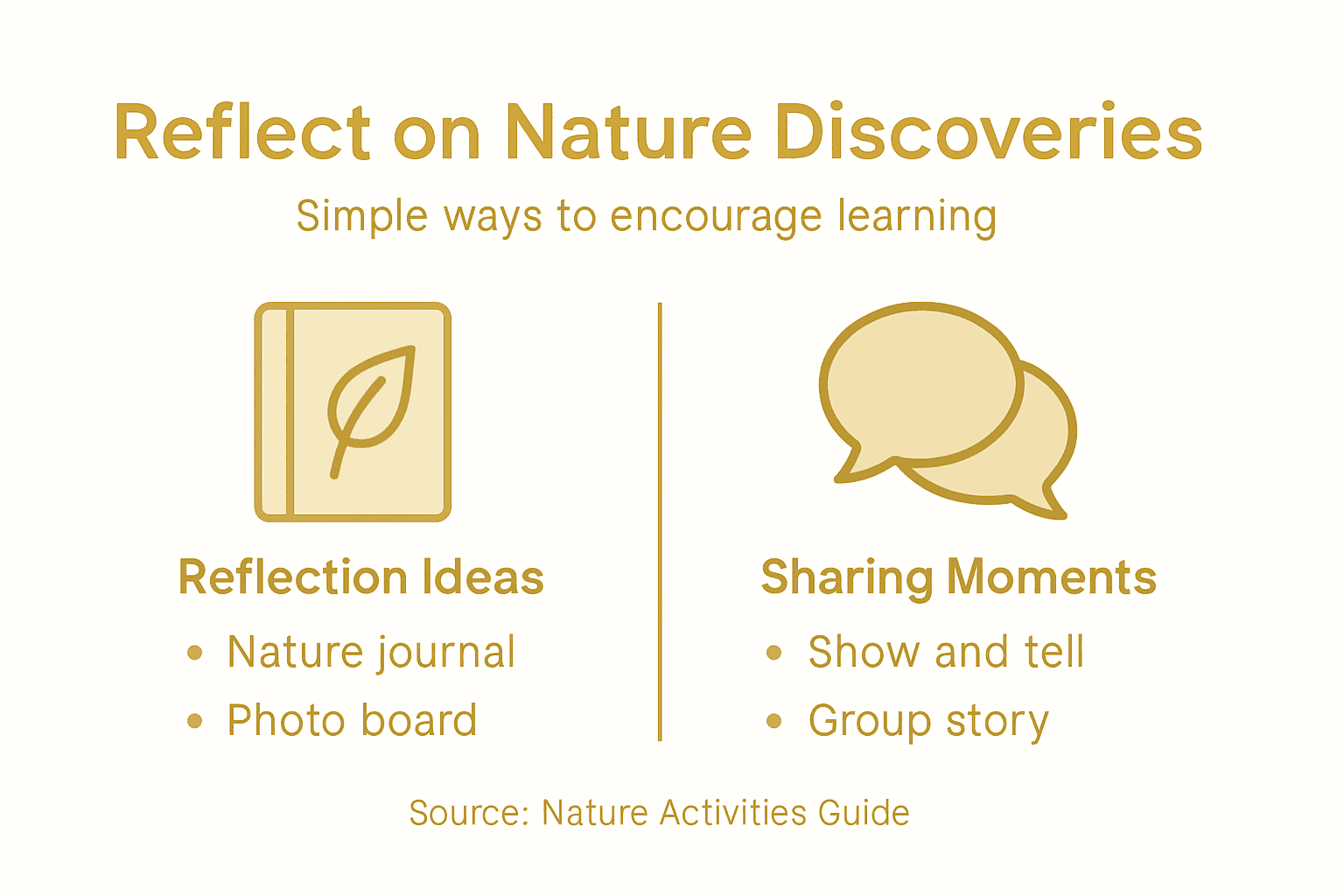
Reflective nature experiences transform simple explorations into profound learning moments. Encourage children to document their discoveries through creative methods such as nature journals, sketching, photography, or storytelling. Create dedicated sharing times where each child can present a special finding or experience they found fascinating. This approach helps children develop deeper observation skills, learn to articulate their experiences, and build confidence in expressing their understanding of the natural world.
Consider developing a family or group ritual around nature discoveries. This might involve creating a special display space for collected specimens, hosting weekly nature storytelling sessions, or maintaining a collaborative nature discovery board where everyone can contribute their observations and insights. By valuing and celebrating each discovery, you reinforce the importance of curiosity and respect for the environment.
Below is a comparison of reflective methods to celebrate nature discoveries:
| Reflection Method | Description | Best For | Encourages |
|---|---|---|---|
| Nature Journals | Written or drawn records of findings | Individual observation | Thoughtful documentation |
| Storytelling Sessions | Sharing discoveries within a group | Group bonding | Verbal expression |
| Display Spaces | Exhibiting collected specimens | Visual learners | Community pride |
| Discovery Boards | Collaborative board of insights | Ongoing shared experiences | Creative contribution |
Expert Tip: Use open-ended questions during reflection time to help children explore their thoughts and feelings about their nature experiences.
Bring Nature Learning to Life with The Zoofamily
The challenge of turning outdoor spaces into vibrant natural classrooms is real. Many educators and parents want children to explore, discover and connect with nature through hands-on activities but often lack the right tools to spark and sustain that curiosity. This article highlights the importance of creating inviting learning spaces, engaging nature-based activities and playful exploration to nurture a lifelong love for the environment. To truly make learning fun naturally you need interactive equipment designed to inspire children to observe, document and celebrate their discoveries in the wild.
Discover nature-inspired kids’ cameras, walkie-talkies and binoculars that encourage youngsters to become enthusiastic explorers.
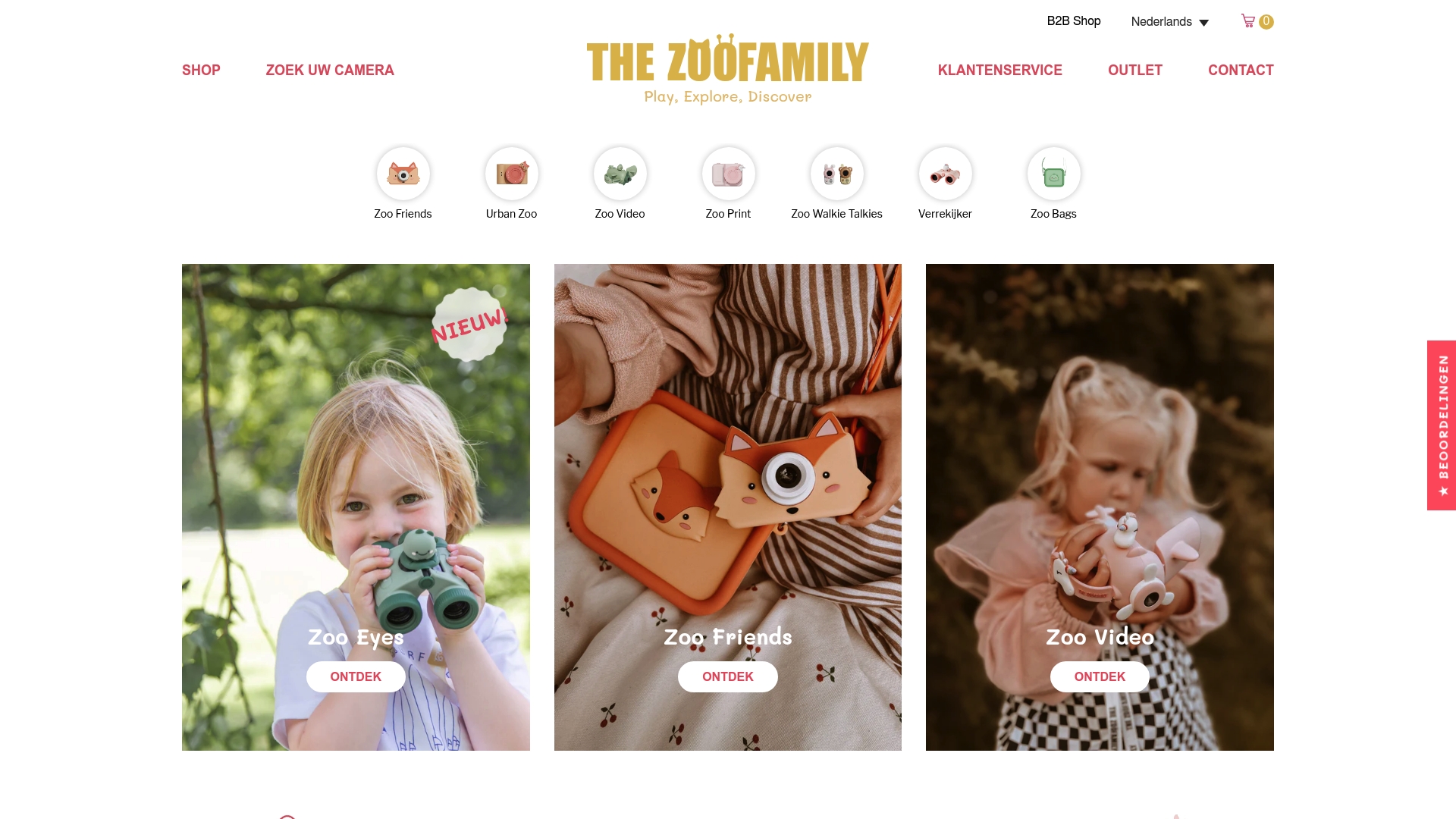
Empower your child to embark on exciting eco-friendly adventures while connecting them to the planet’s wonders in a meaningful way. Each camera sold contributes to restoring natural beauty for future generations by planting a tree. Visit The Zoofamily now to equip your young explorers with tools that bring nature learning to life and inspire creativity outdoors with every glance, listen and snap.
Explore more about how our products align perfectly with outdoor educational experiences at https://thezoofamily.com and start your child’s joyful journey of discovery today.
Frequently Asked Questions
How can I create a nature learning space for children?
To create a nature learning space, choose an area with varied terrain and natural elements such as logs and plants. Incorporate distinct zones for different activities and ensure safety by removing hazards and using child-friendly materials.
What are some engaging nature-based activities for children?
Engaging activities include nature photography, species surveys, and nature journaling. Select age-appropriate tasks that encourage sensory exploration, like collecting leaves or observing insects, to keep children actively interested.
How can eco-friendly crafts enhance nature learning?
Eco-friendly crafts enable children to explore sustainability while expressing their creativity. Use recyclable materials to create projects, and discuss the environmental impact to encourage critical thinking about waste reduction.
What techniques can I use to encourage outdoor exploration?
To encourage exploration, design playful challenges like scavenger hunts or sensory stations that foster interaction with nature. Remain flexible in your approach, allowing children to lead their discoveries and pose open-ended questions.
How can I celebrate and reflect on nature discoveries with children?
Celebrate nature discoveries by creating dedicated sharing times for children to present their findings. Consider using methods like nature journals, storytelling sessions, or display spaces to reinforce their experiences and foster a sense of community.
Recommended
- Making Learning Fun: Engaging Activities for Your Kids – The Zoofamily
- Making Learning Fun: Engaging Activities for Your Kids – The Zoofamily
- 7 Astuces pour explorer la nature et decouvertes montessori – The Zoofamily
- Meilleurs gadgets plein air enfants – Comparatif 2025 – The Zoofamily
- 6 Ideas to Improve Your Homeschool Curriculum - The Modern Way - The World Game