

Nearly 85 percent of educators agree that creativity shapes children’s future success, yet myths about who can be creative persist. Parents often wonder if their child’s imagination is enough or if it needs special nurturing. Understanding what creativity really means and how it grows in kids can open new doors for their problem-solving skills, confidence, and emotional expression. This knowledge helps parents recognize hidden talents and avoid common mistakes that hold kids back.
Table of Contents
- Defining Creativity in Kids and Common Myths
- Types of Creativity in Child Development
- Proven Strategies to Nurture Creative Thinking
- Benefits of Creativity for Growing Children
- Mistakes Parents Make and How to Avoid Them
Key Takeaways
| Point | Details |
|---|---|
| Creativity is Multifaceted | Creativity in children encompasses unique problem-solving, innovation, and adaptive thinking beyond artistic expressions. |
| Nurtured, Not Innate | Common myths suggest creativity cannot be developed; however, it can be intentionally fostered through supportive environments and open exploration. |
| Four-C Model | Creativity evolves through distinct stages: Mini-c, Little-c, Pro-c, and Big-c, recognizing the varying expressions of creative potential. |
| Avoiding Stifling Mistakes | Parents can promote creativity by reducing overstructuring, embracing mistakes, and encouraging unique perspectives instead of focusing solely on outcomes. |
Defining Creativity in Kids and Common Myths
Creativity isn’t just about artistic talent or producing masterpieces. Creativity represents a child’s ability to think originally, solve problems uniquely, and imagine possibilities beyond conventional thinking. According to research investigating educators’ implicit theories, creativity encompasses transformation, innovation, and adaptive problem-solving skills that extend far beyond traditional artistic expressions.
Common myths about children’s creativity can significantly limit their potential development. Understanding the Benefits of Imaginative Play reveals that many parents mistakenly believe creativity is an innate trait that cannot be learned or developed. Research from Maltese early childhood educators highlights several persistent misconceptions:
- Creativity is only for “artistic” children
- Creative skills cannot be systematically taught
- Structured learning environments suppress imagination
- Only certain children are naturally creative
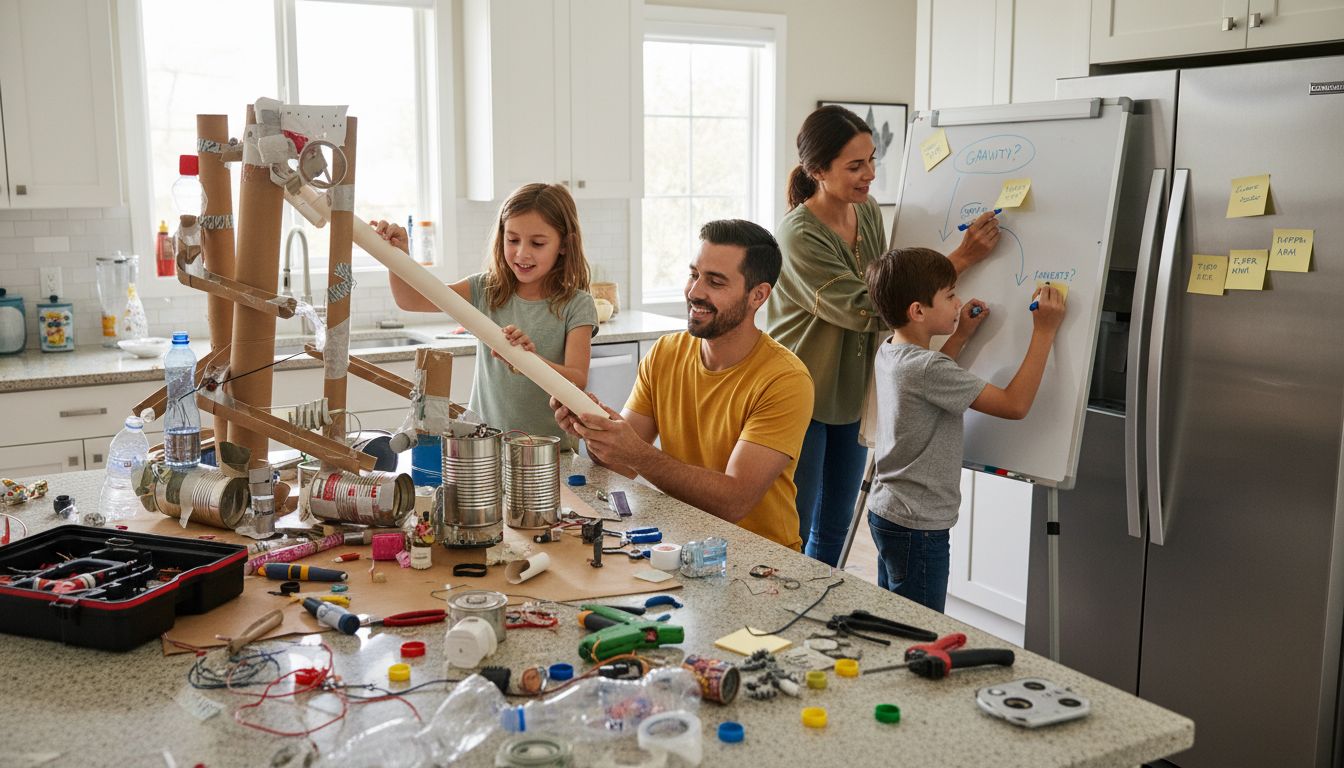
In reality, creativity is a skill that can be nurtured through intentional experiences, supportive environments, and opportunities for open-ended exploration. By challenging these myths, parents can help their children develop flexible thinking, curiosity, and innovative problem-solving approaches that will serve them throughout their lives. Encouraging creativity means providing space for experimentation, tolerating uncertainty, and valuing children’s unique perspectives rather than focusing solely on predetermined outcomes.
Types of Creativity in Child Development
Creativity is a multifaceted concept that manifests differently across various stages of child development. Making Learning Fun: Engaging Activities for Your Kids highlights that creativity isn’t a monolithic skill, but a dynamic process with multiple dimensions. According to James C. Kaufman’s groundbreaking Four-C Model, creativity can be categorized into distinct levels that evolve as children grow and develop.
The Four-C Model provides a comprehensive framework for understanding creativity’s complexity:
- Mini-c Creativity: Personal insights and interpretations, typically seen in young children’s unique thought processes
- Little-c Creativity: Everyday problem-solving and innovative thinking in daily life
- Pro-c Creativity: Professional-level creative skills developed through practice and expertise
- Big-c Creativity: Exceptional, eminent contributions that transform fields
Research by John Baer emphasizes the domain-specific nature of creativity, suggesting that creative abilities are not universal. A child might demonstrate remarkable creative thinking in art but approach mathematics more conventionally. This nuanced perspective challenges the notion of creativity as a singular, transferable skill. Understanding these different types of creativity allows parents to recognize and nurture their children’s unique innovative potential, providing targeted support that celebrates individual creative expressions across various domains.
Here’s a summary of the Four-C Model of creativity in child development:
| Creativity Type | Description | Typical Context |
|---|---|---|
| Mini-c | Personal insights and unique ideas | Early learning Self-expression |
| Little-c | Everyday creative problem-solving | Daily challenges Play-based tasks |
| Pro-c | Professional-level creative skills | Advanced study Expert practice |
| Big-c | Ground-breaking, transformative innovation | Eminent achievements Field-changing contributions |
Proven Strategies to Nurture Creative Thinking
Nurturing creativity requires intentional approaches that go beyond traditional learning methods. Childhood Brain Development: A Guide for Modern European Mums emphasizes the importance of creating environments that encourage innovative thinking and exploration.
Recent research reveals innovative strategies for stimulating children’s creative potential:
- Collaborative Play: Studies exploring interactions with social robots demonstrate that game-based collaborative experiences can significantly enhance creative expression
- Iterative Learning: Encouraging children to build, test, and rebuild ideas promotes flexibility and comfort with complex problem-solving
- Open-Ended Exploration: Providing materials and scenarios without predetermined outcomes allows children to develop unique approaches
- Embracing Mistakes: Creating safe spaces where experimental thinking is celebrated rather than criticized
Practical techniques like introducing open-ended questions, offering diverse materials for exploration, and modeling creative thinking can transform everyday interactions into opportunities for innovative development. By treating creativity as a skill to be nurtured rather than a fixed trait, parents can help children develop the confidence and curiosity necessary for original thinking across multiple domains.
Benefits of Creativity for Growing Children
Creativity is far more than an artistic skill—it’s a fundamental developmental tool that shapes children’s cognitive, emotional, and social growth. Making Learning Fun: Engaging Activities for Your Kids highlights how creative experiences can transform learning into an exciting, dynamic process.
Research reveals multiple profound benefits of nurturing creativity in children:
- Cognitive Flexibility: Enhanced problem-solving skills and adaptive thinking
- Emotional Intelligence: Better self-expression and understanding of complex feelings
- Social Development: Improved communication and collaboration capabilities
- Innovation Potential: Increased capacity for generating original ideas
Interestingly, studies have demonstrated children’s remarkable innovative potential. Research shows that young children can generate more original and implementable ideas compared to adults, suggesting that creativity is not just a skill but a powerful cognitive resource. By encouraging creative thinking, parents can help children develop resilience, confidence, and the ability to approach challenges with curiosity and imagination, preparing them for a world that increasingly values innovative thinking and adaptability.
Mistakes Parents Make and How to Avoid Them
Parents often unintentionally hinder their children’s creative development through well-meaning but counterproductive approaches. Childhood Brain Development: A Guide for Modern European Mums emphasizes the importance of understanding how our actions can impact children’s innovative thinking.
Common mistakes that can stifle creativity include:
- Overstructuring Activities: Providing too much guidance and leaving no room for independent exploration
- Criticism and Perfectionism: Focusing on ‘correct’ outcomes rather than valuing the process of creative thinking
- Limited Exposure: Restricting children to narrow experiences and predefined learning paths
- Dismissing Unusual Ideas: Shutting down unconventional thoughts instead of encouraging divergent thinking
Research on educators’ misconceptions reveals a critical insight: treating creativity as an innate talent rather than a developable skill can significantly damage children’s innovative potential. By recognizing these pitfalls, parents can create environments that nurture curiosity, embrace experimentation, and celebrate the unique ways children express their imagination. The key is to shift from controlling outcomes to supporting exploratory learning, providing children with the psychological safety to take creative risks and develop their own problem-solving strategies.
Spark Your Child’s Creative Potential with The Zoofamily
The article highlights how creativity is a skill to be nurtured, not a fixed talent. If you want to break free from myths that limit your child’s imagination and avoid common mistakes like overstructuring or dismissing unusual ideas, it’s time to explore tools that inspire open-ended exploration and innovative play. At The Zoofamily, we designed kids’ cameras, walkie-talkies, and binoculars that do more than entertain—they encourage connection with nature and foster original thinking by inviting children to observe, imagine, and create.
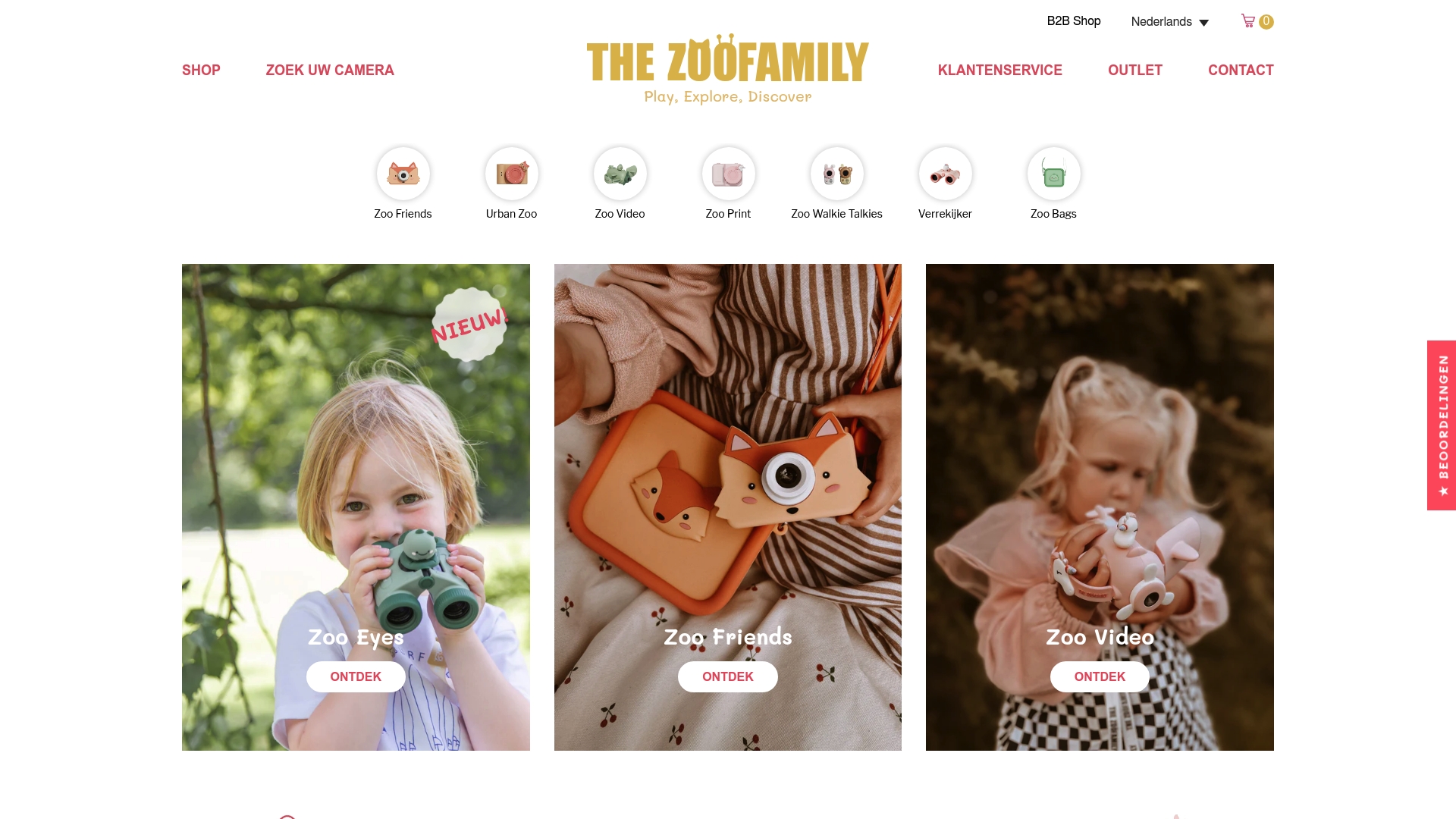
Discover how our nature-inspired products can transform your child’s learning experience today. Every camera sold plants a tree, nurturing not only creativity but also the planet your child will grow up in. Join us at The Zoofamily and start opening new creative pathways with incredible kids’ cameras, engaging walkie-talkies, and binoculars designed for explorers. Act now to fuel imagination and make a lasting impact.
Frequently Asked Questions
What are some myths about children’s creativity?
Common myths include the belief that creativity is only for artistic children, that creative skills cannot be taught, that structured environments suppress imagination, and that only certain children are naturally creative.
How can I nurture my child’s creativity at home?
You can nurture creativity by providing open-ended materials for exploration, encouraging collaborative play, embracing mistakes as part of the learning process, and allowing for iterative learning where children build and test their ideas.
What are the different types of creativity in child development?
The Four-C Model categorizes creativity into four types: Mini-c (personal insights), Little-c (everyday problem-solving), Pro-c (professional-level skills), and Big-c (transformative contributions). Each type reflects different stages of development and expertise.
What are the benefits of fostering creativity in children?
Fostering creativity helps enhance cognitive flexibility, emotional intelligence, social development, and innovation potential. It prepares children to approach challenges with curiosity and problem-solving skills, which are valuable in their future endeavors.