


Looking after the environment is often thought of as a chore or a distant issue only tackled by scientists and activists. Yet studies reveal that small, consistent choices can create significant collective impact, even at the level of a single household. This means sustainable living is not only accessible but could be more powerful and rewarding for families than anyone has imagined.
Table of Contents
- What Does Taking Care Of The Environment Mean?
- Why Is Taking Care Of The Environment Important For Families?
- How Does Taking Care Of The Environment Benefit Our Children?
- What Are The Key Concepts In Taking Care Of The Environment?
- How Can Taking Care Of The Environment Be A Family Activity?
Quick Summary
| Takeaway | Explanation |
|---|---|
| Environmental stewardship is essential for sustainability. | It involves proactive efforts to reduce waste, protect biodiversity, and promote eco-friendly practices for future generations. |
| Individual actions have a significant collective impact. | Small, consistent choices, like recycling and conserving resources, accumulate to create meaningful environmental change within communities. |
| Families can model environmental consciousness. | Engaging in eco-friendly activities together fosters understanding and commitment to sustainability among family members, especially children. |
| Environmental care benefits children’s health and development. | A clean environment enhances children’s physical well-being and fosters critical thinking through direct engagement with nature. |
| Learning about the environment should be a family journey. | Shared activities like gardening or nature hikes strengthen familial bonds and cultivate ongoing interest in ecological responsibility. |
What does taking care of the environment mean?
Taking care of the environment represents a holistic approach to protecting and preserving our natural world, ensuring its health and sustainability for current and future generations. At its core, this concept involves understanding the delicate balance of ecosystems and our human role in maintaining their equilibrium.
Understanding Environmental Stewardship
Environmental stewardship goes beyond simple recycling or occasional green actions. It is a comprehensive commitment to making conscious choices that minimise negative impacts on our planet. According to Environmental Protection Agency, sustainability means creating conditions where humans and nature can coexist productively, supporting both present and future generations.
Key aspects of environmental care include:
- Reducing waste and consumption
- Conserving natural resources
- Protecting biodiversity
- Minimising pollution
- Promoting sustainable practices
Why Individual Actions Matter
Each person’s actions contribute to the broader environmental landscape. Small, consistent choices can create significant collective impact. Whether it is reducing single-use plastics, conserving water, or choosing energy-efficient appliances, individual efforts compound to create meaningful environmental change.
By understanding and implementing eco-friendly family practices, parents can play a crucial role in teaching children about environmental responsibility. This education starts at ho
me, through practical demonstrations of care, respect, and sustainable living.
Environmental care is not about perfection, but about making informed, progressive choices that collectively contribute to planetary health. It requires awareness, commitment, and a genuine desire to protect the world we share.
Why is taking care of the environment important for families?
Taking care of the environment is fundamentally about securing a healthy, sustainable future for our children and subsequent generations. Families play a critical role in environmental protection, serving as primary educators and change agents in creating a more responsible approach to planetary stewardship.
Health and Well-being Impacts
Environmental care directly influences family health and quality of life. According to Environmental Protection Agency, children are especially vulnerable to environmental hazards due to their developing bodily systems and higher exposure rates relative to their body weight.
Key health considerations include:
- Reducing exposure to toxic pollutants
- Ensuring clean air and water quality
- Minimising risks of environmental-related diseases
- Promoting healthier living environments
- Supporting long-term physical and mental wellness
Intergenerational Responsibility
Parents have a profound opportunity to model environmental consciousness and create lasting behavioural change. By exploring eco-friendly family routines, families can transform environmental awareness into practical daily actions.
Teaching children about environmental stewardship is more than an educational exercise – it is an investment in our collective future. When children understand the interconnectedness of ecosystems and human activities, they develop empathy, critical thinking skills, and a sense of global citizenship.
Environmental care is not a burden but a shared family journey of discovery, learning, and positive transformation. Each small action contributes to a larger narrative of hope, resilience, and responsible living.
How does taking care of the environment benefit our children?
Environmental care extends far beyond protecting natural resources - it is a direct investment in our children’s physical, cognitive, and emotional development. By creating sustainable practices and nurturing an ecological mindset, parents can profoundly shape their children’s understanding of global interconnectedness and personal responsibility.
Cognitive and Developmental Benefits
Engaging children with environmental education stimulates critical thinking and problem-solving skills. According to Children and Nature Network, spending time in nature makes children healthier, happier, and intellectually more curious. Nature becomes a dynamic classroom that teaches complex systems thinking and empathy.
Key developmental advantages include:
- Enhanced analytical thinking skills
- Improved creativity and imagination
- Greater emotional intelligence
- Stronger connection to natural systems
- Increased environmental problem-solving capacity
Physical and Mental Health Impacts
Environmental consciousness directly influences children’s well-being. By learning sustainable family practices, children develop lifelong habits that protect both personal and planetary health. Clean environments reduce exposure to pollutants, promote physical activity, and support mental wellness.
Healthy environmental engagement teaches children about nutrition, exercise, and holistic living. They learn that personal health is intrinsically linked to planetary health - a powerful lesson that extends beyond immediate family contexts into broader societal understanding.
To help clarify the different benefits children gain from engaging with environmental care, the following table summarises the developmental and health advantages mentioned in the article.
| Benefit Type | Key Advantages |
|---|---|
| Cognitive and Developmental | Enhanced analytical thinking, improved creativity, greater emotional intelligence, stronger connection to nature, increased problem-solving capacity |
| Physical and Mental Health | Reduced exposure to pollutants, support for physical activity, cleaner environments, improved nutrition, enhanced mental wellness |
| Emotional and Social | Empathy, global citizenship, sense of responsibility towards the planet |
Ultimately, taking care of the environment is a profound gift to our children. It represents hope, resilience, and a commitment to creating a world where future generations can thrive with dignity, creativity, and profound respect for the complex, beautiful systems that sustain life.
What are the key concepts in taking care of the environment?
Taking care of the environment is a multifaceted approach that requires understanding fundamental principles of ecological stewardship. These concepts provide a comprehensive framework for individuals and families to make meaningful contributions to planetary health and sustainability.
Foundational Environmental Principles
According to the Environmental Protection Agency, environmental care is a dynamic process of developing awareness, knowledge, and active participation. *The core philosophy revolves around understanding our interconnectedness with natural systems

*.
Key foundational concepts include:
- Recognising ecological interdependence
- Understanding human impact on ecosystems
- Embracing sustainable resource management
- Promoting regenerative practices
- Valuing biodiversity preservation
Systemic Approach to Environmental Responsibility
Environmental stewardship transcends individual actions, requiring a holistic perspective that connects personal choices with global consequences. By exploring eco-friendly family routines, families can transform abstract environmental principles into tangible, everyday practices.
This systemic approach emphasises that every action, no matter how small, contributes to a larger ecological narrative. It involves understanding complex environmental cycles, recognising the ripple effects of our choices, and developing a proactive mindset of continuous learning and adaptation.
Environmental care is not a destination but an ongoing journey of curiosity, respect, and collective responsibility. By embracing these key concepts, we can cultivate a more harmonious relationship with our planet, ensuring a healthier, more sustainable future for generations to come.
The key concepts underlying environmental care can be complex. This table organises the foundational principles and systemic approach details discussed in the article.
| Concept | Explanation |
|---|---|
| Ecological Interdependence | Recognising the interconnectedness of all living systems and their reliance on one another |
| Human Impact on Ecosystems | Understanding how daily choices and behaviours affect the environment |
| Sustainable Resource Management | Using natural resources responsibly to ensure their availability for future generations |
| Regenerative Practices | Implementing actions that restore and improve environmental systems |
| Biodiversity Preservation | Valuing and protecting the wide variety of life forms on Earth |
| Systemic Thinking | Viewing individual and collective actions as part of global ecological cycles |
How can taking care of the environment be a family activity?
Environmental care transforms from an abstract concept to a tangible, shared family experience when approached as a collaborative journey of discovery, learning, and collective action. Families possess unique opportunities to embed ecological consciousness into daily routines, turning sustainability into an engaging, meaningful group endeavour.
Collaborative Learning and Exploration
According to Iowa State University Extension, outdoor family activities like hiking, gardening, and nature exploration enhance children’s learning and imagination while developing a profound connection to the natural world. These shared experiences become powerful educational moments that extend beyond traditional classroom learning.
Ideal family environmental activities include:
- Creating home vegetable gardens
- Participating in local park or beach clean-up events
- Designing household recycling systems together
- Exploring local nature reserves and wildlife habitats
- Tracking and reducing household energy consumption
Transforming Daily Routines
By developing eco-friendly family practices, families can integrate environmental consciousness into everyday life. This approach turns sustainability from a distant concept into a lived experience, where each family member contributes and learns.
The magic happens when environmental care becomes a shared language of respect, creativity, and collective responsibility. Children learn through observation, participation, and genuine engagement, developing lifelong habits that extend far beyond individual actions.
Environmental activities are not about perfection but about connection - with each other, with nature, and with the broader ecosystem we all inhabit. By making these experiences collaborative, enjoyable, and meaningful, families can nurture a genuine love and commitment to planetary stewardship.
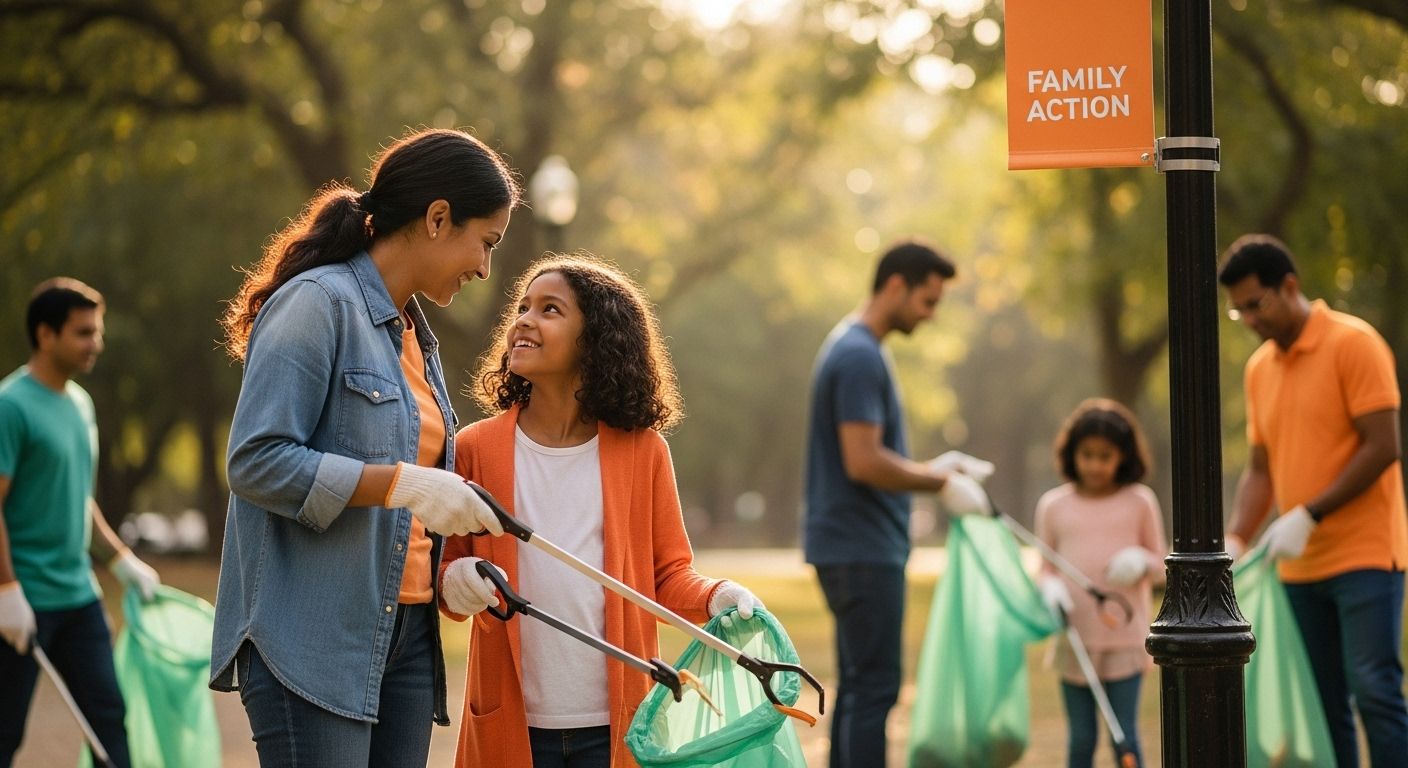
Turn Family Learning into Lifelong Environmental Action
Are you searching for a simple way to help your children truly understand their role as environmental stewards? The article highlights how everyday choices and family routines shape lasting eco-conscious habits—but bringing these lessons into daily life can feel overwhelming. Many parents want to inspire curiosity about nature and teach responsibility, yet find it difficult to create meaningful, hands-on experiences that keep children engaged.
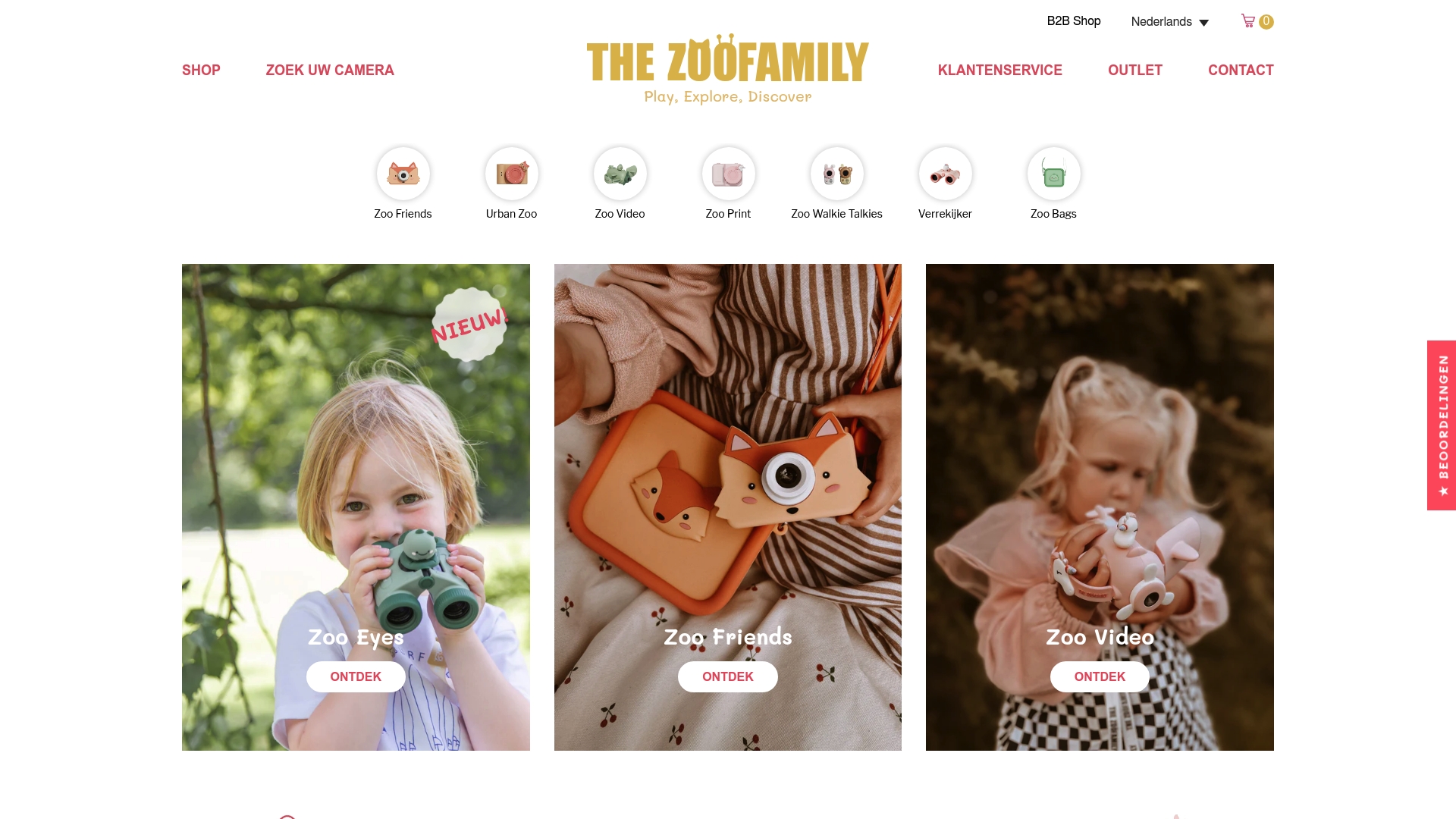
With The Zoofamily, you give your children the tools to connect creativity and environmental care. Our carefully designed kids’ cameras, walkie-talkies, and binoculars tap into their love of play and discovery while subtly nurturing respect for the planet. For every camera sold, we plant one tree, so your purchase directly supports the world you want your children to inherit. Explore how our products can make your next family adventure a lesson in sustainability and wonder. Visit The Zoofamily today and start empowering your family to care for the environment in joyful, practical ways.
Frequently Asked Questions
What does taking care of the environment mean?
Taking care of the environment involves protecting and preserving our natural world through conscious choices that minimise our negative impact on the planet. It includes reducing waste, conserving resources, protecting biodiversity, minimising pollution, and promoting sustainable practices.
Why is environmental care important for families?
Environmental care is crucial for families as it secures a healthy future for children and enhances their quality of life. It reduces exposure to toxic pollutants, supports physical and mental well-being, and fosters a sense of responsibility towards the planet.
How can families incorporate environmental care into their daily routines?
Families can incorporate environmental care by engaging in activities such as gardening, participating in local clean-up events, designing recycling systems, and tracking energy consumption. These shared experiences provide valuable opportunities for learning and fostering a love for nature.
What are the benefits of teaching children about environmental stewardship?
Teaching children about environmental stewardship enhances their cognitive development, creativity, and emotional intelligence. It also instills a sense of global citizenship and empathy, promoting lifelong habits that contribute to both personal and planetary health.
Recommended
-
[ Comment protéger la planète au quotidien avec ses enfants
– The Zoofamily](https://thezoofamily.com/en/blogs/news/comment-proteger-la-planete-au-quotidien-avec-ses-enfants)
-
[ Understanding Eco Friendly Routines for Modern Families
– The Zoofamily](https://thezoofamily.com/en/blogs/news/understanding-eco-friendly-routines)
-
[ Eco Friendly Cleaning Tips For Busy European Mums
– The Zoofamily](https://thezoofamily.com/en/blogs/news/eco-friendly-cleaning-tips-for-european-mums)
-
[ Comprendre comment prendre soin de la terre pour nos enfants
– The Zoofamily](https://thezoofamily.com/en/blogs/news/comprendre-prendre-soin-de-la-terre)
-
Responsible Diving Tips for Eco-Friendly Divers - The Cenote Guy