

Every parent faces afternoons when the call for outdoor adventure grows loud and strong. If you want your children to connect with nature right in the heart of your city, creating a bird-friendly garden is the perfect start. Urban spaces across Europe can become vibrant ecosystems, teaching children about caring for wildlife while boosting biodiversity. This guide shares practical, family-friendly steps to turn your garden into a haven for native birds, blending education, fun, and environmental care.
Table of Contents
- Step 1: Assess Your Outdoor Space For Bird Potential
- Step 2: Select Native Plants And Features For Birds
- Step 3: Install Feeders, Water, And Shelters Safely
- Step 4: Involve Children In Daily Bird Care Activities
- Step 5: Monitor Bird Visits And Enhance Your Garden
Quick Summary
| Key Point | Explanation |
|---|---|
| 1. Assess your garden’s bird potential | Conduct a habitat survey to evaluate vegetation, water sources, shelter, and food to enhance bird attraction. |
| 2. Choose native plants for biodiversity | Select native species that provide food and shelter for local birds, creating a supportive ecosystem. |
| 3. Install bird resources safely | Ensure feeders and water stations are well-placed and cleaned regularly to protect birds and promote health. |
| 4. Engage children in bird care | Involve kids in monitoring, feeding, and observing, fostering a connection with nature and environmental responsibility. |
| 5. Monitor bird activity regularly | Track bird visits and behaviours to assess the effectiveness of your garden modifications and improve future efforts. |
Step 1: Assess your outdoor space for bird potential
Getting ready to transform your garden into a bird sanctuary starts with understanding its current potential. By carefully evaluating your outdoor space, you’ll discover how to create an inviting habitat that attracts local bird species.
To effectively assess your garden’s bird potential, start by conducting a systematic habitat survey which involves examining several key environmental factors:
- Vegetation diversity: Survey the types and layers of plants in your garden
- Water sources: Check for existing ponds, birdbaths, or potential water feature locations
- Shelter opportunities: Identify potential nesting areas, including trees, shrubs, and potential birdhouse locations
- Food availability: Evaluate existing plants that might provide seeds, berries, or attract insects
Your garden’s bird potential depends on creating a welcoming microhabitat. Pay special attention to native plant species that naturally support local bird populations. Native plants provide food, shelter, and breeding grounds far more effectively than ornamental varieties.
The key to attracting birds is creating a diverse, interconnected ecosystem that meets multiple habitat needs.
Consider mapping your garden’s current features, noting sunlight exposure, existing vegetation, and potential improvement areas. This visual assessment helps you strategically plan bird-friendly enhancements.
Here’s a summary of how each garden feature supports birds:
| Garden Feature | Primary Benefit | Ecological Impact |
|---|---|---|
| Native plants | Provides food and cover | Boosts local biodiversity |
| Water sources | Enables drinking and bathing | Increases garden microclimate diversity |
| Nestboxes | Safe nesting spaces | Enhances breeding success |
| Bird feeders | Supplemental nutrition | Supports birds during harsh weather |
Pro tip: Take photos of your garden space to help track improvements and compare your bird habitat development over time.
Step 2: Select native plants and features for birds
Transforming your garden into a vibrant bird sanctuary requires thoughtfully selecting native plants that naturally support local avian populations. Native plant landscaping creates crucial bird habitats by providing essential food and shelter throughout the year.
When choosing native plants, focus on species that offer multiple benefits for birds:
- Seed-producing plants: Sunflowers, coneflowers, and native grasses
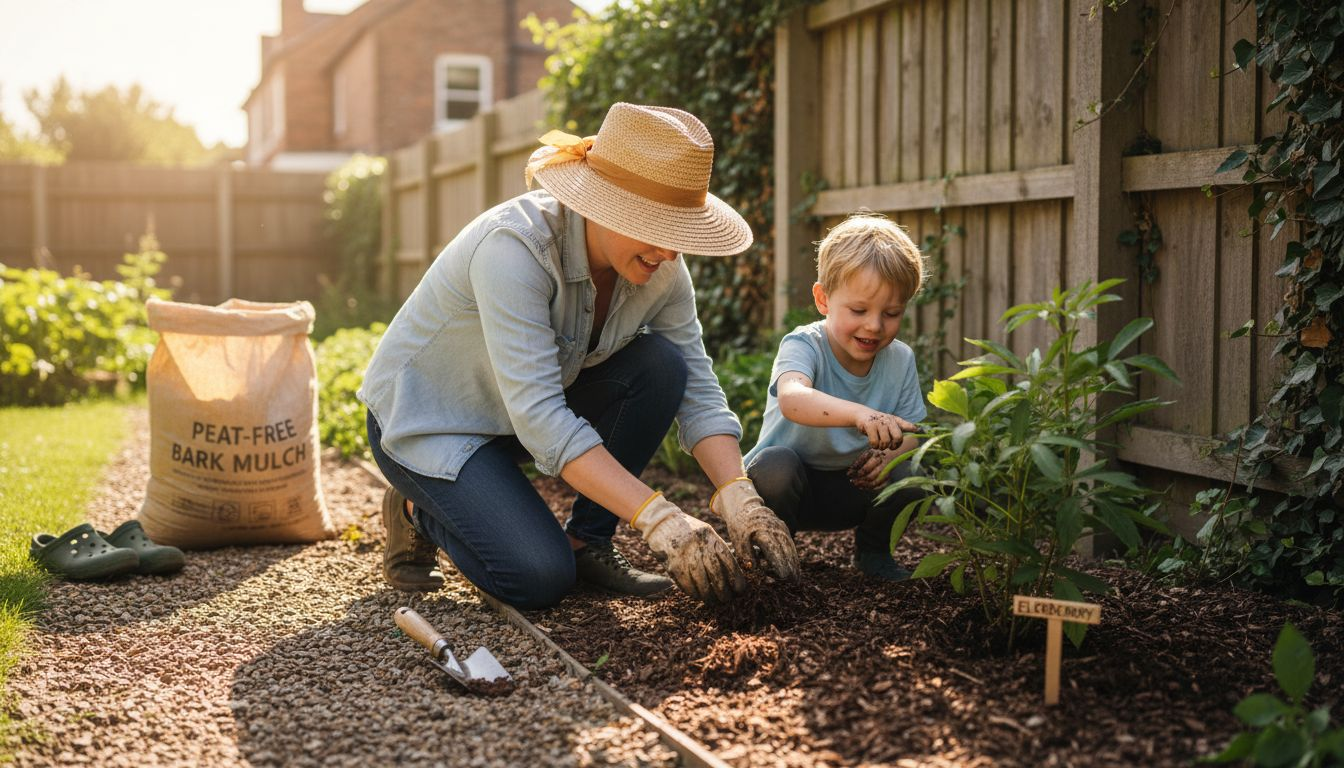
- Berry-producing shrubs: Elderberry, serviceberry, and native holly varieties
- Nectar-rich flowers: Trumpet honeysuckle, cardinal flower, and bee balm
- Insect-attracting vegetation: Milkweed, goldenrod, and native wildflowers
Consider creating layered vegetation zones that mimic natural habitats. This means incorporating ground cover, shrubs, and trees to provide diverse shelter and feeding opportunities. Native plants are particularly effective because they’re perfectly adapted to local climate and support indigenous insect populations that birds depend on.
Native plants are not just decorative - they’re essential life support systems for local bird populations.
Pay attention to seasonal variations, selecting plants that provide resources throughout different times of the year. This ensures continuous support for resident and migratory bird species in your garden.
Pro tip: Consult local wildlife conservation groups for a specific list of native plants best suited to your region’s bird species.
Step 3: Install feeders, water, and shelters safely
Creating a bird-friendly garden means providing safe, accessible resources for our feathered friends. Proper bird feeder installation protects garden wildlife and ensures a welcoming environment for local bird populations.
When setting up bird resources, consider these critical safety guidelines:
- Feeder placement: Position feeders at least 3 metres from dense shrubs to prevent predator ambushes
- Water station safety: Use shallow containers with sloped sides for easy bird access
- Shelter locations: Mount nestboxes at least 2 metres high, away from direct sunlight and prevailing winds
- Cleaning protocols: Regularly sanitise feeders and water stations to prevent disease transmission
Designing multi-level bird support zones helps create a comprehensive habitat. This means strategically placing feeders, water sources, and shelters to provide protection and resources throughout different garden areas. Consider creating safe corridors between these zones that allow birds to move naturally and feel secure.
Safe garden resources are more than accessories - they’re lifelines for local bird communities.
Ensure all installations are child-friendly by using sturdy mounting techniques and avoiding sharp edges. Involve your children in the process, teaching them about responsible wildlife interaction and conservation.
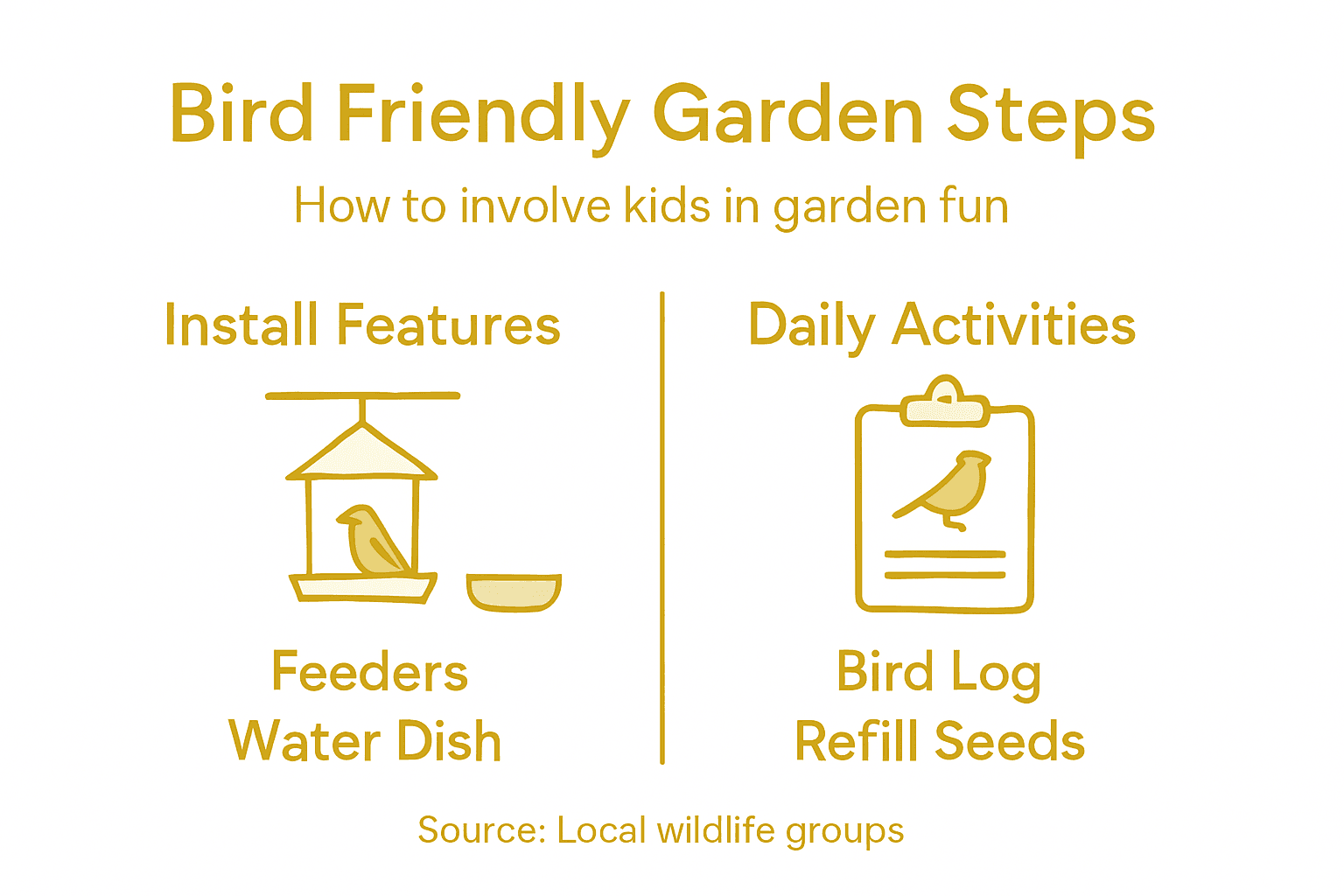
Pro tip: Create a simple bird activity log where children can record their observations and track visiting bird species.
Step 4: Involve children in daily bird care activities
Engaging children in bird care transforms garden wildlife experiences from passive observation to active learning. Children’s involvement deepens wildlife understanding while nurturing a lifelong connection with nature.
Create meaningful bird care activities that spark curiosity and responsibility:
- Observation tasks: Assign daily bird counting and species identification challenges
- Feeding responsibilities: Let children help measure and distribute bird feed under supervision
- Maintenance duties: Teach safe cleaning of water stations and feeders
- Documentation projects: Encourage keeping a wildlife journal with drawings and observations
Making bird care a collaborative family activity helps children develop environmental stewardship skills. By integrating age-appropriate tasks, you transform garden maintenance into an exciting learning adventure that connects children directly with local wildlife ecosystems.
Learning about nature happens best through hands-on experiences that engage young minds.
Ensure all activities are supervised and use child-friendly tools that minimise risks while maximising engagement. Rotate responsibilities to maintain interest and help children understand different aspects of bird care.
Pro tip: Create a fun rewards chart to track children’s bird care contributions and wildlife observations.
Step 5: Monitor bird visits and enhance your garden
Transforming your garden into a thriving bird habitat requires careful observation and strategic improvements. Bird survey methods help track garden biodiversity by revealing subtle changes in wildlife interactions.
Develop a systematic approach to monitoring bird visits:
- Frequency tracking: Record daily or weekly bird sightings
- Species identification: Create a visual reference chart for local bird varieties
- Behaviour observations: Note feeding patterns, interaction types, and time of day
- Seasonal variations: Track changes in bird populations throughout the year
By maintaining detailed records, you’ll understand how garden modifications impact bird visitation. Pay attention to which plants attract specific species, how water sources influence bird behaviour, and which shelter designs prove most effective.
Consistent observation transforms your garden from a simple outdoor space into a dynamic wildlife ecosystem.
Encourage family participation by making monitoring a collaborative activity. Children can help document observations, sketch bird visitors, and learn about local wildlife through hands-on experience.
Compare approaches for monitoring bird activity in your garden:
| Method | Ease of Use | Suitable for Families | Type of Insights Gained |
|---|---|---|---|
| Visual logbook | Simple, paper-based | Ideal for children | Tracks daily sightings |
| Online apps | Requires smartphone | Good for older children | Maps species and behaviour trends |
| Photographic diary | Moderate skill required | Encourages teamwork | Documents seasonal changes |
Pro tip: Use a waterproof notebook and coloured pencils to create an engaging family bird watching journal.
Bring Your Garden to Life with The Zoofamily
Creating a safe and stimulating bird-friendly garden is a wonderful way to connect children with nature and foster lifelong environmental care. The article highlights key challenges like selecting native plants, installing safe feeders, and involving kids in daily bird care — all essential for building a vibrant outdoor habitat. At The Zoofamily, we understand how important hands-on discovery and responsible wildlife interaction are for young explorers.
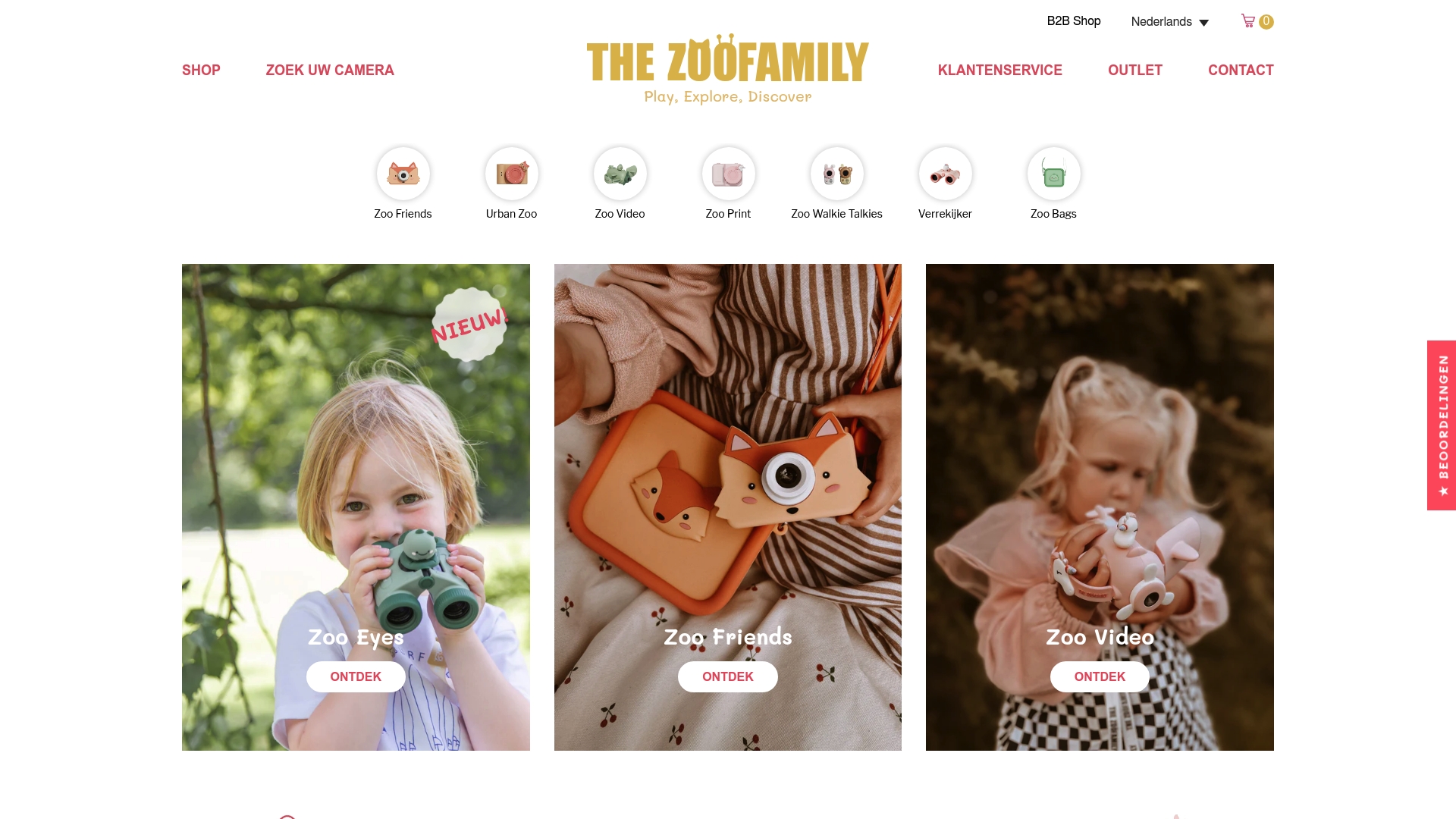
Equip your children with the best tools designed to spark curiosity and encourage outdoor learning. Our specially crafted kids’ cameras, walkie-talkies, and binoculars come with animal references to deepen their connection to local wildlife. Every purchase supports our mission to restore natural beauty by planting a tree. Start turning your garden into an exciting bird-watching sanctuary today by visiting The Zoofamily. Discover how easy and fun it can be to inspire the next generation of nature lovers.
Frequently Asked Questions
How can I assess my garden for bird potential?
To assess your garden for bird potential, conduct a systematic habitat survey. Examine vegetation diversity, water sources, shelter opportunities, and food availability to identify areas for enhancement and create an inviting habitat for birds.
What native plants should I select to attract birds?
Choose native plants that provide food and shelter, such as seed-producing plants like sunflowers and berry-producing shrubs like elderberry. Aim for a variety of plants to create a layered habitat that supports different bird species throughout the year.
How do I install feeders and water sources safely for birds?
When installing feeders and water sources, position them at least 3 metres away from dense shrubs to prevent predator access. Use shallow containers for water with sloped sides for easy bird access, and regularly clean feeders to maintain a safe environment for visiting birds.
What bird care activities can I involve my children in?
Involve your children in activities like bird counting, feeding responsibilities, and safe cleaning of feeding stations. Encourage them to keep a wildlife journal to document their observations and sketches, fostering a connection with nature.
How can I monitor bird visits in my garden?
Monitor bird visits by keeping a daily log of sightings and behaviour patterns in your garden. Create a visual reference chart for local bird species to enhance identification and deepen your understanding of how changes to your garden affect bird visitation.
What ongoing enhancements can I make to my bird-friendly garden?
To enhance your bird-friendly garden, regularly evaluate the types of plants, feeders, and water sources you have. Consider adding new native plants or adjusting the layout to create safe zones for birds, aiming for continuous improvement throughout the seasons.
Recommended
- 7 top livres enfants nature pour éveiller l’écologie – The Zoofamily
- 7 idées goûter nature enfants pour éveiller leur curiosité – The Zoofamily
- 7 top livres enfants nature pour éveiller l’écologie – The Zoofamily
- 7 idées goûter nature enfants pour éveiller leur curiosité – The Zoofamily
- 7 Inspiring Backyard Landscaping Pictures for 2025 - Luxury Apartments for Rent in Boca Raton | Premium Boca Raton Apartments | Aapartments Boca Raton