

Every parent faces the challenge of finding gifts that are both meaningful and sustainable in a world full of plastic throwaways. Eco-conscious families in Western Europe often look for items that nurture their child’s curiosity while aligning with responsible values. Kids’ cameras are more than just toys they help children develop a connection with nature and spark creative storytelling, blending play with purposeful learning. Discover how child-friendly design and sustainable technology can turn simple moments into memorable adventures outdoors.
Table of Contents
- Kids Camera Defined And Common Misconceptions
- Popular Types By Age And Purpose
- Features That Encourage Outdoor Exploration
- Safety, Durability, And Parental Controls
- Eco-Friendly Impact And Sustainability Initiatives
- Mistakes To Avoid When Choosing
Key Takeaways
| Point | Details |
|---|---|
| Kids’ Cameras as Learning Tools | Kids’ cameras are not mere toys; they are designed to foster creativity, observational skills, and visual communication. |
| Age-Appropriate Features | Different age groups require tailored camera designs to ensure they meet developmental capabilities and encourage engagement. |
| Safety and Durability | Selecting a robust camera with strong safety features is essential for facilitating safe exploration and creative expression. |
| Sustainability Efforts | Choose cameras from manufacturers committed to eco-friendly practices and materials to promote environmental consciousness from an early age. |
Kids Camera Defined and Common Misconceptions
Children’s cameras are specialised photographic devices designed to engage young learners in creative visual storytelling and nature exploration. Unlike traditional cameras, these tools are crafted with child-friendly features that encourage curiosity, develop observational skills, and nurture a connection with the surrounding environment.
Understanding the core purpose of kids’ cameras requires recognising that they are more than just simple recording devices. Developmental research reveals that these cameras serve critical educational functions, helping children document their experiences and learn visual communication skills from an early age.
Common misconceptions about kids’ cameras often stem from underestimating children’s technological capabilities. Many adults assume young children cannot effectively use cameras or compose meaningful photographs. However, research demonstrates that children as young as six can learn complex photographic techniques and use cameras as powerful tools for creative expression:
- Cameras are not just toys, but learning instruments
- Young children can understand photographic composition
- Photography helps develop communication and observational skills
- Digital cameras offer interactive learning experiences
Technological Design matters significantly in making cameras child-friendly. Key features typically include:
- Robust, drop-resistant construction
- Simple, intuitive button layouts
- Bright, engaging colour schemes
- Child-sized ergonomic designs
- Automatic settings to simplify usage
Professional photographers and educators increasingly recognise that kids’ cameras are sophisticated learning tools, not mere playthings.
Pro tip: When selecting a camera for a child, prioritise durability and ease of use over advanced technical specifications.
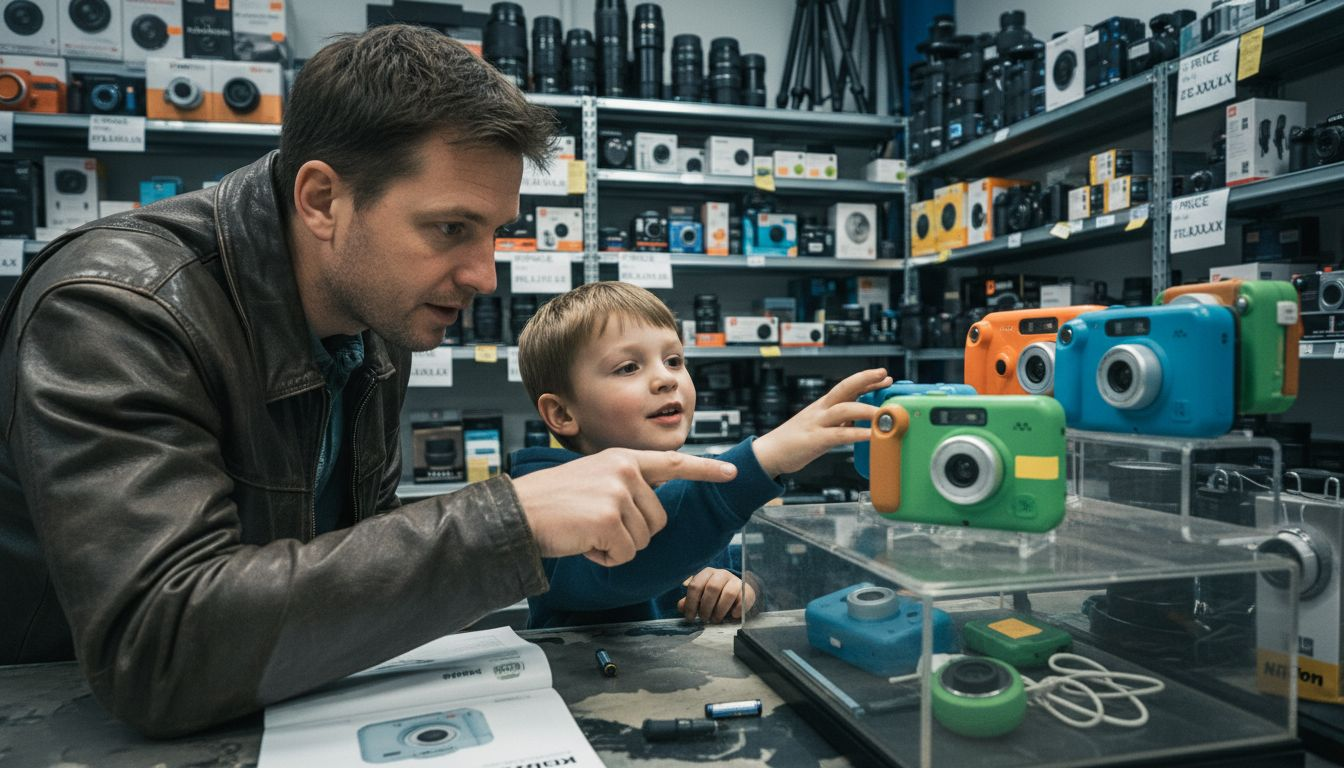
Popular Types by Age and Purpose
Children’s cameras are not one-size-fits-all devices but rather carefully designed tools tailored to specific developmental stages and creative needs. Research from child development studies reveals distinct camera types that align with children’s evolving cognitive and motor skills across different age groups.
For toddlers and preschoolers (ages 3-5), cameras are typically characterised by robust, simplified designs that prioritise durability and basic interaction. These models feature:
- Large, chunky buttons
- Shock-resistant exteriors
- Minimal complex settings
- Bright, engaging colours
- Automatic focus and exposure
As children progress into middle childhood (ages 6-10), cameras become more sophisticated. Wearable camera technologies emerge, offering children more interactive and immersive recording experiences. These cameras typically include:
- Digital zoom capabilities
- Basic video recording functions
- More nuanced colour and composition options
- Lightweight, child-friendly designs
- Simple photo editing features
Teenage Photography Tools represent the most advanced category, where cameras transform into creative expression platforms. These devices often integrate:
- High-resolution image capture
- Advanced editing software
- Social media sharing capabilities
- Professional-grade lens options
- Smartphone connectivity
Each age group requires a uniquely tailored camera experience that balances technological complexity with developmental appropriateness.
Categorisation by Purpose further refines camera selection:
- Educational cameras for classroom projects
- Nature exploration devices
- Adventure and sports documentation cameras
- Creative storytelling tools
- Social interaction and communication devices
Pro tip: Select a camera that challenges but does not overwhelm your child’s current technological comfort zone.
To better understand which camera type suits each age group, see the table below:
| Age Group | Key Camera Focus | Example Feature |
|---|---|---|
| Toddlers (3-5) | Basic interaction | Large, chunky buttons |
| Middle childhood (6-10) | Interactive creativity | Simple photo editing |
| Teenagers (11+) | Advanced expression | High-resolution capture |
Features That Encourage Outdoor Exploration
Designing cameras that inspire children to explore the natural world requires thoughtful engineering and understanding of young learners’ unique interaction patterns. Outdoor-friendly camera features play a crucial role in transforming photography from a passive activity into an engaging, interactive learning experience.
Durability and Protection are fundamental characteristics that enable children to confidently navigate outdoor environments. Cameras designed for nature exploration typically incorporate:
- Robust, shock-resistant exterior
- Water-resistant casing
- Dustproof construction
- Drop-protection mechanisms
- Rubberised grip for secure handling
Children’s curiosity thrives when cameras offer interactive exploration tools. Research in digital learning suggests that cameras with advanced features can significantly enhance outdoor engagement:
- Wide-angle lenses for landscape capture
- GPS tracking capabilities
- Nature identification augmented reality apps
- Quick-start functions
- Simple one-touch recording
Motivational Design Elements transform cameras into powerful learning instruments. Key motivational features include:
- Gamified nature exploration challenges
- Digital badges for wildlife photography
- Comparative image analysis tools
- Environmental learning modules
- Shareable digital journals
Successful outdoor cameras bridge technological innovation with children’s natural sense of wonder and discovery.
Battery and Connectivity Considerations ensure uninterrupted exploration:
- Long-lasting rechargeable batteries
- Solar charging options
- Lightweight design
- Compact storage solutions
- Bluetooth connectivity for instant sharing
Pro tip: Choose a camera that balances robust technical features with intuitive, child-friendly design to maximise outdoor learning potential.
Safety, Durability, and Parental Controls
Navigating the complex landscape of children’s digital experiences requires a nuanced approach to camera technology and safety. Parental control research demonstrates the critical importance of implementing comprehensive safety features that protect children while nurturing their creativity.
Physical Durability Features are fundamental to ensuring a camera’s longevity and child-friendliness. Essential design elements include:
- Shock-resistant external casing
- Impact-absorbing rubber edges
- Non-toxic material construction
- Water-resistant components
- Reinforced lens protection
Digital Safety Mechanisms play an equally crucial role in protecting children’s online experiences. Advanced technology integration enables sophisticated parental control options:
- Content sharing restrictions
- Time-limited usage controls
- Age-appropriate filter settings
- Location tracking capabilities
- Secure cloud storage with encryption
Privacy Protection Strategies address modern digital challenges by implementing multi-layered safeguards:
- Automatic anonymisation of images
- Restricted social media connectivity
- Parental approval for content uploads
- Geofencing digital interactions
- Comprehensive usage reporting
Effective camera safety transcends physical protection, encompassing digital privacy and responsible technological engagement.
Additional Safety Considerations for parents include:
- Regular software updates
- Comprehensive device monitoring
- Open communication about digital safety
- Gradual technology introduction
- Age-appropriate technological boundaries
Pro tip: Regularly discuss digital safety with your child, treating the camera as a learning tool for responsible technology use.
Eco-Friendly Impact and Sustainability Initiatives
Sustainability in children’s camera technology represents a critical intersection between technological innovation and environmental responsibility. Sustainable manufacturing research demonstrates how purposeful design can significantly reduce electronic waste and nurture ecological consciousness from an early age.
Material Innovation plays a pivotal role in creating environmentally responsible camera products. Key sustainable approaches include:
- Recycled plastic casing materials
- Biodegradable component development
- Low-energy manufacturing processes
- Minimalist packaging design
- Modular construction for easier repairs
Lifecycle Management focuses on reducing environmental impact throughout a device’s entire existence. Electronic waste reduction strategies highlight several critical considerations:
- Extended device durability
- Comprehensive repair programmes
- Recyclable electronic components
- Energy-efficient charging solutions
- Transparent environmental impact reporting
Production Philosophy encompasses broader environmental commitments:
- Carbon-neutral manufacturing processes
- Renewable energy in production
- Responsible sourcing of raw materials
- Transparent supply chain practices
- Investment in circular economy principles
Sustainable camera production transcends mere product design, representing a holistic commitment to environmental stewardship.
Additional Ecological Considerations include:
- Promoting long-term product usage
- Encouraging responsible consumer behaviour
- Supporting environmental education initiatives
- Developing innovative recycling programmes
- Investing in green technology research
Pro tip: Choose cameras from manufacturers demonstrating genuine commitment to sustainable practices and transparent environmental reporting.
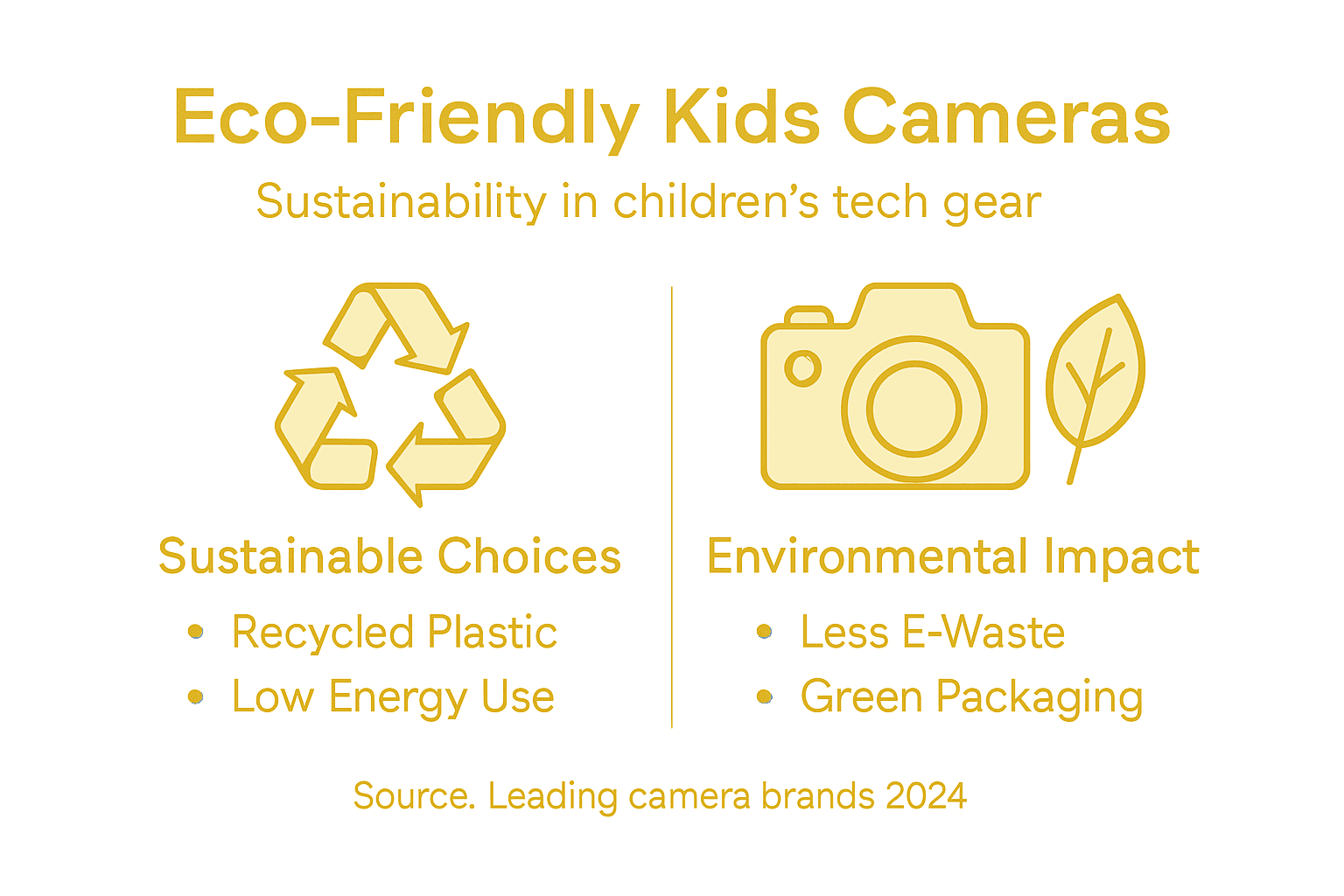
Here is a summary of sustainable camera initiatives and their benefits:
| Sustainability Focus | Practical Example | Environmental Benefit |
|---|---|---|
| Recycled materials | Plastic casing from bottles | Reduces landfill pollution |
| Modular construction | Replaceable camera parts | Extends product lifespan |
| Low-energy production | Solar-powered factory use | Lowers carbon footprint |
Mistakes to Avoid When Choosing
Selecting the right camera for children requires careful consideration and nuanced understanding of developmental needs. Parental selection strategies reveal critical insights into avoiding common purchasing pitfalls that can diminish a child’s creative experience.
Developmental Mismatch Errors represent the most significant selection mistakes parents frequently encounter:
- Choosing cameras too technologically advanced
- Selecting devices incompatible with child’s motor skills
- Ignoring age-specific usability requirements
- Overlooking intuitive design features
- Prioritising aesthetic appeal over functionality
Technical Capability Misconceptions can lead to frustrating experiences. Research on device selection highlights critical evaluation criteria:
- Avoiding cameras with complex menu systems
- Rejecting devices with excessive connectivity risks
- Checking battery life and charging mechanisms
- Evaluating durability beyond marketing claims
- Understanding true child-friendly design principles
Safety and Privacy Considerations demand meticulous attention:
- Neglecting robust parental control settings
- Disregarding data protection mechanisms
- Overlooking potential online sharing risks
- Failing to assess content filtering capabilities
- Ignoring manufacturer’s privacy commitments
Effective camera selection transcends technical specifications, focusing on holistic child development and safety.
Additional Warning Signs parents should recognise:
- Cameras lacking educational value
- Devices with minimal creative potential
- Overpriced products without substantive features
- Cameras promoting passive consumption
- Technologies that discourage outdoor interaction
Pro tip: Prioritise cameras that balance technological capability with age-appropriate learning opportunities and robust safety features.
Inspire Your Child’s Creativity and Love for Nature with The Zoofamily
The article highlights the importance of engaging children with durable, interactive, and educational cameras designed to nurture creativity and outdoor exploration. Many parents face the challenge of finding a camera that balances ease of use, safety features, and the ability to foster a genuine connection to the natural world. At The Zoofamily, we understand these needs and have crafted kids’ cameras that combine robust design, child-friendly technology, and a strong ecological mission.
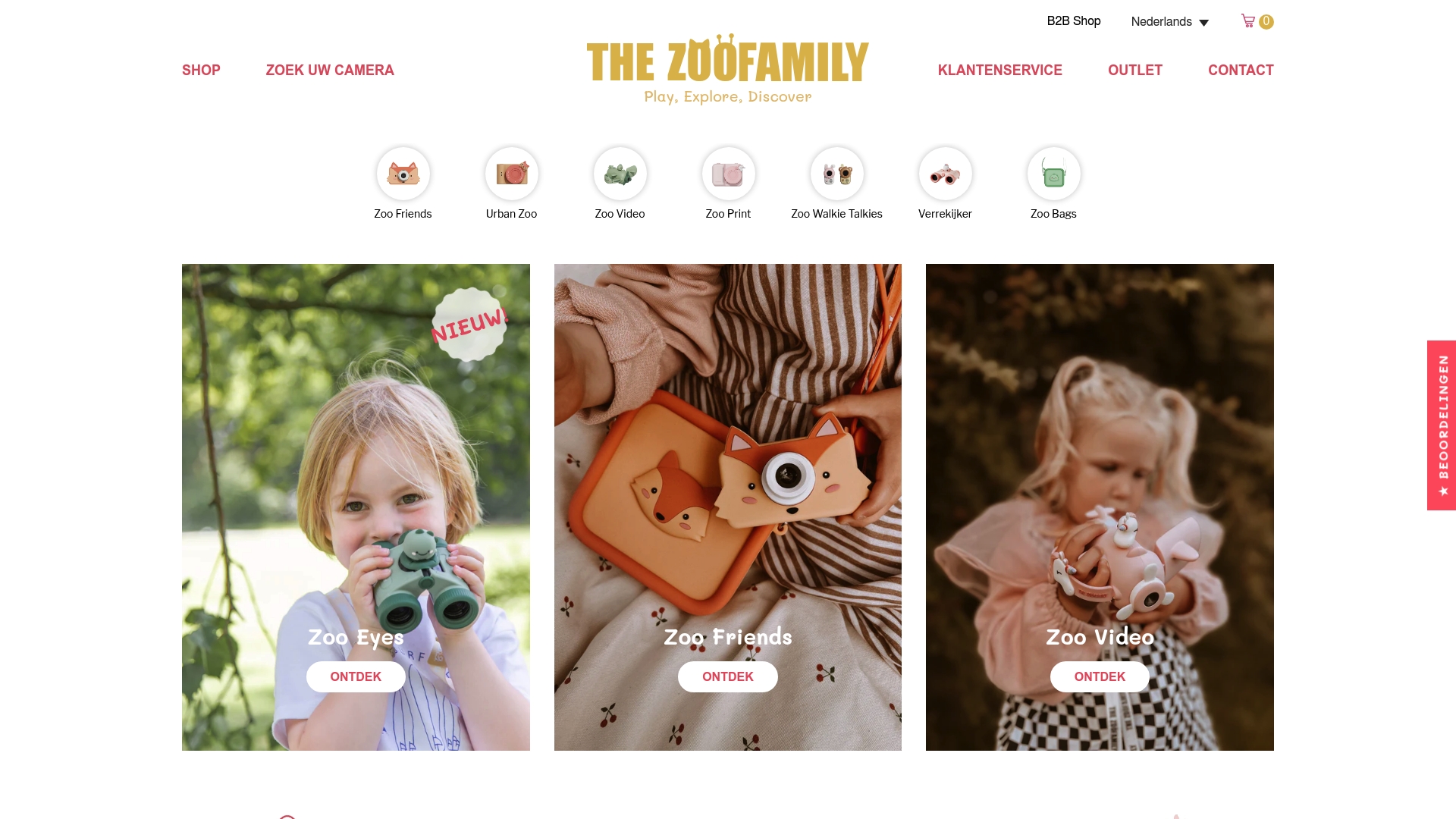
Explore our collection where every camera is inspired by animals to spark curiosity and learning about nature. With each purchase from The Zoofamily, you not only equip your child with the right tools for creative self-expression but also contribute to reforestation efforts as we plant one tree per camera sold. Don’t miss the chance to give your child a safe, sustainable, and inspiring way to capture the world around them. Discover more at our official website and learn why families trust us for quality kids’ cameras designed for every stage of development.
Frequently Asked Questions
What are the key features of kids’ cameras?
Kids’ cameras typically feature robust construction, child-sized ergonomic designs, simple button layouts, bright colours, and automatic settings to simplify usage, making them ideal for young users.
How can kids’ cameras contribute to a child’s development?
Kids’ cameras help develop observational skills, encourage creative expression, and nurture visual communication skills. They serve as educational tools that enable children to document their experiences and learn through photography.
What age is appropriate for children to start using a camera?
Children as young as three can use basic cameras designed for toddlers, while those aged six to ten can manage more sophisticated models that encourage interactive creativity. Teenagers benefit from advanced cameras that facilitate professional-level expression.
What should parents look for when selecting a camera for their child?
Parents should prioritise durability, ease of use, and age-appropriate features over advanced technical specifications. It’s also crucial to consider safety features, parental controls, and the camera’s potential for educational value.
Recommended
- Meilleurs gadgets plein air enfants – Comparatif 2025 – The Zoofamily
- 7 top livres enfants nature pour éveiller l’écologie – The Zoofamily
- 7 top livres enfants nature pour éveiller l’écologie – The Zoofamily
- 7 idées goûter nature enfants pour éveiller leur curiosité – The Zoofamily
- Safari Photography Tips 2025: Capture Africa’s Wild Magic