

Nearly half of British families express interest in living more sustainably, yet many struggle to make daily eco-friendly habits stick. As environmental issues become more urgent, families across Britain are looking for practical ways to reduce their impact without adding stress to busy routines. This guide explores how simple, structured family routines can build lifelong environmental awareness while strengthening connections among family members.
Table of Contents
- Eco-Friendly Family Routines Defined Clearly
- Types of Sustainable Daily Family Habits
- Engaging Children With Eco Activities
- Eco-Friendly Home Practices and Benefits
- Common Pitfalls and How To Avoid Them
Key Takeaways
| Point | Details |
|---|---|
| Eco-Friendly Routines Promote Sustainability | Eco-friendly family routines are essential for instilling environmental consciousness in children through intentional daily practices. |
| Collaborative Engagement is Key | Active participation of all family members in sustainable habits enhances learning and strengthens relationships. |
| Gradual Implementation Reduces Overwhelm | Introducing sustainable practices incrementally allows families to adapt without feeling pressured to change drastically. |
| Awareness of Common Pitfalls is Crucial | Recognising challenges such as financial concerns and resistance to change helps families develop effective, resilient eco-friendly strategies. |
Eco-Friendly Family Routines Defined Clearly
Eco-friendly family routines are systematic, intentional approaches to daily living that prioritise environmental sustainability through deliberate household practices. These routines encompass a comprehensive range of activities designed to minimise ecological impact while simultaneously teaching children valuable life skills and environmental consciousness.
At their core, micro-sustainability practices represent small-scale environmental actions that collectively generate significant ecological benefits. These routines might include simple yet impactful behaviours like systematic recycling, mindful energy conservation, water usage reduction, and conscious consumption patterns. The fundamental principle is transforming everyday family interactions into opportunities for environmental stewardship.
Research indicates that consistent family routines play a crucial role in children’s developmental outcomes. Family routine studies demonstrate that structured, repetitive activities not only contribute to emotional stability but also serve as powerful mechanisms for socialising environmental values. When children observe and participate in eco-conscious behaviours, they internalise sustainable practices as natural components of their lifestyle.
Effective eco-friendly family routines typically involve collaborative engagement, where every family member contributes and learns. These might include activities such as:
- Sorting household waste together
- Planning plant-based meal preparations
- Conducting energy consumption audits
- Creating home garden or composting projects
- Discussing environmental concepts during family time
Pro Tip: Family Sustainability Champion: Rotate weekly responsibility for tracking and reporting your household’s environmental impact, transforming ecological awareness into an engaging, educational family challenge.
For families embarking on sustainable routines, understanding core benefits enhances motivation:
| Key Benefit | Family Impact | Environmental Effect |
|---|---|---|
| Strengthened family bonds | Shared goals, improved collaboration | Increased collective action |
| Child skill development | Responsibility and problem-solving | Future eco-conscious citizens |
| Reduced household costs | Lower utility and shopping expenses | Less resource consumption |
| Healthier lifestyle | Improved nutrition and activity | Lower exposure to pollutants |
Types of Sustainable Daily Family Habits
Sustainable daily family habits represent deliberate lifestyle choices that transform environmental consciousness from abstract concept to tangible practice. These habits encompass strategic approaches to consumption, resource management, and collective family engagement in ecological responsibility.
Simple living principles offer profound insights into sustainable family practices, emphasising lifestyle choices that minimise material consumption while maximising meaningful experiences. Families embracing these principles often prioritise activities that reduce environmental impact, such as growing their own food, limiting technological dependence, and focusing on shared experiences rather than accumulating possessions.
Practical sustainable habits can be systematically integrated into family life through targeted eco-friendly strategies. These might include waste reduction techniques, energy conservation methods, and conscious resource utilisation. Key sustainable habits families can adopt include:
- Implementing comprehensive household recycling systems
- Choosing reusable products over single-use alternatives
- Practicing water conservation through mindful usage
- Creating home vegetable gardens
- Utilising energy-efficient appliances and lighting
- Encouraging walking or cycling for short-distance travel
- Purchasing locally sourced, seasonal produce
Moreover, sustainable habits require consistent family collaboration, transforming environmental stewardship into a shared family mission. Children learn most effectively through active participation, observing parents’ commitment to ecological responsibility and gradually internalising these values as fundamental life principles.
Pro Tip: Sustainability Tracking Challenge: Create a weekly family scorecard to monitor and celebrate your collective environmental actions, turning ecological responsibility into an engaging, motivational family activity.
Engaging Children With Eco Activities
Engaging children with environmental activities requires creativity, patience, and a strategic approach that transforms ecological learning into an exciting, interactive experience. The key is to design activities that are not just educational, but genuinely enjoyable and meaningful for young minds.
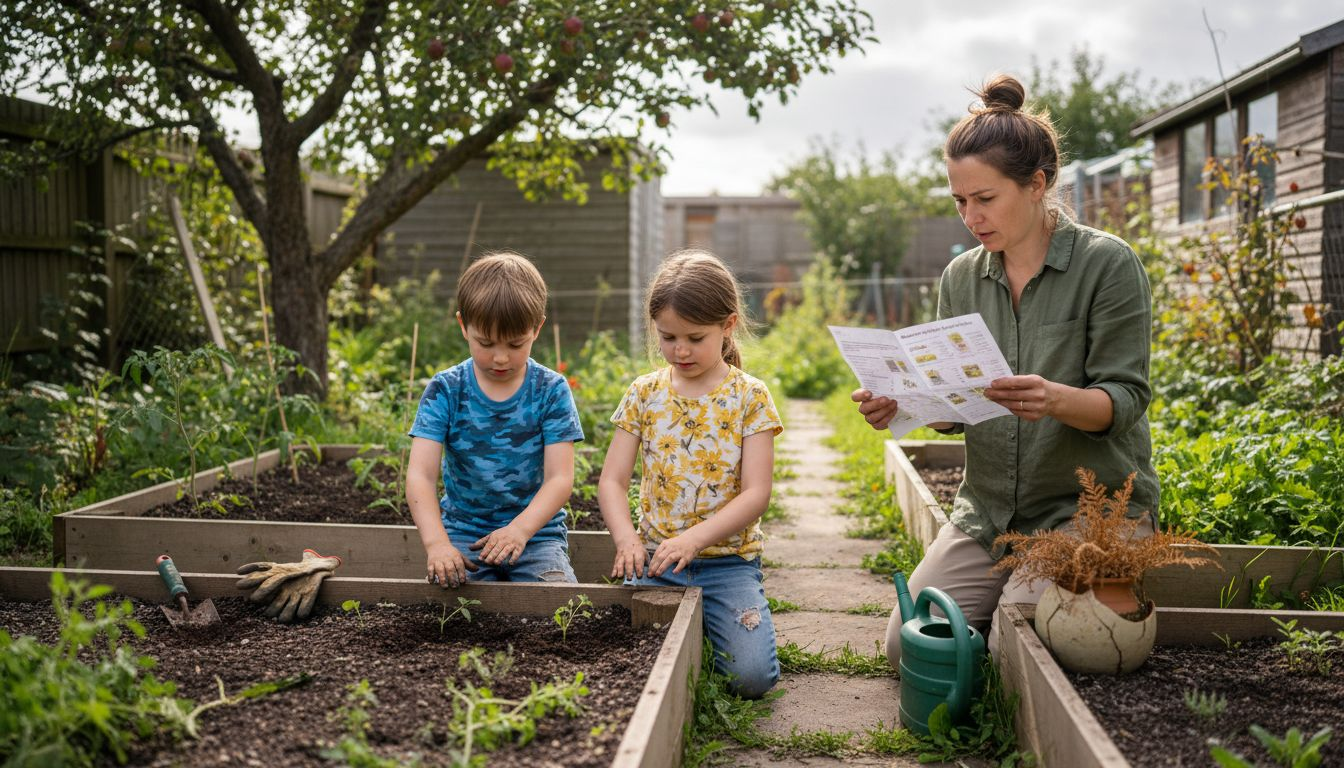
Nature-based family activities offer powerful platforms for introducing children to sustainability principles. Outdoor experiences such as camping, gardening, and ecological exploration provide immersive opportunities for children to connect directly with the environment, developing a profound understanding of ecological interdependence that textbook learning cannot replicate.
Early childhood nature play emerges as a critical mechanism for cultivating environmental consciousness. These experiences go beyond mere instruction, fostering joy, local place identity, and relational values that form the foundation of sustainable thinking. Children who regularly interact with natural environments develop a more intuitive, emotional connection to ecological preservation.
Practical eco-activities families can implement include:
- Creating a home vegetable garden
- Organising neighbourhood clean-up events
- Conducting waste sorting and recycling challenges
- Building insect hotels or bird feeders
- Exploring local natural habitats
- Participating in wildlife observation projects
- Developing art projects using recycled materials
Successful ecological engagement requires making environmental learning playful, hands-on, and intrinsically motivating. Parents should focus on creating positive associations with nature and sustainability, allowing children to experience ecological responsibility as an exciting adventure rather than a chore.
Pro Tip: Eco-Adventure Passport: Design a personalised tracking system where children earn ‘sustainability badges’ for completing environmental activities, transforming learning into an engaging, rewarding game.
Eco-Friendly Home Practices and Benefits
Transforming household practices into sustainable routines represents a powerful strategy for reducing environmental impact and cultivating ecological consciousness within family units. Each intentional choice contributes to broader environmental preservation efforts, creating meaningful change from within domestic spaces.
Eco-sufficiency principles provide a comprehensive framework for minimising resource consumption and living within planetary boundaries. These practices involve strategic approaches to energy use, waste reduction, and conscious consumption that directly challenge traditional household models, encouraging families to reimagine their daily interactions with resources.
Sustainable consumer behaviour emerges as a critical mechanism for translating environmental awareness into tangible household actions. By making deliberate purchasing decisions and adopting resource-conscious strategies, families can significantly reduce their ecological footprint while simultaneously generating economic benefits through reduced consumption.
Practical eco-friendly home practices include:
- Implementing comprehensive recycling systems
- Using energy-efficient appliances
- Choosing products with minimal packaging
- Installing water-saving fixtures
- Utilising natural cleaning products
- Reducing single-use plastic consumption
- Investing in renewable energy solutions
Successful implementation requires consistent family engagement, transforming sustainability from an abstract concept into a lived family experience. Parents play a crucial role in modelling these behaviours, demonstrating that ecological responsibility can be both meaningful and achievable within everyday household contexts.
Pro Tip: Sustainability Audit: Conduct a monthly family review of your household’s environmental practices, celebrating progress and identifying areas for collaborative improvement.
Common Pitfalls and How To Avoid Them
Adopting eco-friendly family practices is not without challenges, and understanding potential obstacles is crucial for developing resilient, sustainable strategies. Families embarking on this journey must anticipate and proactively address potential barriers to maintain long-term commitment to environmental consciousness.
Barriers to pro-environmental behaviour reveal complex psychological, social, and structural challenges that can impede sustainable lifestyle transitions. These obstacles range from ingrained consumption habits to financial constraints and limited access to information, requiring nuanced, multifaceted approaches to overcome.
Sustainable dietary choices demonstrate that socioeconomic factors significantly influence families’ ability to implement eco-friendly practices. Recognising these limitations allows families to develop tailored strategies that work within their specific contextual constraints, ensuring sustainable practices remain achievable and realistic.
Common pitfalls families encounter include:
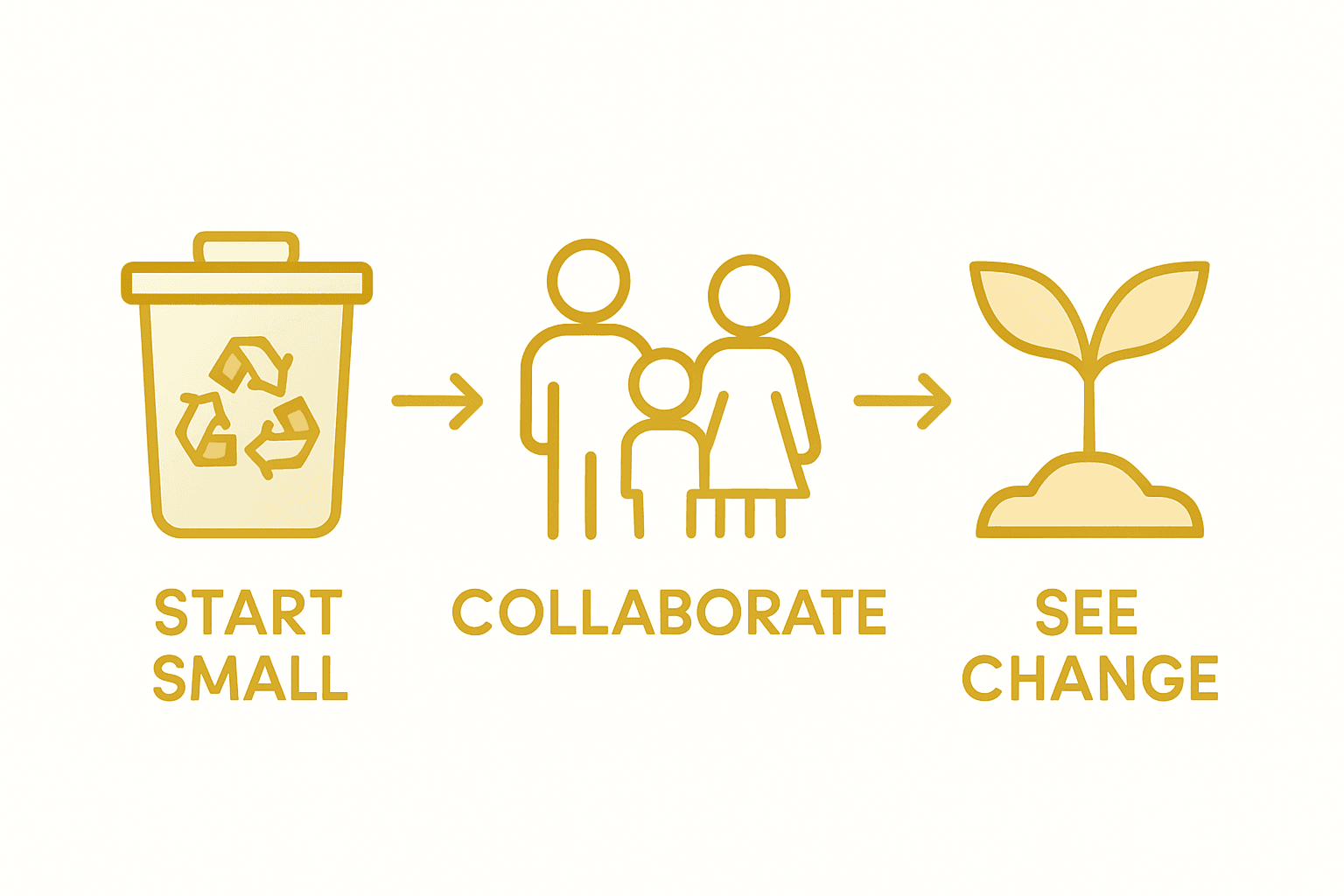
Recognising obstacles helps families plan resilient eco-friendly routines:
| Common Pitfall | Underlying Cause | Suggested Solution |
|---|---|---|
| Overwhelming expectations | Trying to change too quickly | Start with small, gradual steps |
| Inconsistent participation | Lack of routine or motivation | Assign specific roles to all members |
| Financial concerns | Perceived higher costs | Emphasise long-term savings |
| Resistance to change | Comfort with current habits | Highlight benefits and celebrate wins |
- Overwhelming initial expectations
- Inconsistent implementation
- Lack of family-wide engagement
- Financial misconceptions about sustainability
- Insufficient knowledge about practical alternatives
- Resistance to changing established routines
- Feeling discouraged by perceived minimal impact
Successful navigation of these challenges requires patience, collective family commitment, and a flexible, learning-oriented approach. Families should view sustainable practices as an evolving journey rather than a rigid destination, celebrating incremental progress and remaining adaptable to changing circumstances.
Pro Tip: Incremental Implementation Strategy: Start with one sustainable practice per month, allowing your family to gradually build confidence and competence without feeling overwhelmed by dramatic lifestyle changes.
Inspire Your Family’s Eco-Friendly Journey with The Zoofamily
Creating eco-friendly family routines that deeply engage children can feel challenging especially when aiming to build habits grounded in environmental stewardship and joyful learning. The article highlights the importance of consistent, playful participation and overcoming common hurdles like lack of motivation or feeling overwhelmed. At The Zoofamily, we understand these challenges and provide tools designed to naturally spark children’s curiosity about nature while weaving sustainability into everyday play.
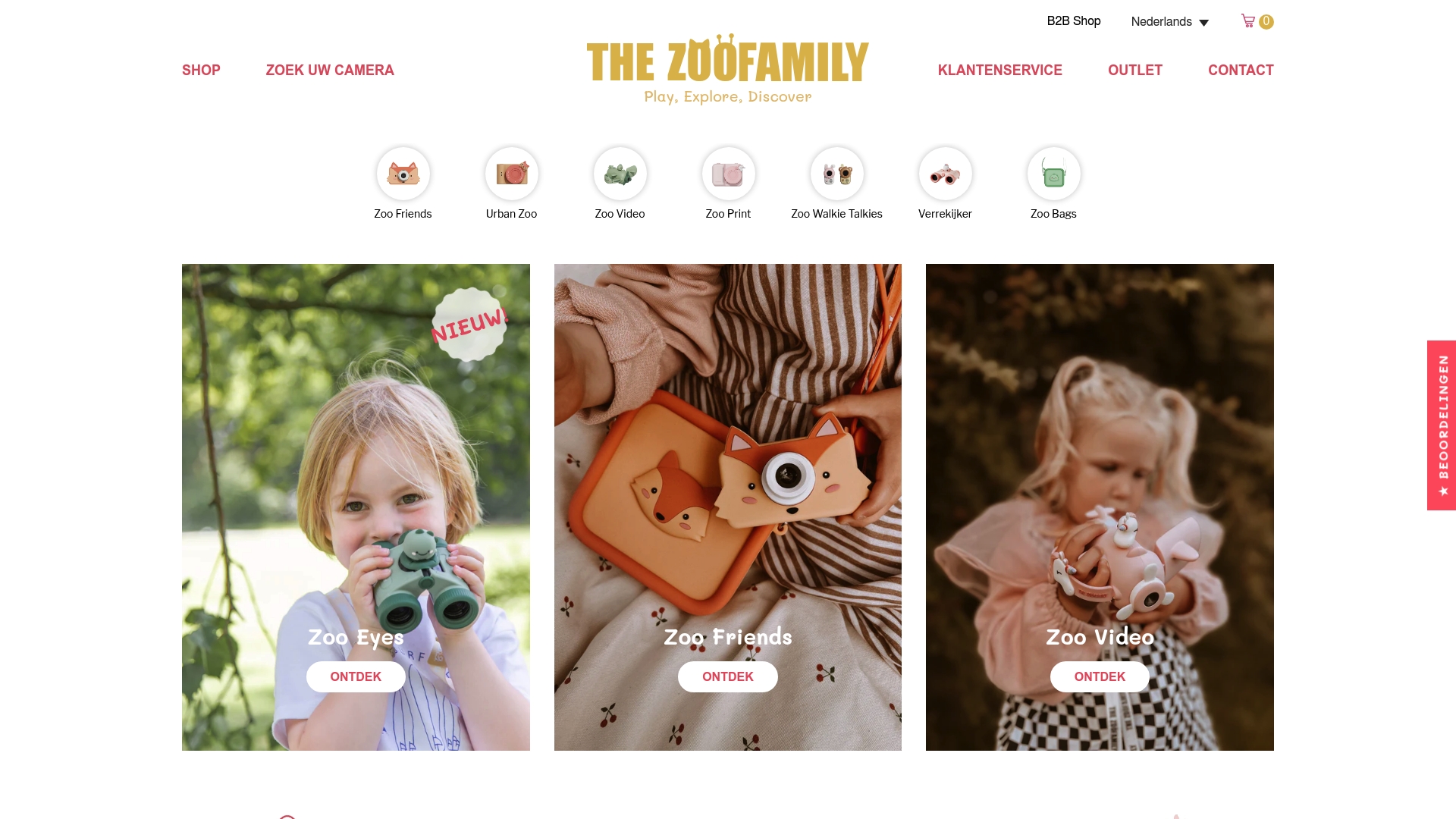
Explore our range of kids’ cameras, walkie-talkies, and binoculars thoughtfully crafted to connect young minds with the natural world. Each product carries an animal reference to ignite a child’s love for ecology and is part of our commitment to plant one tree for every camera sold. This is more than just equipment — it is a way to cultivate meaningful, eco-conscious family experiences in line with concepts like micro-sustainability and eco-activities discussed in the article. Start your family’s journey today by visiting The Zoofamily and discover how you can transform everyday moments into lifelong environmental values.
Frequently Asked Questions
What are eco-friendly family routines?
Eco-friendly family routines are systematic practices that prioritise environmental sustainability in daily living, focusing on minimising ecological impact while teaching children valuable life skills and environmental awareness.
How do family routines impact children’s understanding of sustainability?
Consistent family routines help children internalise eco-conscious behaviours by actively participating in sustainable practices, fostering emotional stability and socialising environmental values as integral to their lifestyle.
What types of activities can families engage in to promote sustainability?
Families can participate in activities such as sorting waste together, planning plant-based meals, conducting energy audits, creating home gardens, and discussing environmental concepts during family time to promote sustainable values.
How can families overcome challenges in adopting eco-friendly practices?
Families can overcome challenges by starting with small, manageable changes, ensuring collective participation, addressing financial misconceptions, and celebrating incremental progress to build consistency and confidence in sustainable routines.
Recommended
- Understanding Eco Friendly Routines for Modern Families – The Zoofamily
- Comment protéger la planète au quotidien avec ses enfants – The Zoofamily
- Eco Friendly Cleaning Tips For Busy European Mums – The Zoofamily
- Comprendre comment prendre soin de la terre pour nos enfants – The Zoofamily
- 7 Anwendungsbeispiele für Batterien im Alltag - accu.blog