

TL;DR:
- Nature photography enhances children’s patience, observation, and respect for wildlife.
- Choosing durable, simple-to-use cameras suited to age encourages outdoor exploration.
- Emphasizing ethical habits fosters conservation values and a meaningful connection to nature.
Many parents wish their children spent more time outdoors, yet struggle to find activities that genuinely hold their attention. Nature photography solves this beautifully. It turns a walk in the park into a mission, a garden into a studio, and a curious child into a patient, observant explorer. Whether your child is five or twelve, picking up a camera outdoors builds creativity, sharpens focus, and quietly nurtures a deep respect for the natural world. This article walks you through choosing the right tools, mastering simple techniques, practising ethical habits, and turning photos into lasting projects your whole family will treasure.
Table of Contents
- How to choose nature photography tools for kids
- Top 5 kid-friendly cameras for outdoor adventure
- Essential nature photography techniques for young explorers
- Ethical and safe nature photography: nurturing respect for wildlife
- Creative projects: turning photos into learning and fun
- What most guides overlook about nature photography for children
- Connect your family with nature through photography
- Frequently asked questions
Key Takeaways
| Point | Details |
|---|---|
| Simple tools work best | Start with robust, age-appropriate cameras or smartphones to build skills and confidence. |
| Ethics and safety matter | Teach kids to observe wildlife respectfully and leave no trace for a positive nature experience. |
| Creativity drives learning | Use photo projects and sharing to nurture curiosity and environmental awareness. |
| Let children lead | Encourage child-driven photo outings and celebrate their unique perspective. |
How to choose nature photography tools for kids
Now that you see the value in nature photography, it is crucial to begin with the right equipment. The good news is that you do not need to spend a fortune. The right tool depends on your child’s age, temperament, and how much outdoor time you already enjoy together.
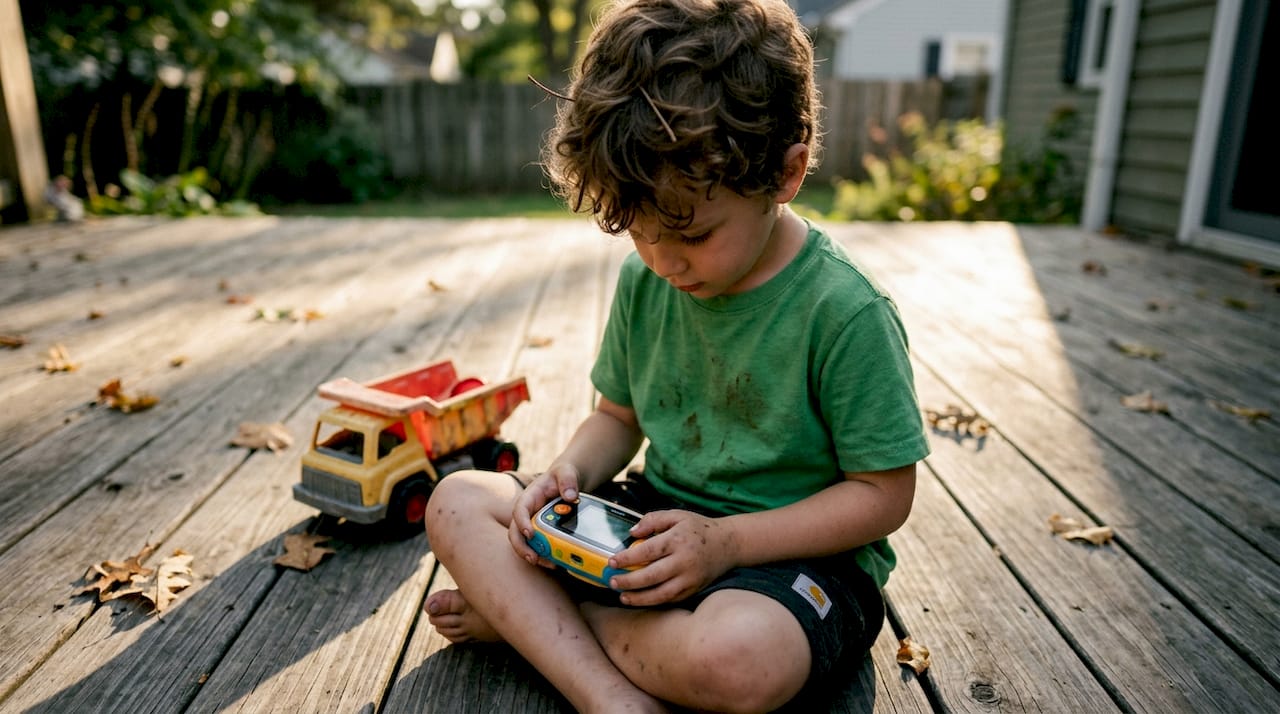
For children aged five to eight, simplicity is everything. Devices like the VTech KidiZoom are purpose-built for small hands, with chunky buttons, bright screens, and robust casings that survive drops on gravel paths. Starting with simple tools like smartphones or kid-friendly cameras works well before progressing to techniques such as macro and composition. For older children aged eight to twelve, an instant camera like the Fujifilm Instax Mini 12 adds a tactile thrill: they press the button and hold a real photo within seconds. That immediacy is incredibly motivating.
When choosing any camera for a child, keep these criteria in mind:
- Durability: Look for rubberised edges, shockproof casings, and waterproof ratings if your child loves streams and muddy fields.
- Grip size: Small hands need compact, lightweight bodies with textured grips.
- Photo modes: Fun filters, timers, and macro settings keep children experimenting rather than bored.
- Ease of use: Fewer menus mean more time shooting and less frustration.
- Battery life: Long-lasting batteries matter on full-day nature outings.
Let your child choose the colour or design of their camera. This small act of ownership makes them far more likely to carry it, use it, and care for it. You can read more about the benefits of kids’ cameras to understand why the right device genuinely shapes a child’s relationship with the outdoors.
Smartphones can work as a first step, provided you supervise screen time and set clear boundaries. Always attach a wrist strap to any device, and keep a protective pouch in your bag. Explore recommended kid cameras for a broader overview of what is currently available across different budgets.
Pro Tip: Before your first outing, practise at home. Let your child photograph a houseplant or the family pet. It builds confidence without the pressure of being outdoors.
Top 5 kid-friendly cameras for outdoor adventure
With criteria in hand, let us look at the best kid-friendly cameras that truly shine outdoors. The market has expanded significantly, and parents in Europe now have excellent options at every price point.
| Camera | Age range | Price range | Key strength |
|---|---|---|---|
| VTech KidiZoom Duo DX | 3 to 8 years | €30 to €50 | Robust, fun filters, dual lens |
| Fujifilm Instax Mini 12 | 8 to 12 years | €70 to €90 | Instant prints, tactile reward |
| The Zoofamily kids’ camera | 5 to 10 years | €40 to €60 | Nature-themed, tree-planting mission |
| Bresser Junior | 6 to 10 years | €35 to €55 | Waterproof, outdoor-ready |
| Dragon Touch Y88 | 5 to 10 years | €25 to €40 | Lightweight, simple interface |
Kid cameras including VTech KidiZoom and Fujifilm Instax Mini 12 are consistently recommended for young photographers across Europe. Each model above has a distinct personality.
The VTech KidiZoom is the classic starter camera. It is nearly indestructible, loaded with games and effects, and keeps younger children engaged long after the novelty of a plain digital camera would fade. The Fujifilm Instax Mini 12 suits older children who want something that feels grown-up. Instant prints mean children can build a physical photo journal from day one.
The Zoofamily kids’ camera stands apart because every purchase plants a real tree. The animal-themed design actively sparks conversations about wildlife and habitats, making it a natural fit for families already interested in ecological photography for children. The Bresser Junior is worth considering if your family spends time near water, as its waterproof build handles splashes and rain without complaint.
Pro Tip: Read about getting kids started with photography before buying. Understanding what techniques your child will practise helps you match the camera to the activity.
- Instant cameras suit children who love crafts and scrapbooking.
- Digital cameras suit children who enjoy reviewing and editing their shots.
- Waterproof cameras suit adventurous children who explore near water.
Essential nature photography techniques for young explorers
With a camera chosen, technique turns everyday walks into photo adventures. The best part is that children pick up these skills naturally when you frame them as games rather than lessons.
- Clean the lens first. A smudged lens ruins every shot. Make wiping the lens a ritual before each outing.
- Use natural light. Overcast days produce soft, even light that is actually ideal for photographing insects and flowers. Avoid harsh midday sun where possible.
- Steady your hands. Teach children to tuck their elbows in and breathe out slowly before pressing the shutter. Even this simple habit reduces blur dramatically.
- Get low. Lying on the ground to photograph a beetle or a mushroom produces far more dramatic images than shooting from standing height.
- Focus on eyes. When photographing animals or insects, focus on eyes for wildlife and approach slowly. A sharp eye in the frame makes any wildlife shot come alive.
- Apply the rule of thirds. Place the subject slightly off-centre rather than dead in the middle. Most cameras have a grid overlay that makes this simple to practise.
- Wait patiently. Birds and insects reward patience. Teach children to sit still and let the wildlife come to them.
“The best wildlife photos are rarely taken in a hurry. Slowing down is the most powerful technique a young photographer can learn.”
Encourage children to experiment with animal photo tips for children and build a personal style over time. Reviewing shots together after each outing is a wonderful bonding ritual. Ask your child what they were trying to capture, and celebrate the attempt as much as the result.
For families wanting to go further, explore nature photo gallery tips and a dedicated natural light photography guide for practical inspiration. A broader beginning nature photography resource is also worth bookmarking for older children ready to go deeper.
Ethical and safe nature photography: nurturing respect for wildlife
While technique is key, safety and ethics in nature photography are just as important. Children who learn to respect wildlife from an early age carry that value into adulthood.
Teach kids to observe without disturbing wildlife to genuinely foster conservation habits. This is not just advice for nature reserves. It applies in your garden, local park, or any green space.
Here are the core ethical habits to build with your child:
- Never chase animals. Running after birds or insects causes real stress to wildlife and almost always results in no photo anyway.
- Leave nests alone. Photographing from a respectful distance protects both the animal and your child.
- Take only photos. Picking flowers, collecting insects, or moving stones disturbs habitats. Teach children to leave everything exactly as they found it.
- Respect protected areas. Many European nature reserves have rules about staying on paths. Explain why these rules exist rather than simply enforcing them.
- Stay quiet. Whispering and moving slowly is both an ethical choice and a practical photography technique.
“When a child understands that their patience protects an animal, photography becomes an act of care rather than just a hobby.”
Use each outing as a chance to discuss habitats, food chains, and why biodiversity matters. These conversations do not need to be formal. A simple “I wonder where that robin sleeps tonight” opens the door. Explore photography ethics for children for structured guidance on building these values progressively.
Setting a good example matters enormously. Children watch what you do far more than they listen to what you say. When you crouch quietly, wait patiently, and whisper with excitement about a spider’s web, you model exactly the behaviour you want to encourage.
Creative projects: turning photos into learning and fun
After learning ethics, it is rewarding to turn children’s nature photos into creative, educational projects. A photograph gains new meaning when it becomes part of something larger.
Nature photography enhances observation, patience, and science and art integration, and workshops consistently report improved nature connection in children who engage with their images creatively.
Here are five project ideas to try at home:
- Nature photo diary. Print one favourite photo from each outing and stick it into a journal with a short caption. Over a year, this becomes a remarkable record of seasons and wildlife.
- Scavenger hunt photography. Create a list of subjects to find and photograph: a yellow flower, a bird in flight, something symmetrical. This sharpens observation skills brilliantly.
- Photo story. Ask your child to arrange five to ten photos into a story with a beginning, middle, and end. This integrates language arts with science naturally.
- Digital collage. Use a free app to arrange photos into themed collections. Seasonal collages make wonderful gifts for grandparents.
- Nature identification project. Use photos to identify species using a field guide or app. This bridges photography with biology in a genuinely engaging way.
| Project type | Skills developed | Materials needed |
|---|---|---|
| Photo diary | Writing, memory, observation | Printer, journal |
| Scavenger hunt | Focus, patience, science | Camera, printed list |
| Photo story | Narrative, sequencing | Camera, paper or app |
| Digital collage | Design, creativity | Tablet or computer |
| Species identification | Science, research | Camera, field guide |
Explore how photography encourages connection with the natural world, and pair photography projects with nature art ideas for a truly rounded creative experience.
What most guides overlook about nature photography for children
Most guides focus on gear lists and formal techniques, and while those things matter, they miss the deeper point entirely. The real magic of nature photography with children has nothing to do with megapixels or composition rules.
It happens when a child lies flat on the ground to photograph a snail and forgets to check their phone. It happens when they ask why a leaf has gone red, or sit silently for three minutes waiting for a robin to return to a branch. That quality of attention is rare and precious, and a camera is simply the tool that invites it.
We believe the best approach is to follow the child’s lead. Let them choose what to photograph. Celebrate the blurry, badly framed, wonderfully enthusiastic shots. Confidence built on imperfect images is far more durable than confidence built on praise for technical perfection.
Nature photography, at its best, builds a nature connection through photography that lasts a lifetime. The child who learned to wait quietly for a butterfly at age seven often becomes the adult who fights to protect the meadow where butterflies still live.
Connect your family with nature through photography
Ready to help your child see the world with new eyes? At The Zoofamily, we believe every child deserves tools that make the natural world feel exciting and worth protecting.
Our nature-themed cameras, binoculars, and walkie-talkies are designed to spark curiosity and build real connections between children and the environment. For every camera sold, we plant one tree, so your purchase directly contributes to restoring natural beauty for future generations. Explore our full range of resources, guides, and community projects at The Zoofamily and give your child the gift of outdoor discovery today.
Frequently asked questions
What age is best for starting nature photography with kids?
Children as young as five can enjoy nature photography, especially with durable, easy-to-use cameras or supervised smartphone use. Starting early builds patience and observation skills that benefit children well beyond photography.
What are the most important safety tips for children’s nature photography?
Supervise children at all times, avoid dangerous wildlife or unstable environments, and teach kids to observe without disturbing animals or protected habitats. A wrist strap on the camera prevents accidental drops near water.
How can we display or share kids’ nature photos at home?
Try photo albums, storyboards, wall prints, or a digital slideshow to celebrate your child’s work and progress. Displaying photos publicly builds genuine pride and encourages children to keep going.
Are instant cameras or digital cameras better for young children?
Instant print cameras offer immediate fun and physical keepsakes, while digital cameras support editing and skill-building over time. The best choice depends on whether your child prefers crafts or technology.
Recommended
- Initier à la photographie écologique pour enfants facilement – The Zoofamily
- Benefits of Kids’ Cameras – Fostering Creativity and Nature Connection – The Zoofamily
- Trouver Inspiration Nature Dessin : Stimuler L’imagination Des Enfants – The Zoofamily
- Reisen mit Kindern – Familienabenteuer bei Helmchen & Reichert Reiseexperten.de