

Finding eco-friendly gifts that spark a genuine love of nature can feel daunting for any british or European parent. Nearly 60 percent of Western European families now choose educational presents to nurture curiosity and environmental understanding in their children. Supporting your child’s fascination with animal behavior, while making choices that respect the planet, means each purchase has lasting impact. Discover practical ideas and insights to inspire mindful gift-giving and deepen your family’s connection with the natural world.
Table of Contents
- Defining Animal Behaviour In Childhood
- Types Of Animal Interactions For Children
- Developmental Benefits Of Nature Connection
- Selecting Safe Eco-Conscious Educational Gifts
- Common Pitfalls And How To Avoid Them
Key Takeaways
| Point | Details |
|---|---|
| Child-Pet Interactions | Engaging with pets enhances children’s emotional and cognitive development, fostering skills such as empathy and non-verbal communication. |
| Types of Interactions | Children benefit from varied interactions with animals, including physical, caretaking, and observational experiences that support their learning. |
| Nature Connection Benefits | Connecting with nature significantly boosts children’s cognitive skills, emotional regulation, and social competence through immersive experiences. |
| Safe Engagement Practices | It is crucial to educate children about safe animal interactions to prevent misunderstandings and ensure the well-being of both children and animals. |
Defining animal behaviour in childhood
Understanding animal behaviour during childhood represents a fascinating exploration of how young minds interpret and interact with the natural world. Children possess an innate curiosity about animals that goes beyond mere observation, developing complex emotional and cognitive connections that shape their early understanding of ecological relationships.
Research indicates that child-pet interactions profoundly influence developmental processes, revealing intricate patterns of emotional attachment and learning. Young children do not simply view animals as passive entities but actively engage with them through nuanced social interactions. These relationships help children develop critical skills such as empathy, responsibility, and non-verbal communication, creating a foundational understanding of animal behaviour that extends far beyond basic companionship.
Animals provide children with unique opportunities to learn about social dynamics, emotional intelligence, and interpersonal relationships. Through careful observation and interaction, children begin to recognise subtle behavioural cues, understanding that animals communicate through complex systems of body language, vocalisations, and contextual responses. Animal-assisted activities demonstrate significant developmental benefits, helping children develop emotional intelligence and social competence.
Pro tip: Encourage your child to observe animals quietly and respectfully, using binoculars or a nature journal to document their unique behavioural observations and interactions.
Types of animal interactions for children
Children experience diverse forms of animal interactions that play crucial roles in their emotional and cognitive development. Children’s interactions with animals encompass multiple engagement styles, ranging from direct physical contact to observational learning, each contributing uniquely to their understanding of animal behaviour and social dynamics.
These interactions typically manifest across several key categories. Physical interactions involve direct contact such as petting, stroking, or holding animals, which help children develop tactile awareness and sensory understanding. Caretaking interactions include feeding, grooming, and nurturing activities that teach responsibility and empathy. Observational interactions occur when children watch animals, learning about their movements, communication patterns, and social structures without direct physical contact.
Different environments provide unique opportunities for animal interactions. Homes with companion animals offer consistent, intimate interactions, while educational settings like wildlife centres, farms, and nature reserves provide structured learning experiences. Therapeutic contexts such as animal-assisted therapy programmes create specialised interaction opportunities for children with specific developmental or emotional needs, enabling profound learning and emotional connection.
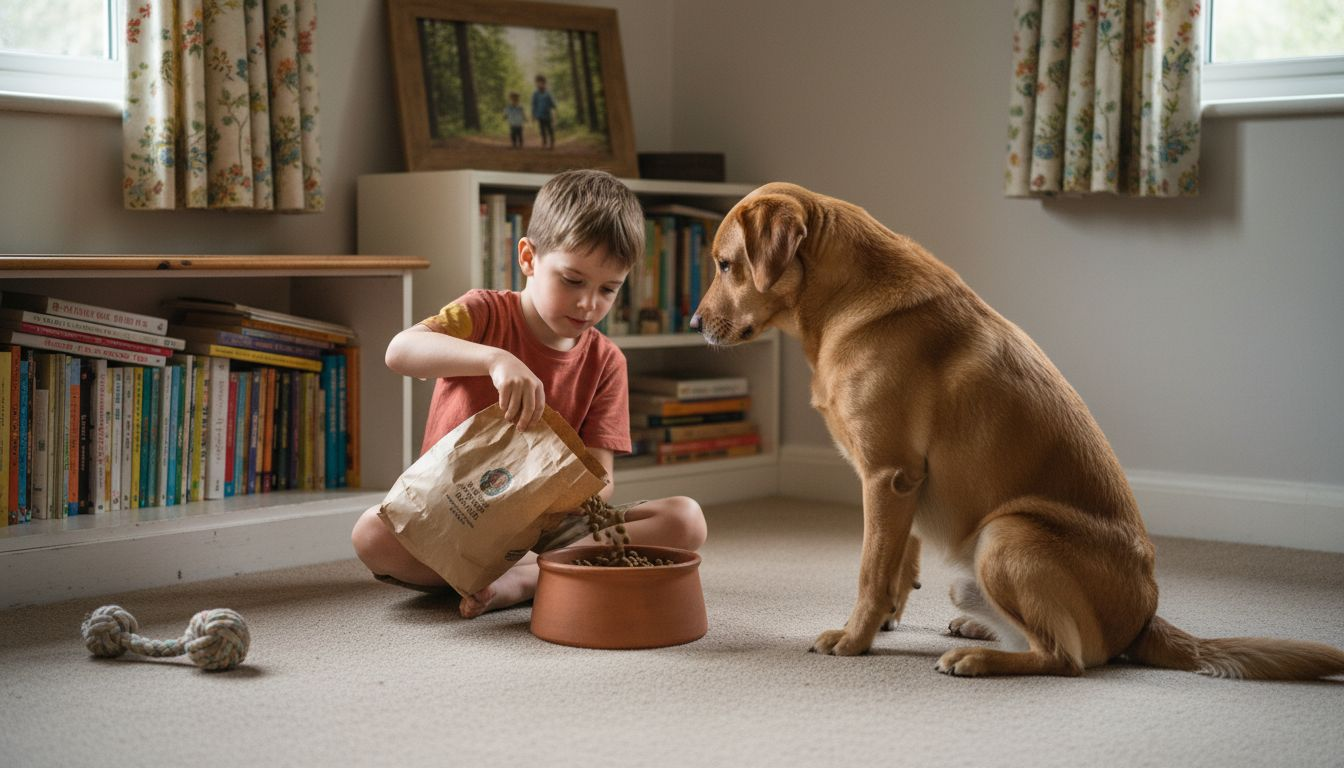
Here’s a quick comparison of common environments for children’s animal interactions:
| Environment Type | Interaction Style | Learning Focus | Example Setting |
|---|---|---|---|
| Home with Pets | Daily, intimate contact | Empathy, responsibility | Living with a dog |
| Wildlife Centre | Guided observation | Animal behaviour knowledge | School field trip |
| Therapy Programme | Structured engagement | Emotional support, coping | Animal-assisted therapy |
| Nature Reserve/Farm | Supervised exploration | Understanding ecosystems | Farm visit |
Pro tip: Create a weekly “animal observation journal” where children can document their interactions, drawings, and insights about animal behaviour, encouraging mindful and structured learning.
Developmental benefits of nature connection
Nature connectedness plays a transformative role in children’s holistic development, offering profound psychological and cognitive benefits that extend far beyond simple outdoor experiences. By immersing children in natural environments, parents and educators can unlock significant developmental potentials that support emotional regulation, creativity, and social competence.
The developmental advantages of nature connection are multifaceted. Cognitive development emerges through direct environmental interactions, where children learn complex problem-solving skills by observing natural systems. Emotional regulation improves as children experience the calming influences of green spaces, reducing stress and enhancing their ability to manage complex feelings. Social competence grows through collaborative outdoor learning experiences that encourage teamwork, communication, and empathy towards living systems.
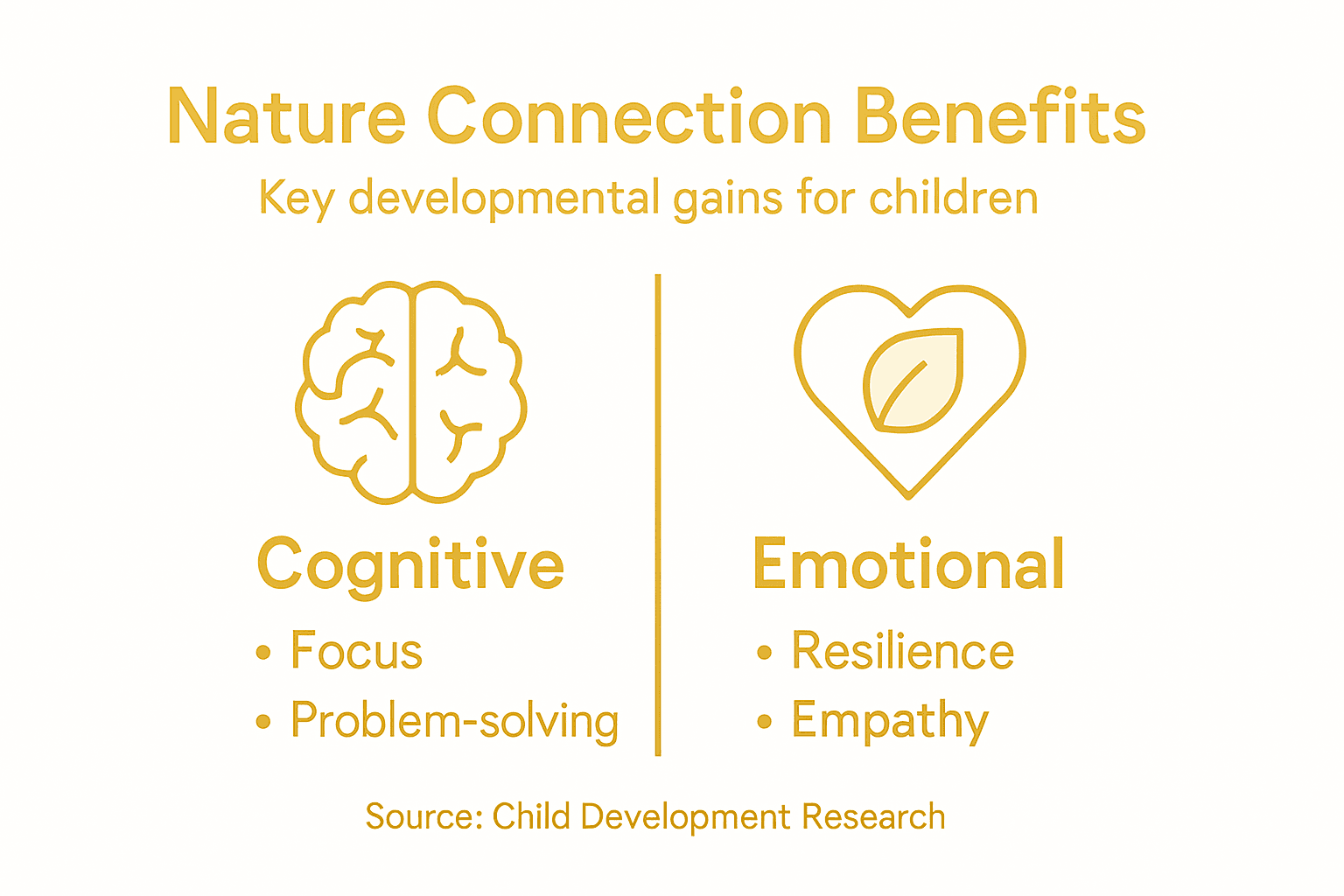
Outdoor learning approaches contribute significantly to children’s personal growth, creating opportunities for autonomy and self-discovery. School gardens, nature trails, and wilderness experiences provide structured environments where children can develop pro-environmental attitudes, build self-efficacy, and understand their interconnectedness with the broader ecological world. These experiences not only support academic progress but also nurture a deep, intrinsic respect for natural environments.
Summary of key developmental benefits linked to child-nature connection:
| Benefit Type | Explanation | Example Impact |
|---|---|---|
| Cognitive Development | Problem-solving skills via exploration | Analysing ecosystems |
| Emotional Regulation | Calming effect of green spaces | Lowered stress levels |
| Social Competence | Teamwork in outdoor activities | Improved peer relations |
| Self-Efficacy | Autonomy in nature-based tasks | Increased confidence |
Pro tip: Create a weekly nature exploration routine with your child, documenting discoveries through photographs, sketches, or short journal entries to cultivate continuous engagement and learning.
Selecting safe eco-conscious educational gifts
Sustainable educational gifts play a critical role in nurturing children’s environmental awareness, offering more than mere entertainment. These carefully selected presents serve as powerful tools for learning, encouraging children to develop a deep, meaningful connection with the natural world while supporting their cognitive and emotional growth.
Safety and educational value are paramount when choosing eco-conscious gifts. Parents should prioritise items made from natural, non-toxic materials that stimulate curiosity and hands-on learning. Recommended gift categories include nature exploration kits, recycling project sets, botanical growing collections, and scientific observation tools that transform learning into an immersive, interactive experience. These gifts not only entertain but also cultivate critical thinking, problem-solving skills, and environmental responsibility.
Collaboration between parents and educators enhances the impact of these thoughtful gifts. By selecting presents that align with educational objectives, families can create meaningful learning experiences that extend beyond traditional classroom settings. Gifts that encourage outdoor exploration, scientific observation, and ecological understanding help children develop a nuanced appreciation for environmental systems, biodiversity, and sustainable practices.
Pro tip: Research gifts that offer multiple layers of engagement, such as nature observation kits with journaling components or recycling project sets that combine creative learning with environmental stewardship.
Common pitfalls and how to avoid them
Human-animal interaction research reveals significant methodological challenges in understanding and managing children’s experiences with animals. Parents and educators must be aware of potential risks and misconceptions that can arise during these delicate interactions, ensuring both child safety and animal welfare.
One critical pitfall is anthropomorphic interpretation, where children project human emotions and expectations onto animals. Children often misunderstand animal behaviours, expecting compliance or consistent responses that do not align with natural animal instincts. This can lead to potential misunderstandings, stress for the animal, and potential safety risks if children do not recognise warning signs or boundaries.
To mitigate these risks, parents and educators must implement structured approaches to animal interactions. This involves comprehensive preparation, teaching children about animal communication signals, respecting animal boundaries, and understanding that each animal has unique behavioural patterns. Supervised interactions, clear guidelines, and ongoing education about animal welfare are essential components of creating safe, positive experiences that support both children’s learning and animal well-being.
Pro tip: Develop a family or classroom “animal interaction protocol” that includes specific rules about approaching, touching, and observing animals, emphasising respect and careful observation.
Spark Your Child’s Connection with Nature Using Innovative Tools from The Zoofamily
Children’s early understanding of animal behaviour and their emotional connection with the natural world shape a lifelong eco-awareness. The challenge lies in nurturing this curiosity through respectful observation and meaningful, safe interactions that build empathy and responsibility. The Zoofamily understands these developmental needs by offering specialised kids’ cameras, walkie-talkies, and binoculars crafted to encourage quiet, focused engagement with wildlife and nature.
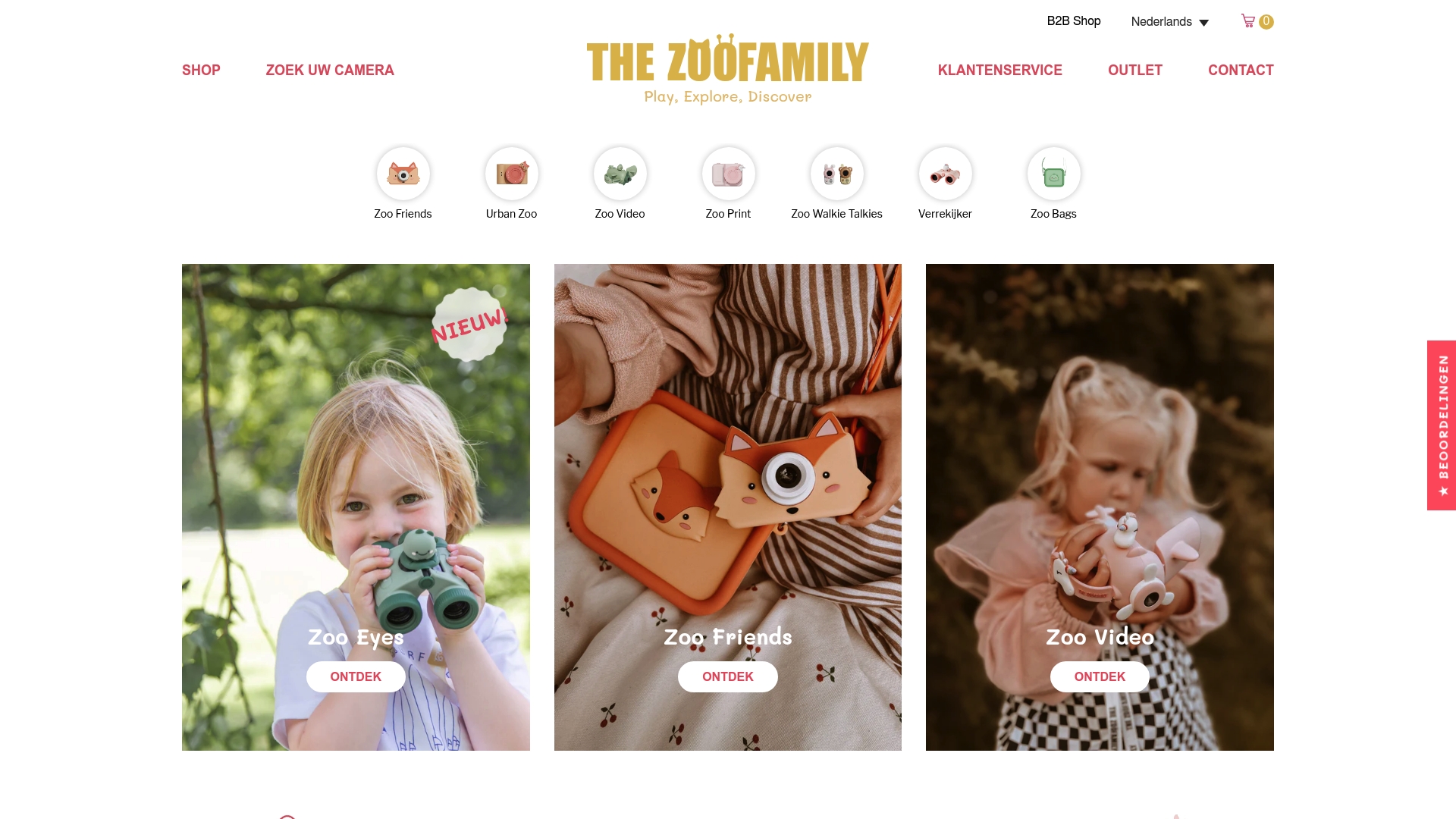
Give your child the power to explore animal behaviour firsthand while fostering creativity and environmental respect. Every product you purchase from The Zoofamily supports reforestation efforts, planting one tree per camera sold, making each exploration a contribution to a greener future. Dive deeper into how our nature-inspired tools complement educational goals by visiting our website and start nurturing your child’s eco-consciousness today through interactive learning and discovery.
Frequently Asked Questions
What are the developmental benefits of animal interactions for children?
Animal interactions help children develop empathy, responsibility, and non-verbal communication skills. They also improve emotional intelligence and social competence through observing and engaging with animals.
How can parents encourage positive animal behaviour observations in their children?
Parents can promote positive observations by encouraging their children to engage quietly with animals, using tools like binoculars or journals to document their observations respectfully.
What types of animal interactions are best for children’s learning?
The best types of interactions include physical contact (like petting), caretaking (feeding or grooming), and observational learning, all of which contribute uniquely to understanding animal behaviour and social dynamics.
What safety measures should be taken during child-animal interactions?
Parents should educate children about animal communication signals, establish clear rules for approaching and observing animals, and ensure that interactions are supervised to respect the animal’s boundaries and comfort.
Recommended
- Comment protéger la planète au quotidien avec ses enfants – The Zoofamily
- Understanding Eco Friendly Routines for Modern Families – The Zoofamily
- Comprendre comment prendre soin de la terre pour nos enfants – The Zoofamily
- Making Learning Fun: Engaging Activities for Your Kids – The Zoofamily
- 7 kroków: checklista sprzątania bez chemikaliów w domu