


Brain development in children is more astonishing than most people imagine and every parent wants to give their child the best possible start. Yet while you may be filling your child’s life with colour books and bedtime stories there is one fact that rarely gets the attention it deserves. During the first years of life, a child’s brain forms approximately 1 million new neural connections every single second. This rapid-fire network building does not just happen in the classroom or with expensive gadgets. The most powerful boosts come from the everyday moments you share at home.
Table of Contents
- Understanding Early Childhood Brain Growth
- Key Factors Influencing Brain Development
- Supporting Your Child’s Brain Through Play
- Choosing Gifts That Boost Brain Power
Quick Summary
| Takeaway | Explanation |
|---|---|
| Healthy sleep supports brain growth. | Consistent, quality sleep is crucial for cognitive development and memory consolidation in children. |
| Nutrition influences brain structure. | Balanced diets rich in omega-3, proteins, and vitamins support neural connectivity and cognitive function. |
| Interactive play boosts learning. | Engaging in playful interactions with children promotes emotional regulation and cognitive skills through essential neural connections. |
| Toys should challenge cognitive skills. | Selecting toys that stimulate problem-solving and creativity enriches children’s learning and developmental experiences. |
| Create enriching environments for brain development. | Stimulating physical and social surroundings enhance cognitive potential and encourage curiosity in young minds. |
Understanding Early Childhood Brain Growth
Childhood brain development represents a remarkable journey of neurological transformation that shapes a child’s entire future. The human brain undergoes extraordinary changes during the early years, creating neural connections at an astonishing rate that will fundamentally influence cognitive, emotional, and social capabilities.
The Foundations of Neural Growth
During the first eight years of life, the brain experiences unprecedented development. The Centers for Disease Control and Prevention emphasizes that these years are critical, with experiences directly impacting future learning potential and overall neurological health. Children’s brains create approximately 1 million neural connections every single second, a process far more dynamic than most parents realise.
Neuroplasticity plays a pivotal role in this developmental stage. Young brains possess an extraordinary capacity to adapt, reorganise, and form new connections based on environmental stimuli and experiences. This means that every interaction, every moment of play, learning, and exploration contributes to building the foundational infrastructure of a child’s cognitive capabilities.
Sleep and Brain Development
Research published in a systematic review highlights the profound connection between sleep and cognitive development. Preschool-aged children who experience higher quality and quantity of sleep demonstrate markedly better behavioral and cognitive outcomes. This underscores the critical importance of establishing consistent, healthy sleep routines.
Quality sleep supports multiple aspects of brain growth. During restful periods, the brain consolidates memories, processes emotional experiences, and strengthens neural pathways. Parents can support this process by maintaining consistent bedtime routines, creating calm sleep environments, and ensuring children receive age-appropriate amounts of rest.

Environmental Enrichment and Cognitive Potential
Scientific research on environmental enrichment reveals fascinating insights into brain development. Stimulating physical and social surroundings can significantly enhance cognitive growth, leading to more complex neural structures and increased synaptic connections.
Environmental enrichment goes beyond physical toys or educational materials. It encompasses diverse experiences that challenge and engage a child’s developing brain. This might include interactive play, exposure to varied sensory experiences, opportunities for social interaction, and environments that encourage curiosity and exploration.
Understanding childhood brain development empowers parents to create nurturing conditions that support optimal neurological growth. By recognising the incredible plasticity and potential of young brains, we can provide experiences that lay the groundwork for lifelong learning, emotional intelligence, and cognitive resilience.
Key Factors Influencing Brain Development
Brain development in children is a complex process influenced by multiple interrelated factors that extend far beyond genetic predisposition. Understanding these key elements provides parents with powerful insights into supporting their child’s neurological growth and potential.
Nutrition and Neural Development
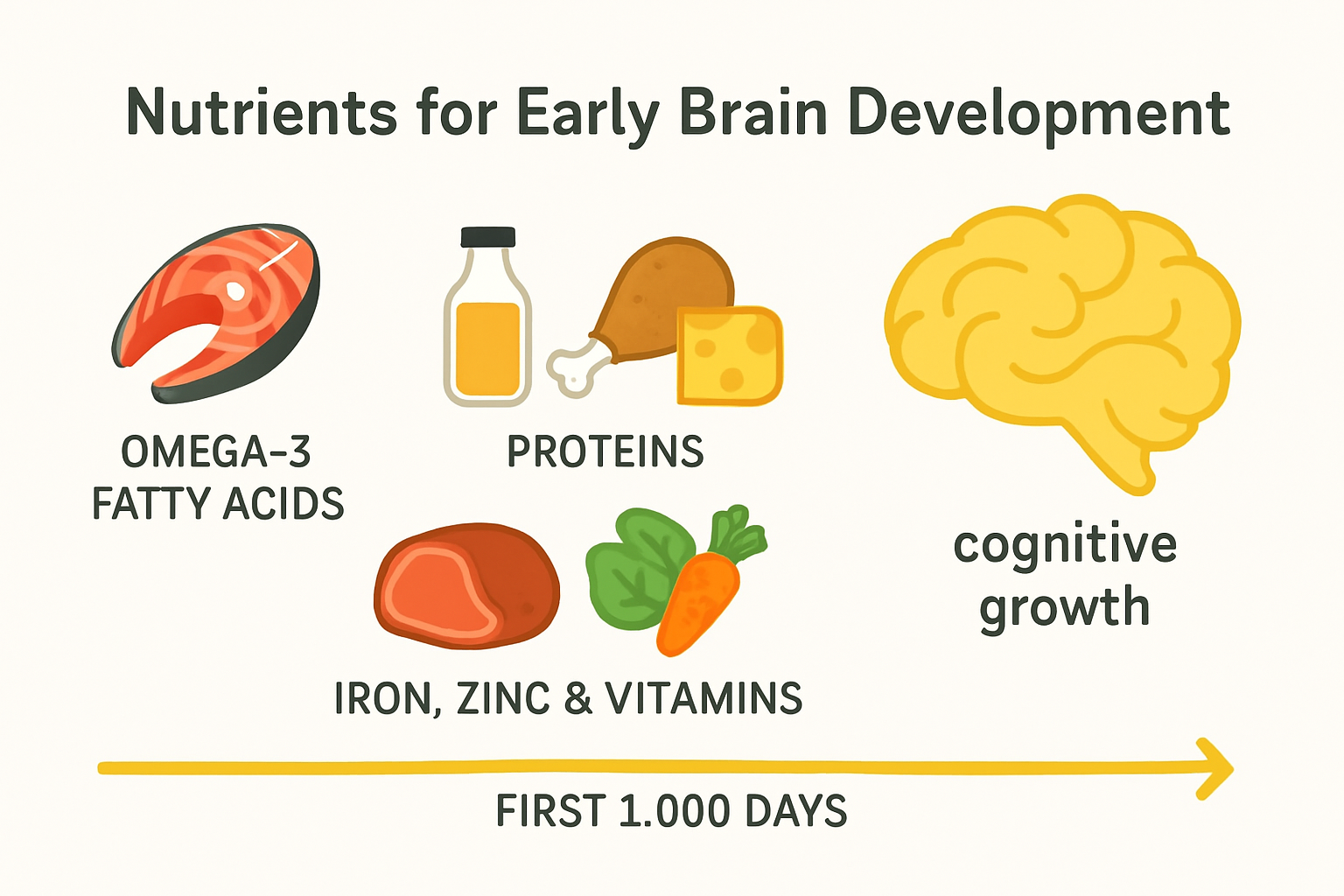
Research published in the Journal of Pediatrics emphasizes the extraordinary importance of nutrition during the first 1,000 days of life. Balanced nutrition serves as a fundamental building block for proper neural maturation, directly impacting brain structure and cognitive function.
Key nutritional elements crucial for brain development include omega-3 fatty acids, proteins, iron, zinc, and vitamins. These nutrients support neurotransmitter production, myelin formation, and overall neurological connectivity. Children receiving comprehensive nutritional support demonstrate enhanced cognitive capabilities, improved memory retention, and better emotional regulation.
Environmental Experiences and Neurological Adaptation
The National Academies Press highlights that early experiences profoundly shape a child’s developmental trajectory. Positive interactions, stimulating environments, and consistent emotional support trigger neurological adaptations that enhance brain plasticity.
Quality interactions encompass more than structured learning. Meaningful conversations, responsive caregiving, physical play, and exposure to diverse sensory experiences all contribute to neural network development. Children exposed to rich, supportive environments demonstrate greater cognitive flexibility, emotional intelligence, and problem-solving skills.
Stress and Neurological Resilience
Early childhood experiences with stress can significantly impact brain development. Chronic stress triggers hormonal responses that potentially disrupt normal neurological growth patterns. However, supportive relationships and consistent emotional nurturing can mitigate these negative influences.
Parents play a critical role in creating emotional buffers. By providing predictable, safe environments and responding sensitively to a child’s emotional needs, they help develop neurological resilience. This approach supports healthy stress response mechanisms and promotes adaptive brain development.
Comprehensive brain development requires a holistic approach. Nutrition, environmental experiences, emotional support, and stress management intertwine to create the foundation for a child’s cognitive and emotional potential. By understanding these interconnected factors, parents can create optimal conditions for their child’s neurological growth.
This summary table outlines key environmental and parental factors that influence children’s brain development as highlighted in the article, helping parents focus on what matters most:
| Factor | How It Influences Brain Development | Parental Action |
|---|---|---|
| Nutrition | Builds brain structure, supports connectivity via essential nutrients | Provide balanced meals rich in omega-3s, protein, vitamins |
| Sleep | Consolidates memory, supports emotional processing and cognitive function | Maintain consistent, calming bedtime routines |
| Play (structured & unstructured) | Creates neural connections, improves executive function, creativity | Engage in interactive and diverse play, encourage free play |
| Environmental enrichment | Enhances synaptic connections, stimulates cognitive growth | Offer varied sensory stimuli and social experiences |
| Emotional support | Builds neurological resilience, buffers against stress | Respond sensitively, create safe and predictable routines |
| Stress management | Prevents disruption of normal growth patterns | Provide nurturing, reduce chronic stress, offer predictability |
Supporting Your Child’s Brain Through Play
Play represents far more than mere entertainment for children. It is a sophisticated neurological mechanism through which young minds explore, learn, and develop critical cognitive and social skills. Understanding the profound impact of play can transform how parents approach their child’s developmental journey.
The Science of Playful Learning
Harvard University’s Center on the Developing Child reveals the critical importance of interactive play experiences. The concept of ‘serve and return’ interactions during play creates powerful neural connections essential for learning, memory, and emotional regulation. When parents engage meaningfully during play, they actively contribute to their child’s brain architecture.
Play stimulates multiple brain regions simultaneously. Different play activities activate various cognitive functions memory processing, problem solving, spatial reasoning, and emotional intelligence. Imaginative scenarios, constructive games, and physical activities each contribute unique neurological benefits, helping children develop complex cognitive frameworks.
Unstructured Play and Brain Development
Research from the National Institutes of Health highlights the extraordinary value of free play. Unstructured play experiences are directly linked to improved executive function, enhanced self regulation, and increased creativity. Children who engage in spontaneous play demonstrate greater adaptability and more sophisticated cognitive processing.
Unstructured play allows children to explore without predetermined outcomes. Building blocks, imaginative role play, outdoor exploration, and open ended creative activities provide opportunities for children to develop problem solving skills, emotional resilience, and independent thinking. These experiences are fundamental to developing flexible neural networks that support lifelong learning.
Creating Playful Learning Environments
Designing environments that encourage diverse play experiences is crucial for brain development. Parents can support this by providing varied materials that invite exploration curiosity and creativity. Simple tools like building blocks, art supplies, musical instruments, and open ended toys can transform playtime into rich learning opportunities.
Interactive play with parents amplifies learning potential. Joining children in their play, asking open ended questions, and responding enthusiastically to their discoveries creates powerful learning moments. These interactions are not just enjoyable but serve as critical neurological stimulation that supports brain growth.
Play is a powerful developmental tool that goes far beyond simple entertainment. By understanding its neurological significance, parents can transform everyday moments into extraordinary opportunities for learning, growth, and brain development. Embracing play as a fundamental aspect of childhood means recognising its role in shaping intelligent, emotionally resilient, and creative individuals.
Choosing Gifts that Boost Brain Power
Gifts are more than simple presents. They represent strategic opportunities to support a child’s cognitive development, offering tools that can stimulate brain growth, enhance learning capabilities, and make developmental milestones enjoyable.
Neurological Benefits of Strategic Toy Selection
The Center on the Developing Child at Harvard University emphasizes that play is fundamental for developing robust brain architecture. Thoughtfully selected toys can help children practice critical executive function skills such as attention focusing, working memory enhancement, and self-control development.
Not all toys are created equal. The most beneficial gifts engage multiple cognitive domains simultaneously. Toys that encourage problem solving, spatial reasoning, creativity, and social interaction provide the most comprehensive neurological stimulation. These gifts act as educational tools disguised as entertainment, making learning an exciting and natural process.
Science-Backed Toy Selection Strategies
Research from the American Academy of Pediatrics reveals fascinating insights into play’s neurological impact. Play stimulates brain-derived neurotrophic factor (BDNF), a protein supporting neuron survival and growth. Specific toys can activate neurotransmitters like dopamine and norepinephrine, which facilitate synaptic learning and improve brain plasticity.
Ideal gifts include construction sets, puzzles, musical instruments, art supplies, and interactive learning games. These items encourage exploration, hypothesis testing, and creative thinking. Building blocks, for instance, support spatial reasoning, while musical instruments enhance auditory processing and fine motor skills.
Age-Appropriate Cognitive Enrichment
The Brookings Institution suggests that toys should match developmental stages while introducing gentle challenges. Gifts with surprising elements or those tapping into a child’s inherent joy can significantly support learning and executive functioning.
For toddlers, sensory toys with varied textures and sounds promote neural connections. Preschoolers benefit from puzzles and construction sets that develop spatial awareness. Older children thrive with strategy games, scientific exploration kits, and creative tools that challenge problem solving skills.
To help parents select the most effective toys for brain development, here’s a comparison table outlining the neurological benefits of different types of toys as described in the article:
| Toy Type | Cognitive Skills Developed | Age Group Recommended |
|---|---|---|
| Building blocks/construction sets | Spatial reasoning, problem-solving | Preschoolers, older children |
| Puzzles | Pattern recognition, memory, spatial awareness | Preschoolers |
| Musical instruments | Auditory processing, fine motor skills | All ages |
| Art supplies | Creativity, fine motor skills | All ages |
| Interactive learning games | Hypothesis testing, executive function | Older children |
| Sensory toys | Sensory integration, neural connection | Toddlers |
| Strategy/scientific kits | Critical thinking, scientific exploration | Older children |
Choosing gifts becomes an intentional act of brain nurturing. By selecting toys that blend entertainment with cognitive development, parents can transform playtime into a powerful learning experience. The right gift does more than bring momentary joy. It becomes a catalyst for lifelong learning, curiosity, and intellectual growth.
Frequently Asked Questions
What are the key factors influencing childhood brain development?
Key factors include nutrition, sleep, environmental experiences, play, emotional support, and stress management. These elements work together to shape a child’s cognitive and emotional capabilities.
How does nutrition impact brain development in children?
Nutrition is vital for brain structure and function. A balanced diet rich in omega-3 fatty acids, proteins, vitamins, and minerals supports neural connectivity, enhances cognitive skills, and contributes to proper emotional regulation.
Why is sleep important for a child’s brain development?
Quality sleep is crucial for cognitive development as it consolidates memories, processes emotional experiences, and strengthens neural pathways. Establishing consistent sleep routines can significantly benefit a child’s brain growth.
How can parents support their child’s brain development through play?
Parents can enhance brain development by engaging in interactive play, providing diverse play materials, and allowing for both structured and unstructured play. This stimulates cognitive growth and helps children develop problem-solving skills, creativity, and emotional resilience.
Transform Everyday Play into Powerful Brain Growth
Modern mums want every playtime to count, yet there is often worry about whether children are truly gaining the best cognitive stimulation at home. The article highlighted how early brain development depends on interactive play, curiosity about the natural world, and gifts that spark creative problem-solving. But with so many toy options, choosing the right tools that nurture both the mind and a love for our planet can feel overwhelming.
Our mission at The Zoofamily directly addresses these concerns. Our unique collection of kids’ cameras, walkie-talkies, and binoculars is designed to feed young brains with rich sensory experiences and unforgettable wildlife adventures. Every detail—each animal-inspired design—will engage your child’s curiosity, helping to build robust neural connections as described in the guide. Best of all, every camera purchased also plants a tree, giving your family a tangible way to support nature for future generations.
Ready to nurture your child’s brain and inspire a lifelong bond with the natural world? Explore the full range at The Zoofamily now and discover how the right gift can turn daily play into meaningful growth. Make playtime count today—start building smarter futures in harmony with the environment.
Recommended
-
[ Zoo Friends - Elephant
– The Zoofamily](https://thezoofamily.com/en/products/elephant-digital-kids-camera)
-
[ Urban Zoo - Fox
– The Zoofamily -
[ Urban Zoo Bear
– The Zoofamily -
[ Urban Zoo - Unicorn
– The Zoofamily](https://thezoofamily.com/en/products/periwinkle-the-unicorn)