

Choosing gifts that nurture a child’s love for nature can feel surprisingly tricky, especially for urban mothers who want meaningful options. Many british and European families now prioritize playful eco education, with over 80 percent seeking creative ways to link learning and environmental values. You will discover smart, joyful ideas designed to spark curiosity and help your child build a lifelong bond with the natural world right from home or city life.
Table of Contents
- Defining Playful Eco Education For Children
- Types Of Playful Nature-Based Activities
- Key Benefits For Children’s Development
- Incorporating Eco Education At Home
- Common Pitfalls And Solutions For Parents
Key Takeaways
| Point | Details |
|---|---|
| Playful Eco Education Enhances Engagement | Interactive and hands-on learning methods significantly increase children’s curiosity and retention compared to traditional lecture-based approaches. |
| Developmental Benefits Are Multifaceted | Nature-based learning fosters cognitive, emotional, and physical growth, equipping children with essential life skills. |
| Creative Home Learning Strategies | Transform everyday activities into eco education experiences to nurture a child’s ecological consciousness and connection with nature. |
| Addressing Challenges Is Key to Success | Employing flexible, child-centred strategies can mitigate common obstacles in eco education, ensuring meaningful and engaging experiences for children. |
Defining Playful Eco Education for Children
Playful eco education represents a dynamic approach to teaching children about environmental sustainability through interactive, engaging learning experiences. By transforming ecological understanding into a vibrant, enjoyable process, parents and educators can cultivate genuine curiosity and connection with the natural world. Innovative pedagogical research demonstrates that playful learning methods can significantly enhance children’s ecological comprehension and engagement.
At its core, playful eco education goes beyond traditional didactic teaching, integrating imaginative exploration techniques that make environmental learning feel like an exciting adventure. Children learn best when information is presented through games, storytelling, sensory experiences, and hands-on activities that spark their natural sense of wonder. Participatory learning approaches have proven particularly effective in promoting ecological literacy, allowing children to actively discover environmental concepts rather than passively receiving information.
The methodology involves several key strategies designed to make nature education compelling and memorable:
Here is a summary comparing playful eco education to traditional environmental teaching methods:
| Approach | Learning Style | Engagement Level | Long-Term Impact |
|---|---|---|---|
| Playful Eco Education | Interactive and hands-on | Very high, fosters curiosity | Encourages lasting ecological values |
| Traditional Teaching | Lecture-based and didactic | Moderate, often passive | May result in limited retention |
- Transforming learning into interactive play scenarios
- Using storytelling that connects children emotionally with ecological systems
- Creating immersive experiences that engage multiple senses
- Encouraging child-led exploration and discovery
Pro Tip - Nature Connection: Introduce ecological concepts through storytelling and imaginative play, turning learning about the environment into an exciting narrative that captures your child’s imagination and nurtures their innate curiosity about the natural world.
Types of Playful Nature-Based Activities
Playful nature-based activities offer an engaging pathway for children to explore, understand, and develop a profound connection with the environment. Diverse outdoor play experiences provide children with opportunities to learn through direct sensory interaction, transforming ecological education into an exciting adventure of discovery and wonder.
These activities span a wide range of interactive experiences designed to stimulate curiosity and environmental awareness. Some key categories include:
-
Sensory Exploration Activities
- Texture walks through different natural terrains
- Listening games identifying natural sounds
- Scavenger hunts targeting specific natural elements
-
Creative Nature Interactions
- Land art using natural materials
- Nature journaling and sketching
- Creating habitats for local wildlife
-
Physical Engagement Experiences
- Nature obstacle courses
- Gardening and plant cultivation
- Animal tracking and observation
Nature-based learning approaches emphasise creating immersive environments where children can actively engage with ecological systems. These activities are not merely recreational but serve as powerful educational tools that help children develop spatial awareness, scientific curiosity, and environmental empathy.
Pro Tip - Exploration Strategy: Design nature activities that encourage open-ended discovery, allowing children to lead their own learning journey while subtly guiding them towards deeper environmental understanding.
Key Benefits for Children’s Development
Playful eco education offers profound developmental benefits that extend far beyond traditional learning approaches. Understanding childhood brain development reveals that nature-based learning experiences can significantly enhance cognitive, emotional, and social growth in young children.
The key developmental advantages of nature-based play encompass multiple critical domains:
-
Cognitive Development
- Enhanced problem-solving skills
- Improved spatial reasoning
- Increased scientific curiosity
-
Emotional Intelligence
- Greater empathy towards living systems
- Improved emotional regulation
- Enhanced self-confidence through exploration
-
Physical Development
- Improved gross and fine motor skills
- Better sensory integration
- Increased physical coordination
Moreover, imaginative play experiences demonstrate that children who engage regularly with natural environments develop more resilient psychological frameworks. They learn to observe, adapt, and interact with complex systems, building essential life skills that extend well beyond childhood. The multisensory nature of outdoor learning creates neural pathways that support holistic development, helping children understand interconnectedness and develop a profound respect for ecological systems.
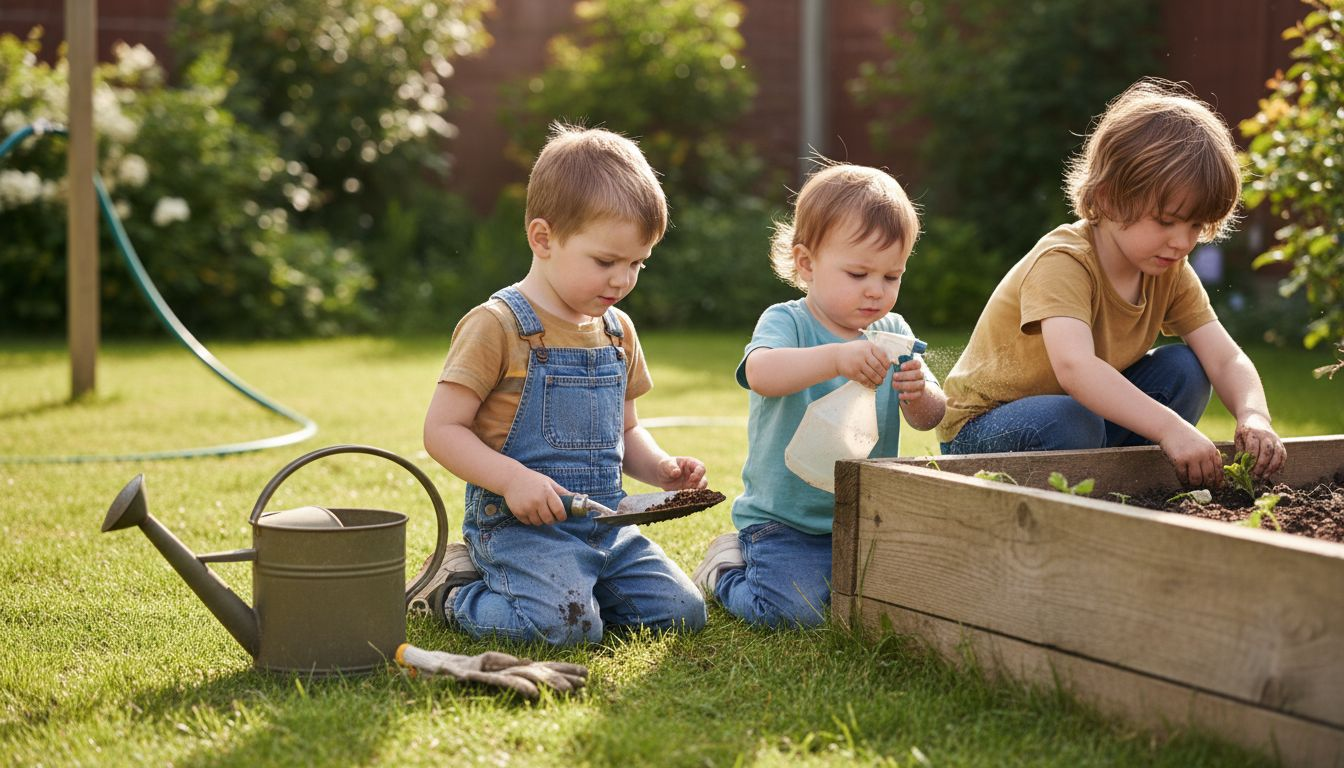
Pro Tip - Developmental Nurturing: Create consistent, unstructured outdoor exploration opportunities that allow children to lead their own discovery, supporting their natural curiosity and developmental potential.
Incorporating Eco Education at Home
Transforming your home into an engaging ecological learning environment requires creativity and intentional design. Interactive family approaches demonstrate that children learn most effectively when environmental education is woven seamlessly into daily routines and playful experiences.
Home-based eco education strategies can be implemented through various creative methods:
-
Kitchen Ecosystem Learning
- Growing kitchen herbs and vegetables
- Composting food waste
- Discussing food origins and sustainability
-
Household Resource Management
- Teaching energy conservation techniques
- Creating recycling sorting games
- Monitoring household water usage
-
Nature Connection Activities
- Indoor plant care responsibilities
- Creating wildlife observation journals
- Designing miniature indoor ecosystems
Outdoor play activities provide additional opportunities for environmental learning, extending ecological understanding beyond indoor spaces. By integrating hands-on experiences, parents can help children develop a nuanced understanding of environmental interdependence, transforming everyday moments into powerful educational encounters that nurture ecological consciousness.
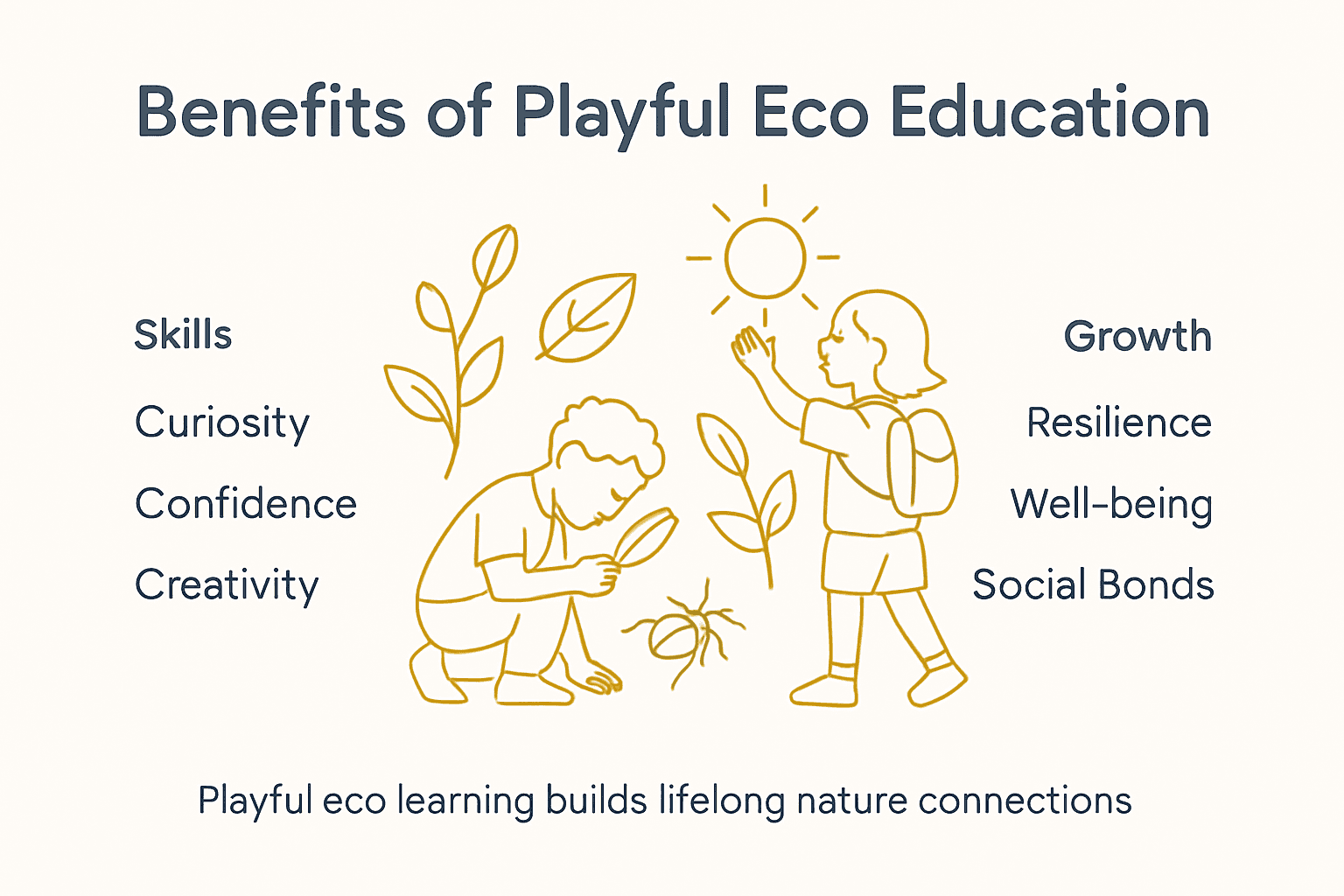
Pro Tip - Home Learning Strategy: Design consistent, age-appropriate eco challenges that turn environmental learning into an exciting family adventure, making sustainability feel like a collaborative and enjoyable exploration.
Common Pitfalls and Solutions for Parents
Culturally responsive teaching approaches reveal that many parents encounter significant challenges when implementing eco education at home. Understanding these common obstacles is crucial for creating meaningful, engaging environmental learning experiences that resonate with children’s natural curiosity and developmental needs.
Common pitfalls parents frequently encounter include:
-
Engagement Challenges
- Struggling to maintain children’s interest
- Overcomplicating environmental concepts
- Relying too heavily on lecturing approaches
-
Resource Limitations
- Believing eco education requires expensive materials
- Feeling overwhelmed by potential complexity
- Lacking confidence in personal environmental knowledge
-
Motivation Barriers
- Inconsistent learning approaches
- Failing to make activities enjoyable
- Neglecting children’s individual learning styles
Participatory learning methods demonstrate that successful eco education requires flexible, child-centred strategies that transform potential barriers into opportunities for discovery. By adopting a playful, adaptive approach, parents can create learning environments that naturally spark children’s intrinsic motivation to understand and protect the environment.
The following table highlights strategies to address common eco education challenges at home:
| Challenge Faced | Effective Solution | Benefit for the Child |
|---|---|---|
| Maintaining interest | Use play and storytelling | Sustains curiosity and enthusiasm |
| Resource worries | Employ household items creatively | Minimises cost and simplifies learning |
| Parental confidence | Embrace learning together | Builds shared understanding and trust |
Pro Tip - Adaptive Learning: Embrace imperfection and view each eco education moment as an experiment, allowing your child’s curiosity to guide the learning journey rather than adhering to rigid educational expectations.
Bring Playful Eco Education to Life with The Zoofamily
The challenge of maintaining children’s curiosity while teaching vital environmental values calls for tools that inspire active exploration and joyful discovery. The article highlights how playful eco education thrives through interactive, sensory-rich experiences that connect children emotionally with nature. At The Zoofamily, we understand that nurturing lasting ecological bonds requires more than facts — it demands creative engagement and genuine excitement.
Empower your child’s environmental journey with our specially designed kids’ cameras, walkie-talkies, and binoculars. Each product features animal references that spark fascination and invite young learners to explore the natural world firsthand. Plus, for every camera sold, we plant a tree, ensuring your family contributes to restoring natural beauty for generations to come. Begin transforming everyday moments into unforgettable eco education adventures today by visiting The Zoofamily. Discover how playful learning tools can make sustainability feel like a shared family adventure.
Frequently Asked Questions
What is playful eco education?
Playful eco education is an interactive approach that teaches children about environmental sustainability through engaging activities, games, storytelling, and hands-on experiences.
How can I incorporate eco education at home?
You can incorporate eco education at home by growing plants, discussing food origins, teaching energy conservation, and creating engaging activities like recycling sorting games or nature journals.
What are some playful nature-based activities for children?
Some playful nature-based activities include sensory exploration walks, nature journaling, scavenger hunts, and gardening, all designed to stimulate curiosity and enhance environmental awareness.
What are the developmental benefits of playful eco education?
Playful eco education fosters cognitive skills, emotional intelligence, and physical development in children, helping them build problem-solving abilities, empathy, and motor skills through active, nature-based learning.