

Nearly 90 percent of parents say their best family memories happen outside, surrounded by nature. Stepping into the outdoors does more than offer a break from screens. It strengthens family bonds, boosts well-being, and sparks meaningful conversations away from the daily rush. Discover how quality time in nature creates powerful connections and lasting stories that shape family life for years to come.
Table of Contents
- What Family Time In Nature Means
- Benefits For Children And Parents
- Types Of Family Nature Activities
- How To Integrate Nature Into Routines
- Safety And Legal Access Considerations
- Avoiding Common Outdoor Pitfalls
Key Takeaways
| Point | Details |
|---|---|
| Family Connection | Time spent in nature strengthens familial bonds through shared adventures and intentional exploration. |
| Health Benefits | Nature activities significantly enhance physical health, mental well-being, and emotional resilience for both children and parents. |
| Diversity of Activities | Families can engage in various nature-based activities, from active exploration to contemplative learning experiences, tailored to their interests and capabilities. |
| Safety and Preparation | Thorough preparation and understanding of local regulations are essential for safe and enriching outdoor experiences. |
What family time in nature means
Family time in nature transcends simple outdoor activities – it represents a profound connection between loved ones and the natural world. According to childrenandnature, these experiences are powerful opportunities to strengthen family relationships through shared adventures and meaningful interactions with our environment.
At its core, family time in nature involves deliberate moments of exploration, learning, and bonding outside traditional indoor settings. muddysneakers highlights that such experiences promote not just physical activity, but also mental well-being and environmental awareness. These shared outdoor moments allow families to disconnect from digital distractions and reconnect with each other and the world around them.
Key elements of meaningful family time in nature include:
- Collaborative outdoor activities like hiking, cycling, or nature walks
- Opportunities for spontaneous learning and discovery
- Developing environmental stewardship and appreciation
- Creating lasting memories beyond traditional entertainment
Through intentional engagement with natural spaces, families can cultivate deeper understanding, communication, and mutual respect. Whether it’s a short woodland walk or an extended camping trip, these experiences build shared narratives that bind family members together, creating a sense of unity and adventure that extends far beyond the immediate outdoor experience.
Benefits for children and parents
Nature-based family activities offer profound advantages for both children and parents, creating a holistic approach to wellness and family dynamics. According to nwf, spending time outdoors provides significant health benefits, including improved sleep quality, reduced stress levels, and enhanced overall mood. These natural experiences help regulate sleep-wake cycles and provide a calming environment that supports mental well-being.
Physical health benefits emerge as a primary advantage of family time in nature. connectionsacademy emphasizes that outdoor play encourages physical activity, leading to better fitness and health for all family members. Children develop motor skills, coordination, and strength through natural play environments, while parents simultaneously engage in exercise and movement.
The psychological and emotional advantages of nature-based family time are equally compelling:
- Stress reduction for parents and children
- Improved emotional regulation
- Enhanced communication and bonding
- Increased resilience and problem-solving skills
- Development of environmental awareness and empathy
Beyond individual benefits, shared outdoor experiences create a unique family dynamic that strengthens relationships. By stepping away from digital distractions and structured indoor environments, families can reconnect, communicate more openly, and build lasting memories.
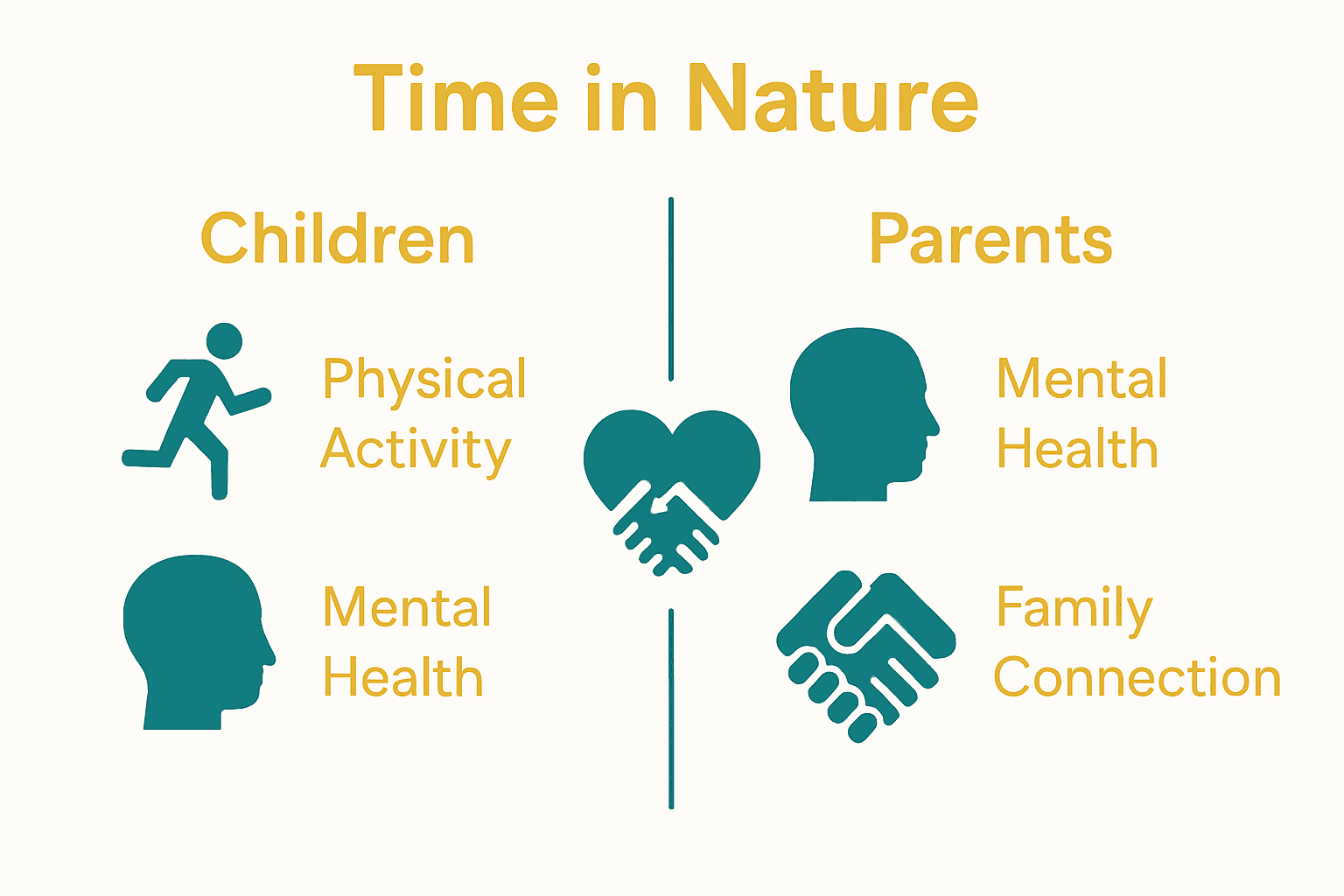 These moments of collective exploration and discovery forge deeper understanding and mutual respect, transforming simple outdoor activities into powerful opportunities for personal and familial growth.
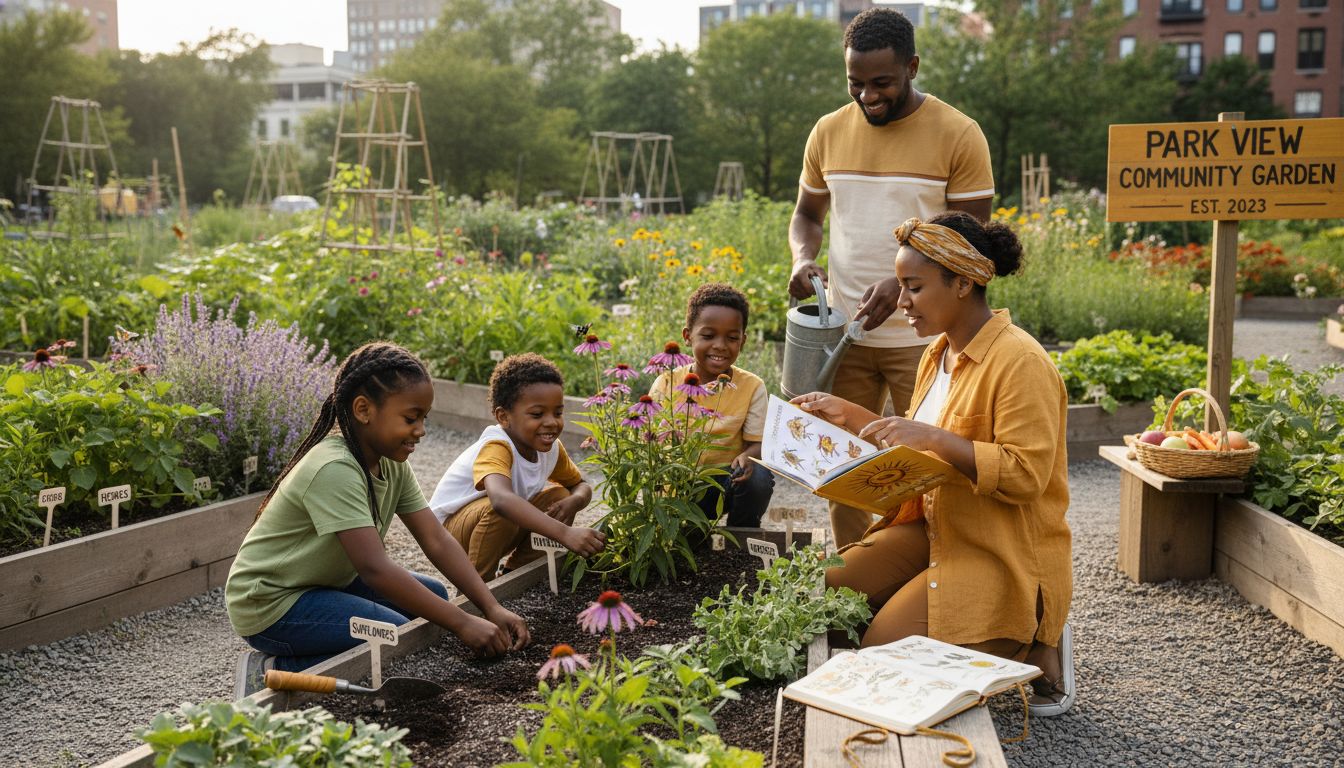
Types of family nature activities
Families have a diverse range of outdoor activities to explore, each offering unique opportunities for connection and discovery. According to connectionsacademy, engaging in nature-based activities extends far beyond simple recreation, providing meaningful experiences that nurture family bonds and individual growth.
Active exploration activities form the cornerstone of family nature experiences. ontariofamilytravel highlights several exciting options that cater to different interests and fitness levels:
- Hiking: Traversing nature trails of varying difficulty
- Cycling: Exploring scenic routes and bike paths
- Swimming: Enjoying natural water bodies like lakes and rivers
- Sports: Playing outdoor games in parks or natural settings
Beyond physical activities, families can also engage in more contemplative nature experiences that encourage learning and environmental appreciation. These might include birdwatching, nature photography, botanical explorations, or simple mindful walks that allow everyone to observe and connect with the natural world. Our guide on making learning fun offers additional insights into transforming outdoor time into educational adventures that spark curiosity and wonder in children and adults alike.
The key is selecting activities that match your family’s interests, physical capabilities, and the natural environments available to you. Whether it’s a short nature walk, a weekend camping trip, or a full day of outdoor exploration, the goal remains the same: creating meaningful connections with each other and the world around us.
How to integrate nature into routines
Transforming daily life to include more natural experiences requires intentional planning and creativity. According to childrenandnature, families can successfully incorporate outdoor time by scheduling regular activities that connect them with the natural world, making nature an integral part of their everyday lifestyle.
The Green Hour concept, recommended by nwf, provides a structured approach to daily nature integration. This dedicated time allows families to step away from digital distractions and engage in unstructured outdoor play and exploration. Practical strategies for implementing this approach include:
- Dedicating 30-60 minutes daily to outdoor activities
- Creating nature-focused morning or evening routines
- Planning weekly family nature expeditions
- Incorporating outdoor learning and play into homework or leisure time
- Using local parks, gardens, and green spaces as extended living areas
Our guide on eco-friendly routines offers additional insights into seamlessly blending environmental consciousness with family activities. The key is consistency and making nature feel like a natural, enjoyable extension of daily life rather than a separate, scheduled event. By gradually introducing more outdoor experiences, families can create lasting habits that foster connection, learning, and well-being for both children and adults.
Safety and legal access considerations
Responsible family nature exploration begins with thorough preparation and understanding of local regulations. ontariofamilytravel emphasizes the critical importance of researching and adhering to local guidelines regarding park usage, trail access, and permitted activities before embarking on any outdoor adventure.
Safety preparation involves multiple layers of planning and awareness. Families should consider the following essential safety considerations:
- Checking weather conditions before outdoor activities
- Carrying appropriate safety equipment
- Understanding local wildlife and potential hazards
- Ensuring all family members have proper protective gear
- Maintaining communication and having emergency contact information
- Bringing sufficient water, food, and first-aid supplies
Legal access to natural spaces requires understanding specific local regulations, which can vary significantly between different parks, reserves, and public lands. Some areas may have restrictions on hiking trails, camping locations, or specific activities like foraging or wildlife observation. Our guide on eco-friendly routines provides additional insights into responsible nature interaction.
Ultimately, safe and legal nature exploration is about respect – respect for the environment, local regulations, other visitors, and your family’s well-being. By taking time to research, prepare, and understand the spaces you’ll be exploring, families can create memorable, safe, and enriching outdoor experiences that connect them with the natural world.
Avoiding common outdoor pitfalls
Successful family nature experiences require careful planning and proactive problem-solving. According to connectionsacademy, families can prevent potential challenges by setting realistic expectations, preparing appropriately, and maintaining flexibility throughout their outdoor adventures.
Preparation strategies recommended by nwf focus on anticipating and mitigating potential risks:
- Wearing appropriate, layered clothing
- Applying insect repellent and sun protection
- Carrying sufficient water and nutritious snacks
- Checking weather forecasts before departing
- Bringing basic first-aid and emergency supplies
- Understanding individual family members’ physical limitations
Additional considerations involve managing expectations and energy levels. Younger children might tire quickly, so planning shorter, engaging activities with frequent breaks can prevent frustration. Our garden construction guide offers insights into creating adaptable outdoor spaces that can serve as comfortable rest points during family nature explorations.
Ultimately, successful outdoor experiences stem from preparation, patience, and a willingness to adapt. By approaching nature adventures with a positive, flexible mindset, families can transform potential challenges into memorable learning opportunities that strengthen their connections with each other and the natural world.
Discover How To Bring Family Time In Nature To Life
Family time in nature presents wonderful opportunities to connect deeply with your loved ones while nurturing a lasting appreciation for the world outside your door. Yet many families face challenges such as digital distractions, safety concerns, and knowing how to truly engage children in the outdoors. This guide highlights the importance of activities like hiking, mindful walks, and unstructured play to build memories and resilience. But how can you make these moments truly magical and easy to embrace?
At The Zoofamily, we understand the desire to inspire creativity and curiosity about nature through fun and purposeful tools. Our specially designed kids’ cameras, walkie-talkies, and binoculars come with animal references crafted to spark children’s interest in wildlife and natural beauty. Each purchase helps plant a tree, supporting the restoration of the planet for future generations. Using our gear can transform ordinary outdoor time into exciting adventures where kids feel connected and engaged with both family and nature.

Create unforgettable family nature experiences today by exploring The Zoofamily collection. Equip your children with tools that encourage discovery and strengthen bonds. Visit us now and start your journey towards more joyful, meaningful, and safe outdoor moments designed around your family’s unique rhythm.
Frequently Asked Questions
What does family time in nature involve?
Family time in nature involves shared outdoor activities like hiking, cycling, or nature walks that foster a connection with each other and the environment, allowing for exploration, learning, and bonding away from indoor distractions.
What are the benefits of outdoor family activities for children?
Outdoor family activities enhance physical health by promoting exercise, improve mental well-being through stress reduction, and facilitate emotional regulation and resilience among children.
How can families integrate nature into their daily routines?
Families can integrate nature into daily life by designating a ‘Green Hour’ for outdoor activities, planning weekly nature walks, and incorporating outdoor play into children’s routines for consistent engagement with the natural world.
What safety precautions should families take when exploring nature?
Families should check weather conditions, carry appropriate safety gear, understand local wildlife, maintain communication with emergency contacts, and bring sufficient supplies like water and first-aid kits when exploring natural spaces.