

Every british family is looking for ways to keep children entertained while making a positive impact on the environment. In the United Kingdom, over 22 million tons of waste are produced each year from households alone. Turning everyday items into creative projects helps children learn sustainability while having fun together. Discover playful recycling ideas that inspire imagination, teach valuable lessons, and bring new life to materials you already have around the house.
Table of Contents
- 1. Turn Old Jars Into Fun Animal Lanterns
- 2. Create Art Using Recycled Paper And Cardboard
- 3. Build Mini Gardens With Plastic Bottles
- 4. Make DIY Bird Feeders From Milk Cartons
- 5. Transform Fabric Scraps Into Colourful Toys
- 6. Design Nature-Inspired Photo Frames With Bottle Caps
- 7. Craft Homemade Puzzles From Cereal Boxes
Quick Summary
| Key Message | Explanation |
|---|---|
| 1. Transform waste into creativity | Use empty jars, paper, and plastic bottles to create fun, sustainable crafts that engage children in environmental awareness. |
| 2. Involve children in projects | Every crafting project provides an opportunity for children to learn about sustainability while developing their creativity and bonding with caregivers. |
| 3. Experiment with diverse materials | Encourage children to explore different textures and shapes by using a variety of recyclables like fabric, cardboard, and bottle caps. |
| 4. Create nature-friendly projects | Making bird feeders and mini gardens not only recycles materials but also fosters a connection to nature and wildlife conservation. |
| 5. Personalise handmade creations | Allow children to add their unique touch to crafts, such as design choices and decorations, enhancing their sense of ownership and creativity. |
1. Turn Old Jars into Fun Animal Lanterns
Transforming empty glass jars into whimsical animal lanterns is a brilliant way to spark creativity and reduce household waste. This eco friendly craft project turns potential rubbish into a delightful decorative piece that children will absolutely adore.
The magic of this recycling project lies in its simplicity and versatility. All you need are some clean glass jars, coloured tissue paper, white craft glue, paintbrushes, and a few additional craft supplies to bring adorable animal characters to life. The key is imagination.
Start by choosing your animal theme. Perhaps a cheeky monkey with brown tissue paper, a playful zebra with black and white patterns, or a cute elephant using soft grey tones. Carefully tear or cut tissue paper into small pieces, then apply a thin layer of glue to the jar’s exterior. Gently layer and overlap the tissue paper pieces to create a textured animal design.
Pro tip: Use battery operated tea lights inside the lanterns for safe, child friendly illumination. This transforms your recycled jar into a magical nightlight that can decorate a child’s bedroom or provide a soft glow during family craft evenings.
Children can get involved in every step making this not just a recycling project but a wonderful bonding experience. By working together, you teach valuable lessons about creativity, sustainability, and the joy of giving new life to everyday objects.
2. Create Art Using Recycled Paper and Cardboard
Turning cardboard and paper waste into artistic masterpieces is an extraordinary way to nurture creativity while teaching children about environmental responsibility. Discover The Forest encourages children to explore recycled art as a powerful method of expressing imagination and reducing household waste.
Transforming Recycling into Creativity begins with collecting everyday materials most families would typically discard. Cardboard boxes, paper tubes, magazines, newspapers and packaging materials become your artistic canvas. This approach not only reduces waste but also teaches children the value of seeing potential in objects others might consider rubbish.
Start your recycled art project by sorting materials based on texture, colour and shape. Cardboard boxes can become fantastic 3D sculptures or imaginative dioramas. Paper tubes transform into rocket ships, binoculars or animal figures. Magazines offer colourful collage opportunities where children can create vibrant landscapes or abstract designs.
Pro Tip: Gather basic craft supplies like child safe scissors, white glue, paintbrushes and coloured markers to enhance your recycled art experience. Encourage children to experiment without fear of making mistakes.
By engaging in these creative recycling projects, you are teaching valuable lessons about sustainability, resourcefulness and artistic expression. Each cardboard creature or paper landscape becomes a testament to a child’s imagination and environmental consciousness.
3. Build Mini Gardens with Plastic Bottles
Transforming plastic bottles into miniature gardens offers an ingenious solution for recycling household waste while introducing children to the wonders of plant cultivation. The Plants & Flowers Foundation provides excellent guidance on creating mini greenhouses that make gardening accessible and exciting for young learners.
Plastic Bottle Gardening turns potential rubbish into a fascinating ecosystem learning experience. By repurposing clear plastic bottles, you create a controlled environment perfect for growing herbs, small vegetables or decorative plants. This approach teaches children about plant biology, sustainability and the magic of nurturing living things.
To create your mini garden, start by carefully cutting a plastic bottle lengthways or creating small drainage holes at the bottom. Fill the bottle with nutrient rich potting soil, select seeds appropriate for your climate and gently plant them. The transparent bottle allows children to observe root development and seed germination up close.
Pro Tip: Position your mini garden in a sunny spot and maintain consistent moisture. Water sparingly and watch as seeds transform into tiny sprouts. This project not only recycles materials but also cultivates patience, observation skills and an understanding of natural growth processes.
By involving children in this hands on gardening activity, you are nurturing environmental awareness and connecting them directly with the natural world. Each seed represents potential life and every recycled bottle becomes a small miracle of growth and learning.
4. Make DIY Bird Feeders from Milk Cartons
Turning empty milk cartons into wildlife friendly bird feeders transforms household waste into an exciting opportunity for children to connect with nature. The National Audubon Society offers wonderful guidance on creating bird feeders from recycled materials, making environmental education both fun and practical.
Recycling Meets Wildlife Conservation happens when you transform a simple milk carton into a habitat supporting local bird populations. This project teaches children about animal care, resource management and the delicate ecosystem right outside their window. Clean milk cartons provide the perfect base for a sustainable feeding station that attracts feathered friends.
To create your bird feeder, thoroughly wash and dry a milk carton. Cut small windows on opposite sides for birds to access seeds, ensuring the openings are large enough for birds but not so big that seeds spill out. Attach a wooden dowel or pencil beneath the windows as a perching spot. Paint the carton with bright colours or decorate it with child friendly outdoor paint to make it visually appealing.
Pro Tip: Use sunflower seeds or mixed bird seed to attract a variety of local bird species. Position your feeder near a window so children can observe and learn about different birds visiting their creation. The Natural Learning Initiative recommends engaging children in outdoor learning through such interactive projects.
By constructing these simple bird feeders, you are doing more than recycling. You are creating a learning experience that connects children with wildlife, teaches environmental stewardship and brings the wonders of nature right to your doorstep.
5. Transform Fabric Scraps into Colourful Toys
Recycling fabric scraps into delightful toys offers a magical way to reduce textile waste while nurturing children’s creativity and imagination. This eco friendly craft project turns leftover materials into unique playthings that tell a story of sustainability and personal expression.
Textile Transformation begins with collecting fabric remnants from old clothes, curtains or craft projects. Soft cotton, flannel and felt materials work wonderfully for creating cuddly companions. Children can help sort fabrics by colour, texture and pattern making the process an engaging sensory learning experience.
Start by designing simple shapes like animals, monsters or abstract characters. Use child safe scissors to cut fabric pieces and basic sewing skills or fabric glue to assemble your toy. Stuffing can come from clean cotton batting or even recycled materials like shredded paper or old cushion filling. Encourage children to personalise their creation with buttons for eyes, embroidered details or unique fabric combinations.
Pro Tip: Choose washable fabrics and reinforce seams to ensure your handmade toys survive enthusiastic play. Each stitch becomes a lesson in resourcefulness transforming what might have been discarded into a cherished plaything.
By involving children in this creative recycling process, you teach valuable lessons about reducing waste, expressing creativity and finding beauty in reimagined materials. Every fabric scrap toy represents a small victory for sustainable living and imaginative play.
6. Design Nature-Inspired Photo Frames with Bottle Caps
Transforming discarded bottle caps into beautiful nature inspired photo frames offers a wonderfully creative way to upcycle everyday materials while connecting children with artistic expression. This craft project turns potential rubbish into a personalised memento that celebrates both creativity and environmental consciousness.
Upcycling Magic begins with collecting various sized bottle caps from soft drinks, water bottles and other household beverages. These tiny circular objects become building blocks for an imaginative art project that teaches children about texture, design and resourceful thinking. Sort bottle caps by colour, size and shape to create interesting visual patterns.
Start by selecting a sturdy cardboard base for your photo frame. Arrange bottle caps in nature inspired designs like flower petals, tree branches or animal silhouettes. Use strong craft glue to secure each cap carefully. Metallic spray paint can unify different coloured caps or create a cohesive background that makes your design pop. Children can experiment with different arrangements creating unique patterns that reflect their personal style.
Pro Tip: Select bottle caps with interesting textures or colours. Metallic silver, bright primary colours or pastel shades can transform an ordinary frame into an extraordinary art piece. Encourage children to tell a story through their design celebrating both creativity and environmental awareness.
By engaging in this craft project, you are teaching valuable lessons about seeing potential in everyday objects. Each bottle cap represents an opportunity for imagination turning waste into a cherished keepsake that preserves precious memories.
7. Craft Homemade Puzzles from Cereal Boxes
Transforming empty cereal boxes into personalised puzzles offers a brilliant way to recycle household packaging while creating engaging educational entertainment for children. This creative project turns potential rubbish into an interactive learning experience that develops problem solving skills and fine motor coordination.
Puzzle Creation Magic begins with carefully selected cereal boxes featuring colourful graphics or interesting images. Children can choose boxes with artwork that excites them perhaps depicting animals, landscapes or cartoon characters. Carefully flatten the box and apply a thin layer of glue to reinforce the cardboard before beginning your puzzle design.
Use child safe scissors to cut the flattened box into interesting shapes. For younger children start with larger puzzle pieces perhaps 10 to 15 total. More advanced puzzlers can create smaller more intricate pieces that challenge spatial reasoning skills. Consider tracing interesting shapes like triangles, irregular curves or animal outlines to make each puzzle unique.
Pro Tip: Create puzzle difficulty levels by varying piece sizes and complexity. Younger children might enjoy puzzles with 5 to 7 large pieces while older children can handle 20 to 30 smaller interlocking pieces. Laminate the puzzle pieces with clear contact paper to increase durability and create a smooth surface for repeated play.
By engaging in this recycling craft project you are teaching children valuable lessons about reimagining everyday materials. Each homemade puzzle becomes a testament to creativity transforming something ordinary into an extraordinary play experience that entertains and educates simultaneously.
Below is a comprehensive table summarising creative recycling projects from the article, which includes transforming household waste into engaging and educational crafts for children.
| Recycling Project | Key Materials Needed | Steps & Creative Tips | Educational Benefits |
|---|---|---|---|
| Animal Lanterns | Glass jars, tissue paper, glue, paintbrushes | Choose an animal theme and layer tissue paper on jar; use battery-operated tea lights for safe illumination. | Encourages creativity, reduces waste, and provides a bonding experience. |
| Recycled Art | Cardboard, paper tubes, magazines, glue | Sort materials by colour and texture; create sculptures or collages. | Teaches environmental responsibility and imaginative expression. |
| Mini Gardens | Plastic bottles, potting soil, seeds | Cut bottles, plant seeds, keep in a sunny spot. | Introduces children to plant biology and sustainability. |
| Bird Feeders | Milk cartons, seeds, wooden dowels | Cut windows in cartons, attach dowels, fill with seeds. | Connects children with wildlife and teaches resource management. |
| Fabric Toys | Fabric scraps, scissors, sewing materials | Cut and assemble fabric into toys; personalise with details. | Reduces textile waste and fosters creativity. |
| Bottle Cap Frames | Bottle caps, sturdy cardboard, glue | Arrange caps in designs on cardboard; secure with glue. | Encourages artistic expression and upcycling awareness. |
| Cereal Box Puzzles | Cereal boxes, glue, scissors | Cut boxes into puzzle pieces; create different difficulty levels. | Develops problem-solving skills and motor coordination. |
Inspire Creativity and Care for Nature with The Zoofamily
The article highlights the challenge many parents face in finding fun, educational ways to teach children about recycling and sustainability through creative projects. It focuses on transforming everyday waste into art and playthings while nurturing a deeper connection with nature and environmental stewardship. For mums seeking to extend these lessons beyond craft time The Zoofamily offers beautifully designed kids’ cameras, walkie-talkies, and binoculars inspired by animals. These tools encourage children to explore the natural world, sparking curiosity and fostering meaningful interactions with their environment.
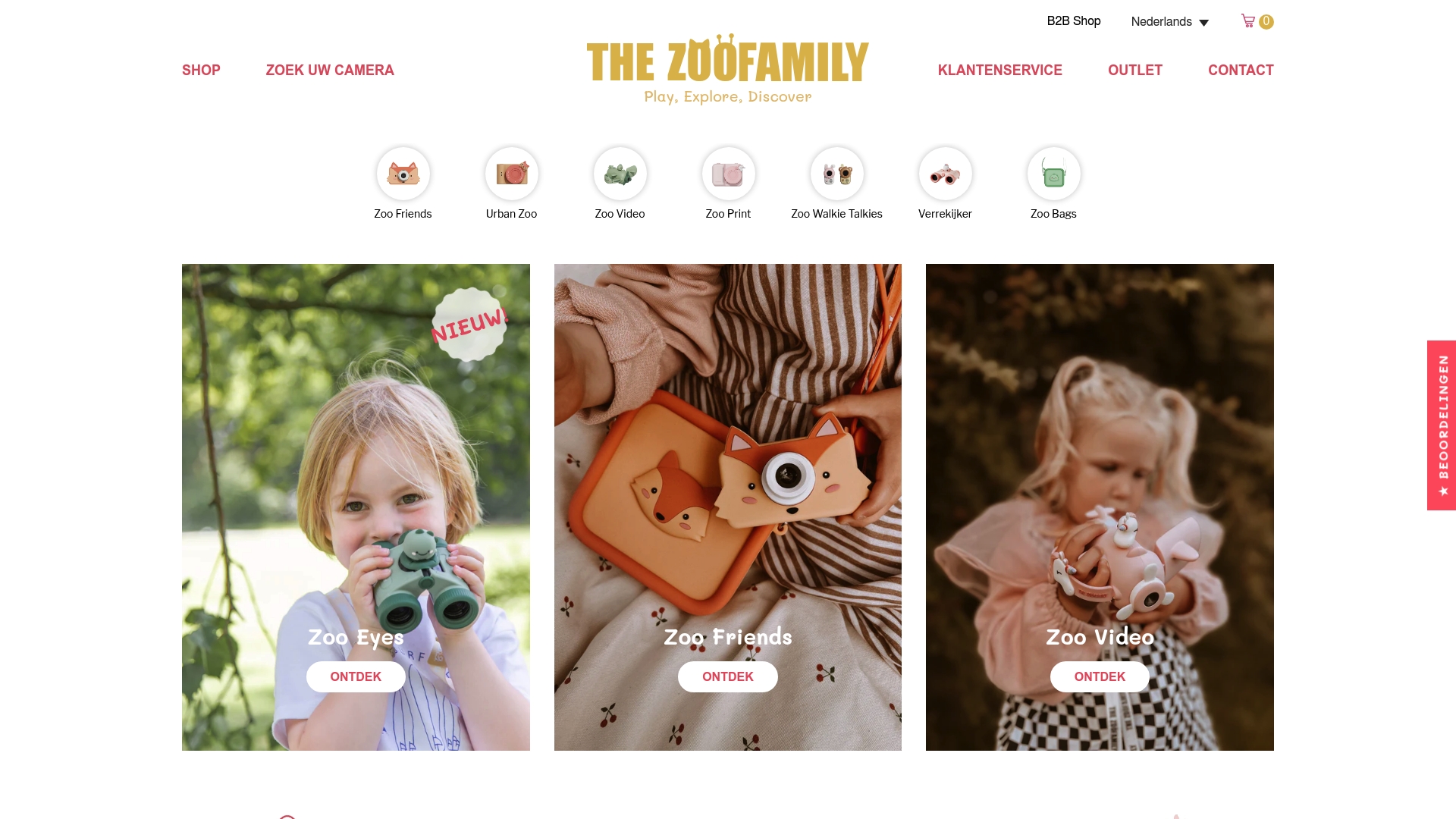
Bring your child’s creativity and love of nature to life today by visiting The Zoofamily. Explore our unique range that supports imaginative play and outdoor learning while contributing to a greener planet with every purchase. Join us in inspiring the next generation to nurture natural beauty and sustain our world through fun, eco-friendly adventures. Discover how The Zoofamily products complement your home recycling projects and help children connect with the environment in exciting new ways.
Frequently Asked Questions
What materials do I need for the animal lantern recycling project?
To create animal lanterns from glass jars, you’ll need clean glass jars, coloured tissue paper, white craft glue, paintbrushes, and optional craft supplies. Gather these items to get started on this fun, eco-friendly craft with your children.
How can we make DIY bird feeders from milk cartons?
You can turn empty milk cartons into bird feeders by washing them, cutting small access windows, and attaching a perching spot. Fill the feeders with bird seed and hang them in your garden to attract local birds and engage children with nature.
What are some easy recycled art projects for children?
Recycled art projects can include creating 3D sculptures from cardboard boxes, making collages from magazines, or designing characters from paper tubes. Encourage children to explore their imagination using these materials to create unique artistic pieces.
How can we maintain a mini garden using plastic bottles?
To maintain a mini garden with plastic bottles, ensure you place your garden in a sunny location and water it consistently. Regularly check for moisture in the soil and watch for sprouting seeds, witnessing the growth process firsthand.
What steps should I follow to create homemade puzzles from cereal boxes?
Begin by flattening your cereal box and applying glue to reinforce the cardboard. Use child-safe scissors to cut the box into various shapes, creating different puzzle piece sizes for an engaging activity that develops your child’s problem-solving skills.
How can I involve my children in the fabric scrap toy-making process?
Involve your children in the fabric scrap toy-making by letting them help design shapes, sort fabrics, and choose embellishments for their toys. Encourage creativity and personal expression as they stitch or glue materials together to craft their unique toys.
Recommended
- Comment protéger la planète au quotidien avec ses enfants – The Zoofamily
- Eco Friendly Cleaning Tips For Busy European Mums – The Zoofamily
- Bricolages avec coquillages : Créez des cadeaux uniques pour enfants – The Zoofamily
- Understanding Eco Friendly Routines for Modern Families – The Zoofamily
- Batterien recyceln: Alles, was Sie wissen sollten - accu.blog