

Over 70 percent of british parents express growing concern about the environmental impact of children’s toys. With shelves overflowing with bright plastic and hidden chemicals, choosing safe and sustainable options has never felt more urgent. Today’s families want toys that protect both their children and the planet, making environmentally friendly toys an appealing choice. Discover the facts about how eco-conscious materials, ethical practices, and safer play are shaping the future of british toy boxes.
Table of Contents
- What Are Environmentally Friendly Toys?
- Types And Eco‑Friendly Materials
- Toy Safety And Regulatory Standards
- Sustainability Beyond Materials
- Choosing And Caring For Eco Toys
Key Takeaways
| Point | Details |
|---|---|
| Environmentally Friendly Toys Prioritise Sustainability | These toys are made using sustainable materials and ethical manufacturing practices that minimise ecological impact. |
| Material Selection is Key | Eco-friendly toys typically use natural wood, recycled plastics, organic textiles, and biodegradable compounds to promote safety and environmental consciousness. |
| Safety Standards Must be Met | Parents should ensure toys adhere to rigorous safety standards, such as the EN 71 framework, to protect their children’s health alongside ecological concerns. |
| Holistic Sustainability is Essential | Effective eco-friendly toy manufacturing considers the entire lifecycle, including sourcing, production processes, and worker welfare to foster a more responsible approach to toy design. |
What Are Environmentally Friendly Toys?
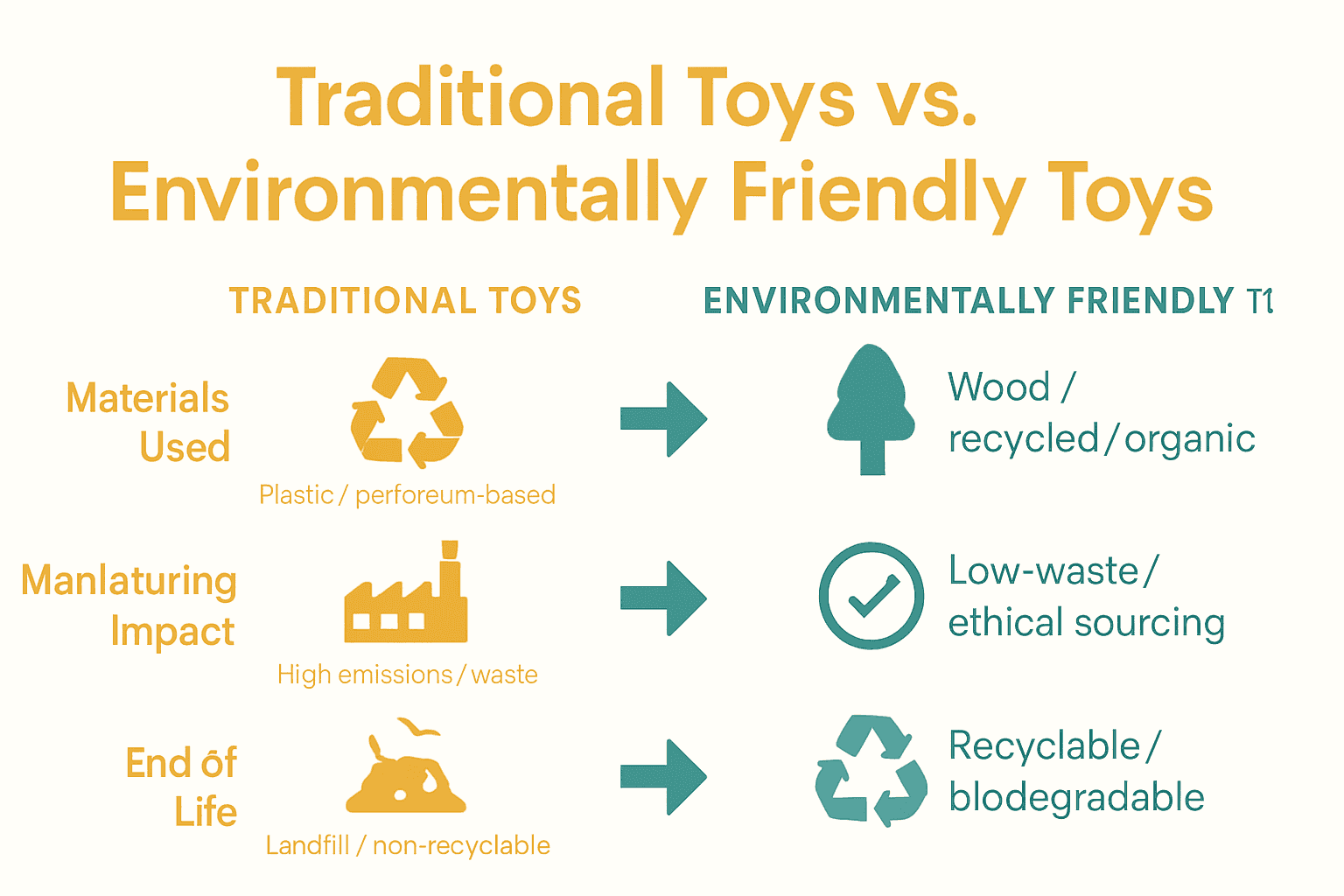
Environmentally friendly toys represent a transformative approach to children’s play that prioritises sustainable materials, ethical manufacturing, and minimal ecological impact. According to research from Ideas RePEC, consumer attitudes are increasingly focused on addressing plastic toy pollution and its potential harm to children’s development and the broader environment.
These innovative playthings are characterised by several key attributes that distinguish them from traditional toys. Sustainable materials form the core of environmentally friendly toys, which typically include:
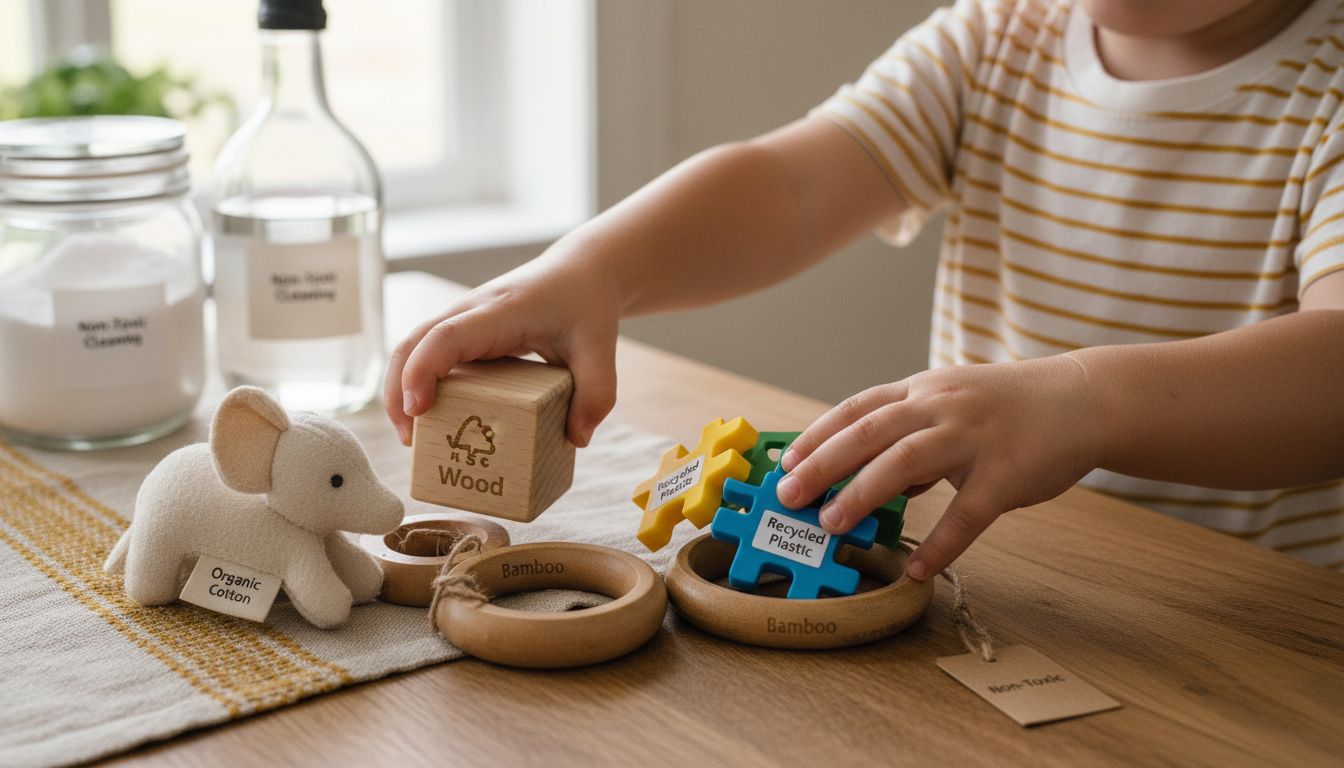
- Natural wood sourced from responsibly managed forests
- Recycled plastics diverted from waste streams
- Organic cotton and textiles
- Non-toxic, biodegradable compounds
- Locally produced components with reduced transportation emissions
Research from IIETA highlights another critical dimension of eco-friendly toys: their potential to provide sensory stimulation using natural dyes and materials. This approach not only minimises environmental impact but also supports infant developmental needs through carefully designed play experiences.
Beyond material selection, environmentally friendly toys embody a holistic philosophy of sustainability. Manufacturers committed to this approach consider the entire lifecycle of a toy - from responsible sourcing and low-waste production to designing products that are durable, repairable, and ultimately recyclable. By choosing these toys, parents can actively participate in reducing plastic waste while providing children with high-quality, engaging play experiences that connect them with principles of environmental stewardship.
Types And Eco‑Friendly Materials
Eco-friendly toys represent a revolutionary approach to play, with manufacturers increasingly focusing on sustainable materials that minimise environmental impact. Natural materials form the cornerstone of environmentally responsible toy production, offering children safe, engaging playthings that connect them with the natural world.
Key types of eco-friendly materials include:
- Organic Wood: Sourced from sustainably managed forests, untreated or finished with natural, non-toxic sealants
- Recycled Plastics: Transformed from post-consumer waste into durable, safe toy components
- Organic Textiles: Cotton and wool produced without harmful pesticides or synthetic chemicals
- Bamboo: A rapidly renewable material that grows quickly with minimal environmental resources
- Natural Rubber: Biodegradable and sourced from sustainable plantations
These materials are carefully selected not just for their environmental credentials, but also for their durability, safety, and sensory qualities. Understanding eco-friendly routines becomes crucial in helping parents make informed choices about the toys they bring into their homes.
Beyond material selection, eco-friendly toy manufacturers are reimagining the entire lifecycle of play products. This holistic approach considers everything from responsible sourcing and low-impact production to design that encourages long-term use, repairability, and eventual recycling. By prioritising these sustainable materials, parents can provide children with high-quality toys that nurture both creative play and environmental consciousness.
Toy Safety And Regulatory Standards
Ensuring children’s safety is paramount in the design and production of environmentally friendly toys. According to EN Standards, the European Union has established rigorous safety requirements through the EN 71 regulatory framework, which provides comprehensive guidelines for toy manufacturing across multiple critical dimensions.
Key safety standards for eco-friendly toys encompass several essential aspects:
- Mechanical Safety: Preventing choking hazards and ensuring structural integrity
- Chemical Composition: Restricting toxic materials and harmful substances
- Flammability Testing: Ensuring toys meet strict fire resistance protocols
- Age Appropriateness: Designing products suitable for specific developmental stages
- Physical Durability: Guaranteeing toys can withstand typical child interaction
Research from ArXiv further highlights the evolving landscape of toy safety, particularly with the emergence of smart and connected toys. Modern safety standards now extend beyond traditional physical considerations to address digital security and privacy concerns, especially for technologically enhanced playthings.
Parents seeking environmentally friendly toys must look beyond aesthetic appeal and ecological credentials, prioritising comprehensive safety certifications. Responsible manufacturers invest significant resources in testing and compliance, ensuring that sustainable materials do not compromise child safety.
By understanding and demanding adherence to these stringent regulatory standards, consumers can make informed choices that protect both their children and the environment.
Sustainability Beyond Materials
Sustainability in toy manufacturing extends far beyond the selection of eco-friendly raw materials. As demonstrated by PlanToys, true environmental responsibility encompasses a comprehensive approach that considers every aspect of production, packaging, and distribution.
Key dimensions of holistic sustainability include:
- Manufacturing Processes: Minimising energy consumption and carbon emissions
- Packaging Design: Utilising recyclable, minimal, and biodegradable packaging materials
- Transportation Efficiency: Reducing logistics-related environmental impact
- Worker Welfare: Ensuring ethical labour practices and fair working conditions
- Product Lifecycle: Designing toys for longevity, repairability, and eventual recycling
The Ethical Supply Chain Program highlights the critical importance of considering human and social elements within sustainability frameworks. This approach recognises that environmental responsibility cannot be separated from social equity and worker well-being.
By adopting a multifaceted perspective, environmentally conscious toy manufacturers are reimagining production as a holistic system. They understand that sustainability is not simply about materials, but about creating positive impact across economic, social, and ecological dimensions. Parents who support such comprehensive approaches are not just purchasing toys, but investing in a more responsible and interconnected global ecosystem.
Choosing And Caring For Eco Toys
Selecting environmentally friendly toys requires thoughtful consideration beyond aesthetic appeal. According to guidance from Kreative Kidz, parents should prioritise toys with recognised sustainability certifications such as Forest Stewardship Council (FSC) and Global Organic Textile Standard (GOTS), which guarantee both environmental integrity and child safety.
Key considerations when choosing eco toys include:
- Material Origin: Prioritise natural, sustainably sourced materials
- Manufacturing Transparency: Select brands with clear environmental commitments
- Non-Toxic Finishes: Ensure paints and treatments are free from harmful chemicals
- Durability: Choose toys designed for longevity and multiple play cycles
- End-of-Life Options: Consider toys that can be recycled or biodegraded
Sustainable kids gifts for 2025 demonstrate how responsible toy care extends beyond initial purchase. Proper maintenance involves gentle cleaning with natural, eco-friendly solutions, careful storage to prevent damage, and teaching children to respect and preserve their playthings.
Ultimately, selecting and caring for eco-friendly toys is an investment in both child development and environmental stewardship. By making mindful choices, parents can provide enriching play experiences that nurture creativity while minimising ecological impact. Each carefully chosen toy becomes a small but significant step towards a more sustainable future for our children.
Discover Sustainable Play With Toys That Care for Our Planet
The challenge of choosing environmentally friendly toys goes beyond picking natural materials or ensuring safety standards It is about embracing a lifestyle that honours durability, ethical practices, and nurturing a genuine connection between children and nature The article highlights concerns over plastic pollution and calls for toys designed for longevity, repairability, and environmental stewardship At The Zoofamily, we understand these priorities deeply Our kids’ cameras, walkie-talkies, and binoculars are crafted to spark curiosity about wildlife while aligning with eco-friendly values One camera sold means one tree planted — a tangible step towards restoring natural beauty for future generations
Ready to make a lasting impact with your child’s playthings Explore our eco-conscious collection and join us in championing toys that inspire creativity without compromising the planet Find out more about how we blend fun with responsibility at The Zoofamily and see how playful learning can foster a stronger bond with nature Embrace this opportunity to empower children while supporting sustainability — shop now and help grow a greener tomorrow
Frequently Asked Questions
What are environmentally friendly toys?
Environmentally friendly toys are playthings made from sustainable materials and produced through ethical manufacturing processes that minimise environmental impact. They often include natural wood, recycled plastics, organic textiles, and other non-toxic, biodegradable compounds.
What materials are commonly used in eco-friendly toys?
Common materials for eco-friendly toys include organic wood, recycled plastics, organic cotton, bamboo, and natural rubber. These materials are selected for their durability, safety, and minimal environmental footprint.
How can I ensure that the toys I choose are safe for my child?
To ensure toy safety, look for compliance with safety standards such as the EN 71 regulatory framework, which focuses on mechanical safety, chemical composition, flammability testing, and age appropriateness. Choosing toys from manufacturers with transparent safety certifications is also crucial.
What should I consider when caring for eco-friendly toys?
When caring for eco-friendly toys, consider using gentle cleaning solutions, storing them properly to avoid damage, and teaching children the importance of preservation. It’s also helpful to research end-of-life options, such as recycling or composting, to minimise ecological impact.
Recommended
- Comment protéger la planète au quotidien avec ses enfants – The Zoofamily
- Eco Friendly Cleaning Tips For Busy European Mums – The Zoofamily
- Understanding Eco Friendly Routines for Modern Families – The Zoofamily
- Sustainable Kids Gifts 2025: Everything You Need to Know – The Zoofamily
- Role of Wooden Toys Today: Complete Parent Guide – Learning Bugs
- Why Choose Wooden Toys: Complete Guide for Families – Learning Bugs