

Every European mum knows the challenge of finding fresh ways to bring nature into her child’s everyday life, especially when city living makes wild spaces feel distant. Childhood nature rituals offer far more than outdoor play, creating deliberate practices that help children understand their intrinsic relationship with nature. By weaving intentional experiences into family routines, you can nurture children’s eco-awareness, inspire creativity, and build meaningful family memories rooted in environmental respect.
Table of Contents
- Defining Childhood Nature Rituals Today
- Common Types And Influential Examples
- Essential Elements For Lasting Impact
- Benefits For Children’s Wellbeing And Values
- Challenges, Mistakes, And Safer Practices
Key Takeaways
| Point | Details |
|---|---|
| Childhood Nature Rituals Enhance Ecological Awareness | These rituals foster deep connections between children and the environment, transforming interactions into meaningful learning experiences. |
| Consistency is Crucial for Impact | Regular engagement in nature rituals helps children develop emotional connections and strengthens their ecological identities. |
| Adult Modelling Encourages Exploration | Parents and educators should actively demonstrate enthusiasm for nature, facilitating children’s curiosity and engagement with the environment. |
| Balance Structure and Flexibility | It’s important to respect children’s interests and allow room for spontaneous discovery while providing supportive guidance in nature experiences. |
Defining Childhood Nature Rituals Today
Childhood nature rituals represent a transformative approach to connecting young people with their environmental surroundings. More than simple activities, these rituals are deliberate practices that help children understand their intrinsic relationship with nature. Emerging research on Childhoodnature suggests these experiences go beyond traditional outdoor play, challenging anthropocentric perspectives by integrating children as active participants within natural ecosystems.
These rituals take many forms, from structured garden planting sessions to spontaneous woodland explorations. They create meaningful opportunities for children to develop sensory connections, observe ecological patterns, and build deep environmental awareness. Family routines and rituals provide critical emotional frameworks that transform simple interactions into profound learning experiences, helping children develop sustainable mindsets.
Modern nature rituals acknowledge cultural diversity and individual creativity. They might involve tracking seasonal changes, collecting natural objects, creating nature journals, or participating in local conservation projects. The key is creating consistent, emotionally significant experiences that foster genuine ecological understanding and emotional connection to the natural world.
Pro tip: Start small by establishing a weekly family nature exploration ritual, where everyone commits to spending unstructured time observing and engaging with local natural environments.
Common Types And Influential Examples
Childhood nature rituals encompass a diverse range of experiences that help children develop profound ecological connections. Research on ritualistic learning reveals that children inherently gravitate towards imitative and meaningful interactions with their environment, demonstrating an intuitive capacity for understanding complex ecological relationships.
These nature rituals can be categorised into several influential types. Personal rituals might involve individual activities like keeping a nature journal, collecting and documenting local flora, or maintaining a small garden plot. Collective rituals, by contrast, often involve community engagement such as neighbourhood tree planting, participating in local wildlife conservation programmes, or joining seasonal ecological monitoring projects. Ritualized activities serve multiple purposes, nurturing not just environmental awareness but also fostering a sense of social belonging and shared ecological responsibility.
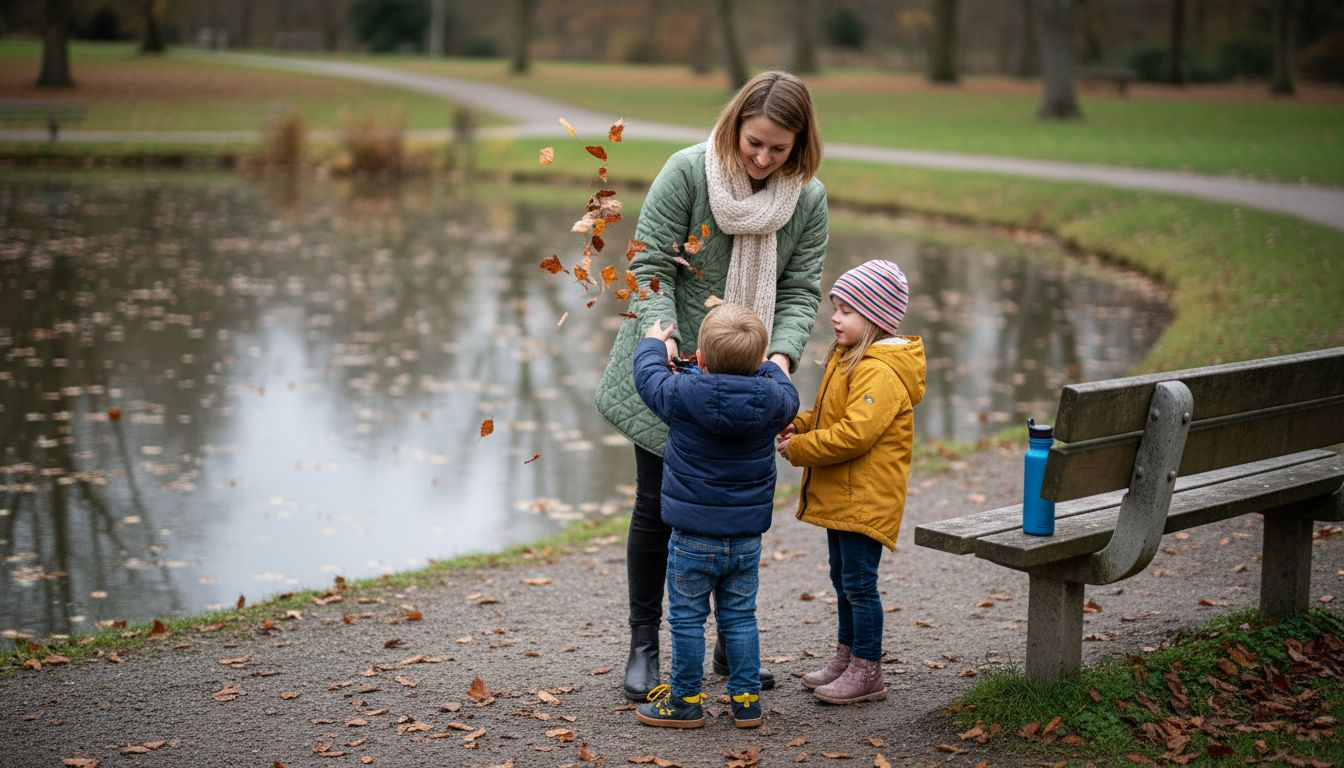
Some particularly impactful examples include seasonal observation rituals, where families track and celebrate natural transitions like solstices or equinoxes, creating meaningful connections to planetary rhythms. Conservation-focused rituals might involve beach or park clean-up days, wildlife habitat restoration projects, or creating wildlife-friendly garden spaces. School and community programmes increasingly recognise these rituals as powerful tools for developing eco-conscious mindsets, integrating hands-on environmental experiences into children’s regular learning environments.
The following table highlights distinctions between personal and collective nature rituals for children:
| Type of Ritual | Typical Features | Example Activities | Impact on Children |
|---|---|---|---|
| Personal | Individual engagement focus | Nature journalling, garden care | Fosters self-awareness, autonomy |
| Collective | Community participation | Tree planting, conservation events | Builds teamwork, social values |
Pro tip: Create a family nature ritual calendar that maps out seasonal activities, ensuring consistent and engaging environmental interactions throughout the year.
Essential Elements For Lasting Impact
Intentional design lies at the heart of effective childhood nature rituals. Research on ritualistic activities reveals that creating meaningful experiences requires careful consideration of time, space, and adult modelling. These rituals must be thoughtfully constructed to provide children with inclusive environments that support their developing ecological identities and sense of environmental connection.
Several critical elements emerge as fundamental to creating lasting impact. Consistency and predictability form the backbone of these rituals, allowing children to develop deep emotional connections with natural environments. Family routines and rituals demonstrate that emotional investment transforms simple activities into profound learning experiences. This means establishing regular patterns of engagement that children can anticipate and participate in actively, whether it’s weekly nature walks, seasonal garden maintenance, or monthly community conservation projects.
Adult modelling plays a crucial role in nurturing children’s ecological consciousness. Parents and educators must demonstrate genuine enthusiasm, curiosity, and respect for natural environments. This involves sharing personal observations, expressing wonder at ecological systems, and creating safe spaces for children to explore, question, and develop their own connections with nature. By integrating storytelling, hands-on experiences, and age-appropriate scientific understanding, adults can transform nature rituals from occasional activities into transformative learning journeys.
Pro tip: Create a dedicated nature exploration journal for your family, where everyone can document their observations, sketches, and reflections from outdoor experiences.
Benefits For Children’s Wellbeing And Values
Nature experiences in childhood represent far more than simple outdoor activities. They are transformative encounters that profoundly shape children’s psychological, emotional, and spiritual development. These experiences cultivate deep empathy, curiosity, and a fundamental sense of connection with the natural world, laying critical foundations for lifelong ecological awareness and personal wellbeing.
The multifaceted benefits extend across several crucial developmental domains. Physical health improves through increased movement and sensory engagement, while cognitive skills are enhanced by complex environmental interactions. Family routines and rituals demonstrate that consistent nature-based experiences significantly contribute to emotional resilience, social skills, and academic performance. Children develop essential values like cooperation, respect, and environmental responsibility through these meaningful interactions with natural systems.
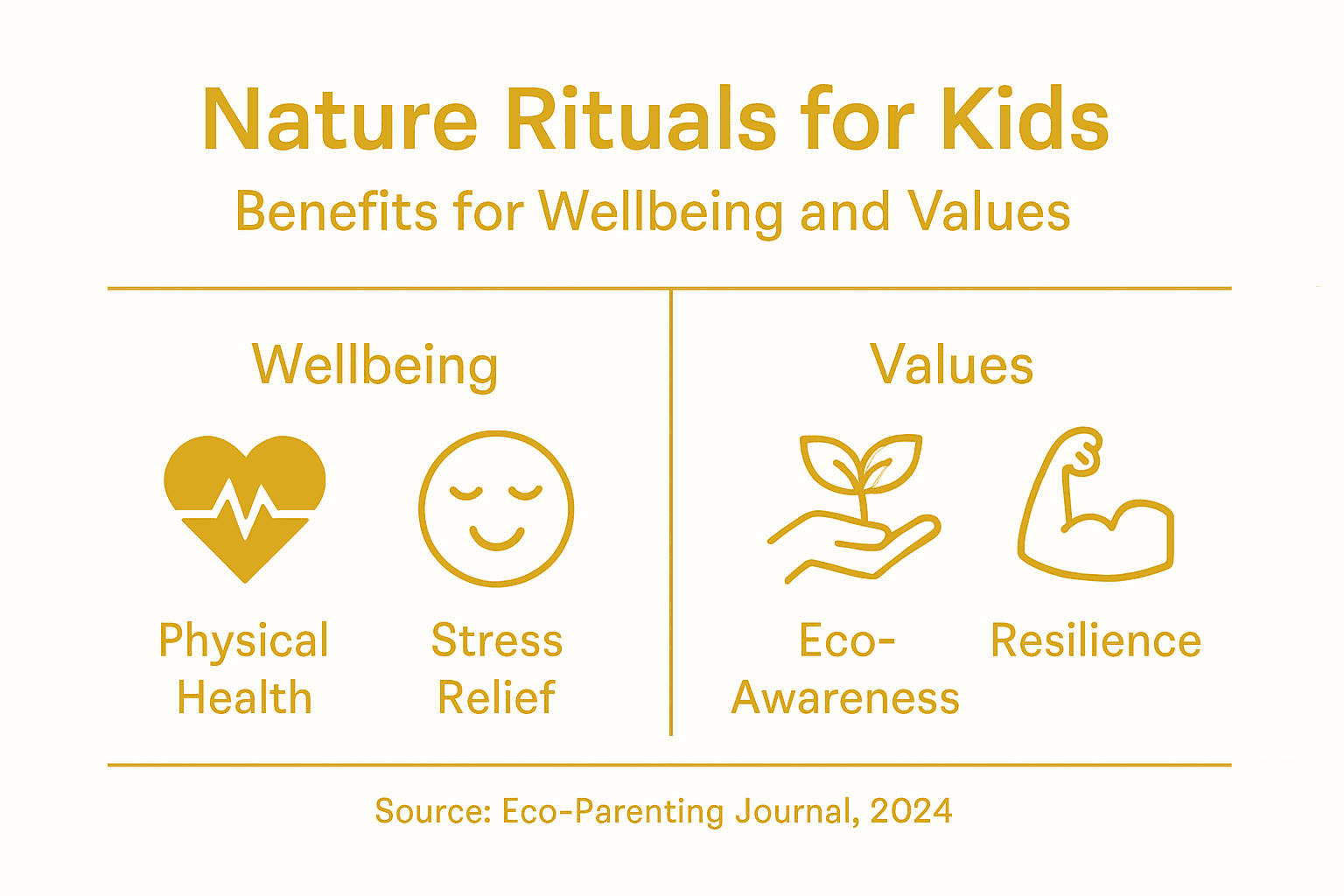
Moreover, nature rituals provide unique psychological benefits by creating spaces for emotional regulation, stress reduction, and personal reflection. Children learn to observe, appreciate, and understand ecological interconnectedness, which fosters a sense of wonder and humility. These experiences help young people develop critical thinking skills, emotional intelligence, and a profound respect for living systems beyond human-centric perspectives. By engaging directly with natural environments, children build emotional vocabularies that extend far beyond traditional learning approaches.
Here is a table summarising key benefits of childhood nature rituals across development areas:
| Development Area | Nature Rituals Benefit | Lasting Effect |
|---|---|---|
| Physical Health | Boosts movement and coordination | Improves strength, agility |
| Emotional Wellbeing | Enhances resilience, reduces stress | Greater self-regulation |
| Social Skills | Encourages cooperation, empathy | Stronger relationships |
| Cognitive Growth | Sparks curiosity and observation | Improved problem-solving |
Pro tip: Create a family nature connection journal where children can document their observations, feelings, and discoveries during outdoor experiences, promoting reflective learning and emotional engagement.
Challenges, Mistakes, And Safer Practices
Research on ritualistic learning reveals that not all nature rituals are equally effective. Parents and educators frequently encounter challenges that can inadvertently diminish the profound potential of these experiences. Common mistakes include imposing rigid structures, overlooking children’s individual interests, and creating activities that feel disconnected from genuine ecological engagement.
One significant challenge is balancing structured guidance with child-led exploration. Ritualized activities research emphasises the importance of creating inclusive, adaptable environments that respect children’s developmental stages and unique perspectives. Safer practices involve actively listening to children’s curiosities, allowing spontaneous discoveries, and avoiding overly prescriptive approaches that might transform nature interactions into mundane, unengaging tasks.
Parents must also navigate potential safety concerns while maintaining the sense of wonder and independence crucial to meaningful nature experiences. This requires careful risk assessment, age-appropriate supervision, and creating environments that feel simultaneously secure and exploratory. Critical strategies include providing appropriate protective gear, establishing clear but flexible boundaries, teaching basic ecological awareness, and modelling respectful interaction with natural environments. Understanding that each child’s comfort and engagement level differs is key to creating transformative, safe nature rituals.
Pro tip: Create a family nature safety checklist that balances protective guidelines with opportunities for spontaneous discovery, ensuring children feel both secure and empowered during outdoor experiences.
Spark Meaningful Childhood Nature Rituals with The Zoofamily
The article explores the importance of creating consistent and emotionally rich nature rituals that nurture ecological consciousness in children. Parents and educators often face the challenge of finding tools that inspire curiosity while balancing safety and engagement. Key concepts such as intentional design, emotional connection, and child-led exploration highlight the need for products that not only equip kids for outdoor discovery but also deepen their bond with the natural world.
At The Zoofamily, we understand these needs and have designed the best kids’ cameras, walkie-talkies, and binoculars specifically to encourage creative and immersive interactions with nature. Each product features animal references to trigger children’s interest and make every outdoor experience unforgettable. Our commitment goes further as we plant one tree for every camera sold, helping restore the natural beauty your family will explore. Discover how our gear can support your family’s childhood nature rituals at The Zoofamily.
Ready to transform family time into lasting ecological adventures? Explore our nature-inspired gadgets and start creating your own meaningful rituals today. Visit The Zoofamily to find tools that foster wonder, safety, and lifelong eco-conscious values for your children.
Frequently Asked Questions
What are childhood nature rituals?
Childhood nature rituals are intentional practices that connect children with their natural environment, helping them develop ecological awareness and emotional connections to nature through activities like gardening, exploration, and conservation projects.
Why are nature rituals important for children’s development?
Nature rituals significantly enhance children’s physical health, emotional well-being, social skills, and cognitive growth. They provide opportunities for kinesthetic activity, foster resilience, encourage cooperation, and inspire curiosity about the natural world.
How can I create effective nature rituals for my child?
To create effective nature rituals, focus on consistency, involve your child’s interests, model enthusiasm for nature, and incorporate activities that allow for spontaneous exploration, ensuring they feel secure while promoting independence.
What common mistakes should I avoid when organising nature rituals?
Common mistakes to avoid include imposing rigid structures that stifle exploration, overlooking children’s personal interests, and creating unengaging activities. It’s important to allow flexibility and listen to children’s curiosities to make rituals meaningful and enjoyable.