


Imaginative play is not just a pastime for children but the very foundation on which they build complex ideas about the world. Most people see a cardboard box as rubbish, but children see endless possibilities. Studies reveal that open-ended toys can dramatically increase creativity and social skills in young minds. The real surprise is just how much future success can hinge on these simple moments of make-believe.
Table of Contents
- What Is Imaginative Play And How Does It Function?
- The Importance Of Imaginative Play In Childhood Development
- How Imaginative Play Enhances Creativity And Problem-Solving Skills
- The Role Of Imaginative Play In Social And Emotional Growth
- Real-World Applications Of Imaginative Play And Gift Ideas
Quick Summary
| Takeaway | Explanation |
|---|---|
| Imaginative play fosters cognitive skills. | Children learn to think critically and solve problems through creative scenario-building and role-playing. |
| Symbolic play aids emotional regulation. | Make-believe allows children to experiment with emotions and develop resilience in a safe environment. |
| Social skills are honed in play. | Through role-playing, children practice communication, conflict resolution, and empathy, essential for future interactions. |
| Open-ended toys enhance creativity. | Choosing toys that allow for imaginative use encourages children to explore and develop narratives without limits. |
| Supportive environments stimulate play. | Designating spaces for imaginative play helps children engage deeply, nurturing their creativity and discovery. |
What is Imaginative Play and How Does it Function?
Imaginative play represents a fundamental developmental mechanism where children transform their understanding of reality through creative interaction and symbolic representation. At its core, this form of play allows young minds to explore complex social scenarios, emotional landscapes, and abstract concepts through make-believe experiences.
The Psychological Foundation of Imaginative Play
Children engage in imaginative play by using objects, actions, and ideas to represent alternative realities. A simple wooden block might become a spaceship, while a cardboard box transforms into a castle. This cognitive process, known as symbolic transformation, enables children to exercise their mental flexibility and creative thinking.
According to Child Mind Institute, pretend play provides a powerful context for children to express creativity and develop critical social and emotional skills. Through these playful interactions, children learn to:
- Understand different perspectives
- Practice emotional regulation
- Develop narrative thinking
- Enhance problem-solving capabilities
Developmental Stages of Imaginative Play
Imaginative play evolves as children grow, becoming increasingly sophisticated. Toddlers might engage in simple role-playing, like feeding a doll, while older children create elaborate storylines involving complex character interactions. This progression reflects growing cognitive complexity and emotional intelligence.
The benefits of imaginative play extend far beyond immediate entertainment. By creating imaginary worlds, children develop crucial cognitive skills that prepare them for more complex social interactions and intellectual challenges in later life. Through make-believe scenarios, they learn empathy, negotiation, and creative problem-solving in a safe, engaging environment.
The Importance of Imaginative Play in Childhood Development
Imaginative play is a crucial developmental mechanism that significantly influences cognitive, emotional, and social growth in children. Far beyond simple entertainment, this type of play serves as a fundamental learning pathway through which children explore, understand, and interact with their complex world.
To better understand the unique contributions of imaginative play, the following table compares its role across key developmental domains in children:
| Developmental Domain | Role of Imaginative Play | Key Benefits Generated |
|---|---|---|
| Cognitive | Children construct, explore, and manipulate new scenarios mentally | Critical thinking, problem-solving |
| Emotional | Safe space to experience, express, and regulate emotions | Emotional regulation, resilience, empathy |
| Social | Practice communication, negotiation, and collaboration through role-play | Communication, conflict resolution |
| Creative | Use of symbolic thinking and open-ended materials for creativity | Creative flexibility, narrative skills |
| Physical (indirect) | Manipulation of objects and environments in imaginative scenarios | Fine and gross motor development (secondary) |
Cognitive Development Through Creative Exploration
Children’s imaginative play represents an intricate neural process where they construct mental frameworks that enhance critical thinking and problem-solving skills. By transforming ordinary objects into extraordinary scenarios, children develop cognitive flexibility and creative reasoning. A cardboard box becomes a spaceship, a wooden block transforms into a magical wand, demonstrating their remarkable ability to transcend literal interpretations.
According to American Academy of Pediatrics, play is essential to development because it contributes to the cognitive, physical, social, and emotional well-being of children. Through imaginative scenarios, young minds learn to:
- Understand complex social interactions
- Develop abstract thinking skills
- Practice emotional regulation
- Enhance problem-solving capabilities
Emotional and Social Learning Dynamics
Imaginative play serves as a safe experimental space where children navigate emotional landscapes and social dynamics. By role-playing different characters and scenarios, children learn empathy, communication, and conflict resolution. They discover how to interpret social cues, negotiate roles, and understand diverse perspectives without real-world consequences.
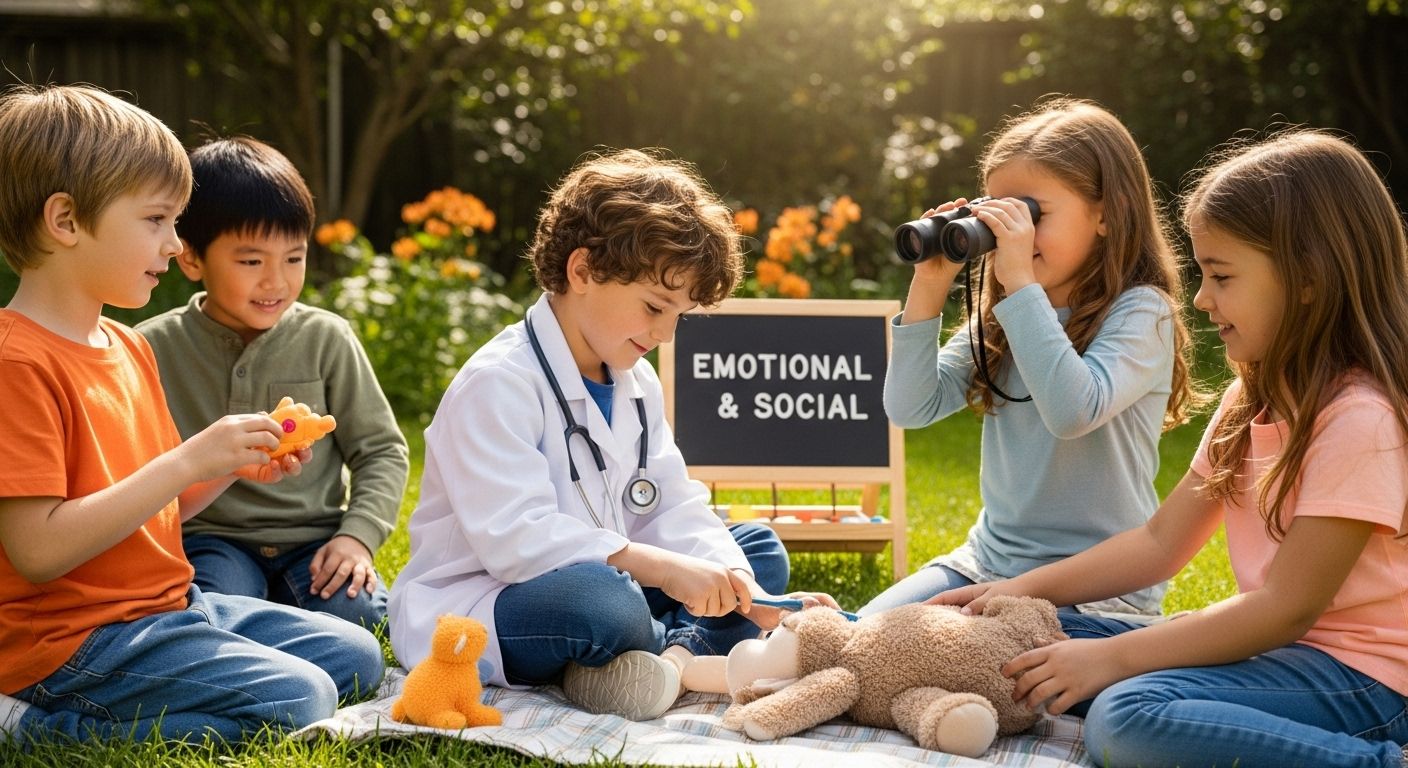
Moreover, imaginative play helps children process complex emotions and experiences. Through make-believe scenarios, they rehearse emotional responses, build resilience, and develop strategies for managing challenging social situations. This psychological playground allows them to explore feelings, fears, and aspirations in a controlled, supportive environment.
How Imaginative Play Enhances Creativity and Problem-Solving Skills
Imaginative play serves as a powerful catalyst for developing advanced cognitive abilities, transforming simple playtime into a sophisticated learning environment where children cultivate critical thinking skills and creative problem-solving strategies.
Neural Pathways of Creative Thinking
During imaginative play, children engage in complex cognitive processes that stimulate neural connections and expand mental flexibility. By reimagining everyday objects and scenarios, they learn to break traditional thought patterns and approach challenges with innovative perspectives. A simple stick might become a wizard’s wand, a magic bridge, or a musical instrument, demonstrating the remarkable capacity of young minds to transcend literal interpretations.
Research from Stanford University’s Design School indicates that creative thinking is not an innate talent but a skill that can be developed through practice.
Imaginative play provides an ideal training ground where children:
- Challenge existing mental frameworks
- Generate multiple solutions to hypothetical problems
- Experiment without fear of failure
- Develop cognitive adaptability
Strategic Problem-Solving Through Make-Believe
Imaginative scenarios act as sophisticated training simulations where children learn to navigate complex social and intellectual challenges. When children create intricate storylines or role-play different characters, they are simultaneously developing strategic thinking skills. They learn to anticipate consequences, understand different perspectives, and construct nuanced problem-solving approaches.
Through these playful interactions, children develop metacognitive skills - the ability to reflect on their own thinking processes. They learn to analyse situations, predict potential outcomes, and adapt their strategies dynamically. This cognitive flexibility becomes a foundational skill that extends far beyond childhood, preparing them for future academic and professional challenges.
The Role of Imaginative Play in Social and Emotional Growth
Imaginative play emerges as a profound mechanism for children to explore, understand, and develop critical social and emotional competencies. Through make-believe scenarios, children construct intricate psychological landscapes that enable them to comprehend complex human interactions and emotional experiences.
Emotional Intelligence Development
During imaginative play, children experience a unique opportunity to explore and regulate emotions in a safe, controlled environment. By embodying different characters and navigating hypothetical scenarios, they learn to recognise, understand, and manage emotional responses. A child pretending to be a doctor comforting a patient demonstrates an emerging capacity for empathy and emotional nuance.
According to Child Mind Institute, pretend play provides a powerful context for children to develop social and emotional skills. Through these playful interactions, children acquire essential emotional capabilities such as:
- Recognising diverse emotional states
- Understanding emotional complexity
- Practicing emotional self-regulation
- Developing empathetic responses
Social Skill Cultivation Through Role-Playing
Imaginative play serves as a dynamic social laboratory where children experiment with interpersonal dynamics, communication strategies, and relationship building. By collaboratively creating narratives and negotiating roles, children learn sophisticated social skills that extend far beyond simple play. They discover how to communicate effectively, resolve conflicts, and understand different perspectives.
Through these make-believe scenarios, children develop crucial social competencies like turn-taking, cooperation, and mutual understanding. They learn to read social cues, adapt their behaviour, and create shared experiences that form the foundation of future social interactions. This process transforms imaginative play from a simple childhood activity into a critical developmental mechanism for social and emotional growth.
Real-World Applications of Imaginative Play and Gift Ideas
Imaginative play extends far beyond simple entertainment, offering parents and educators powerful tools to support children’s holistic development. By selecting purposeful toys and creating engaging play environments, adults can strategically nurture children’s cognitive, social, and emotional growth.
Selecting Imagination-Enhancing Toys
Choosing the right toys can transform playtime into a developmental catalyst. Open-ended toys that do not prescribe specific interactions allow children to exercise maximum creativity. Blocks, art supplies, dress-up clothes, and simple household objects become portals to extraordinary imaginary worlds. These items encourage children to construct narratives, experiment with roles, and explore complex scenarios without predetermined outcomes.
The following table outlines examples of open-ended toys and the developmental skills each one fosters, helping parents and educators make informed choices:
| Toy Type | Example Items | Skills Fostered |
|---|---|---|
| Blocks | Wooden bricks, Lego | Creativity, spatial reasoning, problem-solving |
| Art Supplies | Crayons, paints, paper | Self-expression, fine motor skills, imagination |
| Dress-Up Clothes | Costumes, hats, fabric | Role-play, empathy, social understanding |
| Props & Household | Cardboard boxes, kitchen sets | Narrative thinking, cooperation, adaptability |
| Nature-Inspired | Binoculars, animal cameras | Role-play, curiosity, real-world connection |
According to Child Mind Institute, imaginative play enhances several critical developmental domains. When selecting gifts, parents should consider toys that support:
- Narrative storytelling capabilities
- Emotional expression
- Social interaction skills
- Creative problem-solving
Creating Supportive Play Environments
Beyond physical toys, the environment itself plays a crucial role in stimulating imaginative play. Parents can design spaces that invite exploration and creativity by providing designated areas for role-playing, art creation, and collaborative play. A small corner with costumes, simple props, and comfortable seating can become a magical realm where children transform their understanding of the world.
The most effective play environments balance structure and freedom, offering gentle guidance while allowing children’s natural creativity to flourish. By observing and occasionally participating in their imaginative scenarios, parents can support their children’s developmental journey, turning playtime into a rich, meaningful learning experience.
Unlock Your Child’s Creative Potential With The Zoofamily
Are you searching for meaningful ways to support your child’s imaginative play and nurture important skills such as creative thinking and emotional intelligence? As highlighted throughout this article, children benefit when given opportunities for imaginative exploration yet many parents struggle to find interactive tools that both inspire creativity and deepen connection with nature. The need for open-ended play, safe discovery, and nature-inspired curiosity is more vital than ever.
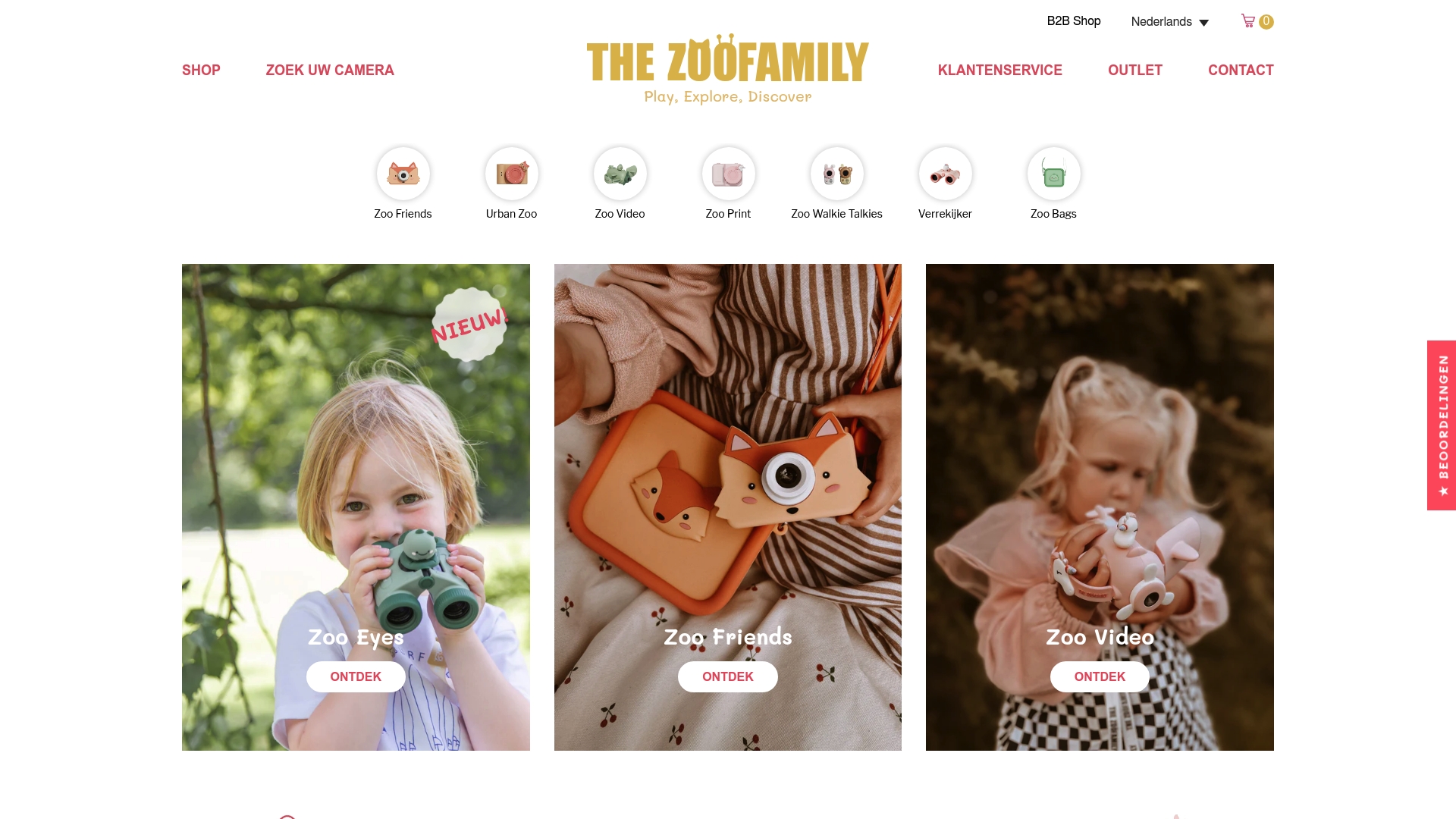
Give your child adventures beyond screen time and bring the world of imaginative learning home with The Zoofamily. Our animal-themed kids’ cameras, walkie-talkies, and binoculars are expertly designed to stimulate creative role-play while connecting your child to the wonders of the natural world. Each product is a doorway to new stories and social connections. Plus, with every camera sold, we plant a tree, so your purchase supports global restoration for future generations. Explore our range and turn your next play session into a transformative journey by visiting The Zoofamily’s official website today. Let your child’s story come to life – discover purposeful gifts now and start building lifelong creativity.
Frequently Asked Questions
What is imaginative play?
Imaginative play is a developmental process wherein children use creativity and symbolism to explore and understand complex social scenarios, emotions, and abstract concepts through make-believe experiences.
How does imaginative play contribute to a child’s cognitive development?
Imaginative play helps children develop cognitive flexibility, critical thinking, and problem-solving skills by enabling them to transform ordinary objects into extraordinary scenarios, which enhances their mental adaptability.
In what ways does imaginative play support emotional growth in children?
Through imaginative play, children navigate emotional landscapes by role-playing different characters and scenarios, allowing them to process complex emotions, practice emotional regulation, and develop empathy in a safe environment.
What types of toys are best for encouraging imaginative play?
Open-ended toys that allow for creativity, such as building blocks, art supplies, and dress-up clothes, are ideal as they encourage children to construct narratives and engage in role-playing without predetermined outcomes.
Recommended
-
[ Zoo Walkie Talkie - Unicorn x Fox
– The Zoofamily](https://thezoofamily.com/en/products/walki-talki-fox-unicorn)
-
[ Urban Zoo - Unicorn
– The Zoofamily](https://thezoofamily.com/en/products/periwinkle-the-unicorn)
-
[ Zoo Walkie Talkie - Unicorn x Unicorn
– The Zoofamily](https://thezoofamily.com/en/products/walki-talki-unicorns)
-
[ Zoo Friends - Elephant
– The Zoofamily](https://thezoofamily.com/en/products/elephant-digital-kids-camera)