

Not every toy labelled “natural” or “plastic-free” is as safe as it looks. Eco friendly toys have surged in popularity, and with good reason. But the assumption that wood, plant-based materials, or recycled packaging automatically equals safe is one of the most common misconceptions among eco-conscious parents today. The reality is more nuanced, and more interesting. This guide walks you through what genuinely makes a toy sustainable, what current safety regulations actually require, and how to spot the difference between a truly responsible product and clever green marketing.
Table of Contents
- Key takeaways
- What makes a toy truly eco friendly
- Safety regulations you need to understand
- Comparing popular eco toy types
- How to spot greenwashing
- Sustainable play beyond the toy box
- My perspective on balancing eco and safety
- Explore eco friendly toys with Thezoofamily
- FAQ
Key takeaways
| Point | Details |
|---|---|
| Sustainability requires evidence | Look for FSC certification, recycled content, and plastic-free packaging rather than trusting vague “natural” labels. |
| Safety and eco are separate checks | Natural materials still require chemical migration testing and compliance with current UK, EU, or US regulations. |
| New regulations raise the bar | The EU Toy Safety Regulation 2025/2509 introduces stricter chemical bans and a Digital Product Passport from 2026. |
| Greenwashing is widespread | Vague claims with no third-party verification are a red flag; demand transparency from brands. |
| Durability reduces waste | Well-made toys that last years produce less environmental impact than cheap eco alternatives replaced every season. |
What makes a toy truly eco friendly
The term “eco friendly” covers a lot of ground, and not all of it equally meaningful. At its most credible, it refers to toys made from materials that are renewable, responsibly sourced, and designed to last.
Materials worth trusting
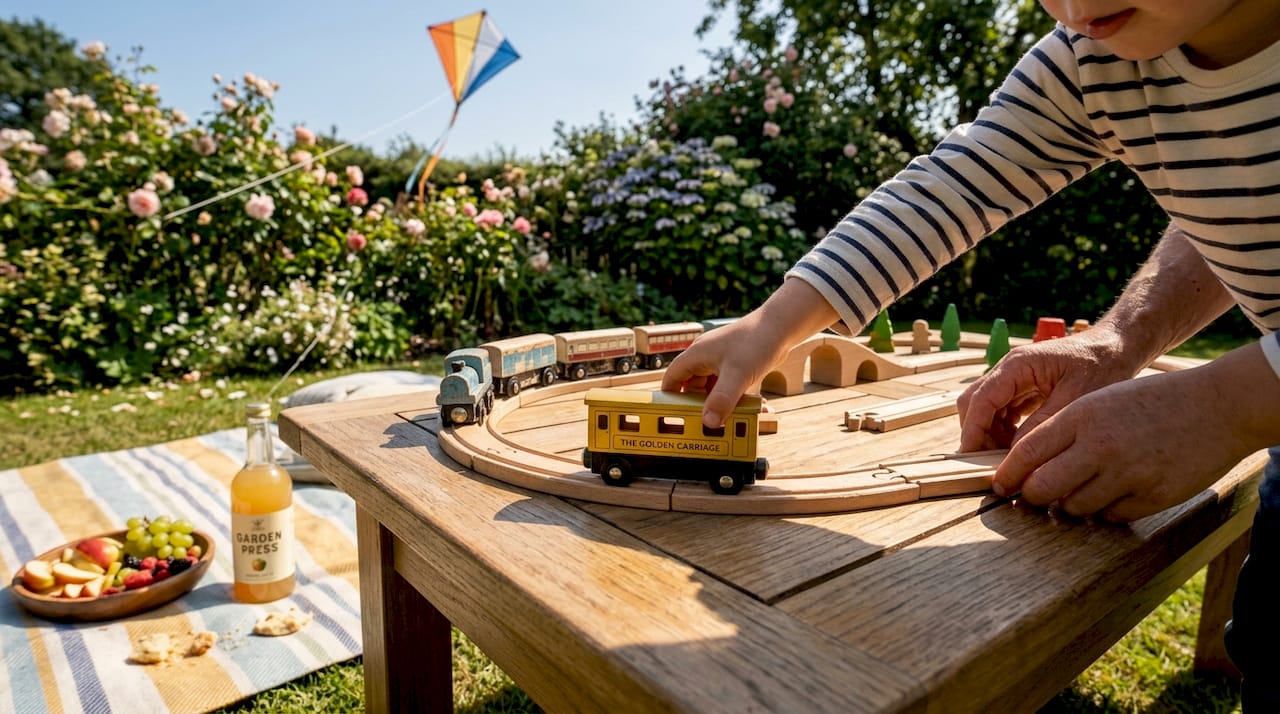
Wood is often the first material parents reach for, and with good reason. Wooden toys from responsibly managed forests are increasingly common, with manufacturers seeking FSC certification as a baseline. FSC certification confirms the timber comes from forests managed for long-term ecological health, not just harvested for profit.
Recycled plastics sit in a different category. They reduce the demand for virgin petroleum-based plastic, which is genuinely significant. However, recycled plastics can carry residual chemical contamination depending on what they were originally used for, so sourcing transparency still matters.
Biodegradable and plant-based materials, including PLA (polylactic acid) and natural rubber, are growing options. They break down more readily at end of life, but they tend to be less durable than hardwood and may not survive the enthusiasm of a three-year-old for more than a season.
Packaging is part of the picture too. Brands using solar-powered factories and plastic-free packaging are making genuine systemic commitments rather than just swapping one material for another.
Pro Tip: When comparing eco friendly toys, check the packaging as well as the product. A wooden toy wrapped in layers of single-use plastic film sends a contradictory message.
The most overlooked factor in sustainability is durability. A toy built to be passed down through siblings, sold on secondhand, or donated to a nursery has a far lower lifetime environmental footprint than one marketed as biodegradable but replaced every twelve months.
Safety regulations you need to understand
Here is where things get genuinely important, and where many parents are caught off guard. Natural materials do not come with a safety guarantee built in. Safety depends on testing, compliance, and current regulatory standards, not the origin of the material.
What the EU is now requiring
The EU Toy Safety Regulation 2025/2509 replaces the older 2009/48/EC Directive and brings the most significant overhaul of toy safety law in over a decade. From 2026 onwards, toys sold in the EU must comply with stricter chemical limits, updated labelling requirements, and new obligations for online marketplaces.
One of the most notable features is the Digital Product Passport. This will allow consumers to access detailed product information digitally, including material origins and safety documentation. For eco-conscious parents, this is genuinely useful because it makes greenwashing much harder to sustain.
On chemicals, the regulation is specific. Ten bisphenols and numerous other hazardous substances are now prohibited in toys for children under 14 years, with extended restrictions on N-nitrosamines and respiratory sensitisers. These limits apply across all toy categories, not just products for infants.
Non-toxic claims must be backed by measurable hazard assessments, including chemical migration testing. A toy cannot simply be described as non-toxic because it is made from wood or plant-based materials.
US safety standards in 2026
In the US, ASTM F963-23 has been updated with specific provisions for aquatic toys and water beads. Water beads now require toxicity limits and warning labels because they can expand dramatically when ingested, creating a severe choking and obstruction hazard. This is not a fringe concern. Several children have required surgery after swallowing water bead toys.
Neck floats are another category where regulation has moved ahead of general parent awareness. The CPSC has issued specific safety requirements for neck floats beyond the basic labelling minimum, precisely because the drowning risk associated with these products was not adequately addressed by existing standards.
| Regulation | Region | Key change |
|---|---|---|
| EU Toy Safety Regulation 2025/2509 | EU | Stricter chemical bans, Digital Product Passport, online marketplace rules |
| ASTM F963-23 (updated) | US | Water bead hazard limits, aquatic toy labelling |
| CPSC neck float rule | US | Category-specific drowning risk assessment required |
Pro Tip: When buying eco friendly bath or water toys for toddlers, search specifically for compliance with ASTM F963-23 or the EU 2025/2509 Regulation. General eco certifications do not substitute for safety compliance.
Comparing popular eco toy types
Understanding the trade-offs between different toy materials helps you make a genuinely informed choice rather than defaulting to whatever looks most natural on the shelf.
Wooden toys are generally the most durable and, when FSC-certified, among the most sustainable. The risk area is surface finishes. Paints and varnishes must comply with chemical migration limits, so look for toys specifying water-based, non-toxic coatings alongside the wood certification. The definitive guide to environmentally friendly toys covers certification criteria in depth.
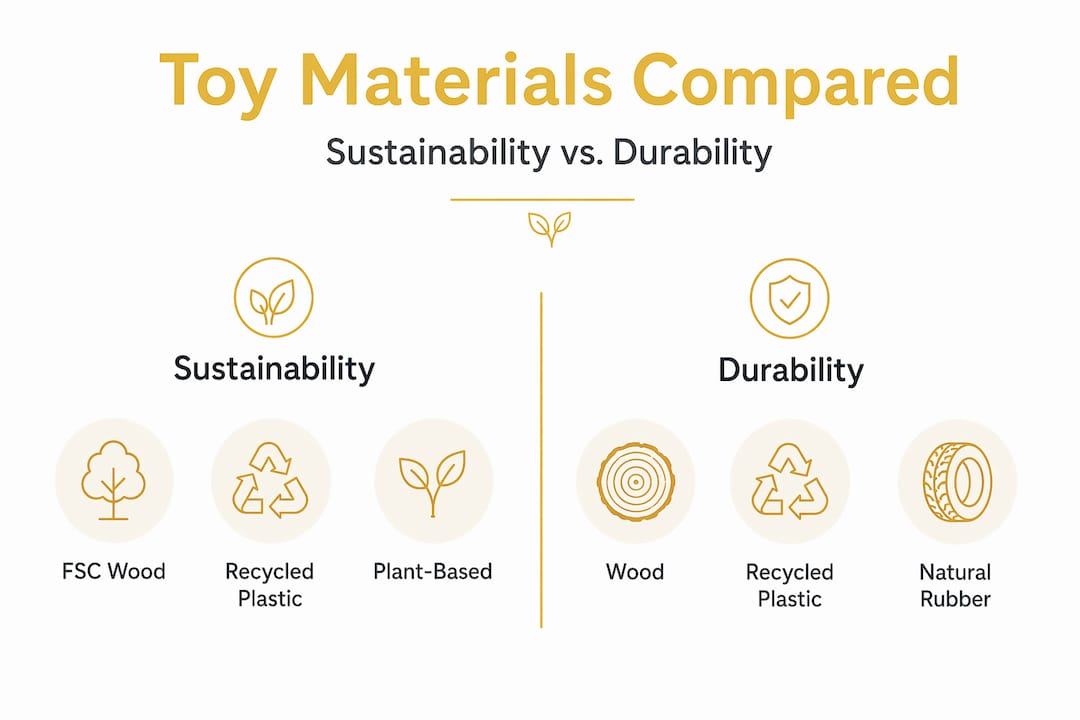
Recycled plastic toys present an interesting balance. They reduce virgin plastic demand meaningfully. The concern is traceability: what was the original plastic used for, and has it been tested for residual contamination? Reputable brands will disclose this.
Biodegradable and plant-based toys score well on end-of-life impact but often poorly on durability. For sensory or bath toys, the safety picture becomes more complex. Moist environments accelerate degradation in some materials, which can create unexpected bacterial or mould risks. The Thezoofamily guide on eco-friendly bath toys addresses this in practical detail.
Here is a quick comparison:
| Toy type | Sustainability | Safety risk | Durability | Relative cost |
|---|---|---|---|---|
| FSC-certified wooden | High | Low (if tested) | Very high | Medium |
| Recycled plastic | Medium | Medium (traceability) | High | Low to medium |
| Biodegradable/plant-based | High | Low to medium | Low to medium | Medium to high |
| Sensory/bath toys | Variable | Higher (moisture risk) | Low | Low to medium |
Key points to keep in mind when comparing:
- Always verify that finishes and coatings meet chemical safety standards, not just the base material
- Bath and sensory toys need moisture-specific safety assessments
- A toy’s packaging sustainability should align with the toy itself
- Eco-conscious parents often misunderstand that natural materials are not automatically safer than responsibly made recycled options
How to spot greenwashing
Greenwashing in the toy industry is real, and it is effective because parents want to believe in the claims. The good news is that spotting it is not complicated once you know what to look for.
-
Ask for specific certifications. “Eco-friendly” and “natural” are marketing terms with no legal definition. FSC certification, EN71 compliance, ASTM F963 compliance, and OEKO-TEX Standard 100 are specific, verifiable standards. If a brand cannot name one, be sceptical.
-
Check chemical safety disclosures. Safety documentation and chemical hazard testing should accompany sustainability credentials. If a product page lists the wood source but says nothing about paint or coating safety, that is a gap worth questioning.
-
Look at the supply chain transparency. Responsible brands describe where materials come from, who makes the toys, and under what conditions. Vague statements like “ethically sourced” without specifics are not enough.
-
Research the brand’s track record. One-off sustainability gestures are less credible than consistent, documented commitments. Look for annual sustainability reports, third-party audits, or charity partnerships with measurable outcomes.
-
Use the Digital Product Passport where available. As this rolls out under the EU regulation from 2026, it will make it far easier to verify claims digitally before purchasing.
Pro Tip: Search for the toy’s model name alongside terms like “safety certificate” or “test report” before buying online. Reputable sellers make this documentation accessible. If it is not there, ask.
When in doubt, choosing age-appropriate and sustainable toys from brands with transparent sourcing policies reduces your exposure to greenwashing significantly.
Sustainable play beyond the toy box
Choosing eco friendly toys is one part of a broader approach to sustainable play. The habits built around the toys matter as much as the materials they are made from.
- Embrace secondhand. Well-made wooden or recycled plastic toys often outlast their first owners. Buying pre-loved reduces demand for new production entirely, which is the most effective environmental action available to consumers.
- Try DIY and upcycled projects. Cardboard boxes, fabric scraps, and empty containers offer genuinely open-ended play that develops creativity. These are also excellent projects to do together, building environmental awareness through action.
- Choose open-ended toys. A set of wooden blocks, a simple rope, or a magnifying glass has a longer useful life than a single-function battery-operated toy. Open-ended play also tends to develop better cognitive and social skills.
- Reduce packaging waste. Request toys unwrapped at point of sale, or choose brands that ship in recycled, minimal packaging.
- Talk about it with your children. Explaining why you chose a particular toy, where it comes from, and what happens to it after use builds values that last far longer than any single purchase.
For parents of infants, the carbon footprint of eco infant toys guide from Thezoofamily offers practical figures and material comparisons at that specific stage.
My perspective on balancing eco and safety
I have spent a long time looking at how parents navigate the eco toy space, and the most common mistake I see is treating sustainability and safety as though they are the same thing. They are related but they are not interchangeable.
In my experience, parents who prioritise the “eco” label sometimes skip the safety verification step because the natural origin of a material feels inherently trustworthy. I understand that instinct completely. But a toy made from organic cotton stuffed with poorly labelled filling, or a wooden figure painted with an unverified coating, is not a safer toy simply because it started as a tree.
What I have found actually works is building a two-step habit. First, ask about the environmental credentials: sourcing, certifications, packaging, and production. Then ask a completely separate set of questions about safety: what testing has been done, which standard does it comply with, and where can you see the documentation?
The brands I respect most are the ones who answer both sets of questions confidently and publicly. Durability is the factor I keep returning to. A toy that lasts a decade, gets passed down, and still functions well is doing more for the environment than ten cheap biodegradable toys that fall apart in a year. Quality and sustainability genuinely align when you look long enough.
Stay curious, keep updating your knowledge as regulations change, and do not be afraid to ask brands direct questions. The ones with nothing to hide will always answer.
— ALAIN
Explore eco friendly toys with Thezoofamily
At Thezoofamily, every product is designed with two things in mind: sparking genuine curiosity in children, and doing less harm to the planet they will inherit. The kids’ cameras, binoculars, and walkie-talkies are built to be durable, genuinely used, and made with transparent sourcing commitments. For every camera sold, Thezoofamily plants one tree, because connecting children to nature is only meaningful if that nature is still there for them.
Browse the full range of sustainable kids’ toys and explore the blog for in-depth guides on materials, safety certifications, and age-appropriate choices. When you know what to look for, finding truly responsible toys becomes far less daunting.
FAQ
What makes a toy genuinely eco friendly?
An eco friendly toy uses responsibly sourced materials such as FSC-certified wood or recycled plastics, avoids harmful chemicals, and is designed to last. Packaging sustainability and transparent supply chains are also part of the picture.
Are natural material toys always safe for children?
No. Natural materials are not automatically safer; safety depends on chemical testing, compliance with current regulations, and category-specific assessments. Always check for documented safety certification alongside eco credentials.
What is the EU Toy Safety Regulation 2025/2509?
It is the new EU law replacing the 2009 Toy Safety Directive, introducing stricter chemical bans, new labelling rules, and a Digital Product Passport that lets consumers verify toy information digitally, rolling out from 2026.
How do I identify greenwashing in toy marketing?
Look for specific, verifiable certifications such as FSC or EN71 rather than vague terms like “natural” or “eco-friendly.” Brands with genuine commitments publish sourcing details, safety test results, and sustainability reports.
Are water bead and bath toys safe eco options?
Water bead toys now require specific toxicity limits and warning labels under updated US standards due to ingestion risks. Bath toys made from biodegradable materials carry additional moisture-related safety considerations. Always check for current compliance before purchasing.